
Elevating Spaces Where Design Meets Experience
Walk into any successful retail store, and you'll notice something immediately—beyond the products on the shelves or the lighting overhead, the materials surrounding you shape how you feel. A well-chosen surface can turn a quick browse into a lingering exploration; a mismatched texture might make customers eager to leave. In today's competitive retail landscape, where every detail counts, the choice of interior materials isn't just about aesthetics—it's about crafting an experience that resonates, (memorable), and keeps people coming back. And that's where Dolomitic Travertine (Dark Grey) steps in: a material that marries timeless beauty with the hardworking practicality retail spaces demand.
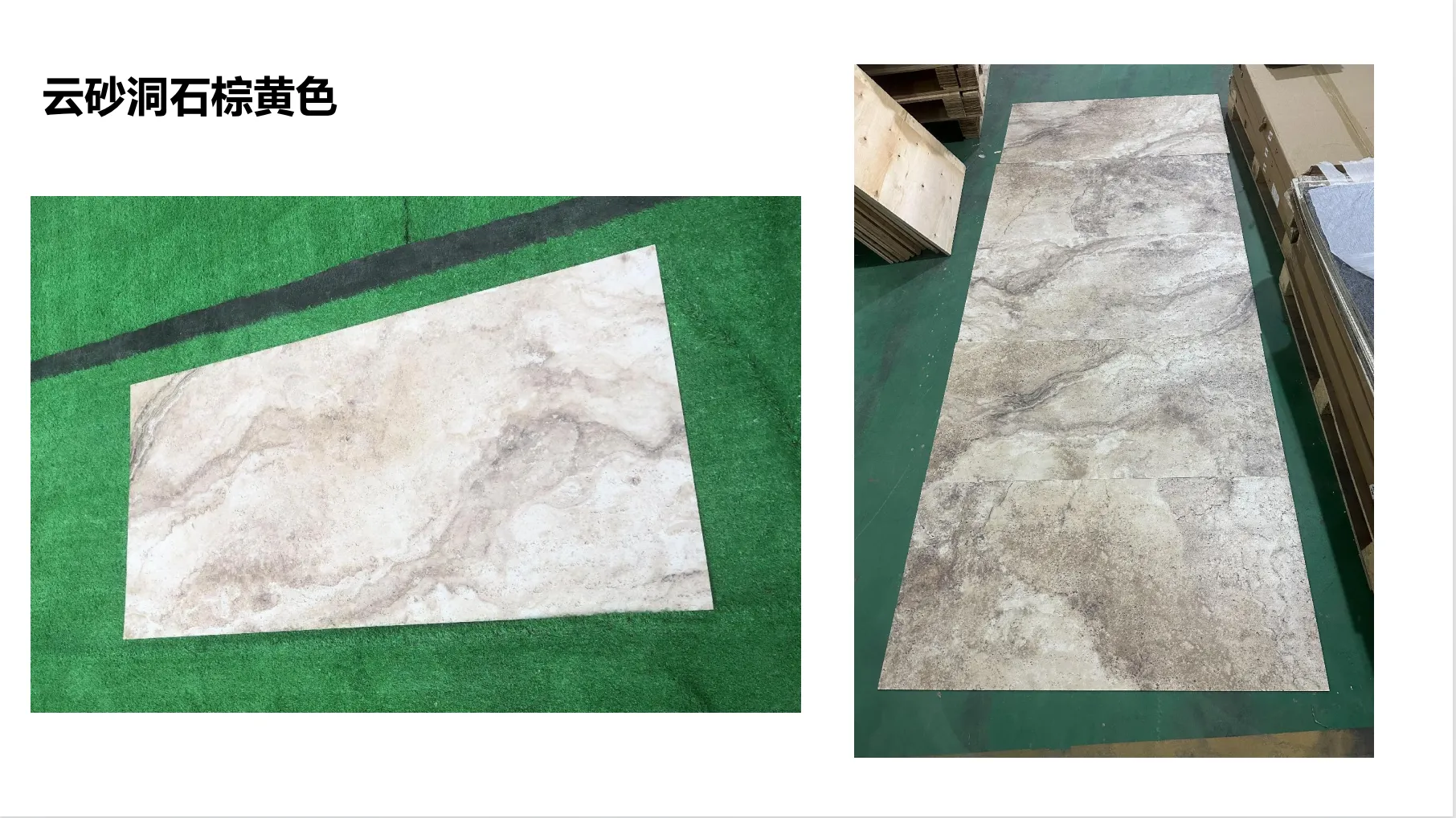
But what makes this particular stone stand out in a market flooded with options? Let's start by understanding what Dolomitic Travertine (Dark Grey) is. Part of the MCM project board series —a line known for blending natural inspiration with engineered durability—this material is a modern take on classic travertine. Unlike traditional travertine, which often leans light or beige, its dark grey hue is rich and moody, with subtle veining that mimics the organic patterns of natural stone. It's not just a "stone slab"; it's a design tool, one that balances sophistication with approachability, and it's quickly becoming a favorite among interior designers for retail spaces ranging from high-end boutiques to cozy cafes.
Retail design is about storytelling, and Dolomitic Travertine (Dark Grey) is a natural narrator. Its color alone sets the stage: dark grey is inherently versatile, able to shift from understated elegance in a luxury jewelry store to industrial chic in a streetwear shop. Unlike stark black, which can feel cold, or light beige, which risks looking generic, dark grey Dolomitic Travertine has warmth—thanks to the soft, earthy undertones in its veining. Run your hand over its surface, and you'll notice a texture that's tactile but not rough: a gentle grain that invites touch, making customers feel more connected to the space.
What truly makes this material shine, though, is its ability to play well with others. Pair it with wood grain board , for example, and you create a contrast that feels both rustic and refined. Imagine a clothing boutique where Dolomitic Travertine (Dark Grey) floors provide a sleek, neutral base, while wood grain accents on the walls add warmth and depth. The combination feels grounded yet elevated, like walking into a space that's been thoughtfully curated rather than just decorated. Or mix it with metallic fixtures—gold or brass—and suddenly the dark grey takes on a glamorous edge, perfect for a cosmetics or accessories store aiming to feel upscale without being intimidating.
Lighting also amplifies its beauty. In natural light, the stone's veining becomes more pronounced, creating subtle shadows that add depth to large surfaces like feature walls or checkout counters. Under warm, artificial lighting, it softens, casting a cozy glow that makes evening shoppers feel at ease. Even in high-traffic areas, where footprints or scuffs might be a concern, the dark grey hue hides minor imperfections, ensuring the space always looks polished—a small detail that makes a big difference in maintaining a store's professional appearance.
Retail spaces are workhorses. They see hundreds—sometimes thousands—of footsteps daily, spills from coffee cups or rain-soaked umbrellas, and the occasional scuff from rolling racks or heavy displays. A material that looks beautiful but can't keep up with this chaos is little more than a pretty liability. Dolomitic Travertine (Dark Grey), however, is built to last—and that's where its engineered roots (as part of the MCM project board series) come into play.
First, durability. Unlike natural travertine, which is porous and prone to staining, MCM's Dolomitic Travertine is reinforced with modern composites, making it resistant to scratches, water, and even chemical spills (think perfume, makeup, or cleaning products). This means store owners don't have to panic when a customer accidentally knocks over a latte; a quick wipe with a damp cloth is usually all it takes to keep the surface looking new. For high-traffic zones like entryways or fitting rooms, this resilience is a game-changer—no more constant repairs or unsightly wear and tear.
Maintenance is another win. Retail managers already have enough on their plates without adding "deep clean stone surfaces" to their to-do lists. Dolomitic Travertine (Dark Grey) requires minimal upkeep: regular sweeping or vacuuming to remove dust, and occasional mopping with a pH-neutral cleaner. No special sealants, no harsh chemicals, no expensive professional treatments. Compare that to materials like marble, which often needs annual sealing, or even some types of fair-faced concrete , which can stain if not sealed properly, and it's clear why this stone is a practical choice for busy stores.
Sustainability is also worth noting. In an era where customers care as much about a brand's values as its products, choosing eco-friendly materials matters. The MCM project board series prioritizes sustainability, using recycled materials in its production process and minimizing waste. Dolomitic Travertine (Dark Grey) is also lightweight compared to natural stone, reducing transportation emissions and making installation easier (and cheaper) for contractors. For retailers aiming to market themselves as environmentally conscious, this is more than a bonus—it's a selling point.
Of course, Dolomitic Travertine (Dark Grey) isn't the only player in the retail material game. Fair-faced concrete , for instance, has gained popularity for its raw, industrial look—think exposed aggregate and matte finishes that feel modern and edgy. But how do these two materials compare when it comes to retail interiors? Let's break it down:
| Aspect | Dolomitic Travertine (Dark Grey) | Fair-Faced Concrete |
|---|---|---|
| Aesthetic Flexibility | Warm, natural veining; pairs with wood, metal, and textiles. Suitable for luxury, rustic, or modern spaces. | Raw, industrial look; best for minimalist or edgy designs. Less versatile with soft textures. |
| Durability | Highly scratch and water-resistant; engineered for heavy foot traffic. | Strong but prone to staining if not sealed; may develop hairline cracks over time. |
| Maintenance | Low upkeep; simple cleaning with mild soap and water. | Requires periodic sealing; stains can be hard to remove once set. |
| Comfort | Warm to the touch; less slippery than polished concrete. | Can feel cold underfoot; more slippery when wet. |
| Sustainability | Recycled content in production; lightweight (lower transport emissions). | Requires significant energy to produce; heavy (higher installation carbon footprint). |
The takeaway? Fair-faced concrete has its place—especially for brands leaning into an industrial, no-frills vibe—but Dolomitic Travertine (Dark Grey) offers a rare balance of beauty, versatility, and practicality that's hard to match. It's a material that doesn't force you to choose between form and function; it delivers both.
To truly appreciate Dolomitic Travertine (Dark Grey), let's look at how it's been used in real retail spaces. Take "Lumina," a high-end eyewear boutique in downtown Chicago. The store's design team chose Dolomitic Travertine (Dark Grey) for the floor and checkout counter, pairing it with wood grain board walls and soft, warm lighting. The result? A space that feels luxurious but not sterile. Customers often comment on how "inviting" the store is—a far cry from the cold, clinical vibe of many optical shops. Sales associates report that customers linger longer, trying on more frames, simply because the environment feels comfortable.
Then there's "Terra," a plant and home goods store in Portland. Here, Dolomitic Travertine (Dark Grey) was used for the main display tables, where potted plants and ceramic vases sit. The stone's natural texture complements the organic shapes of the plants, while its durability stands up to water spills and soil messes. "We used to have wooden tables, and they'd warp or stain within months," says the store owner. "The travertine? It looks brand new a year later, even with daily watering and rearranging."
These examples highlight a key point: Dolomitic Travertine (Dark Grey) isn't just a material—it's an investment. It elevates the customer experience, reduces long-term maintenance costs, and aligns with the values of modern shoppers who crave both beauty and authenticity.
In the end, retail design is about creating spaces that don't just sell products—they sell feelings. A customer who feels comfortable, inspired, or even just "seen" in your store is more likely to become a loyal patron. Dolomitic Travertine (Dark Grey) helps you do that by blending the best of both worlds: the timeless beauty of natural stone and the reliability of modern engineering. It's a material that works as hard as you do, keeping your store looking its best even on the busiest days, while adding that intangible "wow" factor that turns first-time visitors into regulars.
So if you're reimagining your retail space—whether you're opening a new store or giving an existing one a refresh—don't overlook the power of materials. And when you're weighing your options, remember: Dolomitic Travertine (Dark Grey) isn't just a surface. It's a storyteller, a workhorse, and a design partner. It's the kind of choice that makes you proud to show off your space—and makes customers proud to shop there.
Recommend Products












