
When you think about your dream pool, what comes to mind? The sparkle of sunlight on water, the sound of laughter, maybe a tall glass of lemonade by the edge. But here's the thing: the area around your pool—the surround—shapes that entire experience more than you might realize. It's not just a functional space to walk on; it's the stage where your pool's beauty truly shines. And if there's one material that's been turning pool designs from "nice" to "unforgettable" lately, it's dolomitic travertine in dark grey. This isn't just stone—it's a balance of safety, style, and stories, all wrapped into one.
Let's dive in. Whether you're building a new pool or giving an old one a makeover, you've probably wondered: What material will keep my family safe, look amazing, and stand up to splashes, sun, and time? Dolomitic travertine (dark grey) might just be the answer. It's the kind of material that makes you stop and say, "Wow, this feels intentional"—like the pool was designed around it, not the other way around. And today, we're breaking down why it's become a go-to for designers and homeowners who refuse to compromise on either slip resistance or aesthetics.
First, let's get the basics straight. Travertine itself is a type of limestone formed by mineral-rich hot springs, known for its porous, pitted surface that feels almost alive with texture. But dolomitic travertine? It's a cousin with a twist. While regular travertine is mostly calcium carbonate, dolomitic travertine swaps some calcium for magnesium, giving it a denser, more durable structure. Think of it as travertine with a "tough guy" upgrade—still naturally beautiful, but built to handle the rough and tumble of outdoor life.
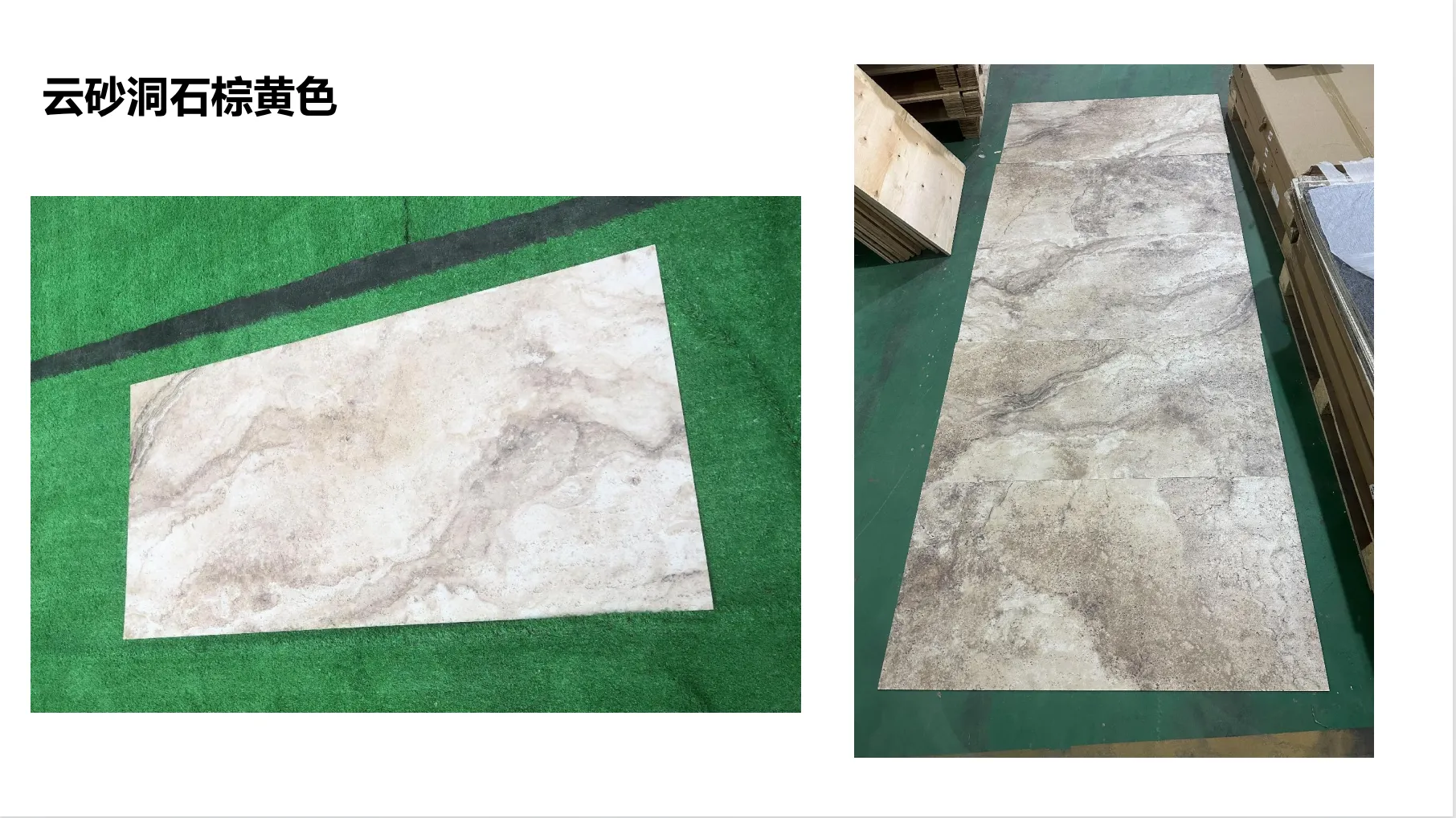
Now, the "dark grey" part? That's where the magic happens. This isn't a flat, boring grey. It's a depthful shade—sometimes with hints of charcoal, sometimes softening into warm taupe, depending on the light. It's the color of a stormy sky just before sunset, or wet pebbles on a quiet beach. It doesn't scream for attention, but it commands it, especially next to water. When the pool ripples, the dark grey stone seems to mirror the movement, creating this seamless flow between land and liquid. Designers love it because it's a chameleon: pair it with bright blue water, and it makes the pool pop; surround it with lush greenery, and it feels like a hidden oasis. Even against white walls or wooden decks, it adds that touch of understated elegance that says, "I know what I'm doing."
But here's the kicker: dolomitic travertine (dark grey) isn't just pretty—it's smart . Its unique composition and texture make it a standout choice for pool surrounds, where two things matter most: not slipping, and looking good while doing it.
Let's talk about the elephant in the room: slips and falls. According to the Consumer Product Safety Commission, over 200,000 people end up in the ER each year due to pool-related injuries, and a huge chunk of those are from slipping on wet surfaces. That's not just a statistic—that's a parent's worst fear, a homeowner's liability, and a designer's responsibility. So when we say "slip resistance," we're not talking about a nice-to-have feature; we're talking about peace of mind.
So how does dolomitic travertine (dark grey) stack up here? Let's start with texture. Run your hand over a slab, and you'll feel it immediately: tiny pits, grooves, and ridges that act like tiny grippers for your shoes (or bare feet). Those pores and imperfections? They're not flaws—they're friction factories. Even when the stone is wet (and let's be real, pool surrounds are always wet), that texture creates traction. It's like walking on a surface that "holds on" to you, instead of fighting against you.
To put it in perspective, let's compare it to polished concrete—a material that's trendy for its sleek, modern look. Polished concrete is smooth, shiny, and… slippery . When wet, it might as well be an ice rink. Dolomitic travertine, on the other hand, has a coefficient of friction (COF) that's off the charts for wet surfaces. COF measures how much "grip" a surface has, and while polished concrete might score a 0.4 (low), dolomitic travertine often hits 0.6 or higher—meaning it's 50% more slip-resistant. That's the difference between a nervous shuffle and a confident stride.
"I had a client once who insisted on marble for their pool surround because they loved the 'luxury' look," says Maria Gonzalez, a residential pool designer with 15 years of experience. "Six months later, their teenage son slipped and broke his wrist. We replaced it with dark grey dolomitic travertine, and now they joke that it's the 'best insurance policy' they ever bought. The texture is so secure, even their 80-year-old grandma walks around barefoot without a second thought."
And it's not just about avoiding accidents—it's about living without fear. Imagine hosting a pool party where kids are running, adults are carrying trays of drinks, and no one's tiptoeing like they're on eggshells. That's the freedom dolomitic travertine (dark grey) gives you. It turns "be careful!" into "have fun!"—and isn't that the point of a pool, anyway?
Okay, so it's safe. But let's be honest—you also want your pool to make your neighbors jealous. And here's the good news: dolomitic travertine (dark grey) doesn't just "not ruin" the look of your pool; it elevates it. This stone is proof that safety and beauty don't have to be enemies. In fact, they can be collaborators.
Let's start with color. Dark grey is a neutral, but it's a powerful neutral. It has this ability to make other colors pop without competing with them. Pair it with a bright blue pool, and the water looks bluer; add potted palms or red bougainvillea, and suddenly your garden feels like a tropical resort. Even against a white stucco house, dark grey travertine adds depth—like a shadow that makes the whole scene feel more three-dimensional. It's the reason designers call it a "grounding" color: it anchors the space, so your eye knows where to rest, but it never bores.
Then there's the texture. Unlike smooth stones that look "perfect" but feel cold, dolomitic travertine's pits and ridges tell a story. They're reminders of how the stone formed—slowly, over centuries, by the hand of nature. Run your fingers over it, and you'll feel every little indentation, like reading Braille from the earth. That texture adds visual interest, too. In the morning sun, the pits cast tiny shadows, making the stone look like it's moving. At dusk, when the light softens, it glows from within, almost like it's been lit from below. It's never just "grey stone"—it's a mood, changing with the time of day.
And here's where it gets really fun: dolomitic travertine (dark grey) plays well with others. Want to mix materials? Go for it. Pair it with wood grain board (there, we said it—another gem from the world of pool design) for a warm, organic vibe, or contrast it with fair-faced concrete for a modern, industrial edge. Some homeowners even use MCM flexible stone (a lightweight, flexible cladding) on nearby walls to echo the travertine's texture, creating a cohesive look that wraps around the entire pool area. The point is, dark grey dolomitic travertine isn't a one-trick pony. It's a team player, happy to be the star or support the star—whatever your design needs.
Picture this: a rectangular pool with clean lines, bordered by dark grey dolomitic travertine laid in a simple, straight pattern. The surround is wide enough for a few lounge chairs, and between the travertine slabs, there's a thin strip of wood grain board —warm, honey-colored, to soften the stone. The house behind has floor-to-ceiling windows, so the travertine flows right inside, blurring the line between indoor and outdoor. No fussy patterns, no bold colors—just the stone, the wood, the water, and the sky. It's minimalist, but it's rich , because the texture of the travertine does all the talking.
Whether your style is modern, rustic, tropical, or somewhere in between, dark grey dolomitic travertine fits. It's the kind of material that makes your pool feel like it belongs in a magazine, but still looks lived-in—like you actually use your pool, not just stare at it. And isn't that the best kind of aesthetic?
Let's get practical for a second. A pool surround isn't just about looks and safety—it has to last. It's going to get rained on, baked in the sun, splashed with chlorine, and stepped on by everyone from muddy kids to dogs shaking off water. So how does dolomitic travertine (dark grey) hold up? Spoiler: It's a trooper.
Remember that magnesium we talked about earlier? That's what gives dolomitic travertine its durability edge. It's denser than regular travertine, which means it's less porous and more resistant to scratches, stains, and cracks. Sunlight? It won't fade, even after years of UV exposure. Chlorine? A little splash here and there won't eat away at it (though you'll still want to rinse off any big spills, just to be safe). Freezing temperatures? No problem—unlike some stones that crack when water seeps in and expands, dolomitic travertine's density keeps it stable. It's the kind of material you can install and forget about, knowing it will look good in 10 years as it does today.
Maintenance? It's surprisingly low-key. Sweep off leaves, hose it down every now and then, and you're golden. For deeper cleaning, a little dish soap and a soft brush will do the trick—no harsh chemicals needed. And here's a pro tip: seal it once a year (maybe twice if you live in a super wet climate). Sealing fills in the pores just enough to prevent stains, but it won't clog the texture that gives it slip resistance. Think of it like putting sunscreen on your skin: it protects without changing how you look or feel.
Compare that to, say, marble. Marble is stunning, but it's soft—prone to etching from pool chemicals and scratches from patio furniture. Or polished concrete, which might look sleek but needs constant resealing and can still be slippery when wet. Dolomitic travertine (dark grey) is that rare material that says, "I can do it all"—durable, low-maintenance, safe, and beautiful. It's the kind of choice that makes you feel smart, not just stylish.
Okay, so you're sold. Now what? Installing dolomitic travertine (dark grey) isn't rocket science, but it does take a little know-how. Here's what you need to keep in mind to make sure your pool surround turns out as amazing as you imagine.
First, the subbase. This is the foundation under the stone, and it's non-negotiable. You'll need a layer of compacted gravel or sand to ensure drainage—no one wants water pooling under the stone, causing cracks or shifting. A good installer will also slope the surround slightly toward the pool (about 1/4 inch per foot) so water runs off, keeping the surface drier and safer. Trust us: skimping on the subbase is like building a house on sand—eventually, it will let you down.
Next, the pattern. Dolomitic travertine looks great in just about any layout, but some are more popular than others. Herringbone is classic, adding a touch of old-world charm. Straight-laid (like bricks) is clean and modern. For a more organic look, try a random pattern, where the stones are cut into different sizes and laidly. The key is to pick a pattern that matches your home's style. A modern house might lean straight-laid, while a cottage could rock herringbone.
Edge treatments matter, too. The edges of your surround—where the travertine meets the pool, the grass, or the patio—can be finished in a few ways. A bullnose edge (rounded) is soft and safe for kids, while a chiseled edge adds a rustic, "rough-hewn" vibe. Some homeowners even use linear travertine (claybank) (another keyword, you're welcome) as a border to add a pop of warm color against the dark grey. It's the little details like this that make the whole project feel intentional.
And finally, don't forget the joints. The space between the stones. Some people fill them with sand for a natural look, others with polymeric sand (which hardens when wet, preventing weeds). If you want to get fancy, you can even plant low-growing ground cover like thyme or moss in the joints, turning your surround into a living, breathing garden. Just make sure the joints are wide enough—about 1/4 to 1/2 inch—to allow for movement (stone expands and contracts with temperature, after all).
Pro tip: Hire a installer who's worked with travertine before. It's not that it's hard, but there's a learning curve to cutting the stone without chipping it and laying it evenly. A good installer will also know how to handle the weight—dolomitic travertine is denser than regular travertine, so it's a bit heavier. But trust us, the extra effort is worth it. When done right, your surround will look like it's been there forever, like the stone grew out of the ground just for your pool.
Let's be real: there are a lot of materials out there claiming to be "the best" for pool surrounds. So what makes dolomitic travertine (dark grey) different? Let's break it down.
First, the slip resistance vs. aesthetics balance. Most materials force you to choose: safe but ugly, or beautiful but risky. Dolomitic travertine says, "Why not both?" Its texture keeps you safe, and its color and pattern make you happy. It's like having a car that's both a race car and a minivan—practical and thrilling, all at once.
Second, the durability. This stone isn't just for show. It's built to handle the elements, which means it will look good for decades, not just years. It's the kind of investment that pays off every time you step outside and think, "This still looks amazing."
Third, the versatility. Whether you're going for modern, traditional, tropical, or industrial, dark grey dolomitic travertine fits. It's like a black t-shirt—you can dress it up or down, and it always works.
And finally, the "feel." There's something about natural stone that synthetic materials just can't replicate. It has warmth, history, and soul. When you walk on dolomitic travertine, you're walking on something that's been around longer than any human, and that connection to the earth? It matters. It makes your pool feel like more than just a backyard feature—it feels like a place with roots.
At the end of the day, your pool surround is about more than just stone. It's about the memories you'll make there: summer barbecues, early-morning swims, lazy afternoons with a book. It's about feeling safe, feeling proud, and feeling like your home is a reflection of who you are.
Dolomitic travertine (dark grey) gets that. It's not just a material—it's a partner in creating those memories. It's the kind of choice that makes you smile every time you walk out back, because you know you didn't compromise. You chose safety, you chose style, and you chose something that will stand the test of time.
So if you're ready to turn your pool from "good" to "great," give dark grey dolomitic travertine a second look. It might just be the missing piece that makes your dream pool feel like… well, home.
After all, the best pool surrounds aren't just built—they're lived in . And dolomitic travertine (dark grey)? It's ready to be lived in.
Recommend Products












