
Blending strength, safety, and soul for spaces that shape tomorrow's minds
Walk through any school, university, or technical institute, and you'll notice something profound: these spaces aren't just buildings. They're living, breathing environments where curiosity is sparked, friendships are forged, and futures are built. From the chatter of students rushing to class to the quiet focus of a library corner, every inch of an educational institution works overtime. That's why the materials chosen to construct these spaces matter—they don't just hold up walls; they support the chaos, creativity, and growth of thousands of young lives.
In recent years, architects and facility managers have started to rethink the "default" building materials for schools and universities. Gone are the days of prioritizing cost over quality, or blandness over beauty. Today, the focus is on materials that can keep up with the demands of high-traffic hallways, meet strict safety standards, and even inspire learning through their design. Enter dolomitic travertine (dark grey) —a natural stone that's quietly revolutionizing how we build educational spaces. Let's dive into why this material deserves a spot at the front of the classroom.
Let's start with the basics: educational buildings are tough places to live in. Think about it: hundreds (sometimes thousands) of students, teachers, and staff moving through corridors daily. Backpacks scrape walls, chairs scratch floors, science labs spill chemicals, and outdoor areas face rain, snow, and harsh sunlight. Add to that the need for spaces to be safe (no toxic fumes, slip hazards, or weak structures), sustainable (schools are increasingly prioritizing green goals), and adaptable (classrooms today might become makerspaces tomorrow), and you've got a tall order for any building material.
Traditional choices like generic concrete or vinyl flooring often fall short. Concrete can crack under heavy use, vinyl off-gasses harmful chemicals, and both lack the warmth that makes a school feel welcoming. That's where dolomitic travertine (dark grey) steps in—it's not just a material; it's a long-term investment in the health, safety, and happiness of everyone who uses the space.
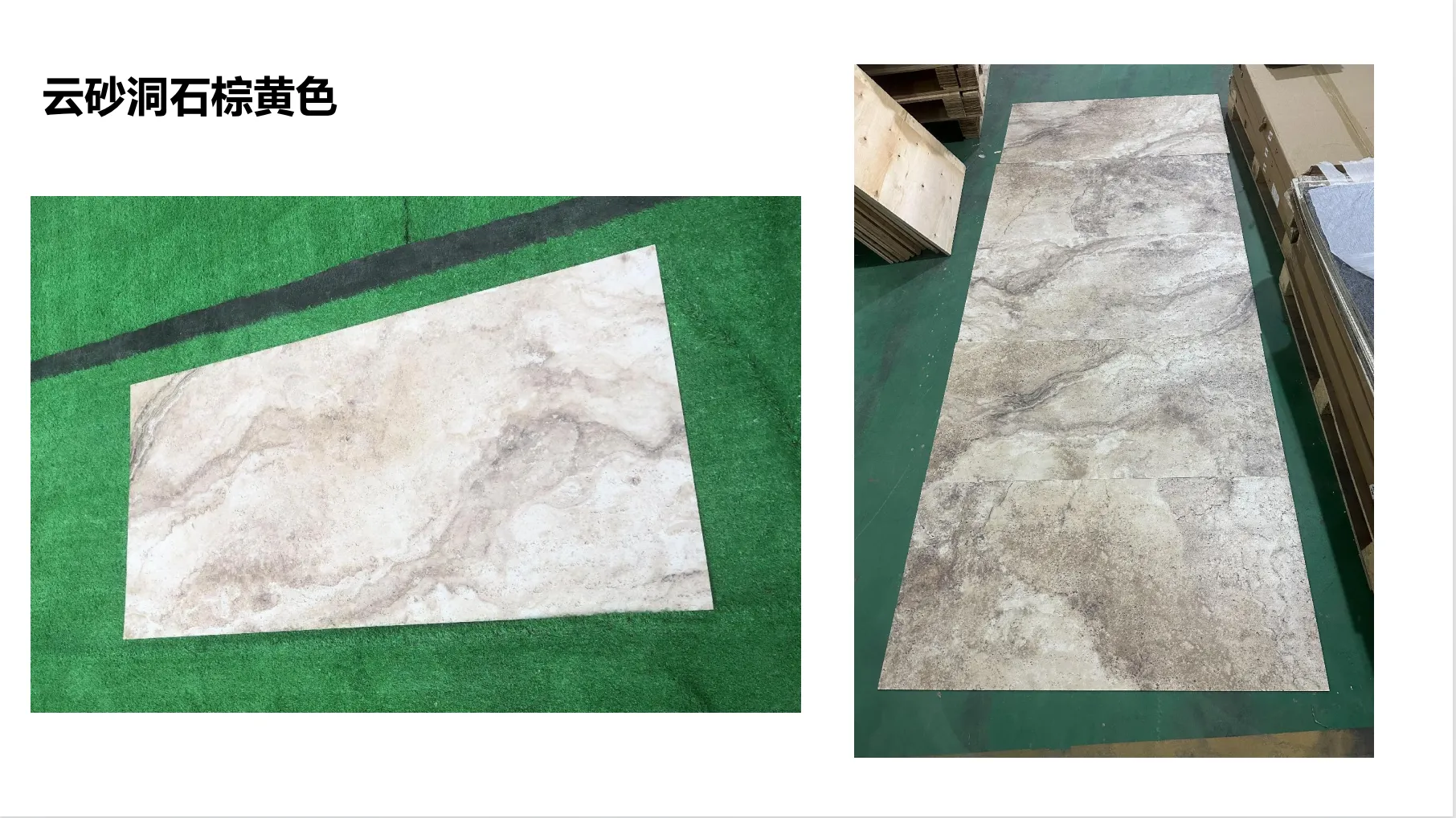
First, let's clarify what we're talking about. Travertine is a natural stone formed from mineral-rich hot springs, known for its unique porous texture and earthy tones. Dolomitic travertine, specifically, gets its name from its high dolomite content—a mineral that adds extra strength and durability compared to standard travertine. And the "dark grey" variant? That's where the magic happens for educational design.
Dark grey might not sound flashy, but in a school setting, it's a superhero. Light-colored materials show every scuff, stain, and fingerprint—imagine a white hallway after a week of elementary school art classes. Dark grey dolomitic travertine, on the other hand, hides daily wear and tear like a pro. A spilled juice box? A scuff from a rolling backpack? They fade into the stone's subtle, neutral backdrop, keeping spaces looking clean and put-together for years. But it's not just about hiding flaws—this shade is surprisingly versatile. Pair it with bright accent walls in a kindergarten, warm wood tones in a university lecture hall, or sleek metal fixtures in a modern tech lab, and it adapts effortlessly. It's the chameleon of building materials, letting the school's unique personality shine through without stealing the show.
Dolomitic travertine isn't just pretty—it's built to last. The dolomite mineral in its composition creates a denser, harder surface than regular travertine, making it resistant to cracks, chips, and scratches. Think of it as the stone equivalent of a well-made hiking boot: tough on the outside, reliable no matter the terrain. This density also means it can handle heavy foot traffic without wearing thin, which is crucial for corridors, auditoriums, and cafeteria floors that see constant use.
Let's talk numbers (but don't worry, we'll keep it painless). Educational buildings are designed to last 50+ years, but their materials often need replacement much sooner. Vinyl flooring might last 10 years, carpet 5-7, and even standard concrete can start showing cracks in 15. Dolomitic travertine (dark grey)? With proper care, it can last decades —even a century in some cases. How? Let's break down its superpowers:
In short, this stone isn't just durable—it's future-proof . For schools working with tight budgets, that means fewer replacements, lower maintenance costs, and more money to invest in what really matters: books, teachers, and student programs.
If durability is the body of dolomitic travertine (dark grey), safety is its heart. When it comes to schools, no compromise is acceptable—materials must be non-toxic, slip-resistant, and fire-safe. Let's check the boxes:
Many synthetic building materials release volatile organic compounds (VOCs) over time—chemicals that can cause headaches, allergies, and long-term health issues. Dolomitic travertine? It's 100% natural, with zero VOCs. No off-gassing, no harmful fumes, just fresh air. That's a big win for classrooms, where air quality directly impacts student focus and health.
Wet floors are a hazard anywhere, but in a school with kids running to lunch? Disaster waiting to happen. Dolomitic travertine's porous texture (even when sealed) provides natural traction, reducing slip-and-fall risks. Unlike glossy tiles, which become icy when wet, this stone stays grippy—perfect for rainy days or spilled water fountains.
Building codes for schools require materials with high fire resistance, and dolomitic travertine delivers. It doesn't burn, melt, or release toxic smoke when exposed to flames, giving students and staff precious extra time to evacuate in an emergency.
Still not convinced? Let's put dolomitic travertine (dark grey) head-to-head with two other common materials in educational design: fair-faced concrete and foamed aluminium alloy board (vintage silver) . We'll rate them on durability, safety, aesthetics, and long-term value.
| Material | Durability (1-10) | Safety (1-10) | Aesthetics (1-10) | Long-Term Value |
|---|---|---|---|---|
| Dolomitic Travertine (Dark Grey) | 9 | 10 | 9 | Highest—low maintenance, 50+ year lifespan |
| Fair-Faced Concrete | 7 | 8 | 6 | Moderate—prone to cracking, needs sealing every 5 years |
| Foamed Aluminium Alloy Board (Vintage Silver) | 8 | 9 | 8 | Moderate—lightweight but can dent; expensive to replace |
The verdict? Dolomitic travertine (dark grey) outperforms in nearly every category, especially long-term value. While it might have a higher upfront cost than concrete or aluminium, its minimal maintenance and decades-long lifespan make it the most cost-effective choice over time.
Okay, so it's durable and safe—but does it inspire ? Absolutely. Educational design isn't just about function; it's about creating spaces that make students want to be there. Dolomitic travertine (dark grey) does that in spades, thanks to its natural beauty and versatility.
Whether the school is a historic brick building or a sleek, glass-walled modern campus, dark grey dolomitic travertine fits right in. In traditional settings, it complements wooden beams and stone archways, adding a touch of timeless elegance. In modern spaces, it pairs with steel and glass for a minimalist, industrial-chic look. Even in playful environments like elementary schools, it acts as a neutral backdrop for colorful murals and furniture, letting the kids' creativity take center stage.
For schools looking to mix materials, MCM flexible stone is a dream team with dolomitic travertine. MCM (Modified Composite Material) is lightweight, flexible, and comes in a range of textures—perfect for accent walls, ceilings, or curved surfaces where heavy stone might not work. Imagine a hallway with dolomitic travertine floors and MCM flexible stone walls in a warm beige; it's cohesive, inviting, and adds depth without overwhelming the space. Together, they create a design that's both durable and dynamic.
Today's students care deeply about sustainability—and so do their schools. Campuses are racing to become carbon-neutral, reduce waste, and use eco-friendly materials. Dolomitic travertine (dark grey) checks all these boxes:
In fact, many schools using dolomitic travertine have earned LEED or BREEAM certifications, thanks to its sustainability credentials. It's not just a building material—it's a statement that the school cares about the future, both for its students and the planet.
Don't just take our word for it—let's look at some real schools that swapped ordinary materials for dolomitic travertine (dark grey) and never looked back.
In 2019, Maplewood High renovated its 50-year-old building, replacing cracked concrete floors with dolomitic travertine (dark grey) in corridors and the auditorium. Five years later, the floors still look brand-new, even with 1,200 students rushing through daily. "We used to resurface the auditorium floor every 3 years," says facilities manager Mark Torres. "Now? We just sweep and mop. It's been a game-changer for our budget."
Riverside wanted a safe, non-toxic material for its kindergarten classrooms. They chose dolomitic travertine (dark grey) for floors and MCM flexible stone for accent walls. "Kids spill milk, paint, you name it," says principal Lisa Wong. "The stone cleans up easily, and we love that it's natural—no weird smells or chemicals. Plus, the dark grey hides the mess, so parents never think we're slacking on cleaning!"
Educational institutions are more than brick and mortar—they're investments in our future. The materials we choose to build them with send a message: Do we value these spaces, and the students in them, enough to give them the best? Dolomitic travertine (dark grey) answers that question with a resounding "yes." It's durable enough to keep up with chaos, safe enough to protect our kids, beautiful enough to inspire, and sustainable enough to respect our planet.
So the next time you walk through a school, take a look at the floors and walls. Are they just materials, or are they partners in learning? With dolomitic travertine (dark grey), they can be the latter—strong, safe, and ready to support the next generation of dreamers, thinkers, and doers. And isn't that what education is all about?
Recommend Products












