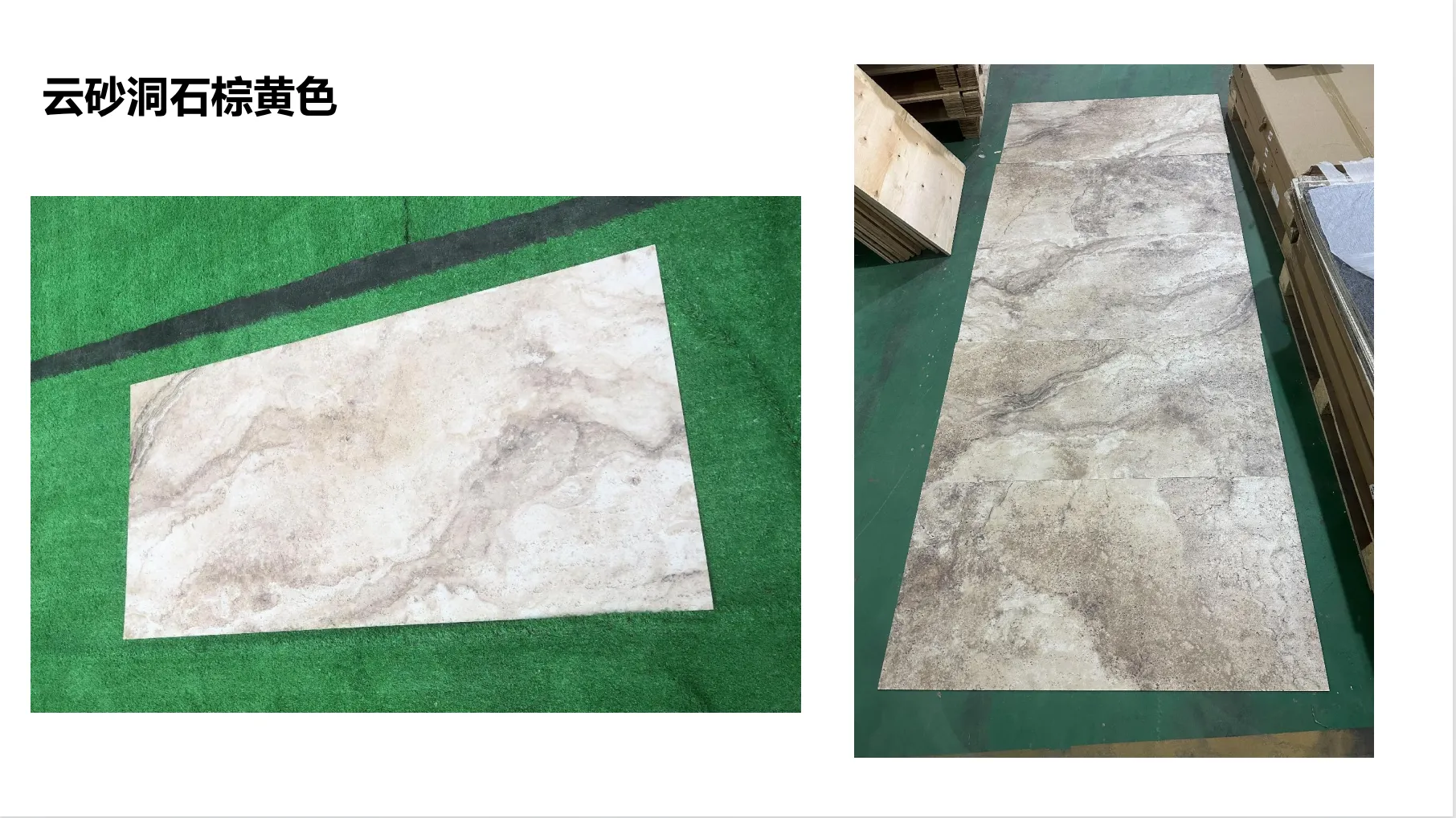
If strength is about toughness, porosity is about balance—how well a stone "breathes" (lets moisture vapor pass through) versus how vulnerable it is to water damage.
Travertine is famous for its porosity; those tiny holes we mentioned earlier? They're nature's way of leaving room for gases to escape during formation. But
dolomitic travertine (dark grey) plays by slightly different rules, and that's a good thing.
What Porosity Means for You
Porosity is measured by how much of the stone's volume is made up of pores. Standard
travertine can have porosity levels as high as 15-20%, which makes it great for "breathable" applications (like old-world building facades, where moisture needs to escape to prevent mold) but not so great for areas prone to spills (think kitchen countertops or bathroom floors).
Dolomitic travertine (dark grey), thanks to its dolomite content, dials that down to around 8-12%. That's still porous enough to let the stone "breathe"—important for preventing trapped moisture from weakening the material over time—but not so porous that it soaks up liquids like a sponge.
Let's put this in practical terms: Spill a glass of red wine on an unsealed standard
travertine floor, and you'll likely have a stain within minutes as the liquid seeps into those pores. Do the same on
dolomitic travertine (dark grey), and you'll have a little more time to wipe it up—maybe 10-15 minutes—before it starts to set. Seal it properly, and you'll extend that window even further, making maintenance a breeze.
Compare this to "
fair-faced concrete," a material often lauded for its industrial-chic look and low porosity (usually under 5%).
Fair-faced concrete is super dense, which makes it resistant to moisture, but it lacks the organic texture and breathability of
dolomitic travertine. For spaces where you want that natural, tactile feel but don't want to stress over every spill,
dolomitic travertine (dark grey) hits the sweet spot—porous enough to keep the stone healthy, but not so porous that it becomes high-maintenance.
Why "Breathability" Matters
In humid climates or areas with temperature fluctuations (like a bathroom with hot showers or an outdoor patio in a rainy region), trapped moisture can be a stone's worst enemy. It can lead to efflorescence (those white, powdery deposits on the surface), mold, or even structural damage over time.
Dolomitic travertine (dark grey)'s moderate porosity lets moisture vapor escape, keeping the stone dry and intact. This is why it's a favorite for outdoor cladding—imagine a hotel pool deck in Miami, where the stone is exposed to rain, humidity, and chlorine. A less breathable material might trap that moisture, but
dolomitic travertine (dark grey) lets it evaporate, ensuring the stone stays looking fresh for years.