
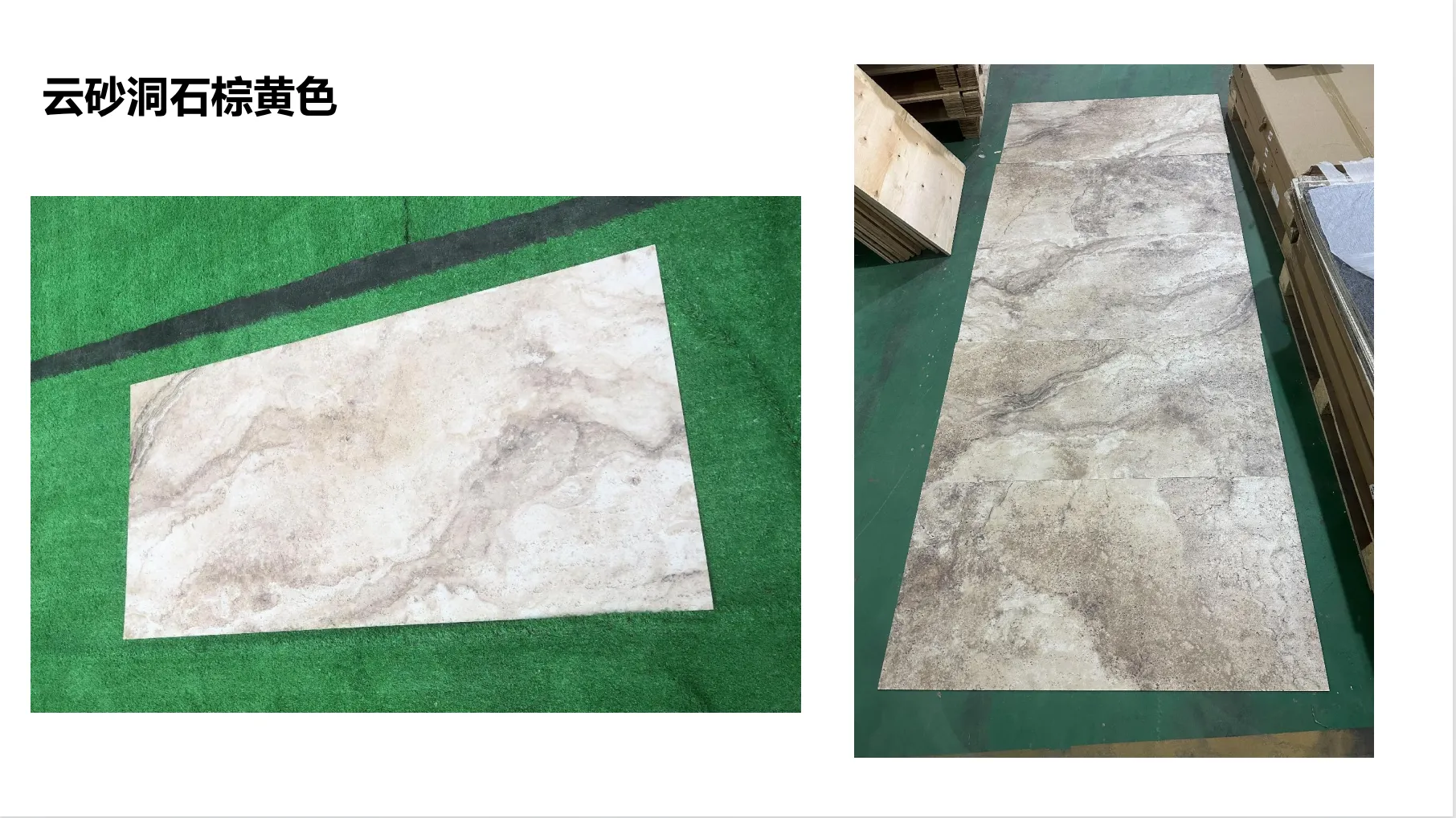
There's a moment when you first lay eyes on Dolomitic Travertine (Dark Grey) that feels almost like meeting an old friend—familiar yet full of surprises. Its deep, moody tones, veined with subtle hints of silver and charcoal, add a touch of understated luxury to any space, whether it's a kitchen backsplash, a bathroom floor, or a commercial lobby wall. But here's the thing about this stone: like any beauty with depth, it needs a little care to keep shining. Stains, those uninvited guests, can quickly dim its luster if you're not prepared. Let's talk about how to keep your dolomitic travertine (dark grey) looking as striking as the day it was installed—starting with understanding why it stains, how to stop stains before they start, and what to do when life (inevitably) leaves its mark.
Before we dive into stains, let's get to know the star of the show. Travertine itself is a type of limestone formed by mineral-rich water flowing through hot springs, leaving behind layers of calcium carbonate. Over time, these layers build up, creating the stone's signature porous texture—those tiny holes and channels that give it so much character. Now, dolomitic travertine is a variation where some of that calcium carbonate is replaced by dolomite, a mineral that adds extra hardness and density. The dark grey variety? It's like travertine's sophisticated older sibling, with a denser structure than its lighter counterparts but still retaining that classic travertine charm.
You'll find it in high-end homes, boutique hotels, and even trendy cafes, paired with everything from sleek fair-faced concrete floors to warm wood grain board accents. Its versatility is part of its appeal, but that porosity? That's where the stain challenge comes in. Think of it like a sponge—if you leave a liquid sitting, it will start to seep in. But don't worry, with the right know-how, you can turn that sponge into something more like a well-protected shield.
Let's keep this simple: dolomitic travertine (dark grey) stains because of its pores. Even though dolomite makes it harder than standard travertine, those tiny holes are still there, and they love to trap liquids, oils, and pigments. Unlike marble , which is often polished to a high shine that can hide some porosity, travertine's natural texture means those pores are more exposed. And here's the kicker: dark grey stone can actually make stains more noticeable, especially lighter spills like coffee or wine, which show up as discolored spots against the dark background.
To put it in perspective, let's compare it to a few other popular materials you might have in your home:
| Material | Porosity Level | Stain Resistance | Maintenance Needs |
|---|---|---|---|
| Dolomitic Travertine (Dark Grey) | Moderate | Medium (with sealing) | Regular sealing, gentle cleaning |
| Standard Travertine (Beige) | High | Low (without sealing) | Frequent sealing, careful spills |
| Marble | Low to Moderate | Medium (prone to etching) | Sealing, avoid acidic cleaners |
| Fair-Faced Concrete | Low (when sealed) | High (with proper treatment) | Occasional sealing, durable |
See? Dolomitic travertine (dark grey) isn't the most high-maintenance, but it's no fair-faced concrete either. The key is to treat it like the special material it is—with a little extra attention.
Here's the golden rule: It's easier to prevent a stain than to remove one . Think of it like skincare—consistent daily habits keep your stone looking fresh, while neglect leads to problems down the line. Let's break down the basics.
Sealing is non-negotiable. A good sealer acts like a barrier, filling in those pores and repelling liquids so they bead up instead of soaking in. For dolomitic travertine (dark grey), opt for a penetrating sealer (also called an impregnator) rather than a topical sealer. Penetrating sealers soak into the stone, creating a protective layer from within, while topical sealers sit on top and can wear off unevenly, leaving a dull patch. Look for a sealer labeled "for natural stone" or specifically for travertine—avoid generic tile sealers, which might not be strong enough.
How often should you seal? It depends on use. In high-traffic areas like kitchen countertops or entryways, plan to reseal every 6–12 months. For lower-traffic spots like a bathroom wall, every 1–2 years should do. To test if it's time: splash a little water on the stone. If it beads up, you're good. If it soaks in within 5–10 minutes, grab the sealer.
We've all been guilty of it: you spill a glass of red wine, think "I'll clean that later," and then get distracted by a phone call or a Netflix episode. By the time you remember, the wine has already started to seep. For dolomitic travertine, "later" is too late. The rule is: blot, don't rub , and do it immediately. Grab a clean, dry cloth (microfiber works best) and press firmly to soak up the liquid. Rubbing will only push the spill deeper into the pores. If it's an oil-based spill (like olive oil or makeup), sprinkle a little baking soda or cornstarch first to absorb the oil, then blot after 10–15 minutes.
Coasters aren't just for grandmas—they're your stone's best friend. Get into the habit of using them for everything: coffee mugs, wine glasses, vases, even that fancy candle you love. And not just any coasters—opt for ones with a non-slip, non-scratch bottom to avoid scratching the stone. Bonus points if they match your wood grain board decor—function and style, together at last.
Forget the harsh stuff—bleach, ammonia, vinegar, and citrus-based cleaners are travertine's worst enemies. They can etch the surface (leaving dull marks) or break down the sealer, making stains more likely. Instead, stick to pH-neutral stone cleaners or a simple mix of warm water and a drop of mild dish soap (the kind you'd use on delicate dishes). For daily cleaning, a damp microfiber cloth is usually enough—no need for heavy scrubbing.
Okay, so you slipped up. Maybe you left a coffee cup without a coaster, or the kids spilled juice on the floor. Don't panic—most stains can be removed with a little patience and the right approach. Let's break down common stains and how to tackle them.
These are the classics, and they're usually water-based, which is good news—water-based stains are easier to remove than oil-based ones. Start by blotting up as much liquid as possible with a dry cloth. Then, mix a paste of baking soda and water (about 2:1 ratio) and spread it over the stain, covering it completely. Cover the paste with plastic wrap and let it sit overnight—this gives the baking soda time to draw the stain out. In the morning, wipe away the paste with a damp cloth and dry the area. If the stain is still there, repeat the process or try a hydrogen peroxide solution (3% concentration) instead of water—test it on a hidden spot first to make sure it doesn't lighten the stone.
Oil stains are trickier because they repel water, so plain soap and water won't cut it. Blot first (don't rub!), then cover the stain with a layer of cornstarch, talcum powder, or even kitty litter—these absorbents will pull the oil out of the stone. Let it sit for 4–6 hours (or overnight for tough stains), then vacuum it up. Next, make a paste with dish soap (the mild kind) and baking soda, apply it to the stain, and let it sit for 1–2 hours. Wipe away with a damp cloth and repeat if needed. For really stubborn oil stains, you might need a commercial stone poultice (available at hardware stores), which is designed to draw out deep-set oils.
Ink stains are the sneakiest because they can set quickly. For fresh ink, blot with a dry cloth, then apply rubbing alcohol (isopropyl alcohol) to a cotton ball and gently dab the stain—don't rub, as this will spread the ink. For older stains, try a paste of baking soda and hydrogen peroxide (3%), let it sit overnight, then wipe clean. If that doesn't work, a commercial ink remover for stone might be necessary—just follow the instructions carefully.
If you've tried the above methods and the stain is still there, or if the stone looks etched (dull, lighter spots), it's time to call a professional stone restorer. They have specialized tools and chemicals to tackle deep stains and can even hone or polish the stone to remove etching. It might cost a little, but it's better than living with a permanent mark on your beautiful dolomitic travertine.
Stain prevention and removal are part of the puzzle, but long-term care is what keeps your dolomitic travertine (dark grey) looking stunning for years. Here's how to make it last:
Daily: Wipe up spills immediately. Weekly: Clean with a pH-neutral stone cleaner and a soft mop or cloth. Monthly: Check for signs that the sealer is wearing thin (water not beading) and plan to reseal if needed. It's simple, but consistency is key.
Scratches can weaken the stone's surface, making it more prone to staining. Use felt pads under furniture legs, avoid dragging heavy objects across the floor, and keep pet nails trimmed. If you do get a small scratch, a stone polish (specifically for travertine) might help minimize its appearance.
If you're designing a space with dolomitic travertine (dark grey), consider pairing it with materials that are naturally stain-resistant to reduce overall maintenance stress. MCM flexible stone , for example, is a lightweight, durable option that mimics the look of natural stone but with added stain resistance—great for high-traffic areas like backsplashes or accent walls. Wood grain board adds warmth but is also easy to clean with a damp cloth, making it a perfect partner for your travertine floors or countertops.
Dolomitic travertine (dark grey) isn't just a building material—it's a statement. It brings depth, texture, and a touch of nature into your space, and with a little care, it will do so for decades. Stains might seem scary at first, but armed with the right prevention tips, removal tricks, and maintenance habits, you can keep that dark grey beauty looking as fresh as the day it was installed.
Remember: a spill isn't the end of the world, but a little proactive care goes a long way. So go ahead, enjoy your morning coffee on that travertine countertop (with a coaster, of course), host dinner parties with red wine, and let your dolomitic travertine shine. After all, the best spaces are the ones we live in—and with the right care, yours will be both beautiful and lived-in, in the best possible way.
Recommend Products












