
Choosing the right natural stone for your space can feel like solving a puzzle—one where beauty, function, and personality all need to fit together. Recently, I found myself in that exact spot while helping a friend redesign her living room. She wanted something that felt both timeless and modern, a material that could stand up to daily life but still make guests pause and say, "Wow, what is that?" As we sifted through samples, two contenders kept rising to the top: dolomitic travertine (dark grey) and alabaster. On the surface, they might seem like distant cousins—both stones, both elegant—but dig deeper, and their differences in translucency and aesthetics are as distinct as night and day. Let's unpack what makes each unique, and how to decide which one deserves a spot in your next project.
Before we dive into their translucency and looks, let's start with the basics: what *are* these materials, anyway? Understanding their origins and composition helps make sense of why they behave (and look) the way they do.
Travertine itself is a type of limestone formed from mineral-rich spring water, known for its porous texture and warm, organic feel. But dolomitic travertine? It's a bit of a (upgrade, for those who don't speak renovation lingo). It gets its name from dolomite, a mineral that replaces some of the calcite in traditional travertine, making it denser and more durable. Think of it as travertine with a gym membership—still has that natural charm, but with extra strength.
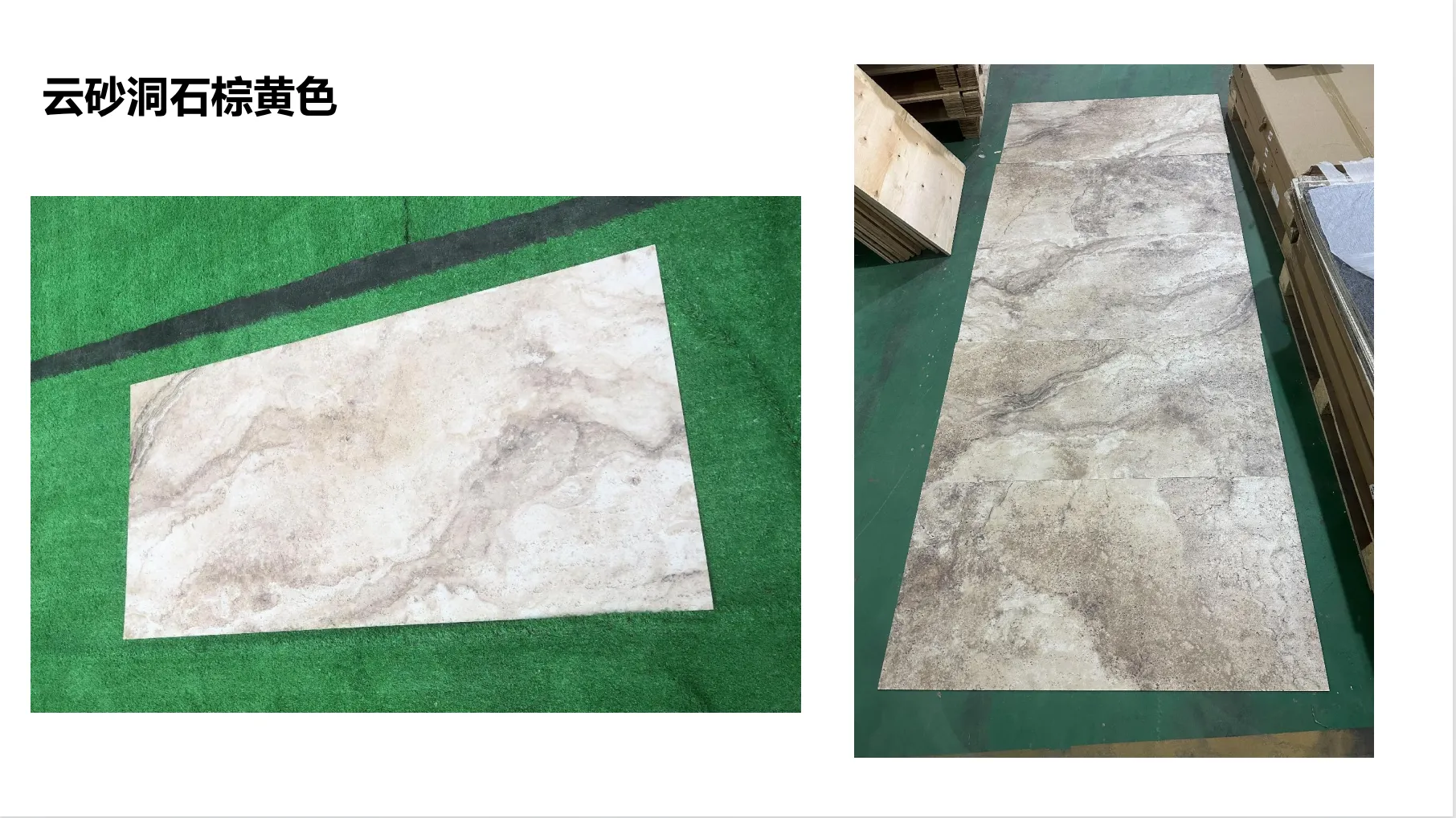
The "dark grey" variant is where things get moody and sophisticated. Unlike the creamy beiges or soft whites of classic travertine, this one leans into deep, smoky tones—think storm clouds at dusk, or wet pebbles on a riverbed. Its surface is a study in contrasts: smooth enough to run your hand over, but with subtle pits and grooves that tell the story of its formation. Run your finger across it, and you might notice tiny fossilized bubbles or mineral deposits, little time capsules from the springs where it was born.
And here's where it ties into some of the innovative materials shaping modern design: dolomitic travertine (dark grey) often gets paired with products like mcm flexible stone for large-scale installations. That flexibility means it can wrap around curves, cover accent walls, or even be used in custom furniture—all without losing its structural integrity. It's a material that bridges the gap between old-world stone and new-world adaptability.
If dolomitic travertine (dark grey) is the grounded, earthy type, alabaster is the airy, light-filled dreamer. This stone has been cherished for centuries—think ancient Egyptian sarcophagi, medieval church windows, or Renaissance sculptures—for one standout quality: its translucency. Hold a thin piece up to the light, and it glows from within, like a lantern made of stone.
Alabaster is a form of gypsum, a soft mineral that's much more delicate than travertine. Its color palette is typically pale—ivory, cream, or soft pink—with veining that ranges from wispy clouds to bold strokes. Unlike dolomitic travertine's porous texture, alabaster is often polished to a smooth, almost glass-like finish, which enhances its ability to transmit light. But don't let its softness fool you: while it's not ideal for high-traffic floors, it's perfect for statement pieces where light is the star—think pendant lights, fireplace surrounds, or accent walls in rooms with plenty of natural light.
Now, let's talk about the main event: translucency. This isn't just a fancy word for "see-through"—it's how a material interacts with light, and it can make or break the mood of a space. Dolomitic travertine (dark grey) and alabaster handle light in such different ways that they might as well be performing in two separate plays.
Dolomitic travertine (dark grey) is not known for translucency—and that's not a flaw; it's a feature. Its dense, dark surface absorbs light rather than transmitting it, which creates a rich, moody atmosphere. Imagine walking into a room with a feature wall clad in this stone: during the day, sunlight hitting it will bounce off the pits and grooves, casting soft, dappled shadows that shift as the sun moves. At night, under warm overhead lights, it takes on a velvety quality, like a dark canvas that makes other elements—art, furniture, even plants—pop with color.
This lack of translucency also makes it incredibly versatile. Unlike alabaster, which needs careful lighting to shine, dolomitic travertine (dark grey) works in spaces with bright, harsh light (like a sunlit kitchen) or dim, cozy corners (like a reading nook). It doesn't demand attention; it *frames* attention. I once saw it used in a restaurant where the walls were clad in large slabs of dark grey dolomitic travertine, paired with wood grain board accents and warm pendant lights. The effect? Intimate, sophisticated, and totally unforgettable—like dining in a cave that someone turned into a five-star bistro.
Alabaster, on the other hand, is all about light transmission. Even a thin slab (think 1-2 inches thick) will let light pass through, creating a soft, diffused glow that feels almost otherworldly. I visited a home once where the homeowner had installed an alabaster backsplash in their kitchen. When the under-cabinet lights turned on, the entire backsplash lit up, turning the counter into a stage for chopping veggies and the room into a warm, inviting space—even at 7 a.m. on a rainy Monday.
But here's the catch: alabaster's translucency is sensitive to thickness and finish. A thicker slab will let less light through, creating a more subtle glow, while a thinner one can almost look like frosted glass. And if it's left unpolished (which is rare), the rough surface scatters light, making the translucency less pronounced. This means it's a material that needs to be paired with intentional lighting—think recessed LEDs behind a slab, or a skylight above—to truly shine. Without that, it might just look like a plain white stone, and you'd be missing out on its best trick.
| Feature | Dolomitic Travertine (Dark Grey) | Alabaster |
|---|---|---|
| Translucency | Low (absorbs light, creates shadows) | High (transmits light, glows when backlit) |
| Color Palette | Deep, smoky greys, with subtle mineral veining | Pale ivories, creams, soft pinks, with wispy veining |
| Texture | Porous, with natural pits and grooves; can be honed or polished | Smooth, often polished; soft to the touch |
| Best For | Floors, walls, countertops, outdoor spaces (with sealing) | Light fixtures, accent walls, fireplace surrounds, decorative objects |
Translucency is just one piece of the puzzle; aesthetics—how a material makes you *feel*—is the other. Dolomitic travertine (dark grey) and alabaster each bring a distinct vibe to a space, and choosing between them often comes down to the mood you want to create.
Dolomitic travertine (dark grey) is the epitome of "rugged sophistication." It's not fussy, but it's undeniably luxurious. Its texture—those natural pits and grooves—adds depth and character, making it feel less like a "perfect" material and more like a living, breathing part of the earth. This is a stone that tells a story: of mineral-rich springs, of time slowly shaping rock into something beautiful.
In terms of color, its dark grey base pairs surprisingly well with a range of styles. In a modern home, it complements fair-faced concrete and metal accents, creating an industrial-chic look that's still warm. In a traditional space, it adds a contemporary edge to wood furniture and classic art. I recently worked with a client who used it in their bathroom shower walls: paired with white subway tiles and black fixtures, it felt both timeless and on-trend, like a spa retreat in the middle of the city.
One of the things I love most about this stone is its versatility in finishes. A honed finish (matte, smooth) emphasizes its natural texture, while a polished finish creates a sleek, almost metallic sheen that reflects light in unexpected ways. Even better, it's available in large slabs thanks to innovations like mcm flexible stone , so you can create seamless walls or countertops with minimal grout lines—perfect for a clean, modern look.
Alabaster, by contrast, is all about softness and romance. Its pale color and translucency make spaces feel larger and airier, which is why it's a favorite in small rooms or areas with limited natural light. Imagine a bedroom with an alabaster accent wall behind the bed: in the morning, sunlight filtering through windows would turn the wall into a soft, glowing backdrop, making waking up feel like stepping into a cloud.
Its texture is smooth and cool to the touch, with veining that looks like watercolor paintings frozen in stone. No two pieces are alike—some have bold, dark veins that look like lightning strikes, while others have such delicate veining they're almost invisible. This uniqueness makes it a statement material, but it's also surprisingly calming. I visited a yoga studio once that used alabaster for the front desk, and there was something about the way light passed through it that instantly lowered my heart rate—it was like the stone itself was breathing.
Alabaster's aesthetic leans more toward traditional or bohemian styles, but it can work in modern spaces too—think a minimalist living room with an alabaster fireplace surround, paired with a wood grain board floor for warmth. The key is to balance its softness with more structured elements; otherwise, a room might feel too ethereal, like it's floating away.
Of course, beauty isn't everything—you also need to think about durability, maintenance, and where the material will be used. Let's break down the practical side of things.
Dolomitic travertine (dark grey) wins hands down here. Thanks to its dolomite content, it's harder and more resistant to scratches, stains, and water than traditional travertine. That makes it suitable for high-traffic areas like floors, kitchen countertops, or even outdoor patios (with proper sealing). I've seen it used in commercial spaces like hotels and restaurants, where it stands up to daily foot traffic and spills without losing its luster.
Alabaster, on the other hand, is soft and porous—it scratches easily and can be damaged by water or harsh chemicals. It's best suited for low-traffic, indoor areas: think accent walls, decorative objects, or light fixtures. If you're set on using it in a bathroom or kitchen, stick to small, decorative pieces (like a soap dish or a backsplash tile) and avoid areas where it will come into contact with water or heavy use.
Dolomitic travertine (dark grey) requires regular sealing (every 1-2 years, depending on use) to prevent stains, but otherwise, it's low-maintenance. Wipe up spills quickly, clean with a mild soap and water, and avoid acidic cleaners (like vinegar) that can etch the surface. Its dark color also hides dust and minor scratches better than lighter stones—a bonus for busy households.
Alabaster needs more TLC. It's porous, so it can absorb oils and liquids, leading to stains. It also scratches easily, so you'll need to dust it gently and avoid placing heavy objects on it. For cleaning, stick to a soft, dry cloth—water can damage it over time. Think of it like a delicate antique: beautiful, but requiring careful handling.
At the end of the day, choosing between dolomitic travertine (dark grey) and alabaster comes down to your personal style, the space you're designing, and how you want to feel in it.
Choose dolomitic travertine (dark grey) if you want:
Choose alabaster if you want:
And if you can't decide? There's no rule saying you can't use both. Imagine a living room with a dolomitic travertine (dark grey) fireplace surround and an alabaster pendant light hanging above it—the contrast between the dark, grounded stone and the glowing, airy light fixture would be stunning. Or a bathroom with dolomitic travertine floors and an alabaster soap dish on the vanity: practicality meets beauty in the smallest details.
Materials like dolomitic travertine (dark grey) and alabaster aren't just building blocks—they're storytellers. Dolomitic travertine speaks of the earth's slow, steady power, of mineral springs and ancient oceans. Alabaster whispers of ancient civilizations, of artists who carved light itself into stone. When you choose one for your home, you're not just choosing a surface—you're choosing a narrative, a mood, a way to connect with the world around you.
So whether you're drawn to the dark, moody depth of dolomitic travertine (dark grey) or the soft, glowing beauty of alabaster, remember: there's no right or wrong choice. The best material is the one that makes you feel at home—the one that, every time you walk into the room, makes you think, "Yes, this is *exactly* what I wanted."
And who knows? Maybe one day, when you're explaining your choice to a friend, you'll find yourself diving into the differences in translucency, the nuances of texture, and the stories behind the stones—because that's the magic of great design: it turns materials into memories.
Recommend Products












