
Ever paused in front of a building and felt an instant connection? Maybe it was the warmth of its walls, the way light played on its surface, or how it seemed to belong to its surroundings, like a natural extension of the landscape. That feeling isn't accidental—it's often the result of choosing the right exterior material. Beyond aesthetics, though, exterior materials carry a heavy load: they shield the structure from rain, wind, snow, and sun; they withstand the test of time; and yes, they shape how we feel about a space. Today, let's zoom in on one material that's been turning heads in architecture and design circles: dolomitic travertine (dark grey). Specifically, we'll unpack its water absorption rate—a technical detail that makes all the difference when it comes to exterior use—and why it matters for anyone dreaming of a building that's both beautiful and built to last.
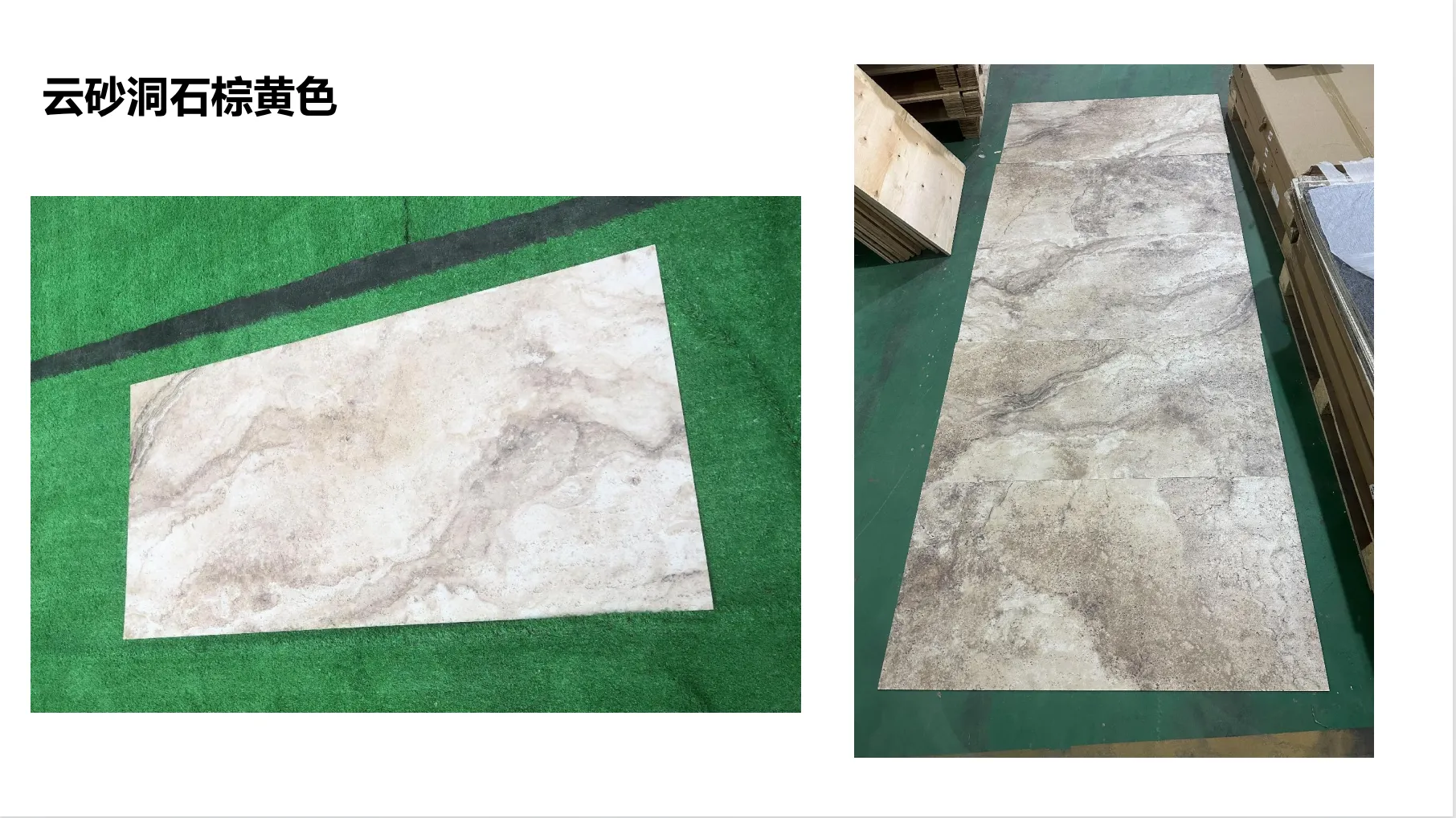
First, let's get to know dolomitic travertine (dark grey) up close. Picture a surface that's equal parts rugged and refined: deep, moody grey tones swirled with subtle hints of cream or taupe, textured with natural pits and veins that tell a story of millions of years of geological formation. Unlike polished marble or sleek concrete, dolomitic travertine feels alive—it has personality. Run your hand over it, and you'll notice a slight roughness, a tactile quality that invites touch. It's the kind of material that looks just as striking on a modern urban facade as it does on a rustic countryside villa. But what sets dolomitic travertine apart from other stones, and why has it become a go-to for exterior projects? A big part of the answer lies in its composition—and, crucially, how it interacts with water.
Let's talk about water absorption rate. It sounds technical, but here's the simple version: it's the percentage of a material's weight that comes from absorbed water when it's fully saturated. For exterior materials, this number isn't just a statistic—it's a predictor of longevity. Think about it: if a material soaks up water like a sponge, what happens when that water freezes in winter? It expands, cracking the material from the inside out. Or when it sits in the pores during humid summers? It becomes a breeding ground for mold and mildew, turning your beautiful facade into a patchy eyesore. Even color fading can be linked to high water absorption, as moisture carries pollutants deep into the material, discoloring it over time.
So, where does dolomitic travertine (dark grey) stand? On average, high-quality dolomitic travertine has a water absorption rate of around 0.5% to 1.5%—far lower than many porous stones like sandstone (which can absorb 3% or more) and even some concretes. This low rate is thanks to its dense dolomite composition, which fills in the pores typically found in regular travertine, creating a tighter, more water-resistant surface. To put that in perspective: if you spilled a glass of water on a dolomitic travertine panel, it would bead up and roll off, rather than seeping in. That's the kind of performance that matters when your building is exposed to the elements 24/7.
Let's break down the real-world implications of that low water absorption rate. Imagine you're designing a home in a region with harsh winters—think freezing rain, snow, and subzero temperatures. You want an exterior that won't crack or crumble after the first frost. Dolomitic travertine (dark grey)'s low absorption means less water gets trapped in its pores, so there's less expansion when temperatures drop. No more worrying about unsightly cracks or structural damage over time. Or maybe you live in a coastal area, where saltwater spray is a constant threat. Salt is brutal on building materials, but because dolomitic travertine doesn't absorb much water, it's less likely to let salt seep in and corrode the stone from within. The result? A facade that stays crisp and uniform, even after years of salty air.
Then there's the aesthetic angle. Low water absorption means less staining. Whether it's rainwater carrying dirt from the roof, sprinkler overspray, or even bird droppings, dolomitic travertine (dark grey) resists permanent discoloration because moisture doesn't linger long enough to set in stains. This is a game-changer for anyone who wants their exterior to look as good on year 10 as it did on day one. I've worked with clients who chose dolomitic travertine for their restaurant patio, and five years later, guests still comment on how "fresh" the stone looks—no dark water spots, no patchy discoloration, just that rich, dark grey hue that drew them in originally.
Of course, dolomitic travertine (dark grey) isn't the only option out there. Let's see how it compares to a few popular exterior materials, including fair-faced concrete, epoch stone, and lunar peak silvery—all known for their durability and style.
| Material | Water Absorption Rate | Durability in Harsh Weather | Aesthetic Appeal | Maintenance Needs |
|---|---|---|---|---|
| Dolomitic Travertine (Dark Grey) | 0.5%–1.5% | Excellent (resists freeze-thaw, salt damage) | Warm, textured, natural earthy tones | Low (seal every 3–5 years, occasional cleaning) |
| Fair-Faced Concrete | 2%–4% | Good (prone to cracking if not sealed) | Modern, industrial, sleek | Moderate (seal annually, repair cracks promptly) |
| Epoch Stone | 1.2%–2.0% | Very Good (engineered for weather resistance) | Uniform, contemporary, wide color range | Low (seal every 4–6 years) |
| Lunar Peak Silvery | 0.8%–1.8% | Excellent (metallic finish resists corrosion) | Shimmery, futuristic, high-end | Moderate (polish occasionally to maintain sheen) |
As you can see, dolomitic travertine (dark grey) holds its own, especially in water absorption and durability. While epoch stone comes close, it lacks the natural texture and warmth of travertine—there's something about that organic, hand-hewn look that engineered stones just can't replicate. Fair-faced concrete, on the other hand, offers a bold industrial vibe but requires more frequent sealing to keep water out. And lunar peak silvery, with its metallic sheen, is stunning but can feel cold next to dolomitic travertine's earthy warmth. For projects where you want both performance and personality, dolomitic travertine (dark grey) hits that sweet spot.
Even with its low water absorption, dolomitic travertine (dark grey) isn't maintenance-free—but the upkeep is minimal, and it's well worth it to preserve that timeless look. Here's what I tell clients: seal it properly when it's first installed, and then reseal every 3–5 years (more often if you live in a super wet climate). Sealing creates an invisible barrier that further reduces water absorption and makes cleaning a breeze. When it comes to cleaning, skip harsh chemicals—opt for a mild, pH-neutral stone cleaner and a soft brush. Avoid power washing on high settings, too; the force can etch the surface over time. Instead, gently hose it down and wipe away dirt with a cloth. And if you do notice a stain, act fast: blot it with a damp cloth (don't rub!) and treat it with a stone-safe stain remover. Follow these steps, and your dolomitic travertine exterior will age like fine wine—growing more characterful, not worn out.
At the end of the day, choosing an exterior material is about more than picking a color or texture. It's about choosing something that will stand with you through the years—the rainy seasons, the snowstorms, the hot summers, and all the little moments in between. Dolomitic travertine (dark grey) isn't just a stone; it's a partner in creating spaces that feel rooted, resilient, and full of life. Its low water absorption rate ensures it can handle whatever the weather throws at it, while its natural beauty adds warmth and depth to any project. Whether you're building a home, a storefront, or a public space, this stone offers that rare combination of form and function—proof that durability doesn't have to mean sacrificing soul.
So, the next time you walk past a building and feel that instant connection, take a closer look. Chances are, it's not just the design—it's the material, quietly doing its job, protecting the structure and nurturing that sense of place. And if you're lucky, maybe it's dolomitic travertine (dark grey), standing strong, looking better with age, and reminding us that the best buildings aren't just built—they're crafted to last.
Recommend Products












