
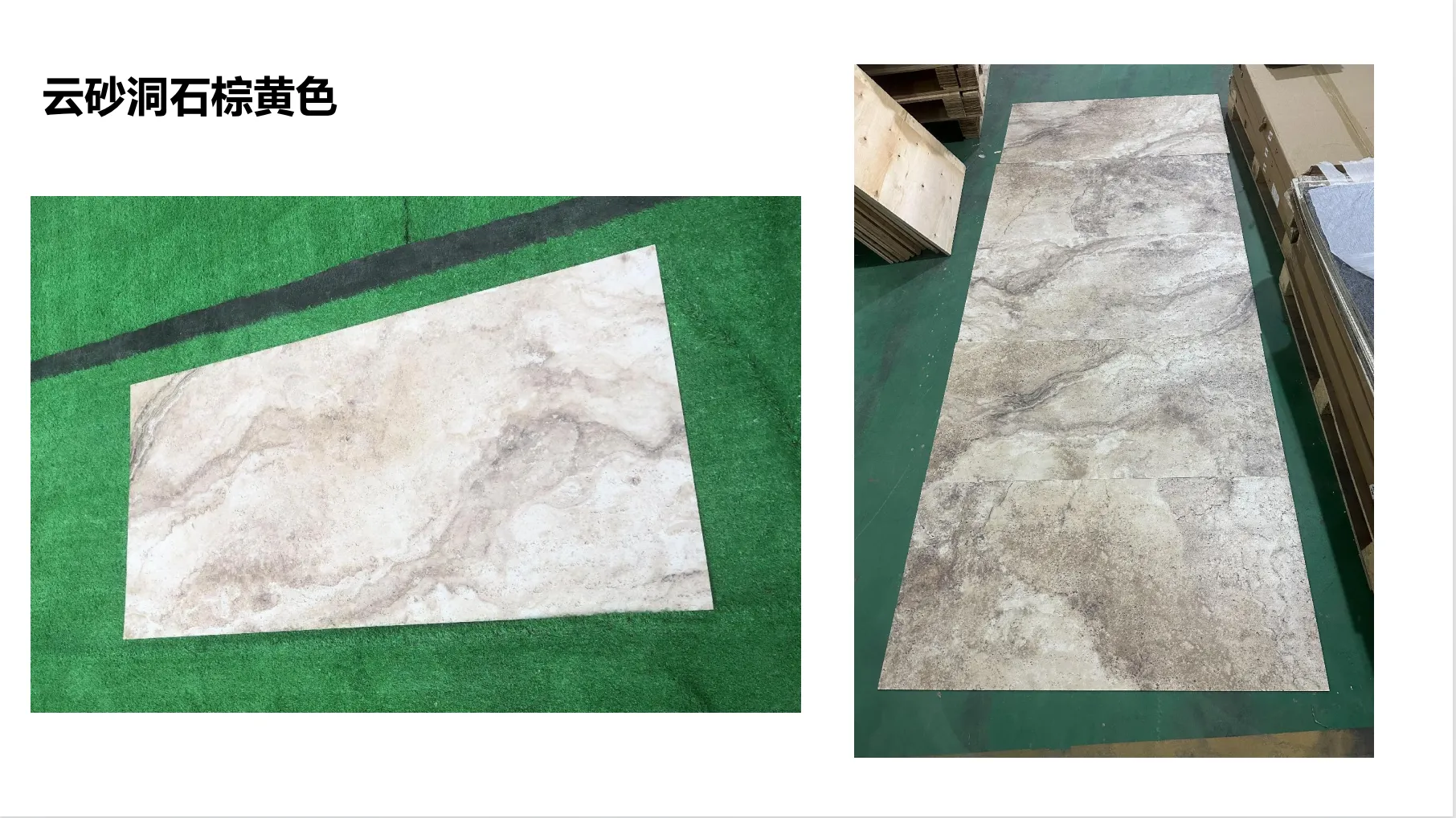
In the world of commercial architecture, a building's facade is more than just a protective shell—it's the first chapter of a brand's story. It speaks to values, personality, and vision before a single door is opened or a website visited. Today, forward-thinking brands are turning to materials that blend nature's timeless beauty with modern innovation, and few do this better than dolomitic travertine. Part of MCM's renowned flexible stone series, dolomitic travertine isn't just a building material; it's a canvas for crafting unforgettable brand identities. Let's explore how this remarkable stone is redefining commercial facades, one project at a time.
Travertine itself is a stone with history—formed over centuries by mineral-rich water flowing through limestone, creating unique textures and patterns that tell the story of the earth. Dolomitic travertine, a variant infused with dolomite, takes this legacy a step further. It's harder, more durable, and boasts a subtler, more refined color palette that bridges the gap between rustic warmth and contemporary sleekness. Unlike generic stone facades, dolomitic travertine feels alive: its surface carries the gentle marks of time, from tiny fossilized bubbles to delicate veining, making every panel one-of-a-kind.
But what truly sets it apart is its versatility, especially when part of MCM's flexible stone series. MCM flexible stone technology transforms traditional heavy stone into lightweight, bendable sheets that can adapt to curved surfaces, intricate designs, or large-scale installations—without sacrificing the stone's natural integrity. For commercial buildings, this means endless possibilities: from towering office blocks to boutique storefronts, dolomitic travertine can be shaped to fit any architectural vision.
One of the most compelling reasons brands choose dolomitic travertine is its ability to mirror their unique identity through color and texture. MCM offers a curated range of dolomitic travertine variants, each designed to evoke specific emotions and align with different brand narratives:
With its soft, earthy hue—reminiscent of sun-baked soil or handcrafted pottery—dolomitic travertine (claybank) is a favorite for brands rooted in sustainability, craftsmanship, or organic living. Imagine a specialty café chain, its facade clad in claybank panels, where the stone's warm tones blend with wooden accents and potted greenery, inviting customers to step into a space that feels like a home away from home. Or a wellness center, where the stone's natural texture complements the brand's focus on grounding and tranquility.
For brands aiming for modernity and understated luxury—think tech startups, high-end fashion retailers, or boutique hotels—dolomitic travertine (dark grey) delivers. Its deep, moody tone exudes confidence and elegance, especially when paired with metallic accents or floor-to-ceiling glass. A corporate headquarters in a bustling city, for example, might use dark grey dolomitic travertine to create a facade that feels both authoritative and approachable, standing out among glass-and-steel neighbors without shouting for attention.
While dolomitic travertine shines in its subtlety, MCM's travertine family offers bolder options for brands wanting to make a statement. Take travertine (starry blue) : flecked with tiny, iridescent particles that catch the light like a night sky, it's perfect for creative agencies or entertainment venues looking to spark curiosity. Or travertine (starry orange) , whose warm, energetic tone could transform a restaurant facade into a beacon of vibrancy, drawing passersby in with its playful yet sophisticated allure.
Beyond its beauty, dolomitic travertine checks all the boxes for commercial projects—where durability, cost-effectiveness, and sustainability are non-negotiable. Let's break down its technical advantages:
Commercial buildings face harsh realities: extreme weather, pollution, foot traffic, and the wear of daily life. Dolomitic travertine, reinforced by MCM's flexible stone technology, is built to last. Its dense composition resists scratches, stains, and fading, even in busy urban environments. Unlike painted surfaces that chip or fair-faced concrete that can crack over time, dolomitic travertine ages gracefully, developing a richer patina that adds character to the facade year after year.
Traditional stone facades are heavy, requiring robust structural support and complex installation. MCM's flexible stone series changes the game. By laminating thin layers of dolomitic travertine onto a lightweight backing, the panels become easy to transport, handle, and install—cutting down on labor costs and construction time. This flexibility also means they can be curved or shaped to fit unique architectural designs, from undulating retail facades to angular corporate towers, without compromising strength.
Today's consumers and tenants care deeply about a brand's environmental footprint—and dolomitic travertine delivers here, too. Mined responsibly and processed with minimal waste, it's a natural, biodegradable alternative to synthetic materials. Plus, its thermal insulation properties can reduce a building's energy consumption, lowering carbon emissions and utility bills. For brands prioritizing ESG goals, choosing dolomitic travertine isn't just a design decision; it's a statement of commitment to the planet.
To truly appreciate dolomitic travertine's value, let's compare it to two other popular facade materials: fair-faced concrete and generic stone cladding. The table below highlights key differences in aesthetics, performance, and practicality:
| Feature | Dolomitic Travertine (MCM Flexible Stone) | Fair-Faced Concrete | Generic Stone Cladding |
|---|---|---|---|
| Aesthetic Appeal | Natural textures, varied color options (claybank, dark grey, starry blue), timeless elegance | Industrial, minimalist, uniform; limited color range (greys, whites) | Natural look but heavier, less flexible in design |
| Durability | Resistant to scratches, fading, and weather; ages gracefully | Prone to cracking over time; stains can be hard to remove | Durable but heavy, requiring stronger structural support |
| Installation & Cost | Lightweight, flexible, easy to install; lower labor costs | Heavy, requires precise formwork; higher installation costs | Heavy, time-consuming to install; higher transportation costs |
| Sustainability | Natural, biodegradable, energy-efficient insulation | High carbon footprint in production; non-biodegradable | Natural but often over-mined; less efficient in transportation |
The verdict? While fair-faced concrete has its place in industrial-chic design and generic stone cladding offers natural beauty, dolomitic travertine (especially as part of MCM's flexible stone series) strikes the perfect balance of aesthetics, performance, and practicality for commercial projects.
Numbers and features tell part of the story, but real impact comes from seeing dolomitic travertine in action. Here are a few examples of how brands have used it to elevate their presence:
A boutique hotel chain in Bali wanted a facade that reflected its commitment to sustainability and local craftsmanship. They chose dolomitic travertine (claybank) for its earthy, organic feel, pairing it with bamboo mat board accents and large windows overlooking rice terraces. The result? A facade that blends seamlessly with the landscape, welcoming guests with warmth and authenticity. Guests often comment on how the stone's texture—rough yet refined—sets the tone for their stay, making them feel connected to nature even before stepping inside.
A fast-growing tech company in Seattle wanted a headquarters that felt innovative but not cold. They opted for dolomitic travertine (dark grey) for the main facade, complemented by foamed aluminium alloy board (vintage silver) accents. The dark grey stone provides a neutral backdrop that makes the silver panels pop, creating a dynamic, modern look that reflects the brand's cutting-edge vibe. Employees and visitors alike note that the facade feels approachable, not intimidating—encouraging collaboration and creativity.
Dolomitic travertine's magic lies not just in the stone itself, but in how MCM has reimagined it through their flexible stone series . Traditional stone is heavy, rigid, and hard to install on complex surfaces—but MCM's technology changes that. By bonding thin layers of natural stone to a lightweight, flexible backing, they've created panels that can bend around curves, wrap columns, or cover large areas with minimal seams. This flexibility opens up design possibilities that were once impossible, allowing architects and brands to push creative boundaries without compromise.
Plus, MCM's commitment to quality ensures consistency across every panel. Whether you're ordering 100 square feet for a small retail space or 10,000 for a skyscraper, you'll get the same rich color, texture, and durability—no surprises, no delays. For commercial projects with tight timelines, this reliability is priceless.
In a world where attention spans are short and competition is fierce, your commercial building's facade is your first chance to make a lasting impression. Dolomitic travertine—with its natural beauty, technical strength, and versatility—offers brands a way to stand out, tell their story, and connect with audiences on a deeper level. Whether you're aiming for warmth, sophistication, or bold creativity, MCM's dolomitic travertine (and its colorful cousins like starry blue travertine) provides the perfect medium.
So, what will your facade say about your brand? With dolomitic travertine, the answer can be as unique as your vision—and as timeless as the stone itself.
Recommend Products












