
Coastal living is a dream for many—waking up to the sound of waves, sipping coffee with ocean breezes, and watching sunsets paint the sky in hues of pink and gold. But this idyllic lifestyle comes with a hidden challenge: the harsh coastal environment. Salt-laden air, relentless humidity, and powerful winds don't just test your patience; they wage war on your home's exterior. Exterior walls, in particular, bear the brunt of these elements, needing to stand strong against corrosion, moisture, and wear while still contributing to the home's beauty. In this delicate dance between form and function, one material has emerged as a standout performer: dolomitic travertine . Specifically, its dark grey and claybank variants, paired with modern MCM flexible stone technology, offer a solution that doesn't just survive coastal conditions—it thrives in them.
Before diving into why it's perfect for coastal walls, let's get to know dolomitic travertine. Travertine itself is a natural stone formed in mineral-rich hot springs and rivers, known for its porous texture and earthy charm. Dolomitic travertine takes this a step further by incorporating dolomite—a mineral rich in magnesium and calcium—into its composition. This addition transforms the stone, making it denser, less porous, and more resistant to the elements than traditional travertine. It's like travertine with a superpower boost, tailor-made for tough environments.
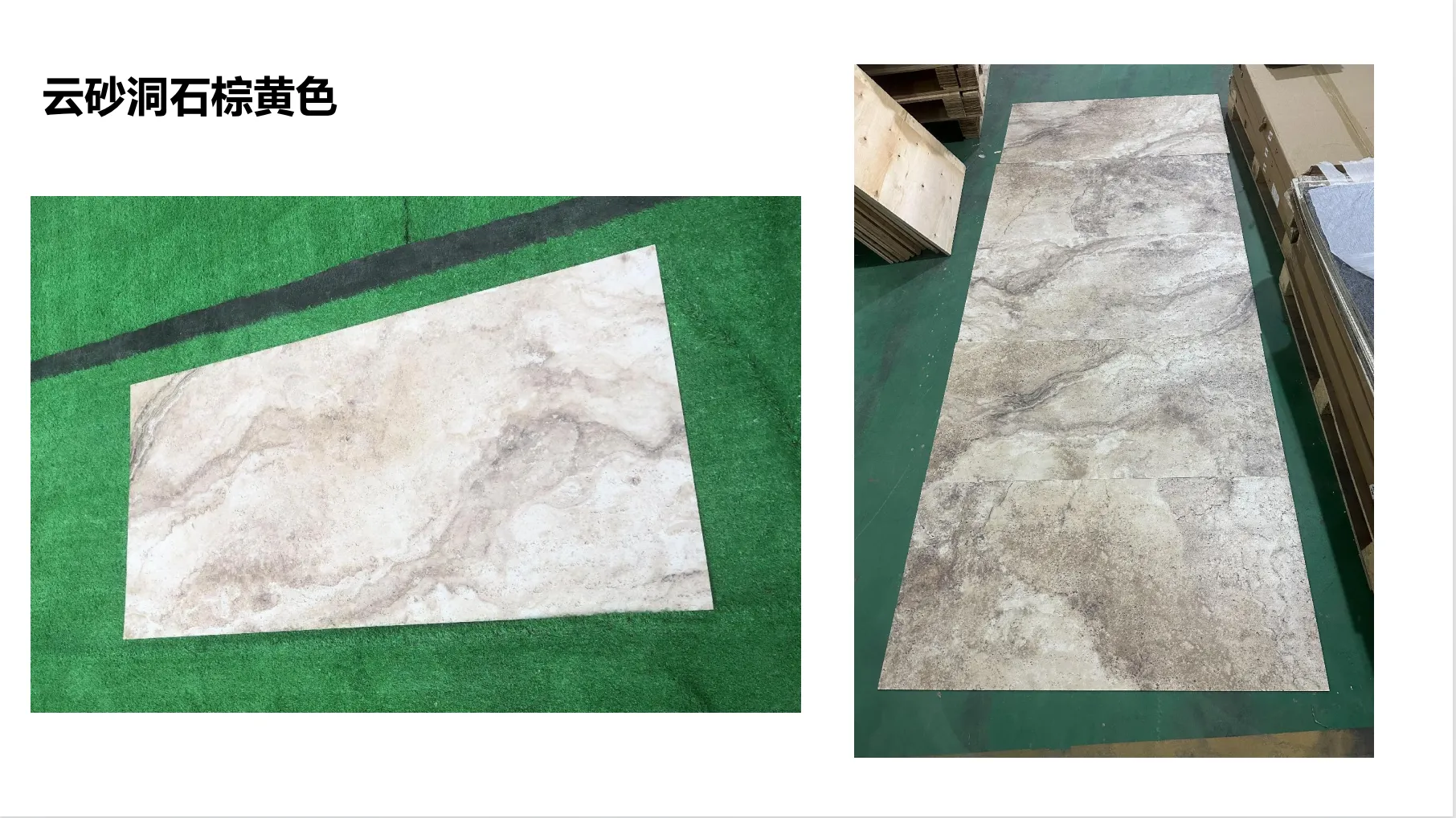
Among its many variants, two stand out for exterior use: dolomitic travertine(dark grey) and dolomitic travertine(claybank) . The dark grey variant is a study in understated elegance—deep, moody, and versatile, with subtle veining that adds depth without overwhelming. The claybank option, on the other hand, leans warm and inviting, with soft beige and terracotta undertones that evoke sun-baked earth and sandy beaches. Both share the same core strength but offer distinct aesthetic personalities, ensuring there's a fit for every coastal design vision.
But what truly elevates dolomitic travertine for wall applications is its integration with MCM flexible stone technology. MCM, or Modified Composite Material, is a game-changer in the world of building materials. It takes the natural beauty of stone and combines it with lightweight, flexible polymers, resulting in panels that are thinner, lighter, and more durable than solid stone. This flexibility isn't just about ease of installation (though that's a big plus); it means the stone can bend slightly with temperature changes and structural shifts, reducing the risk of cracking—a common issue with rigid natural stone in dynamic coastal climates.
Let's be honest: when you're investing in a coastal home, "functional" isn't enough. You want walls that make you stop and stare, that complement the ocean views and reflect the natural beauty around you. Dolomitic travertine delivers on this front in spades, offering a warmth and organic texture that's hard to replicate with synthetic materials like fair-faced concrete (which, while trendy, can feel cold and industrial) or vinyl siding (which often looks artificial and fades quickly).
Take dolomitic travertine(dark grey) as an example. Its deep, uniform color is a modernist's dream, providing a sleek, sophisticated backdrop that pairs beautifully with crisp white trim and large, floor-to-ceiling windows. Imagine a contemporary coastal home with dark grey dolomitic travertine walls: the stone's subtle, almost metallic veining catches the sunlight, creating a dynamic play of light and shadow that mirrors the ocean's surface. It's bold without being brash, making a statement that says "luxury" without shouting.
For those drawn to a softer, more rustic coastal vibe, dolomitic travertine(claybank) is a revelation. Its warm, earthy tones—think sand dunes at dawn or weathered driftwood—blend seamlessly with wooden accents, natural fibers, and terracotta roof tiles. The claybank variant often features lighter veining in creams and soft browns, adding a layer of complexity that feels lived-in and inviting. Unlike stark white exteriors that can feel sterile, claybank dolomitic travertine ages gracefully, developing a gentle patina over time that only enhances its character. It's the kind of material that makes guests think, "This home has stories to tell."
And let's not forget the details. Dolomitic travertine's surface isn't smooth and lifeless; it has texture—small indentations, tiny pits, and natural variations that invite touch. Run your hand along a wall, and you'll feel the stone's history, the millions of years it took to form. This tactile quality adds depth to a home's exterior, making it feel grounded, connected to the land and sea around it. Compare that to the flat, unyielding surface of fair-faced concrete, and it's clear which material fosters a deeper emotional connection.
Beauty is useless if the material can't stand up to coastal conditions. Here's where dolomitic travertine truly shines. Let's break down the coastal threats and how this stone (with a little help from MCM flexible stone technology) fights back:
Salt Spray: Coastal air is loaded with salt, which acts like tiny abrasive particles, eating away at metal, corroding concrete, and even damaging wood. Dolomitic travertine's dolomite content is key here. Dolomite is less soluble than the calcite found in regular travertine, making the stone more resistant to salt-induced degradation. Unlike limestone, which can dissolve over time in salty environments, dolomitic travertine holds its ground, maintaining its structural integrity for decades.
Moisture and Humidity: Coastal areas are humid—really humid. Excess moisture can lead to mold, mildew, and rot, especially in porous materials. Traditional travertine is porous by nature, but dolomitic travertine's denser structure (thanks to dolomite) reduces porosity significantly. Add MCM flexible stone into the mix, and you've got a material that's even more moisture-resistant. MCM panels are engineered with a protective backing that repels water, preventing it from seeping into the wall and causing damage. This is a huge advantage over natural stone, which often requires frequent sealing to keep moisture out.
UV Rays and Fading: The sun's harsh UV rays can bleach and fade exterior materials, turning vibrant colors into dull shadows. Dolomitic travertine's natural pigments are stable and resistant to UV damage, meaning its dark grey and claybank hues stay true for years. MCM flexible stone technology further enhances this by adding a UV-protective layer during manufacturing, ensuring the stone retains its color even in the brightest coastal sun. Compare that to wood siding, which often needs repainting every 3-5 years, or vinyl, which can become brittle and discolored in as little as a decade.
Wind and Impact: Coastal storms bring strong winds and flying debris, which can crack or chip fragile exteriors. MCM flexible stone panels are lightweight (about 1/5 the weight of natural stone) and surprisingly flexible, able to absorb minor impacts without breaking. This flexibility also makes installation easier, as the panels can be cut to fit curved walls or irregular surfaces—a common feature in coastal architecture designed to withstand high winds. Traditional natural stone, by contrast, is heavy and rigid, making it prone to cracking under stress.
Still not convinced? Let's put dolomitic travertine head-to-head with other popular coastal exterior materials. The table below compares key factors like durability, maintenance, and aesthetics to show why dolomitic travertine (with MCM flexible stone) is the top choice:
| Material | Durability in Coastal Conditions | Maintenance Needs | Aesthetic Appeal | Cost Over Time (Installation + Upkeep) |
|---|---|---|---|---|
| Dolomitic Travertine (MCM Flexible Stone) | Excellent: Resistant to salt, moisture, UV rays; flexible to prevent cracking. | Low: Occasional cleaning with mild soap; no sealing required. | High: Natural texture, warm tones, ages gracefully with patina. | Moderate upfront; low long-term (minimal repairs/replacement). |
| Fair-Faced Concrete | Good: Resistant to moisture but prone to staining from salt; can crack in freeze-thaw cycles. | Moderate: Requires sealing every 2-3 years; stains are hard to remove. | Medium: Industrial, minimalist look but lacks organic warmth. | Low upfront; moderate long-term (sealing, potential repairs). |
| Wood Siding (Cedar or Redwood) | Poor: Susceptible to rot, mold, and termite damage; salt air accelerates decay. | High: Needs painting/staining every 3-5 years; regular inspections for rot. | High: Warm, natural look but fades quickly in coastal sun. | Low upfront; very high long-term (frequent maintenance, eventual replacement). |
| Vinyl Siding | Poor: Fades, cracks in cold weather, and can warp in heat; salt air causes brittleness. | Low: Easy to clean but prone to damage from wind/debris; hard to repair. | Low: Artificial appearance; limited color options; looks cheap over time. | Low upfront; moderate long-term (replacement every 10-15 years). |
To truly appreciate dolomitic travertine's impact, let's look at two coastal homes that have embraced this material.
The Modern Coastal Retreat (Dark Grey Dolomitic Travertine): Located in Malibu, California, this 3,500-square-foot home features dolomitic travertine(dark grey) walls with MCM flexible stone technology. The architects wanted a design that would "disappear" into the landscape by day and glow by night. The dark grey stone absorbs light during the day, blending with the surrounding cliffs, while LED strips embedded in the wall's mortar joints illuminate the stone at night, creating a dramatic, sculptural effect. After five years of exposure to salt air and occasional wildfire smoke, the walls show no signs of discoloration or damage. The homeowners report spending less than 2 hours a month on maintenance—mostly hosing down the walls to remove dust and salt residue.
The Rustic Beach Cottage (Claybank Dolomitic Travertine): On the coast of Maine, where winters are harsh and summers are humid, this 2,200-square-foot cottage opted for dolomitic travertine(claybank) . The stone's warm tones complement the cottage's cedar roof and exposed wooden beams, creating a cozy, New England-inspired look. What sold the homeowners? The material's ability to withstand freezing temperatures without cracking (thanks to MCM flexibility) and its resistance to the salt spray that often damages nearby homes with wood siding. "We used to repaint our old wood siding every four years," says the homeowner. "With the claybank travertine, we haven't done a thing except hose it off once a season. And it looks better now than the day it was installed—like it's been here for a hundred years."
For those looking to add a playful twist, dolomitic travertine pairs beautifully with accent walls of travertine (starry blue) —a variant with vibrant blue veining that echoes the ocean's depths. Imagine a claybank dolomitic travertine main wall with a starry blue accent above the front door: it's unexpected, joyful, and deeply connected to the coastal setting.
One of the best things about dolomitic travertine with MCM flexible stone is how little effort it takes to keep it looking great. Here are a few tips to ensure your walls stay beautiful for decades:
Coastal living is about balance—between luxury and practicality, between the desire for beauty and the need for resilience. Dolomitic travertine, in its dark grey and claybank forms, strikes that balance perfectly. It's a material that doesn't ask you to choose between a home that looks good and one that lasts; it gives you both. With MCM flexible stone technology enhancing its natural strengths, dolomitic travertine isn't just a building material—it's an investment in a home that will stand strong against the elements while growing more beautiful with time.
So, if you're building or renovating a coastal home, don't settle for materials that compromise on beauty or durability. Choose dolomitic travertine. Let its natural texture, warm colors, and unbeatable weather resistance turn your coastal dream into a reality that endures—for years, decades, and even generations to come.
Recommend Products












