
How this versatile natural stone bridges safety and beauty in outdoor oasis design
Picture this: It's a sweltering summer afternoon, and your backyard pool shimmers under the sun. Laughter floats as kids splash, while adults lounge on deck chairs, sipping iced tea. But beneath this idyllic scene lies a silent hero: the material underfoot. The pool surround isn't just a design afterthought—it's the foundation of safety, comfort, and style. For homeowners and designers alike, the quest to find a material that feels secure when wet and looks stunning year-round is a familiar challenge. Enter dolomitic travertine: a stone that doesn't just meet these demands but redefines what's possible for poolside spaces.
From sleek modern villas to cozy backyard retreats, the right pool surround material can transform a functional area into a sanctuary. Yet all too often, choices feel like a trade-off: polished marble dazzles but turns treacherous when wet; rough concrete offers grip but lacks warmth; wood looks inviting but warps and rots over time. Dolomitic travertine, however, emerges as a rare exception—a material where safety and beauty aren't rivals, but partners. Let's dive into why this stone has become a go-to for designers, and how variants like dolomitic travertine (claybank) and dolomitic travertine (dark grey) are elevating pool designs worldwide.
To appreciate dolomitic travertine's appeal, it helps to start with the basics. Travertine itself is a form of limestone, formed by mineral-rich hot springs depositing calcium carbonate over centuries. What sets dolomitic travertine apart is its higher dolomite content—a mineral that adds density and durability, making it ideal for high-moisture areas like pool surrounds. Unlike pure travertine, which can be softer and more porous, dolomitic travertine strikes a balance: it retains the stone's natural charm while standing up to the wear and tear of splashing water, chlorine, and foot traffic.
Thanks to advancements in manufacturing, today's dolomitic travertine isn't limited to quarried blocks. Innovations like the mcm big slab board series have revolutionized how we use this material. MCM (Modified Composite Material) technology bonds natural stone aggregates with a lightweight, flexible backing, creating large-format panels that are easier to install, more resistant to cracking, and better suited for custom designs. This means you can enjoy the look and feel of natural dolomitic travertine without the weight or fragility of traditional stone slabs.
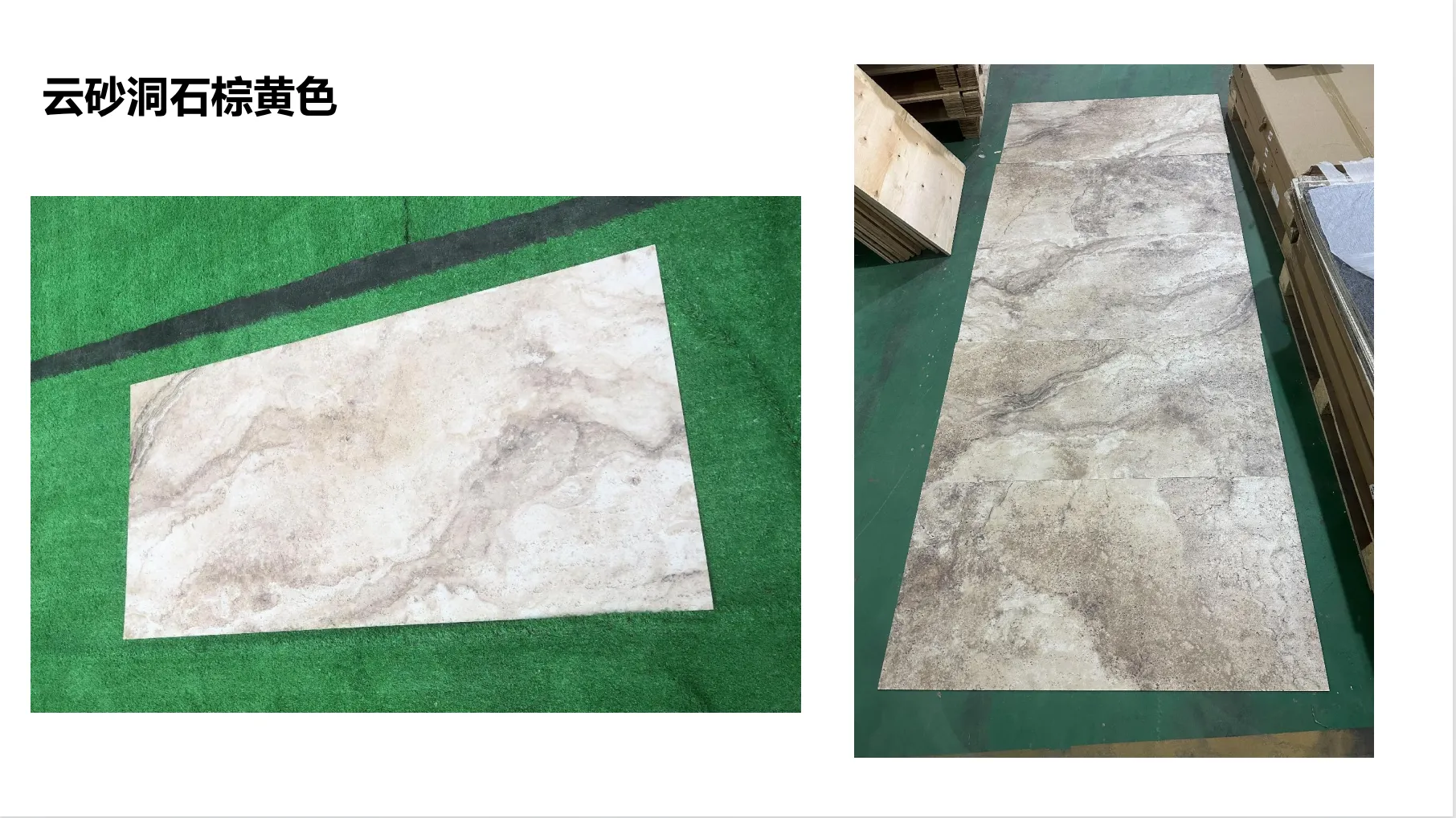
Two variants have risen to the top of designers' wishlists: dolomitic travertine (claybank) and dolomitic travertine (dark grey) . Claybank leans into warm, earthy hues—think soft terracottas and sandstone tones—perfect for complementing tropical plants or wooden deck accents. Dark grey, on the other hand, exudes modern sophistication, pairing beautifully with sleek glass pool fences or minimalist architecture. Both boast the stone's signature pitted texture, where tiny indentations and grooves tell the story of its formation—each piece as unique as a fingerprint.
When it comes to pool areas, "slip resistance" isn't just a buzzword—it's a matter of safety. According to the Consumer Product Safety Commission, slips and falls are the leading cause of injury in residential pools, with wet surfaces accounting for over 70% of incidents. For families with young children, elderly relatives, or even playful pets, a slippery surround isn't just inconvenient; it's a hazard.
Dolomitic travertine's natural texture is its greatest asset here. Unlike polished stones, which have a smooth, reflective surface, dolomitic travertine (whether claybank or dark grey) features a matte, slightly rough finish. Those tiny pits and ridges? They're not just aesthetic—they create friction, even when wet. Imagine walking barefoot from the pool onto the stone: instead of sliding, your feet grip gently, giving you confidence to move freely. It's a sensation that polished marble or glazed tiles simply can't replicate.
To put it in perspective, consider the coefficient of friction (CoF)—a measure of how "grippy" a surface is. Most polished marbles have a CoF of around 0.4 when wet, which is considered slippery. Concrete averages around 0.6, offering better traction but lacking visual appeal. Dolomitic travertine, by contrast, typically scores between 0.7 and 0.8, placing it firmly in the "excellent" range for slip resistance. When you opt for a textured finish (common in the mcm big slab board series), that number can climb even higher, making it a top choice for safety-conscious homeowners.
Safety is essential, but let's not overlook the "why" behind pool design: beauty. A pool surround should invite you in, complement your home's architecture, and create a mood—whether that's serene, vibrant, or sophisticated. Dolomitic travertine excels here, offering a range of looks to suit any style.
Take dolomitic travertine (claybank) : its warm, sandy tones evoke sunbaked deserts and coastal cliffs, making it a natural fit for tropical or Mediterranean-inspired pools. Pair it with teak furniture, lush palms, and a stone waterfall, and you've got a backyard that feels like a Bali resort. The claybank hue softens harsh sunlight, keeping the area cool underfoot even on hot days, while its subtle veining adds depth without overwhelming the eye.
For a more contemporary vibe, dolomitic travertine (dark grey) is unbeatable. Its moody, charcoal undertones create a striking contrast against blue pool water, making the space feel sleek and intentional. Designers love using it with clean-lined concrete planters, black metal fixtures, and geometric landscaping for a look that's equal parts minimalist and dramatic. Dark grey travertine also hides minor stains and footprints better than lighter stones, making it a practical choice for busy families.
And for those who crave something truly unique, there's travertine (starry blue) —a variant that adds a touch of magic to evening swims. Tiny, iridescent mineral deposits catch the light, creating the illusion of a starry sky underfoot. Imagine hosting a pool party at dusk, with the water reflecting the blue hues of the stone and fairy lights twinkling above—it's pure enchantment.
| Material Variant | Color Palette | Slip Resistance (CoF, Wet) | Best Suited Design Style | Notable Features |
|---|---|---|---|---|
| Dolomitic Travertine (Claybank) | Warm beige, sand, terracotta undertones | 0.75–0.80 | Tropical, Mediterranean, Rustic | Softens sunlight, hides minor scratches |
| Dolomitic Travertine (Dark Grey) | Charcoal, slate, deep grey with subtle veining | 0.70–0.75 | Modern, Minimalist, Industrial | High contrast with blue water, hides stains |
| Travertine (Starry Blue) | Pale blue base with iridescent mineral flecks | 0.68–0.72 | Contemporary, Coastal, Evening-Focused | Glows under low light, unique starry effect |
| Fair-Faced Concrete | Neutral grey, off-white | 0.65–0.70 | Industrial, Brutalist | Durable but lacks warmth; prone to staining |
What truly sets dolomitic travertine apart, though, is its ability to blend with other materials. Mix claybank travertine with wooden decking for a organic-inorganic contrast, or pair dark grey with flexible stone accents (like curved coping or mosaic borders) for added texture. The mcm big slab board series even allows for seamless transitions—imagine a single, uninterrupted slab flowing from the pool edge to the patio, creating a sense of spaciousness that smaller tiles can't match.
"Dolomitic travertine is my secret weapon for pool designs. Clients often say they want 'something that feels natural but won't make me slip,' and this stone delivers. The claybank shade works wonders for warm-weather homes, while dark grey adds that 'wow' factor for modern builds. Plus, with the mcm big slab series, we can create custom shapes—like curved edges or integrated seating—that would be impossible with traditional stone." — Maria Gonzalez, Landscape Architect, Miami Design Collective
Choosing the right material is just the first step; proper installation and care are key to ensuring your dolomitic travertine surround stays beautiful for years. Thanks to the mcm big slab board series , installation is more straightforward than with traditional stone. The lightweight panels reduce labor costs and make it easier to handle large pieces, even for complex designs like curved pool edges or raised planters. However, it's still important to hire a professional familiar with MCM products—they'll ensure the subfloor is level, the panels are sealed correctly, and expansion gaps are accounted for to prevent cracking.
Maintenance is surprisingly low-effort. Dolomitic travertine is naturally resistant to mold and mildew, but sealing it annually with a penetrating sealer will help prevent stains from chlorine, sunscreen, or leaves. For day-to-day cleaning, a simple sweep with a soft broom and a rinse with water is usually enough. Avoid harsh chemicals like bleach or vinegar, which can etch the stone's surface. And if you do notice a stain, act quickly: blot (don't rub) the area with a mild detergent and warm water, then rinse thoroughly.
One common misconception? That porous stones like travertine are hard to keep clean. In reality, the same texture that provides slip resistance also traps dirt at the surface, making it easier to sweep away. With minimal care, your dolomitic travertine surround will age gracefully, developing a subtle patina that adds character over time.
Still on the fence? Let's look at two real-world examples of dolomitic travertine transforming pool spaces.
The Desert Retreat (Scottsdale, AZ) : A family wanted a pool area that felt connected to Arizona's natural landscape without sacrificing safety for their two young kids. The designer chose dolomitic travertine (claybank) in the mcm big slab board series, installing large, seamless panels around the pool and extending them to the outdoor kitchen and fire pit. The warm claybank hue blends with the surrounding desert, while the stone's texture ensures the kids can run and play without slipping. "We love how it feels underfoot—cool and grippy, even in 100-degree weather," the homeowner shared. "And at night, the stone glows softly under our patio lights, making the whole space feel magical."
The Urban Oasis (Chicago, IL) : A penthouse with a rooftop pool needed a material that could withstand Chicago's harsh winters and complement the building's modern architecture. Dolomitic travertine (dark grey) was the answer. The mcm big slabs were cut to fit the rooftop's unique shape, creating a sleek, monochromatic look that pairs with the building's glass facade. "Dark grey travertine was the perfect choice— it doesn't show salt stains from winter de-icing, and it makes the pool look like a reflective mirror," says the architect. "Even in the snow, the texture keeps it from getting slippery, so our clients can enjoy the space year-round."
In a market flooded with pool surround options—from concrete to composite decking to natural stone—dolomitic travertine rises above by refusing to compromise. It offers the slip resistance of concrete, the beauty of marble, and the durability of slate, all in one material. Add in the flexibility of the mcm big slab board series , and you've got a solution that works for any design vision, budget, or climate.
Whether you're dreaming of a cozy backyard pool with dolomitic travertine (claybank) and lush greenery, a sleek rooftop oasis with dolomitic travertine (dark grey) and city views, or a whimsical space with travertine (starry blue) for evening swims, this stone delivers. It's a reminder that in design, as in life, the best choices are the ones that don't force you to pick sides—they bring balance.
Your pool surround is more than just a border—it's where memories are made: morning coffee by the water, summer barbecues with friends, lazy afternoons watching the kids learn to swim. It deserves a material that's as resilient as it is beautiful, as safe as it is inviting. Dolomitic travertine checks all these boxes, and then some.
So, the next time you're planning a pool renovation or building from scratch, consider the stone that bridges safety and style. With dolomitic travertine—whether in claybank, dark grey, or a starry blue—you're not just installing a surround; you're creating a space that will delight, protect, and endure for years to come. After all, the best pool areas aren't just designed—they're lived in. And dolomitic travertine is ready to be part of your story.
Recommend Products












