
In the sun-drenched landscapes of the Middle East, where luxury villas rise like modern palaces against the horizon, the choice of exterior materials isn't just about function—it's about crafting a legacy. Every stone, every texture, whispers a story of heritage and innovation. Among these, one material has quietly become a favorite among architects and homeowners alike: dolomitic travertine. More than just a building material, it's a bridge between the region's rich past and its bold future, especially when gracing the exteriors of the most exclusive villas.
What makes dolomitic travertine stand out in a market flooded with options? It starts with its soul. Unlike synthetic materials that feel cold and uniform, dolomitic travertine is born from the earth—formed over millennia by mineral-rich waters, leaving behind unique veins, pits, and textures that no machine can replicate. When used on villa exteriors, it doesn't just cover walls; it creates a canvas where light and shadow dance throughout the day. In the morning, the stone glows softly under the rising sun; by afternoon, its deeper tones absorb the heat, exuding warmth; and as twilight falls, it takes on a golden hue that mirrors the desert sky.
But beauty isn't its only strength. In the Middle East, where temperatures soar, sandstorms rage, and occasional downpours test resilience, durability is non-negotiable. Dolomitic travertine rises to the challenge. Its dense composition resists fading from UV rays, while its natural porosity (when properly sealed) allows it to breathe, preventing cracks from moisture buildup. Homeowners often remark that even after years of exposure to the elements, their dolomitic travertine exteriors look better with age—developing a subtle patina that adds character, like a well-loved book whose pages tell more stories with each read.
While dolomitic travertine comes in a range of shades, two variants have emerged as stars for Middle Eastern villa exteriors: dark grey and claybank. Each brings its own personality, allowing designers to tailor the villa's mood to the homeowner's vision.
Imagine a villa perched on a hillside in Dubai, its exterior clad in dark grey dolomitic travertine. The stone's deep, moody tones contrast sharply with the bright blue sky, creating a sense of drama and modernity. Its surface, with subtle white veins running through like lightning strikes, adds movement without overwhelming. This variant is a favorite for homeowners who want their villa to feel bold yet timeless—think sleek, contemporary designs with clean lines and metallic accents. Pair it with brass fixtures or Lunar Peak golden trim, and you've got a look that's equal parts luxury and edge.
Architects love dark grey dolomitic travertine for its versatility. It works equally well on sprawling estates with expansive facades and on more intimate villas, where its depth makes the space feel grounded. "It's like wearing a tailored black suit," says one Dubai-based architect. "It never goes out of style, and it elevates everything around it."
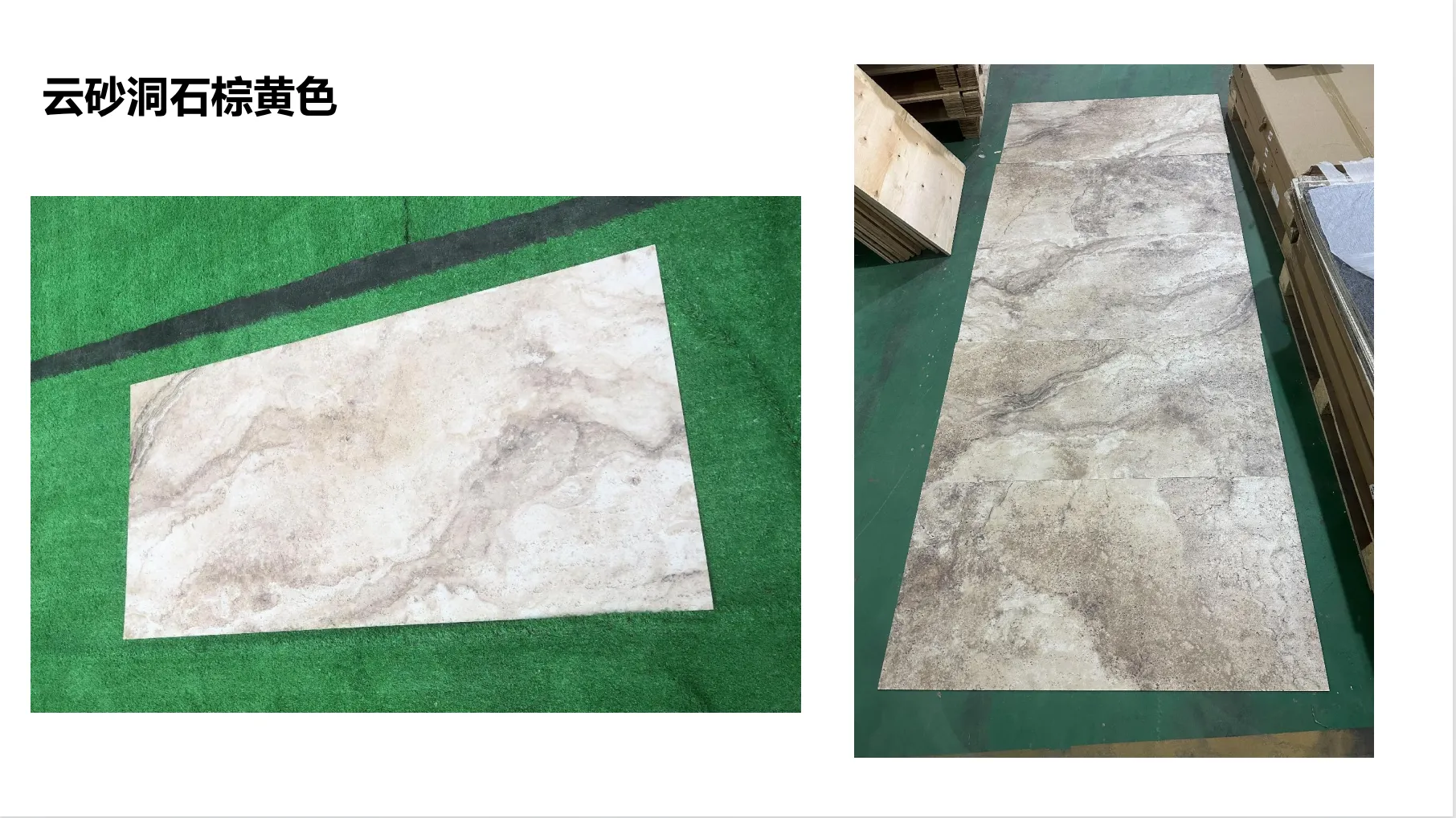
For those drawn to the region's desert roots, claybank dolomitic travertine is a love letter to the land. Its soft, earthy hue—reminiscent of sun-baked sand and ancient terracotta—blends seamlessly with the natural landscape, making villas feel like they've always belonged there. In Abu Dhabi, where many homeowners seek a balance between modernity and tradition, claybank dolomitic travertine is often used to clad entire exteriors, paired with wooden accents or woven screens that nod to Bedouin craftsmanship.
What's striking about claybank is how it shifts with the light. At noon, it's a warm, golden beige; by sunset, it deepens to a rich terracotta, as if absorbing the day's heat to share it back with the world. It's a stone that feels welcoming—not just to the eyes, but to the touch. Run a hand over its surface, and you'll feel the subtle texture, a reminder of the earth's handiwork.
| Color Variant | Aesthetic Character | Ideal Villa Styles | Climate Adaptability | Design Tips |
|---|---|---|---|---|
| Dark Grey | Sleek, modern, with striking white veins; exudes sophistication | Contemporary, minimalist, or luxury modernist villas | Excels in high-UV areas; heat absorption reduces glare | Pair with gold/brass accents or Lunar Peak golden trim for contrast |
| Claybank | Warm, earthy, desert-inspired; blends with natural landscapes | Traditional, Mediterranean, or desert-modern villas | Reflects sunlight to keep exteriors cooler; hides dust well | Add wooden elements or woven screens for a rustic-luxe vibe |
While dolomitic travertine shines on its own, it truly comes alive when paired with the right companions. In the Middle East, where villa design often layers textures and materials, two options stand out as perfect partners: the Lunar Peak series and fair-faced concrete.
The Lunar Peak series—with its silvery, golden, and black finishes—adds a touch of celestial elegance to dolomitic travertine exteriors. Imagine a claybank dolomitic travertine villa with Lunar Peak silvery railings or window frames: the cool metallic sheen contrasts beautifully with the stone's warmth, creating a look that's both grounded and ethereal. For darker grey exteriors, Lunar Peak golden accents steal the show—think a grand entrance door framed in gold, or a balcony railing that catches the light like a crown.
Architects often use the Lunar Peak series sparingly, as a punctuation mark rather than a main feature. "It's about balance," explains a designer from Riyadh. "Too much metal can feel flashy, but paired with dolomitic travertine, it's refined. The stone softens the metal, and the metal elevates the stone."
For homeowners who prefer a more understated aesthetic, fair-faced concrete is a dream pairing with dolomitic travertine. Its smooth, matte finish contrasts with the stone's texture, creating a play of simplicity and complexity. A villa in Doha, for example, uses fair-faced concrete for its lower level and dolomitic travertine (claybank) for the upper floors, creating a visual flow that feels both modern and organic. The concrete adds a industrial-chic edge, while the travertine keeps the space from feeling cold.
What's more, fair-faced concrete is as durable as dolomitic travertine, making the combination practical for the Middle East's climate. Together, they form a exterior that's low-maintenance but high-impact—perfect for busy families who want luxury without the hassle.
To truly understand dolomitic travertine's impact, look no further than the villas that have already embraced it. Take the "Desert Serenity" project in Al Ain, a collection of six luxury villas designed by award-winning architect Amina Khalid. Each villa features claybank dolomitic travertine exteriors, paired with Lunar Peak golden accents and fair-faced concrete pathways. "The goal was to create homes that feel like sanctuaries," Khalid says. "Dolomitic travertine was key—its warmth makes the villas feel inviting, even in the middle of the desert. Homeowners tell me they love sitting on their patios at night, watching the stone glow under the stars."
Then there's the "Modern Fortress" in Jeddah, a bold villa with a dark grey dolomitic travertine exterior and geometric lines. The owner, a tech entrepreneur, wanted a home that felt secure yet open. "The stone gives it a fortress-like strength, but the way light moves through its textures keeps it from feeling closed off," he notes. "Guests always comment on how it feels both imposing and welcoming—like a modern-day palace that's still a home."
In an industry where trends come and go—where "the next big thing" is always around the corner—dolomitic travertine has staying power. It's not just a material of the moment; it's a choice for those who want to invest in beauty that outlasts fads. In the Middle East, where legacy matters—where families build villas to pass down through generations—this is invaluable.
Perhaps that's the true magic of dolomitic travertine: it doesn't just build homes; it builds stories. A child growing up in a villa clad in claybank dolomitic travertine will one day tell their own children about the way the stone felt under their fingers as they played outside. An architect will look back at a project and remember the moment they first saw the light hit the dark grey veins, knowing they'd found something special. In a region that prides itself on blending the old and the new, dolomitic travertine isn't just a choice—it's a legacy in stone.
So, the next time you pass a luxury villa in the Middle East, take a closer look. If its exterior exudes warmth, character, and timeless elegance, chances are it's wrapped in dolomitic travertine. And in that stone, you'll see more than just a building material—you'll see the heart of a home.
Recommend Products












