
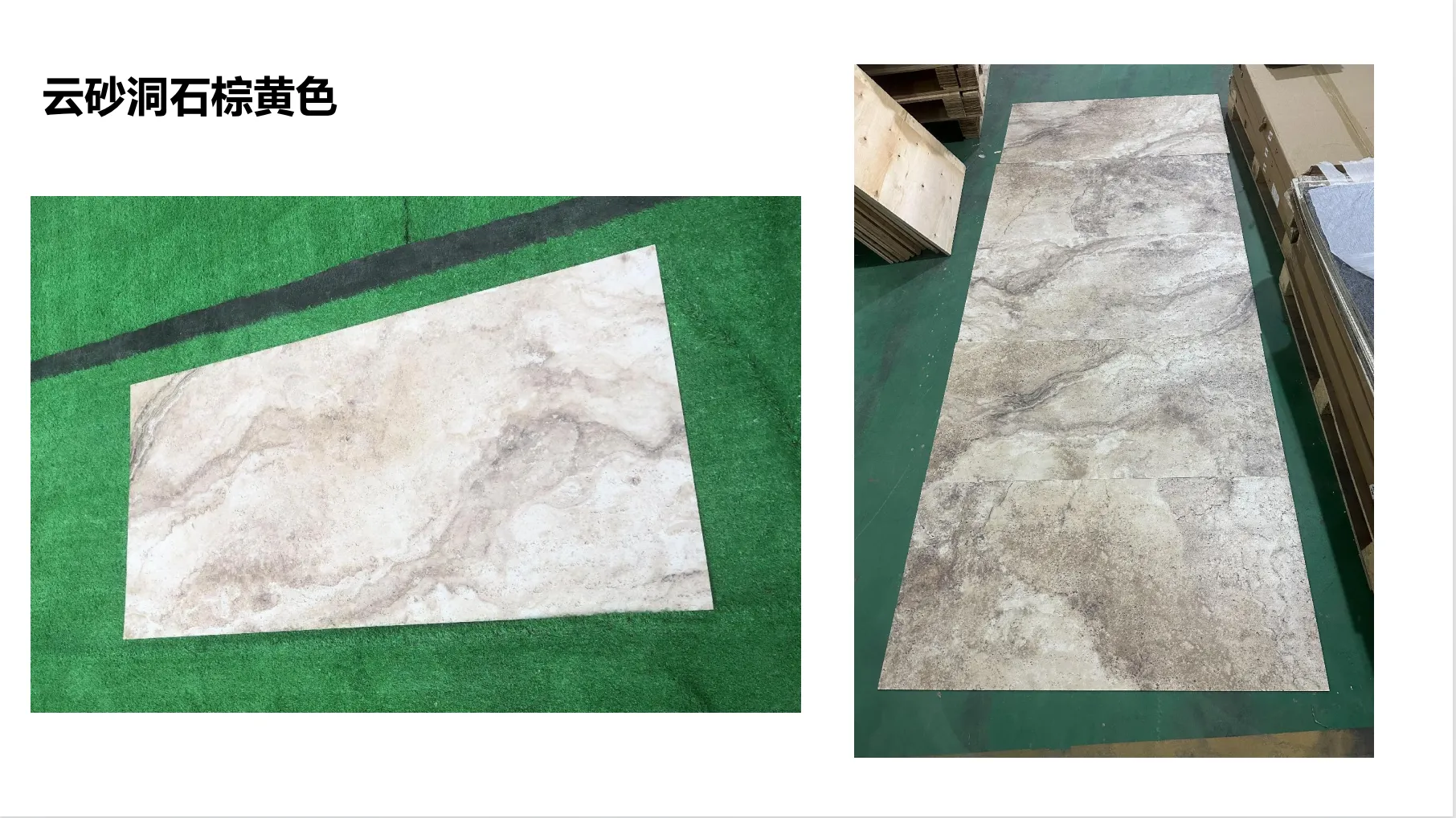
Dolomitic travertine French pattern brings together two things that architects and property owners care about most: the refined durability of dolomitic travertine and the elegant, multi-size layout of the classic French pattern. Whether you are planning a courtyard, a pool surround or a feature wall for a commercial lobby, this pairing delivers a warm, natural stone look with a distinctly sophisticated rhythm. In this article we explore what makes dolomitic travertine special, how the French pattern works in practice, and how flexible building solutions can bring the same aesthetic to modern projects.
Dolomitic travertine is a naturally occurring stone in which the classic bands and pores of travertine are enriched with a higher proportion of dolomite mineral. Compared with standard travertine, dolomitic varieties tend to be denser, harder and more resistant to weathering, while keeping the soft neutral shades and subtle veining that make travertine so timeless. This combination makes it a popular choice for both interior flooring and exterior cladding, where long-term performance matters just as much as appearance.
The French pattern, also referred to as the Versailles pattern or Opus Francaise, is a repeating layout built from several different tile sizes. Rather than running every edge in a straight grid, the pieces are set together in a staggered, offset rhythm that reduces visible joints and creates a natural sense of movement across the surface. In a classic installation the pattern typically combines four dimensions, such as 610x406 mm, 406x406 mm, 203x406 mm and 203x203 mm, so the eye travels across the floor instead of being locked into repetitive squares. The result feels organic, architectural and quietly luxurious.
Combining dolomitic travertine with a French layout gives you several practical and visual advantages:
The dolomitic travertine French pattern works beautifully in patios, pool surrounds, walkways and courtyards, where its natural feel and slip-friendly finishes make it a sensible choice. Indoors, it lifts entrance lobbies, living areas and feature walls, while commercial settings such as hotels and reception spaces benefit from its calm, high-end character. Because the look is so adaptable, it suits both residential and commercial projects large and small.
Bringing the appearance of natural dolomitic travertine to your project no longer depends on heavy stone slabs. COLORIA GROUP, based in Foshan and operating since 2010, develops modified clay (MCM) flexible building materials that reproduce the colour, texture and depth of natural stone at a fraction of the weight. Our MCM project board series and dolomitic travertine (claybank) options deliver flexible, lightweight panels that are easy to transport, simple to install and kind to wall and floor structures. For architects and contractors, this means the celebrated French pattern aesthetic becomes available for renovation work, facades and curved surfaces where traditional stone would be impractical.
The dolomitic travertine French pattern is more than a passing style trend. It offers a durable, low-maintenance surface with a refined, natural character that suits both contemporary and classic spaces. And when flexibility, weight and ease of installation matter, modern MCM solutions make this design achievable in places that were previously off-limits to stone. To learn more about the patterns, colours and panel sizes available for your next project, explore the COLORIA product range and let our team help you find the right fit.
Recommend Products












