
How natural texture and innovative materials transform transit spaces into memorable journeys
Airports are more than just gateways between cities—they're the first and last impression travelers carry of a destination. Imagine stepping off a long flight, bleary-eyed, and being greeted not by cold, sterile corridors, but by a space that feels grounded, warm, and intentionally designed to ease the chaos of travel. This shift from utilitarian to human-centered design is where materials take center stage. Among the stars of this transformation is dolomitic travertine —a stone that marries the raw beauty of nature with the durability needed for high-traffic environments. When paired with innovations like MCM flexible stone and complementary materials such as fair-faced concrete , it doesn't just clad walls or floors; it crafts experiences.
In this article, we'll explore how dolomitic travertine—available in rich variants like dark grey and claybank —is redefining airport aesthetics. We'll dive into its unique properties, how modern technologies like MCM (Modified Composite Material) amplify its potential, and why it's becoming a go-to choice for architects aiming to balance functionality with emotional resonance. Along the way, we'll touch on complementary materials that harmonize with dolomitic travertine, creating spaces that feel both timeless and contemporary.
Travertine has long been celebrated for its organic charm—think of the ancient Roman aqueducts, where its porous, honeycombed texture bears the marks of time. Dolomitic travertine, a variant rich in magnesium, takes this legacy further. It's denser than traditional travertine, making it more resistant to wear, while retaining that signature "lived-in" texture that feels less like a building material and more like a piece of the earth itself.
With its deep, moody hue and subtle veining, dolomitic travertine (dark grey) is the quiet workhorse of airport design. It adds depth to large spaces without overwhelming them, making it ideal for main concourses or baggage claim areas where foot traffic is constant. Imagine walking across a floor that mimics the smooth, weathered surface of riverbed stones—each step feels steady, grounding, a silent counter to the rush of travel.
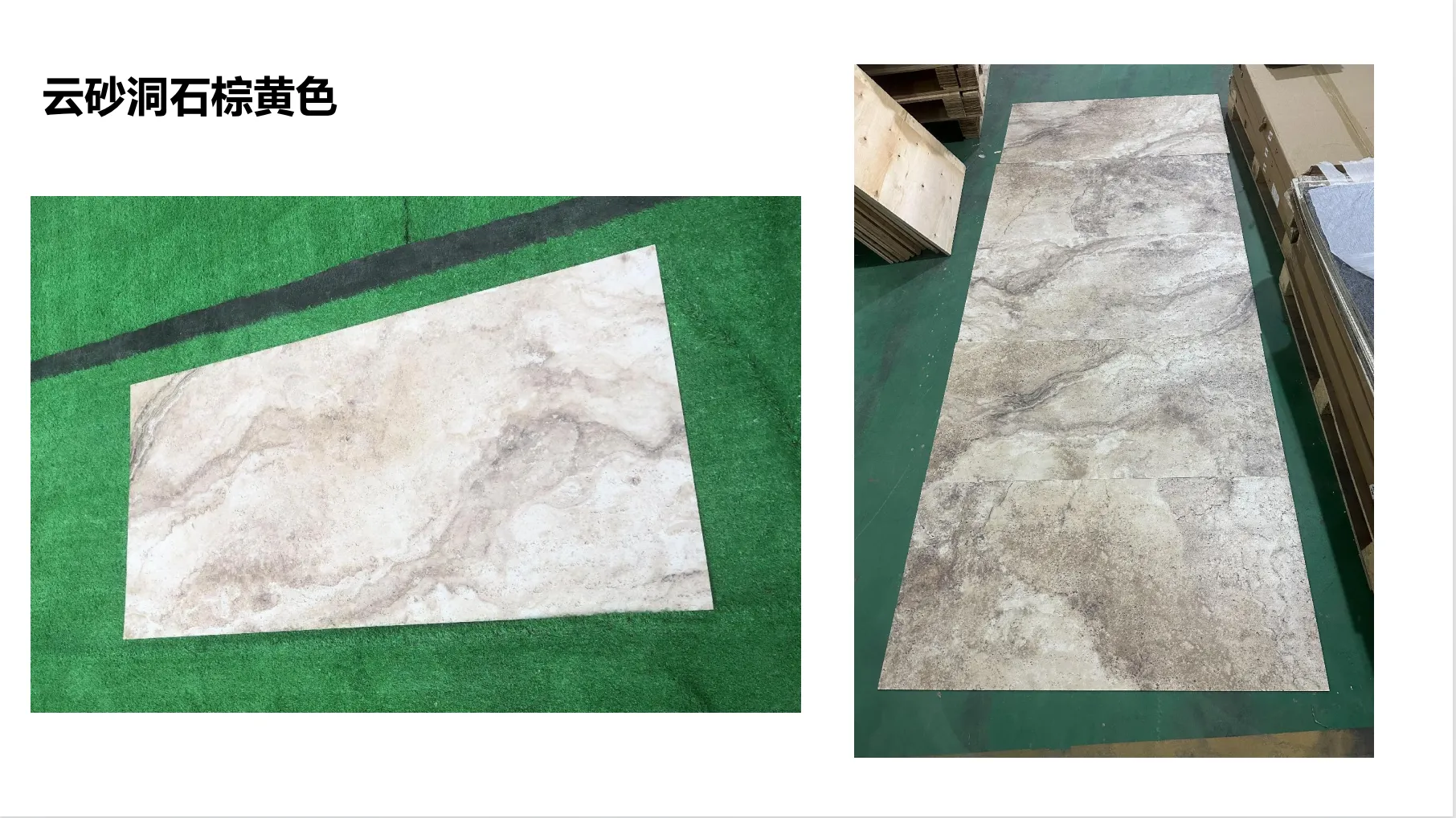
On the flip side, dolomitic travertine (claybank) leans into warmth. Its soft, earthy tone—reminiscent of sunbaked soil or aged terracotta—turns waiting areas into havens. Picture a gate lounge lined with claybank dolomitic travertine walls, paired with wooden benches and soft overhead lighting. Suddenly, a 2-hour layover doesn't feel like a chore; it feels like a moment to pause, breathe, and absorb the space's quiet beauty.
What truly sets dolomitic travertine apart is its versatility. Unlike uniform synthetic materials, no two slabs are identical. Each bears unique pits, grooves, and color variations—details that catch the light differently throughout the day, keeping the space dynamic. In an airport, where monotony can heighten stress, these subtle changes in texture and tone create visual interest that feels natural, not forced.
While natural stone brings unmatched beauty, airports demand practicality: lightweight materials, easy installation, and resistance to the wear of millions of footsteps. This is where MCM flexible stone steps in. Short for Modified Composite Material, MCM technology wraps the authentic texture of dolomitic travertine (and other stones) into a thin, flexible panel that's a fraction of the weight of traditional stone slabs. It's a game-changer for architects and builders, opening doors to designs once thought impossible.
Imagine a curved wall in a terminal atrium, clad in dolomitic travertine (dark grey) MCM panels. Traditional stone would require heavy structural support, but MCM's flexibility lets it bend gracefully, creating a sweeping, organic form that draws the eye upward. Or consider a ceiling installation: lightweight MCM panels can mimic the look of claybank dolomitic travertine, turning a utilitarian overhead space into a sky-like expanse that feels open and airy. For passengers, these design choices matter—they transform cramped corridors into spaces that feel expansive and intentional.
Durability is another win. MCM flexible stone is engineered to resist scratches, stains, and moisture—critical in airports where spills, luggage scuffs, and cleaning chemicals are daily realities. Unlike natural stone, which can crack under stress, MCM panels are impact-resistant, ensuring the design stays intact even in high-traffic zones. And when it's time for maintenance? A simple wipe with mild soap is often all it takes to keep the surface looking fresh—a relief for airport operators managing tight budgets and busy schedules.
| Material | Aesthetic Vibe | Durability | Best For |
|---|---|---|---|
| Dolomitic Travertine (Dark Grey) | Modern, grounded, with organic texture | High (resistant to wear; sealed pores prevent staining) | Main concourses, walkways, check-in areas |
| Dolomitic Travertine (Claybank) | Warm, earthy, reminiscent of natural landscapes | High (dense structure resists chipping) | Lounges, dining areas, gate waiting zones |
| Fair-Faced Concrete | Industrial-chic, minimalist, with a smooth, matte finish | Exceptional (resistant to heavy impact and weathering) | Structural elements, accent walls, outdoor walkways |
Pairing dolomitic travertine with fair-faced concrete —a material prized for its raw, uncoated finish—creates a striking balance of warmth and edge. Imagine a terminal where dark grey dolomitic travertine floors flow into fair-faced concrete pillars: the stone's texture softens the concrete's starkness, while the concrete adds a modern, industrial contrast that feels fresh and dynamic. For passengers, this mix of materials creates visual rhythm—areas to pause (the warm, textured zones) and areas to move (the sleek, durable ones)—guiding them intuitively through the space.
Let's take a hypothetical example: a bustling international airport in the heart of a European city, undergoing a renovation to modernize its terminals while honoring its cultural roots. The design team's goal? To create a space that felt "local" without leaning on clichés, and "calm" without feeling sterile. Their solution centered on dolomitic travertine, MCM flexible stone, and fair-faced concrete.
In the arrivals hall, they chose dolomitic travertine (claybank) MCM panels for the walls. The soft, terracotta-like hue echoed the region's historic architecture, while the panels' flexibility allowed for custom, wave-like patterns that mimicked the nearby coastline. Below, dark grey dolomitic travertine floors (in traditional slab form) handled the constant flow of luggage carts and passengers, their natural grip preventing slips even in rainy weather. Nearby, a fair-faced concrete information desk stood as a sculptural centerpiece, its smooth surface contrasting with the stone's texture to draw visitors in.
In the departures lounge, the team took a bolder approach. They installed a ceiling of dolomitic travertine (dark grey) MCM panels, cut into thin strips and arranged in a linear pattern that mimicked the flight paths of planes taking off. The effect? When natural light streamed through the floor-to-ceiling windows, the stone panels cast dappled shadows across the space, creating a sense of movement and connection to the sky outside. Passengers waiting for flights reported feeling less anxious—they described the lounge as "open" and "soothing," with the stone's texture grounding them amid the chaos of travel.
Perhaps most telling was the feedback from staff: cleaning crews noted the MCM panels were far easier to maintain than the old marble walls, and maintenance teams praised the durability of the dolomitic travertine floors, which showed minimal wear even after a year of heavy use. For the airport, the investment in these materials paid off not just in aesthetics, but in operational efficiency and passenger satisfaction.
In an era of digital overload, humans crave connection—to nature, to authenticity, to something tangible. Airports, with their sterile lighting and endless announcements, can feel like the antithesis of that connection. But materials like dolomitic travertine bridge that gap. Their natural texture engages the senses: the rough-hewn surface of a claybank slab invites a gentle touch; the way light plays on dark grey veining catches the eye and slows the pace of movement.
Studies have shown that exposure to natural materials can reduce stress levels, lower heart rates, and improve overall mood—critical in a space where travelers are often tired, anxious, or disoriented. When paired with MCM flexible stone, which allows for creative, nature-inspired designs (think: curved walls that mimic canyon walls, or ceiling panels that evoke layered rock formations), dolomitic travertine doesn't just decorate an airport; it heals it. It turns a place of transition into a place of respite.
Consider the sensory experience of walking through a terminal clad in dolomitic travertine. The sound of footsteps is muted, absorbed by the stone's porous surface, replacing the harsh echo of tile or concrete. The air feels softer, as natural materials regulate humidity better than synthetic ones, reducing that dry, "artificial" feeling common in air-conditioned spaces. Even the subtle scent of stone—earthy, mineral-rich—can evoke memories of forests, mountains, or beaches, transporting passengers mentally even before they board their flight.
As airports evolve to meet the needs of tomorrow's travelers—more sustainable, more personalized, more connected—materials will play an even bigger role. Dolomitic travertine, with its natural origins and compatibility with eco-friendly MCM technology, is poised to lead this charge. Imagine terminals where MCM flexible stone panels are made from recycled materials, or dolomitic travertine is sourced locally to reduce carbon footprints. Or smart airports where embedded sensors in stone floors guide passengers via subtle light patterns, all while retaining the stone's organic texture.
Even as technology advances, the human desire for connection to nature remains constant. Dolomitic travertine, with its ability to blend the old and the new, the natural and the innovative, is more than a material—it's a storyteller. It tells the story of the earth beneath our feet, of the craftsmanship that turns stone into art, and of the airports that strive to make every journey a little more human.
Recommend Products












