


Think about the last time you walked into a room and immediately felt at ease—maybe a cozy café with warm lighting, or a sunlit bookstore with wooden shelves. Now, imagine spending six to eight hours a day in a space that feels cold, sterile, or uninspiring. For students, that's often the reality of traditional school environments: stark white walls, harsh fluorescent lights, and generic flooring that does little to spark joy or focus.
Educators and architects have long recognized that the physical environment plays a silent but powerful role in learning. Studies show that spaces with natural light, organic textures, and warm colors can boost student engagement by up to 15%, improve memory retention, and even reduce stress levels. It's not just about aesthetics; it's about creating places where students want to be—where curiosity thrives, and collaboration feels natural.
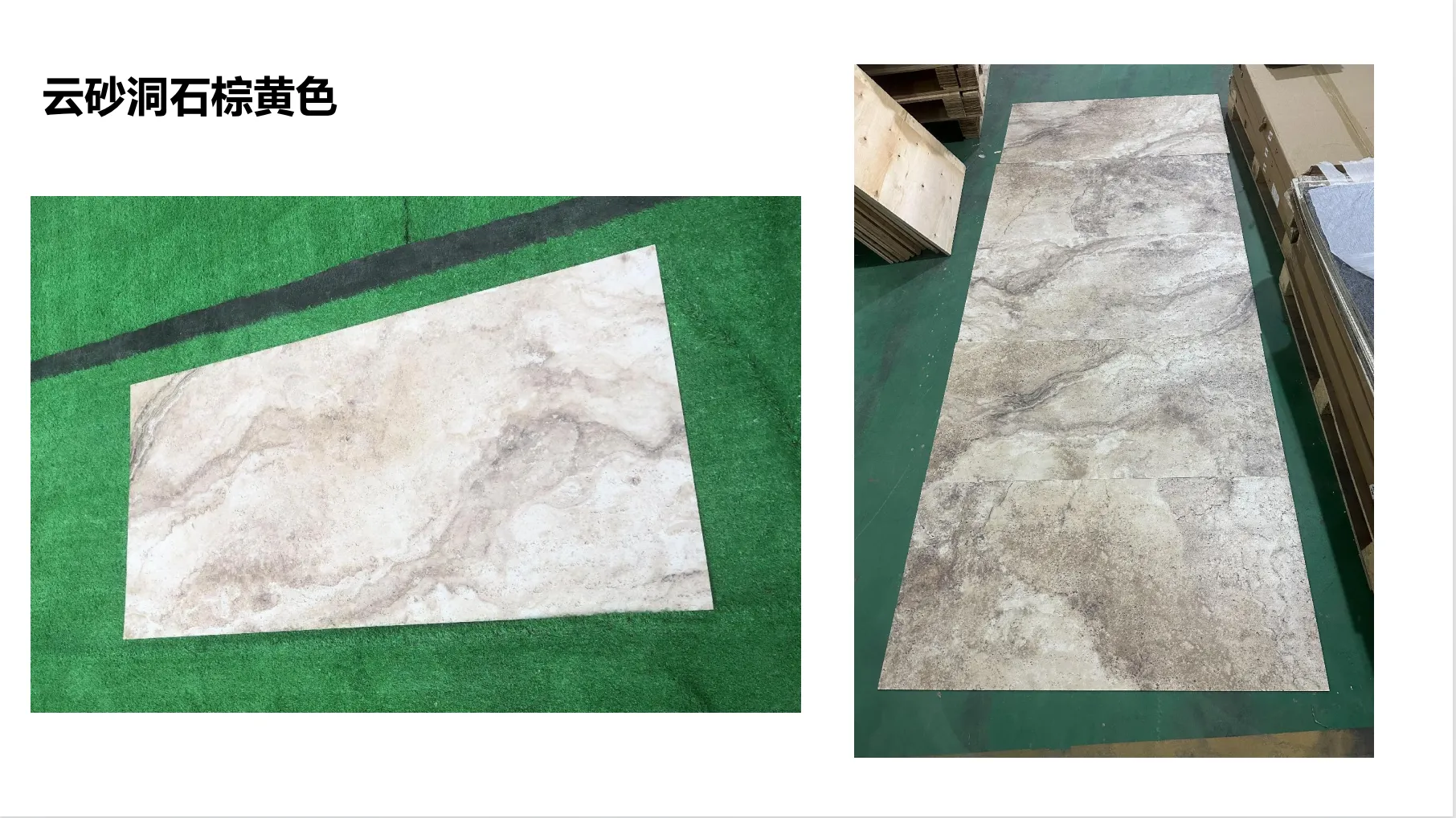
In recent years, this shift toward intentional design has led many schools and universities to turn to natural materials. Unlike synthetic alternatives, natural stone, wood, and clay bring a sense of authenticity and longevity to spaces. They age gracefully, tell stories through their unique textures, and connect us to the world outside the classroom. Among these materials, one stands out for its versatility, durability, and ability to adapt to diverse educational needs: dolomitic travertine.










