
Step into a healthcare facility, and the first things that register aren't just the smell of antiseptic or the hum of medical equipment—they're the textures underfoot, the colors on the walls, the way light filters through windows and bounces off surfaces. These elements, often overlooked, shape how patients feel: anxious or at ease, overwhelmed or grounded. In a space where healing is the goal, every design choice matters. And when it comes to balancing functionality—like cleanliness and durability—with emotional comfort, few materials rise to the occasion like dolomitic travertine.
Healthcare design is a delicate dance. Surfaces must withstand constant cleaning with harsh disinfectants, resist stains from spills, and hold up to the relentless foot traffic of staff, patients, and visitors. But they also need to soften the clinical edge of medical environments. Cold, sterile spaces can heighten stress, slow recovery, and drain the energy of caregivers. That's why architects and designers are increasingly turning to natural materials—substances that feel alive, with subtle variations and organic textures that evoke the outdoors, even in the heart of a hospital.
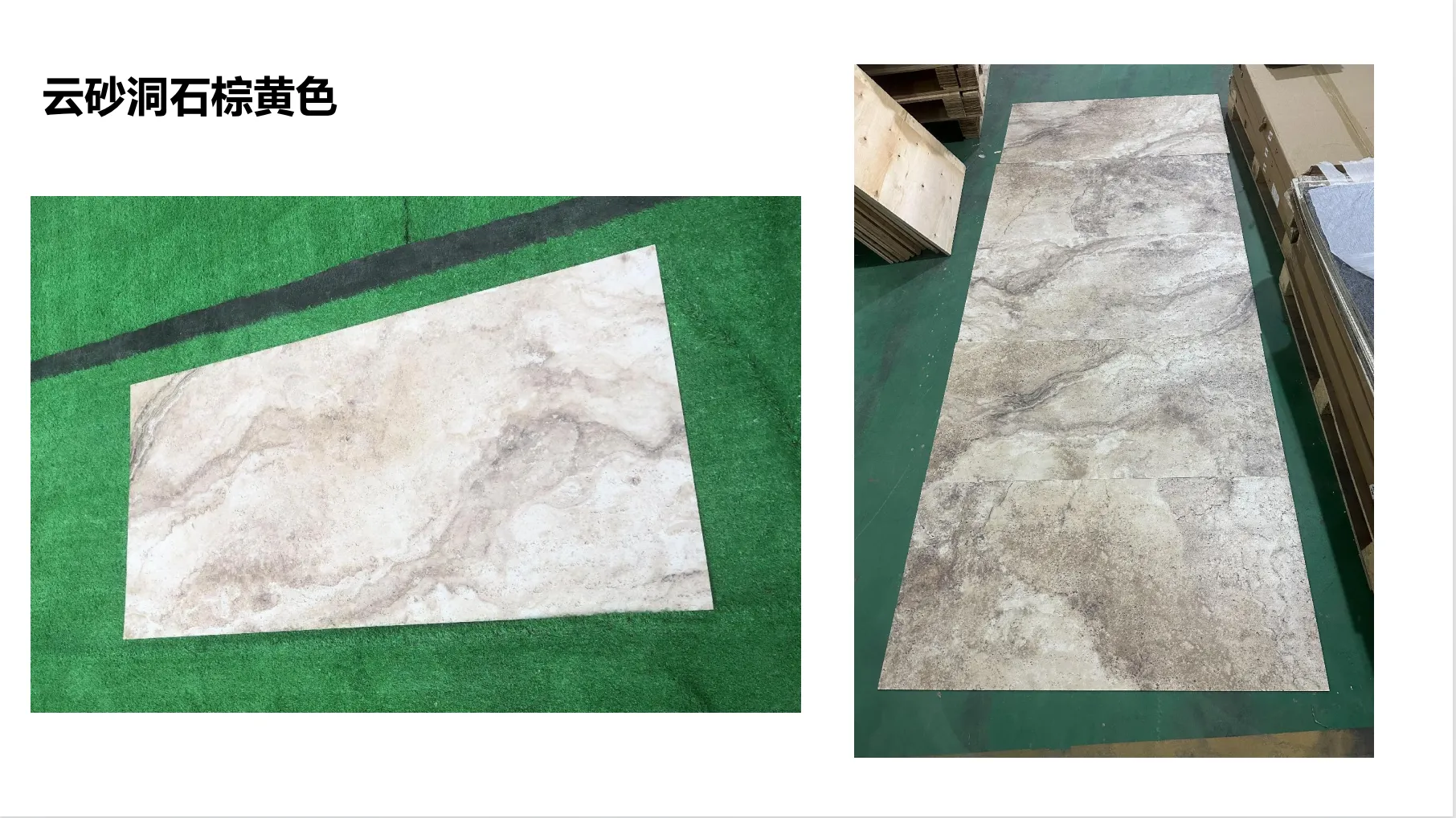
Enter dolomitic travertine. A cousin to traditional travertine, this stone carries the same warmth and character but with a denser composition thanks to its dolomite content. It's not just a pretty face; it's a workhorse. And in shades like dark grey and claybank, it brings a versatility that fits seamlessly into both modern and timeless healthcare settings.
Travertine itself forms in hot springs and limestone caves, where mineral-rich water cools and deposits calcium carbonate. Dolomitic travertine takes this process a step further, incorporating magnesium into its structure, resulting in a harder, less porous stone. This subtle shift in composition makes a world of difference in high-stakes environments like hospitals. It's still porous enough to breathe—avoiding the clinical "plasticky" feel of synthetic materials—but dense enough to resist moisture and bacteria growth.
Color isn't just about aesthetics in healthcare; it's about psychology. Dark grey dolomitic travertine exudes stability and sophistication. Its deep, muted tone absorbs harsh light, creating a serene backdrop for waiting rooms or recovery suites. Imagine a patient lying in bed, their eyes tracing the gentle veining of a dark grey wall—no stark whites, no jarring patterns, just a quiet, grounding presence.
Claybank dolomitic travertine, on the other hand, leans into warmth. Its soft, earthy hue—reminiscent of sun-baked soil or sandstone cliffs—invites comfort. It pairs beautifully with natural wood accents and soft lighting, turning a sterile corridor into a path that feels more like a walk in a forest than a trip to the clinic. Both shades avoid the "hospital white" stereotype, offering instead a sense of balance: not too bright, not too dull, just right.
In healthcare, cleanliness isn't optional—it's life-saving. Surfaces that trap dirt, harbor bacteria, or degrade under disinfectants put patients at risk. Dolomitic travertine, with its dolomite-reinforced density, minimizes these risks. Unlike porous stones that can absorb liquids, its tighter structure prevents spills from seeping in. A quick wipe with a hospital-grade cleaner is often enough to sanitize it, without leaving streaks or damaging the surface.
Compare this to fair-faced concrete, another popular choice for its industrial-chic look. While concrete is durable, its porous surface can develop microcracks over time, becoming a breeding ground for germs. It also tends to show stains more easily, requiring frequent sealing to maintain hygiene. Dolomitic travertine, by contrast, starts with a cleaner slate—and stays that way.
Hospitals don't have time for high-maintenance materials. Staff are too busy caring for patients to fuss over finicky surfaces. Dolomitic travertine thrives here. Its hardness resists scratches from rolling IV stands or dropped medical tools. Unlike polished marble, which can etch when exposed to acidic substances (think spilled juice or antiseptic wipes), dolomitic travertine holds its own. Even in pediatric wards, where crayons and sticky fingers are par for the course, a damp cloth and mild soap are usually enough to restore its original luster.
There's a reason we're drawn to natural materials: they engage our senses. Run a hand over dolomitic travertine, and you'll feel the subtle ridges and valleys left by centuries of mineral deposition. It's not perfectly smooth like glass or vinyl; it has character. For patients, especially children or those with sensory sensitivities, this texture can be grounding. It's a reminder of the natural world—something solid and real in a space that often feels abstract and intimidating.
Contrast this with MCM flexible stone, a synthetic alternative that mimics natural textures but lacks the depth of the real thing. MCM panels are lightweight and easy to install, making them popular for large-scale projects. But they can feel flat, like a photograph of stone rather than the stone itself. In healthcare, where authenticity matters for emotional well-being, that difference is palpable.
Color psychology research shows that soft, earthy tones reduce stress by lowering heart rate and blood pressure. Dark grey dolomitic travertine, with its association with stone and mountains, evokes a sense of permanence and safety. It's a color that says, "You're in a stable place." Claybank, with its warm undertones, triggers memories of sunlight and soil—elements that feel nurturing and alive.
Travertine (beige), a more common variant, offers similar benefits, but dolomitic travertine's richer hues add depth. Beige can sometimes feel washed out in large spaces, whereas dark grey and claybank hold their presence without overwhelming. They pair beautifully with soft greens (think plants) and warm woods, creating a palette that feels cohesive and intentional.
To truly appreciate dolomitic travertine, it helps to see how it stacks up against other go-to materials in healthcare design. Let's break it down:
| Material | Porosity | Maintenance | Aesthetic | Suitability for High-Traffic Areas |
|---|---|---|---|---|
| Dolomitic Travertine (Dark Grey/Claybank) | Low (dense dolomite structure) | Minimal (wipe with disinfectant; occasional sealing) | Warm, organic, with natural veining | Excellent (resists scratches and stains) |
| Fair-Faced Concrete | Medium (prone to microcracks) | High (requires regular sealing; shows stains easily) | Industrial, sleek, but can feel cold | Good (durable but less forgiving with spills) |
| MCM Flexible Stone | Low (synthetic, non-porous) | Low (easy to clean; lightweight) | Imitates natural stone but lacks depth | Good (resistant to impact but may fade over time) |
| Travertine (Beige) | Medium (more porous than dolomitic variant) | Moderate (needs frequent sealing to prevent staining) | Light, airy, but can feel flat in large spaces | Fair (softer; prone to scratching) |
As the table shows, dolomitic travertine strikes a rare balance: it's low-maintenance enough for clinical settings, aesthetically rich enough for emotional comfort, and durable enough for daily wear and tear.
Children's Hospital Boston recently renovated its oncology ward, replacing sterile white walls with claybank dolomitic travertine accent panels. The goal? To create a space that felt less like a hospital and more like a "home away from home." Early feedback from patients and families has been striking: kids report feeling less anxious during treatments, and parents note that the warm, earthy tones make long stays more bearable. Staff, too, have commented on the calming effect—describing the ward as "less draining" at the end of a shift.
Silverado Rehabilitation Center in Chicago chose dark grey dolomitic travertine for its physical therapy gym floors. The stone's slip-resistant surface and durability were key (patients often use walkers or wheelchairs), but the design team also wanted to create a space that felt empowering. The dark grey hue, paired with large windows and greenery, gives the gym a sleek, modern vibe—more like a high-end fitness studio than a medical facility. Patients report feeling more motivated to engage in therapy, and therapists note that the environment feels "less clinical," encouraging movement and progress.
Healthcare facilities are long-term investments, and materials should be too. Dolomitic travertine is quarried from sustainable sources, with many suppliers adhering to strict environmental standards. Unlike synthetic materials that degrade over time and end up in landfills, natural stone lasts for decades—even centuries. When properly maintained, dolomitic travertine surfaces can outlive the buildings they're installed in, reducing the need for frequent replacements and lowering the facility's carbon footprint.
Fair-faced concrete, while durable, often requires repairs or resurfacing every 10–15 years. MCM panels, though lightweight, can fade or peel under prolonged UV exposure. Dolomitic travertine? It ages gracefully, developing a patina that only adds to its character. It's a material that grows with the space, not against it.
In the end, healthcare design isn't just about building spaces—it's about building environments that heal. Dolomitic travertine, in its dark grey and claybank forms, does exactly that. It's cleanable, durable, and sustainable—checking all the boxes for functionality. But it's also warm, textured, and emotionally resonant—ticking the boxes for comfort. It's a material that understands the dual needs of healthcare: the science of healing and the art of caring.
As we continue to reimagine healthcare spaces, let's not forget the power of materials like dolomitic travertine. They're not just surfaces; they're partners in healing. And in a world where every moment of calm counts, that partnership is invaluable.
Recommend Products












