
Step into the cobblestone streets of a medieval village, and you'll feel it immediately—the weight of history in every weathered archway, every chipped stone facade, every worn step that generations have trodden. These buildings aren't just structures; they're storytellers, holding tales of craftsmanship, community, and time itself. But here's the quiet challenge facing preservationists and architects worldwide: how do we care for these aging giants without erasing their soul? replace a cracked stone with something too modern, and the building loses its whisper of the past. Stick rigidly to traditional materials, and you risk future decay, as centuries-old stone may no longer stand up to today's climate, foot traffic, or structural demands. It's a dance between honoring heritage and ensuring longevity—and dolomitic travertine is emerging as the perfect partner in that dance.
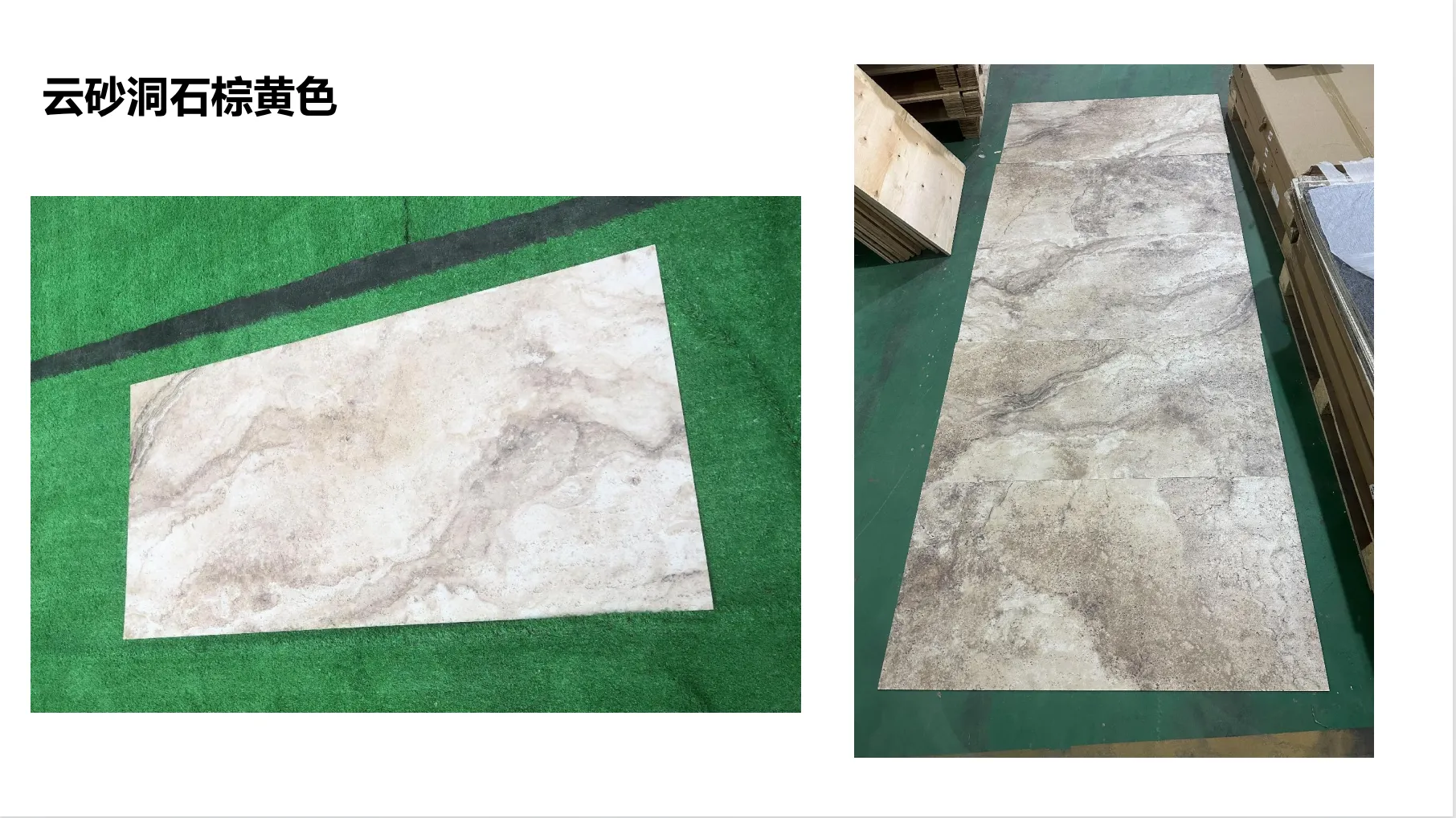
In the world of historical renovation, the stakes are personal. A 16th-century town hall isn't just brick and mortar; it's where a community gathered to celebrate weddings, mourn losses, and shape laws. A Renaissance villa isn't merely a home; it's a canvas of artistry, with stone carvings that reflect the dreams of its creators. To repair these spaces is to safeguard memories. But for too long, the options have felt limited: either use the same soft, porous travertine that originally graced the walls (and watch it chip again in a decade) or opt for a synthetic alternative that shines too brightly, too "new," disrupting the building's weathered harmony. Enter dolomitic travertine—specifically varieties like dolomitic travertine (dark grey) and dolomitic travertine (claybank)—a material that bridges the gap between then and now. It carries the same earthy texture, the same subtle veining, and the same warm, timeworn aesthetic as traditional travertine, but with a durability and flexibility that modern preservation demands. And when paired with innovations like the MCM project board series, it becomes a tool for not just repairing history, but reimagining it.
To understand why dolomitic travertine has become a darling of historical renovation, we first need to appreciate travertine itself. For millennia, this sedimentary rock—formed by mineral-rich hot springs—has adorned some of the world's most iconic structures: the Colosseum in Rome, the amphitheaters of Ephesus, the facades of Venice's palazzos. Its charm lies in its imperfections: the tiny pores (created by gas bubbles trapped as the stone formed), the irregular veining, the way it softens light rather than reflecting it harshly. It doesn't just look old; it feels lived-in, as if it has absorbed the passage of time like a sponge.
Dolomitic travertine takes that legacy and elevates it. Unlike standard travertine, which is primarily calcium carbonate, dolomitic travertine is infused with dolomite—a mineral that adds strength without sacrificing beauty. This subtle shift in composition makes a world of difference. Traditional travertine, while stunning, is prone to scratching, staining, and water absorption; in humid climates or high-traffic areas, it can degrade quickly. Dolomitic travertine, by contrast, boasts a higher density and lower porosity, making it resistant to moisture, frost, and everyday wear. It's like giving an old friend a new lease on life—same heart, sturdier bones.
Take dolomitic travertine (claybank), for example. Its warm, earthy hue—reminiscent of sunbaked soil and aged terracotta—blends seamlessly with historical structures built from local stone. Walk past a wall repaired with this variety, and your eye won't catch a "patch"; it will see continuity, as if the stone has always been there. Then there's dolomitic travertine (dark grey), with its deeper, moodier tones, perfect for complementing Gothic or medieval architecture, where shadows and texture play starring roles. In Prague's Old Town, for instance, a recent restoration of a 14th-century merchant's house used dark grey dolomitic travertine to replace weathered limestone blocks. The result? The building looks exactly as it did in old engravings, but now stands firm against Prague's harsh winters and bustling tourist crowds.
Historical renovation isn't just about "looking the part"—it's about performance. A material might mimic the color of old stone, but if it cracks under thermal expansion (a common issue in buildings with poor insulation) or can't be shaped to match intricate carvings, it's useless. Dolomitic travertine excels here, thanks to a handful of properties that make it uniquely suited to bridge heritage and modernity.
One of the biggest headaches in restoring old buildings is their unpredictability. Walls that have settled over centuries are rarely straight; foundations may slope, and surfaces can be uneven. Traditional stone, heavy and rigid, struggles to adapt to these irregularities, often requiring extensive (and invasive) structural repairs to create a flat base. Dolomitic travertine, however, offers a level of flexibility that's game-changing—especially when integrated into systems like the MCM project board series. MCM (Modified Composite Material) boards, which can incorporate dolomitic travertine, are thin, lightweight, and surprisingly bendable. This means they can conform to the curves and quirks of historical walls without requiring major structural overhauls. Imagine a 17th-century chapel with a slightly bowed facade: instead of tearing down and rebuilding (a tragedy for heritage), contractors can apply MCM-backed dolomitic travertine panels that "hug" the original wall, preserving its character while adding a protective, durable layer.
Preservationists often talk about "invisible repair"—the art of fixing damage so subtly that even experts struggle to spot where the old ends and the new begins. Dolomitic travertine excels here, particularly in varieties like dolomitic travertine (claybank) and dark grey, which mirror the natural variations of aged stone. Unlike synthetic imitations, which can look "plastic" or overly uniform, dolomitic travertine retains the organic, random veining that makes natural stone so compelling. A close inspection might reveal tiny differences between original and new stone—but that's the point. History isn't perfect, and neither should its repairs be. This attention to detail matters: when a building feels "whole," it continues to tell its story without interruption. In the restoration of a 19th-century railway station in France, for example, architects used dolomitic travertine (claybank) to replace damaged sections of the facade. Today, visitors run their hands over the stone, unaware that some of it is brand-new. That's the magic of invisible repair—it lets the building keep speaking.
Modern preservation isn't just about the building—it's about the planet, too. Traditional stone quarrying can be resource-intensive, and transporting heavy blocks long distances leaves a large carbon footprint. Dolomitic travertine, when sourced responsibly, offers a more sustainable alternative. Many quarries now use eco-friendly extraction methods, and the stone's durability means less frequent replacement (reducing waste over time). Additionally, the MCM project board series, which often incorporates dolomitic travertine, is designed for efficiency: lightweight panels mean lower transportation emissions, and pre-cut sizes reduce on-site waste. For historical sites in sensitive environments—like coastal villages or mountain towns—this sustainability factor is non-negotiable. It's not enough to preserve a building; we must preserve the world around it, too.
To truly grasp dolomitic travertine's impact, let's step into the shoes of a preservation team working on a project close to many hearts: the restoration of a medieval monastery in Tuscany, known locally as "Historical Pathfinders Stone" for its role in guiding travelers through the region for over 800 years. By 2020, the monastery's cloisters were in dire straits: water had seeped through crumbling travertine arches, causing mold and weakening the structure. The original stone was too soft to withstand another winter, but replacing it with anything "new" felt like sacrilege.
The team's solution? Dolomitic travertine (claybank) paired with flexible stone technology from the MCM project board series. Here's how it worked: First, they carefully documented every inch of the original stone—its color variations, pore patterns, even the way light hit its surface—using 3D scanning. Then, they sourced dolomitic travertine (claybank) from a local quarry, ensuring the mineral composition matched the region's geological history. The stone was cut into thin, flexible panels via the MCM process, which bonded it to a lightweight backing, making installation easier and less invasive. Instead of removing the entire damaged arch (which would have risked destabilizing the structure), the team attached the dolomitic travertine panels directly over the weakened areas, using a mortar that mimicked the original lime-based mix.
The result? Today, the cloisters stand strong, with stone that looks as if it has been there for centuries. Monks walk the same paths, visitors pause to admire the arches, and the building's structural integrity is secured for decades to come. The project even coined a term for this approach: "adaptive preservation"—using modern materials to adapt to the past, not overwrite it. And at the heart of it all was dolomitic travertine, proving that some materials don't just repair history—they become part of it.
Still wondering how dolomitic travertine stacks up against its traditional counterpart? The table below breaks down key factors that matter most in historical renovation:
| Attribute | Traditional Travertine | Dolomitic Travertine (Dark Grey) | Dolomitic Travertine (Claybank) |
|---|---|---|---|
| Durability | Moderate; prone to scratching/porosity | High; dolomite infusion resists wear/moisture | High; same dolomite strength with claybank hue |
| Aesthetic Match to Historical Stone | Excellent (original material) | Excellent; dark grey tone mimics aged limestone | Excellent; claybank hue blends with terracotta/earthy structures |
| Flexibility for Uneven Surfaces | Low; rigid blocks require flat substrates | High (when paired with MCM project board series) | High (when paired with MCM project board series) |
| Installation Ease | Challenging; heavy blocks need structural support | Moderate; lightweight panels reduce labor/equipment needs | Moderate; same as dark grey, with color-specific matching |
| Sustainability | Moderate; high transport emissions due to weight | High; eco-sourced, durable (less replacement waste) | High; same as dark grey, with local sourcing options |
While dolomitic travertine brings the aesthetic and durability, the MCM project board series brings the innovation. MCM, or Modified Composite Material, is a technology that bonds thin layers of natural stone (like dolomitic travertine) to a lightweight, flexible backing (often fiberglass or aluminum). The result? Panels that are easy to transport, quick to install, and able to conform to the curved, uneven surfaces common in historical buildings. For renovation teams, this is a game-changer. Instead of spending weeks cutting and shaping heavy stone blocks on-site, they can use pre-cut MCM panels that fit like puzzle pieces—saving time, reducing labor costs, and minimizing disruption to the building (critical for occupied historical sites like museums or active churches).
The MCM project board series also offers consistency, which is key when matching existing stone. Traditional travertine from the same quarry can vary widely in color and veining, making it hard to achieve a uniform look during repairs. MCM panels, by contrast, are crafted to maintain consistent tones and patterns, ensuring that new sections blend seamlessly with old. For example, in the restoration of a 18th-century opera house in Vienna, the team used MCM project board series panels featuring dolomitic travertine (dark grey) to repair water-damaged areas of the facade. The panels matched the original stone so closely that even the opera's long-time ushers couldn't tell where the repairs ended and the original stone began. "It's like the building remembered how to be whole," one preservationist noted—a sentiment that captures the emotional power of this technology.
Historical renovation is more than a construction project; it's an act of love. It's about looking at a cracked wall and seeing not just damage, but potential—potential to keep a story alive, to let future generations walk in the footsteps of those who came before. Dolomitic travertine, in its dark grey and claybank forms, isn't just a material; it's a promise. A promise that we can honor the past without being trapped by it, that we can build for the future without erasing history. When paired with innovations like the MCM project board series and guided by the ethos of "historical pathfinders stone," it becomes a tool for connection—linking centuries of craftsmanship to modern ingenuity.
So the next time you wander through a historical district, take a moment to look closer at the stone walls. Some of them might be newer than they seem—crafted with dolomitic travertine, installed with care, and designed to stand tall for centuries to come. And in that quiet blend of old and new, you'll see the true beauty of preservation: not just saving buildings, but saving the stories they tell. After all, the past isn't something to lock away in a museum. It's something to live with—and dolomitic travertine is helping us do just that.
Recommend Products












