
Walk into any luxury hotel, and you'll quickly realize it's never just about the thread count of the sheets or the view from the window. Those are important, sure—but the real magic lies in how the space makes you feel. From the moment you step through the door, every texture, color, and material works together to craft an experience that lingers long after check-out. And in that symphony of design, few materials play a more harmonious role than dolomitic travertine.
You might not know it by name, but you've almost certainly felt its presence. That warm, earthy stone with the soft, undulating veins that seem to tell a story of time itself? The one that feels both ancient and utterly modern, grounding a space in nature while elevating it to something extraordinary? Chances are, that's dolomitic travertine. In luxury hotels around the world, designers are turning to this natural stone not just for its beauty, but for its uncanny ability to connect guests to something deeper—whether that's a sense of calm, a touch of history, or the simple pleasure of being surrounded by materials that feel alive.
In this article, we're diving into the world of dolomitic travertine and exploring how it transforms luxury hotels into unforgettable experiences. We'll talk about what makes this stone so special, how it's used in everything from grand lobbies to intimate guest rooms, and why it's become a secret weapon for hoteliers looking to create spaces that don't just impress—they resonate. So grab a cup of tea, settle in, and let's explore how a single material can turn a hotel stay into a journey for the senses.
First things first: What exactly is dolomitic travertine? Let's break it down without getting too technical. Travertine itself is a form of limestone, formed over centuries by mineral-rich hot springs. As the water cools, it deposits calcium carbonate, creating layers of stone that are porous, yet surprisingly strong. Dolomitic travertine takes this a step further, with a higher concentration of dolomite—a mineral that adds density and a unique, subtle sparkle to the stone. The result? A material that's both softer to the touch than traditional marble and more durable than standard travertine, making it perfect for high-traffic luxury spaces.
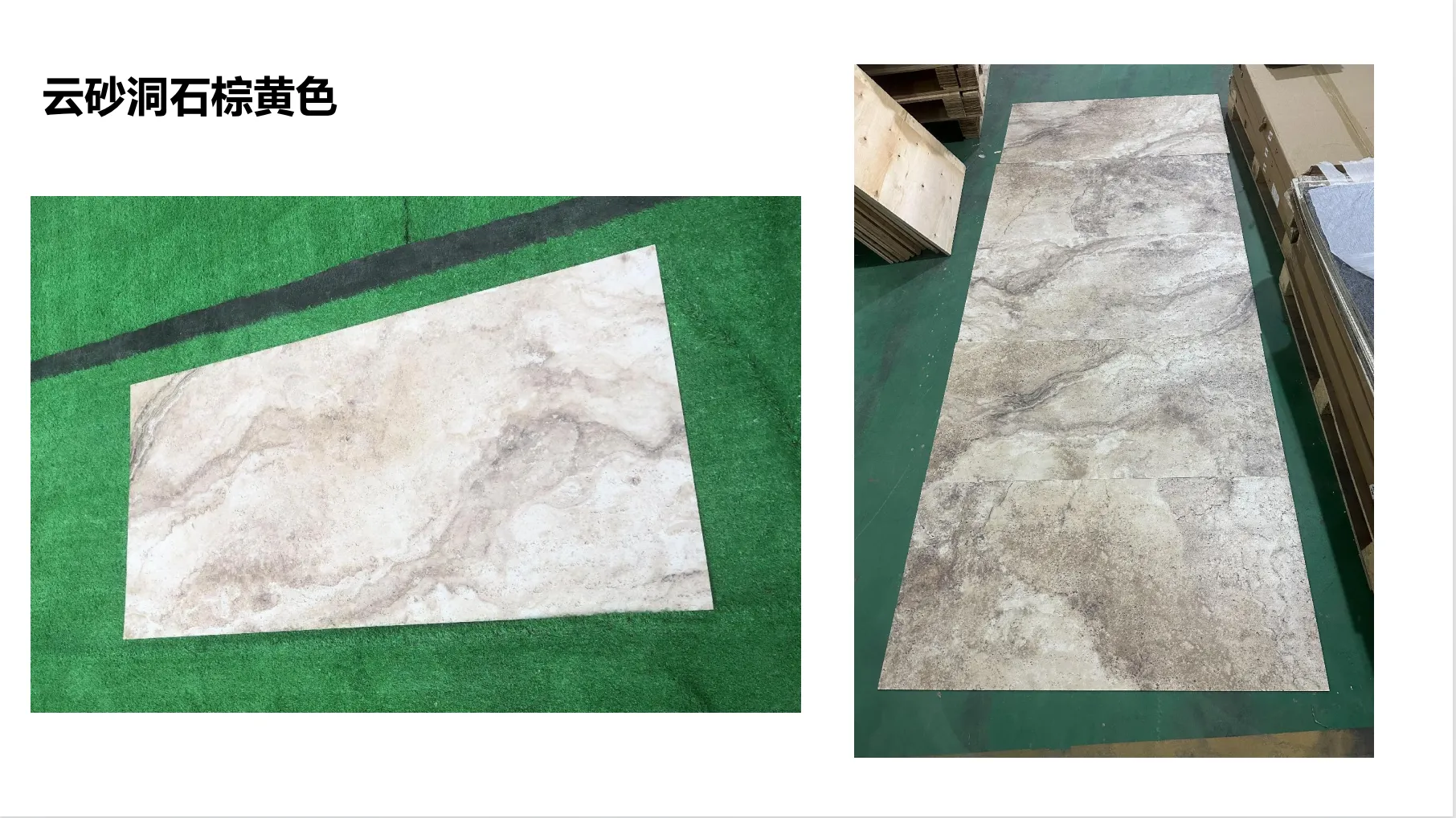
But what really sets dolomitic travertine apart is its aesthetic. Unlike the uniform look of polished granite or the bold veining of some marbles, dolomitic travertine has a quiet, organic beauty. Its colors range from soft claybanks to deep, moody dark greys, and its surface is often marked by tiny pits (called "vugs") and swirling veins that are entirely one-of-a-kind. Run your hand over it, and you'll feel a texture that's smooth yet slightly tactile—never cold or sterile, but warm, like a piece of the earth itself.
"Guests don't just see dolomitic travertine—they experience it," says Elena Rossi, a Milan-based interior designer who specializes in luxury hospitality. "In a world where so much feels mass-produced, this stone has a soul. It tells a story of time and nature, and that's something people crave. When you walk into a lobby with dolomitic travertine floors, you immediately feel grounded. It's not just a floor—it's a feeling."
That feeling is exactly why luxury hotels are falling in love with dolomitic travertine. It's versatile enough to fit into any design scheme, from minimalist modern to rustic elegance, and it ages beautifully—gaining character over time as it interacts with light, foot traffic, and the elements. In a industry where trends come and go, dolomitic travertine is timeless. It doesn't scream for attention; instead, it creates a backdrop that makes everything else—from the art on the walls to the guests themselves—shine.
Let's take a walk through a hypothetical luxury hotel—the kind where dolomitic travertine takes center stage. From the moment you pull up to the entrance, this stone is working behind the scenes to shape your experience. Let's explore each space and see how it leaves its mark.
The lobby is the hotel's calling card—the first place guests form an opinion of what's to come. A well-designed lobby should feel grand yet welcoming, impressive without being intimidating. Dolomitic travertine excels here, often used for flooring, accent walls, or even reception desks. Imagine stepping through the revolving doors into a space where the floor stretches out before you, a sea of dolomitic travertine in soft claybank. The light from the floor-to-ceiling windows dances across the stone's surface, highlighting the subtle veins that wind like rivers through the material. Underfoot, it's cool but not cold, with just enough texture to feel secure as you walk. To your left, a feature wall clad in dark grey dolomitic travertine rises to the ceiling, its deeper hue adding contrast and depth, while a reception desk crafted from the same stone anchors the space.
Why does this work? Because dolomitic travertine has a way of balancing scale. In a large lobby, it prevents the space from feeling cavernous by adding warmth and texture. It's neutral enough to let other design elements—like a statement chandelier or a curated art installation—stand out, but it has enough character to hold its own. Guests often comment on how "grounded" they feel in such lobbies, as if the stone itself is setting a tone of calm sophistication.
Take the example of The Aurelia, a boutique luxury hotel in Rome. Their lobby features a floor of dolomitic travertine (claybank) paired with a wall of mcm flexible stone in a complementary hue. "We wanted the lobby to feel like a bridge between ancient Rome and modern luxury," says the hotel's design director, Marco Bellini. "Travertine is everywhere in Rome—it's in the Colosseum, in the Pantheon. Using dolomitic travertine felt like paying homage to that history, but in a fresh way. Guests love it because it feels familiar, yet elevated. They'll run their hands along the walls or pause to look at the veining, and that moment of connection is what turns a stay into a memory."
If the lobby is about first impressions, the guest room is about comfort and retreat. Here, dolomitic travertine takes on a more intimate role, often appearing in bathrooms, accent walls, or even as a headboard backdrop. Picture walking into a suite where the bathroom is a sanctuary in itself: the shower walls are clad in dolomitic travertine (dark grey), its deep color creating a sense of privacy and calm, while the countertop is a slab of claybank dolomitic travertine that adds warmth. The stone's natural porosity makes it ideal for wet areas—when sealed properly, it resists water and maintains its texture. Step out of the shower, and your feet land on a heated dolomitic travertine floor, turning a simple daily routine into a spa-like experience.
In the bedroom, a feature wall behind the bed might be covered in thin slices of dolomitic travertine, their soft claybank color complementing the warm wood tones of the furniture and the crisp white linens. The stone's texture adds visual interest without overwhelming the space, creating a focal point that feels organic and serene. "Guests often tell us the rooms feel 'peaceful,'" says Sarah Chen, a hotel manager in Bali who worked on a property that used dolomitic travertine extensively. "They mention how the stone makes the space feel connected to the outdoors, even when they're in the middle of the city. It's like bringing a piece of the mountains or the desert into their room—something that calms the mind after a long day of travel."
Luxury hotel spas are designed to be havens of relaxation, and dolomitic travertine is a natural fit here. Its earthy tones and tactile surface align perfectly with the spa's goal of promoting wellness and calm. Imagine entering a treatment room where the walls are lined with claybank dolomitic travertine, the stone's neutral color palette enhanced by soft, warm lighting. The floor, too, is travertine, its slightly porous surface feeling gentle underfoot as you walk to the massage table. Even the sink in the corner is carved from a single slab of dark grey dolomitic travertine, its smooth curves and deep hue adding a touch of luxury.
Why does this work? Because dolomitic travertine has a way of absorbing sound, creating a quiet, cocoon-like atmosphere. Its natural texture also helps to regulate humidity, keeping the air feeling fresh without being dry. "In the spa, every detail matters," explains Mia Johnson, a spa director at a five-star resort in Arizona. "Guests come here to unwind, and the last thing they need is a surface that feels cold or sterile. Dolomitic travertine is warm and inviting—it feels like a hug from the earth. We've had guests say the treatment rooms feel 'sacred,' and I think a lot of that has to do with the stone. It's not just a material; it's part of the healing experience."
Dining in a luxury hotel should be an experience for all the senses, and dolomitic travertine plays a role here, too. In restaurants, it might be used for tabletops, flooring, or even as a backsplash in the open kitchen. Imagine sitting at a table in a rooftop restaurant where the surface is a slab of dolomitic travertine (claybank), its natural veining complementing the wooden chairs and the soft glow of the pendant lights above. As you set your glass down, it makes a soft, warm sound against the stone—nothing like the harsh clink of glass on marble. The table feels substantial, yet not heavy, and its texture adds a rustic elegance that pairs perfectly with the farm-to-table cuisine.
In bars, dolomitic travertine might take center stage as the bar top itself. Picture a sleek, modern bar where the counter is crafted from dark grey dolomitic travertine, polished to a subtle sheen that catches the light from the bottles behind it. The stone's depth and richness make the bar feel luxurious, while its natural texture ensures it doesn't feel too formal. Bartenders love it, too—its non-porous surface (when sealed) is easy to clean, and it stands up to the wear and tear of busy service.
"Food tastes better when the environment feels special," says James Wilson, a chef and restaurant consultant who has worked with luxury hotels worldwide. "Dolomitic travertine creates a setting that's both elegant and approachable. It's not fussy or pretentious—it's honest. Guests feel comfortable lingering, which is exactly what we want. When people enjoy the space, they enjoy the meal more, and that leads to better reviews, repeat visits, and guests who become advocates for the hotel."
Not all dolomitic travertine is created equal. Two of the most popular variants used in luxury hotels are dark grey and claybank, each with its own unique personality and best-use cases. To help you understand how they differ, let's take a closer look at each one.
| Feature | Dolomitic Travertine (Dark Grey) | Dolomitic Travertine (Claybank) |
|---|---|---|
| Color Palette | Deep, moody greys with hints of charcoal and occasional white or beige veining. Some slabs may have subtle blue or green undertones. | Warm, earthy tones ranging from soft sand to light terracotta, with veins in cream, taupe, or pale brown. Often has a sunlit, golden quality. |
| Texture | Slightly more dense than claybank, with smaller vugs (pits) and a smoother overall surface. When polished, it has a subtle sheen that reflects light. | More porous with larger, more visible vugs, giving it a rustic, textured feel. Often left in a honed (matte) finish to emphasize its natural character. |
| Best Design Themes | Modern luxury, industrial chic, minimalist, or contemporary spaces. Pairs well with metallic accents (brass, chrome), black, or white. | Rustic elegance, Mediterranean, bohemian, or warm minimalist. Pairs well with wood, natural fibers, and soft pastels. |
| Best Use Cases in Hotels | Bar tops, feature walls in lobbies or guest rooms, bathroom countertops, or flooring in high-traffic areas where a sleek look is desired. | Lobby floors, spa walls, restaurant tabletops, guest room accent walls, or outdoor patios where a warm, inviting feel is key. |
| Guest Experience Impact | Creates a sense of sophistication and drama. Makes spaces feel bold yet refined, ideal for guests seeking a modern, upscale vibe. | Evokes warmth and comfort. Makes spaces feel cozy and grounded, perfect for guests looking to relax and connect with nature. |
As you can see, both variants have their strengths—and many hotels choose to mix and match them for a layered, dynamic look. For example, a lobby might feature claybank dolomitic travertine floors with a dark grey dolomitic travertine accent wall, creating contrast that's both striking and harmonious. The key is to let the stone's natural character shine and choose the variant that aligns with the hotel's overall design narrative.
Dolomitic travertine is a team player—it shines brightest when paired with other materials that complement its strengths. Luxury hotels often mix it with everything from wood and metal to concrete and fabric, creating spaces that feel layered and rich. Let's explore some of these pairings and see how they enhance the guest experience.
Wood and stone are a classic combination, and dolomitic travertine pairs beautifully with wood grain board. Imagine a guest room where the floor is claybank dolomitic travertine, and the walls are paneled in light oak wood grain board. The stone's earthy tones complement the wood's warmth, creating a space that feels like a cozy cabin in the mountains—albeit a very luxurious one. The contrast between the stone's smooth (yet textured) surface and the wood's visible grain adds visual interest, making the room feel dynamic yet balanced. "Guests love this pairing because it feels 'homey' in the best way," says interior designer Elena Rossi. "Wood brings in a sense of warmth and familiarity, while travertine adds that touch of luxury. Together, they create a space that's both comforting and special."
For hotels going for a more modern, glamorous look, dolomitic travertine (especially dark grey) pairs stunningly with lunar peak silvery—a metallic material with a soft, brushed finish. Picture a lobby where the reception desk is crafted from dark grey dolomitic travertine, its surface polished to a subtle shine, while the base of the desk is wrapped in lunar peak silvery. The stone's depth contrasts beautifully with the metal's cool, reflective surface, creating a look that's sleek and sophisticated. Above the desk, a chandelier with silvery accents ties the whole look together. "This pairing is all about balance," says Marco Bellini, the Rome hotel designer. "The travertine keeps the space grounded, while the lunar peak silvery adds a touch of modernity. It's perfect for guests who want luxury with an edge."
Industrial design has become increasingly popular in luxury hotels, and dolomitic travertine plays well here, too—especially when paired with fair-faced concrete. Imagine a restaurant where the walls are exposed fair-faced concrete, their raw, unfinished texture adding an edgy vibe, while the floors are claybank dolomitic travertine, their warm tones softening the space. The contrast between the rough concrete and the smooth-yet-textured stone creates a look that's both urban and organic. Add in some metal light fixtures and leather banquettes, and you've got a space that feels modern and inviting. "Concrete can feel cold on its own," explains Sarah Chen, the Bali hotel manager. "Dolomitic travertine warms it up, making the space feel approachable. Guests love the mix of hard and soft—it's unexpected, and that makes it memorable."
MCM flexible stone is a game-changer for hotels looking to add custom touches to their design. Made from natural stone veneers bonded to a flexible backing, it can be curved, cut, or shaped to fit any space. Pairing it with dolomitic travertine allows for endless creativity. For example, a lobby might feature a curved accent wall clad in MCM flexible stone in a pattern that mimics the veining of the dolomitic travertine floors, creating a cohesive look that feels intentional and artful. Or, a guest room could have a headboard wall made from MCM flexible stone in a complementary shade to the dolomitic travertine bathroom walls, tying the space together. "MCM flexible stone lets us push the boundaries of what's possible with natural materials," says Mia Johnson, the Arizona spa director. "When paired with dolomitic travertine, it creates a design that's both cohesive and unique—something guests won't see anywhere else."
In today's world, luxury isn't just about opulence—it's also about responsibility. Guests are increasingly choosing hotels that prioritize sustainability, and dolomitic travertine aligns with this trend in several ways. First and foremost, it's a natural material, quarried from the earth without the need for harsh chemicals or energy-intensive manufacturing processes. Unlike synthetic materials, which can release volatile organic compounds (VOCs) into the air, dolomitic travertine is inert, making it a healthier choice for indoor spaces.
Durability is another key factor. Dolomitic travertine is incredibly long-lasting—with proper care, it can last for decades, even in high-traffic areas. This means hotels won't need to replace it frequently, reducing waste and the environmental impact of constant renovations. "Sustainability is about more than just using 'green' materials—it's about using materials that stand the test of time," says Elena Rossi. "Dolomitic travertine does that. A hotel that installs this stone today can be confident it will still look beautiful 50 years from now. That's true sustainability."
Additionally, many quarries that extract dolomitic travertine are now implementing eco-friendly practices, such as reforestation of quarry sites, water recycling, and reducing carbon emissions from transportation. Some hotels even source their travertine locally, further minimizing their carbon footprint. For example, a hotel in Arizona might source dolomitic travertine from a quarry in New Mexico, reducing the distance the stone needs to travel. "Guests care about where their materials come from," says Sarah Chen. "When we tell them our travertine is locally sourced and sustainably quarried, it adds another layer of value to their stay. They feel good about supporting a hotel that's mindful of the planet."
Finally, dolomitic travertine's natural color palette means hotels can use less artificial lighting to brighten spaces, reducing energy consumption. Its porous nature also helps regulate indoor humidity, reducing the need for energy-intensive dehumidifiers or humidifiers. "It's a material that works with the environment, not against it," says Mia Johnson. "In the spa, we've noticed we use less energy to heat the rooms because the travertine retains warmth. It's a small thing, but it adds up. Sustainability is all about those small, thoughtful choices."
Guest Testimonial: "I stayed at The Aurelia in Rome last year, and I still think about the lobby. The floors were this beautiful stone—soft, earthy, with these little veins that looked like they'd been painted by hand. I remember walking in after a long flight and feeling instantly calm. It was like the stone itself was welcoming me. The bathroom in my room had the same stone on the walls, and it made the shower feel like a spa. I've stayed in a lot of luxury hotels, but this one stood out because of how 'real' it felt. No fake materials, no over-the-top decor—just this beautiful, natural stone that made the whole place feel special." — Jessica, a frequent luxury traveler
At the end of the day, luxury hotels are in the business of storytelling. They're not just providing a place to sleep—they're creating narratives that guests will carry with them long after they check out. Dolomitic travertine is more than just a building material; it's a storyteller. Its natural beauty, unique texture, and timeless appeal help hotels craft experiences that feel authentic, memorable, and deeply human.
Whether it's the first step into a lobby with claybank floors that feel like a hug from the earth, the calm of a spa walled in dark grey travertine, or the warmth of a restaurant table crafted from this stone, dolomitic travertine has a way of connecting guests to something larger than themselves—to nature, to history, to the simple pleasure of being surrounded by materials that feel alive.
In a world where so much is mass-produced and disposable, dolomitic travertine stands as a reminder of the beauty of the natural world and the value of timeless design. It's a material that doesn't just enhance guest experiences—it transforms them. And in the competitive world of luxury hospitality, that's the difference between a hotel that's forgotten and one that's remembered for a lifetime.
So the next time you check into a luxury hotel, take a moment to notice the materials around you. If you feel that subtle sense of calm, that connection to nature, that quiet sophistication—chances are, you're standing on dolomitic travertine. And isn't that what luxury is all about?
Recommend Products












