
Let's start with something we can all relate to: coming home. After a long day—whether it's been filled with deadlines, traffic, or the chaos of life—there's nothing quite like walking through your front door and feeling that invisible sigh of relief. That feeling? It's not just about the people or the memories inside; it's about the space itself. The walls, the floors, the light—they wrap around you like a quiet hug. And here's the thing: too often, we treat walls like afterthoughts. We paint them a safe beige, hang a few pictures, and call it a day. But what if your walls could do more? What if they could tell a story, evoke a mood, or even make you feel warmer, calmer, or more alive? That's where the right materials come in. Today, I want to talk about one material that's been quietly transforming homes into sanctuaries: dolomitic travertine. Not just any stone, but a material with depth, texture, and a warmth that feels almost… intentional. Let's dive in.
Think about your favorite room in your home. Chances are, it's not just the furniture or the decor that makes it special—it's the way the light hits the walls, the texture under your fingertips when you brush against them, the subtle colors that shift with the time of day. Walls are the canvas of your home. They set the tone for every moment: the lazy Sunday mornings with coffee, the weeknight dinners with friends, the quiet evenings curled up with a book. A cold, flat wall can make even the coziest couch feel uninviting. A wall with texture, warmth, and character? It turns a house into a home. That's why choosing the right wall material is so much more than a design decision—it's an investment in how you feel every single day.
In recent years, we've seen a shift away from generic, "one-size-fits-all" materials. Homeowners and designers alike are craving authenticity. We want materials that feel real, that have a history, that age gracefully. Enter natural stones, woods, and composites that bring the outdoors in, or tell a story of craftsmanship. And among these, dolomitic travertine stands out—not just for its beauty, but for its versatility. It's a material that works as hard as you do, adapting to your style, your life, and your need for warmth.
First things first: let's get past the fancy name. Travertine itself is a type of limestone formed by mineral-rich hot springs. It's been used for centuries—think ancient Roman architecture, like the Colosseum. But dolomitic travertine? It's a step up. What makes it "dolomitic" is the presence of dolomite, a mineral that gives the stone extra durability and a unique color palette. Unlike regular travertine, which tends to be porous and lighter (think travertine (beige) with soft, creamy tones), dolomitic travertine has a denser structure and richer, deeper hues. It's like the difference between a watercolor painting and an oil painting—both beautiful, but one has more layers, more depth.
I remember visiting a friend's home last year where she'd used dolomitic travertine(dark grey) on one wall of her living room. From across the room, I thought it was just a dark, moody paint color. But when I got closer? My hand reached out to touch it. The texture was incredible—subtle ridges and valleys, like the surface of a riverbed smoothed by time. It wasn't cold or hard, either. There was a warmth to it, a softness that made the whole room feel grounded. "It's like having a piece of the earth inside," she told me. And she was right.
Let's keep this simple. Dolomitic travertine forms when mineral-rich water (think hot springs or geysers) cools and deposits calcium carbonate and dolomite. Over time, these deposits build up, creating layers of stone with tiny pores, channels, and veins. Those pores? They're not flaws—they're what give the stone its character. They catch light, cast soft shadows, and make each slab completely unique. No two pieces of dolomitic travertine are alike, which means your wall will be one-of-a-kind.
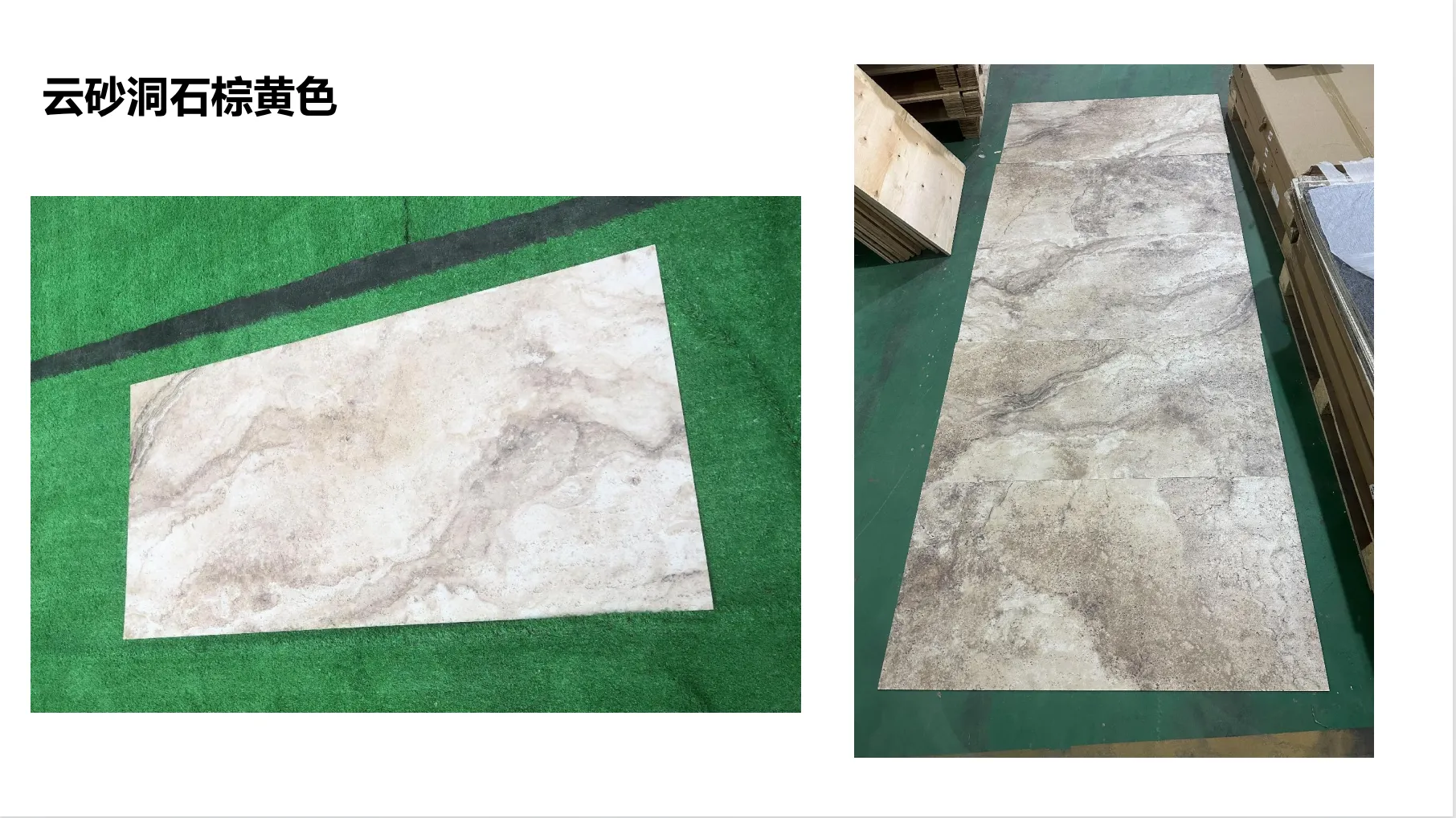
Now, let's talk color. Dolomitic travertine comes in two main shades that I've seen steal the show in residential interiors: dolomitic travertine(dark grey) and dolomitic travertine(claybank) . Dark grey is moody but not overwhelming—think storm clouds at dusk, or wet pebbles on a beach. It's sophisticated, modern, and pairs beautifully with light woods, metallics, or even bold pops of color. Claybank, on the other hand, is warm and earthy—like terracotta but softer, with hints of sand, honey, and taupe. It's the kind of color that makes a room feel cozy in winter and airy in summer. And yes, there are other travertines out there—like the classic travertine (beige) —but dolomitic travertine's dolomite content gives it a richness that sets it apart. It's not just a color; it's a feeling.
Let's start with dolomitic travertine(dark grey) . If you're drawn to modern, minimalist, or even industrial styles, this might be your match. Dark grey dolomitic travertine has a depth that flat paint just can't replicate. It's not black—there are undertones of charcoal, slate, and even subtle hints of blue or green, depending on the light. I recently worked with a couple in Chicago who used it in their open-concept living room, paired with light oak floors and white linen sofas. The contrast was striking: the dark stone grounded the space, while the light elements kept it from feeling heavy. "We wanted a room that felt grown-up but not stuffy," they told me. "The stone wall does that—it's bold, but it's also really calm."
Then there's dolomitic travertine(claybank) . If "warmth" is your buzzword—think cottagecore, bohemian, or rustic-modern—this is the one. Claybank has a sunbaked quality, like the earth in Tuscany or the desert at dawn. It pairs beautifully with wood tones, terracotta, and soft greens. One of my favorite projects was a bedroom in Portland where the designer used claybank dolomitic travertine on the wall behind the bed. They added string lights above, and at night, the light filtered through the stone's pores, casting tiny, twinkling shadows on the ceiling. "It's like sleeping under the stars, but cozier," the homeowner said. And honestly? I kind of wanted to move in.
The best part? Both colors age gracefully. Unlike paint, which can fade or chip, dolomitic travertine develops a patina over time—small scratches, subtle color shifts—that make it feel even more personal. It's a material that grows with you, instead of against you.
Let's get real: beauty is great, but if a material is high-maintenance or fragile, it's not worth the hassle. So let's talk practicality. First, durability. Dolomitic travertine is denser than regular travertine, thanks to that dolomite content. That means it's more resistant to scratches, stains, and wear and tear. Got kids? Pets? A tendency to bump into walls? This stone can handle it. Just seal it once a year (a quick, easy process) and wipe up spills with a damp cloth. No special cleaners, no fancy tools—just common sense.
Then there's sustainability. In a world where we're all trying to make more eco-friendly choices, dolomitic travertine is a win. It's a natural stone, quarried from the earth, with minimal processing. Unlike synthetic materials, it doesn't off-gas harmful chemicals, and it's 100% biodegradable at the end of its life (though let's be real—this stuff will outlive you). Plus, many quarries now use responsible mining practices, so you can feel good about where your stone comes from.
And let's not forget versatility. Dolomitic travertine isn't just for accent walls. It works in bathrooms (sealed properly, of course), kitchens (as a backsplash), or even fireplaces. I've seen it paired with wood grain board for a "nature meets nurture" vibe, or with fair-faced concrete for an industrial edge. It's a chameleon, adapting to your style instead of forcing you to adapt to it.
One of the biggest misconceptions about natural stone is that it has to be the "star of the show." But dolomitic travertine is actually a team player. It pairs beautifully with other materials, enhancing their strengths while bringing its own. Let's talk about a few of my favorite pairings:
With Wood Grain Board: If you love the warmth of wood but want something with more texture, this is a match made in heaven. Wood grain board has that cozy, cabin-like feel, while dolomitic travertine adds depth and earthiness. I recently saw a dining room where the lower half of the walls was wood grain board, and the upper half was claybank dolomitic travertine. The result? A space that felt both rustic and refined, like a mountain lodge with a modern twist.
With Fair-Faced Concrete: For the modern, minimalist crowd, fair-faced concrete is a staple—but it can feel cold on its own. Pair it with dark grey dolomitic travertine, and suddenly, you've got balance. The concrete adds sleekness, while the stone adds warmth. One designer I know used this combo in a home office: concrete desk, concrete floors, and a dark grey dolomitic travertine accent wall. "It's industrial without feeling like a factory," he said. "The stone softens everything."
With Travertine (Beige): If you want to go all-in on travertine but don't want to commit to one color, mix and match! Travertine (beige) is lighter and softer, while dolomitic travertine (dark grey or claybank) adds contrast. A homeowner in Arizona did this in her entryway: beige travertine floors, claybank dolomitic travertine walls, and a dark grey dolomitic travertine bench. It was like walking into a desert oasis—calm, grounded, and completely cohesive.
Let's get specific. Where can you actually use dolomitic travertine in your home? The short answer: almost anywhere. But here are a few ideas to spark your creativity:
Living Room Accent Wall: This is the most common (and for good reason!). Pick the wall behind your TV or sofa, and let the stone be the focal point. Add a few floating shelves for books or plants, and keep the rest of the decor simple—let the stone shine.
Bedroom Headboard Wall: Swap out your traditional headboard for a stone wall. It adds instant drama, and it's surprisingly cozy. Pair with soft bedding and warm lighting for the ultimate retreat.
Dining Room Feature Wall: Make dinner parties feel more special with a dolomitic travertine wall. Hang a statement light fixture above the table, and let the light dance off the stone's texture.
Bathroom Backsplash: Sealed properly, dolomitic travertine works in wet areas. Imagine a shower with dark grey dolomitic travertine walls—it's like a spa retreat in your own home.
"I was nervous about using stone in a small space, but our bathroom feels bigger now," a client told me after installing claybank dolomitic travertine. "The texture makes it feel more open, somehow. Like it's breathing."
Still on the fence? Let's compare dolomitic travertine with a few other popular wall materials. Here's how they stack up:
| Material | Texture | Color Palette | Ambiance | Maintenance |
|---|---|---|---|---|
| Dolomitic Travertine (Dark Grey) | Rough, porous, with natural veining | Charcoal, slate, hints of blue/green | Calm, grounded, sophisticated | Seal yearly, wipe spills immediately |
| Dolomitic Travertine (Claybank) | Warm, sunbaked, with subtle pores | Sand, honey, terracotta undertones | Cozy, inviting, earthy | Seal yearly, wipe spills immediately |
| Wood Grain Board | Smooth to slightly rough, linear grain | Oak, pine, walnut, various stains | Warm, homey, traditional | Dust regularly, avoid moisture |
| Fair-Faced Concrete | Smooth, industrial, slight texture | Grey, off-white, can be stained | Sleek, modern, minimalist | Seal yearly, prone to staining |
| Travertine (Beige) | Soft, porous, creamy texture | Cream, ivory, light taupe | Airy, light, classic | Seal yearly, more porous than dolomitic |
As you can see, dolomitic travertine stands out for its texture and ambiance. It's not the "easiest" material (no material is perfect!), but the payoff—warmth, character, and a space that feels uniquely yours—is worth it.
At the end of the day, home is about more than square footage or resale value. It's about how you feel when you're there. And the materials you choose—especially for your walls—play a huge role in that. Dolomitic travertine isn't just a stone; it's a storyteller. It brings the outdoors in, adds warmth to cold spaces, and creates a backdrop for the moments that matter.
Whether you go for dark grey or claybank, whether you pair it with wood grain board or fair-faced concrete, one thing is sure: dolomitic travertine walls won't just decorate your home—they'll transform it. They'll make you slow down, notice the little things, and maybe even fall in love with your space all over again. And isn't that what home is all about?
So the next time you walk through your front door, take a look at your walls. What do they say about you? And what if they could say more? With dolomitic travertine, the answer might just surprise you.
Recommend Products












