
Step into your favorite restaurant. What's the first thing that catches your eye? Maybe the soft glow of pendant lights, the hum of laughter, or the aroma of freshly baked bread. But look closer—there's a silent storyteller in the room: the materials. From the floors beneath your feet to the walls that cradle the space, every surface plays a role in how you feel. In the world of restaurant design, few materials tell a story as rich and timeless as dolomitic travertine. More than just a stone, it's a bridge between nature and hospitality, turning ordinary spaces into memorable experiences.
You might be thinking, "Travertine? Isn't that the stone with all the holes?" Yes—and that's exactly what makes it magical. Dolomitic travertine, a variation infused with dolomite minerals, takes the best of traditional travertine—warmth, texture, and character—and adds a subtle strength that makes it perfect for busy restaurant environments. Unlike polished marble that feels cold and distant, or sleek concrete that can read as stark, dolomitic travertine has a lived-in quality. Its surface, with its natural pits and veins, feels like a page from a geology book, each indentation holding a whisper of the earth's history. Run your hand over it, and you'll feel the roughness of a mountain stream bed, the softness of wind-worn stone. It's the kind of material that doesn't just look good—it invites touch, evokes nostalgia, and makes guests feel at home.
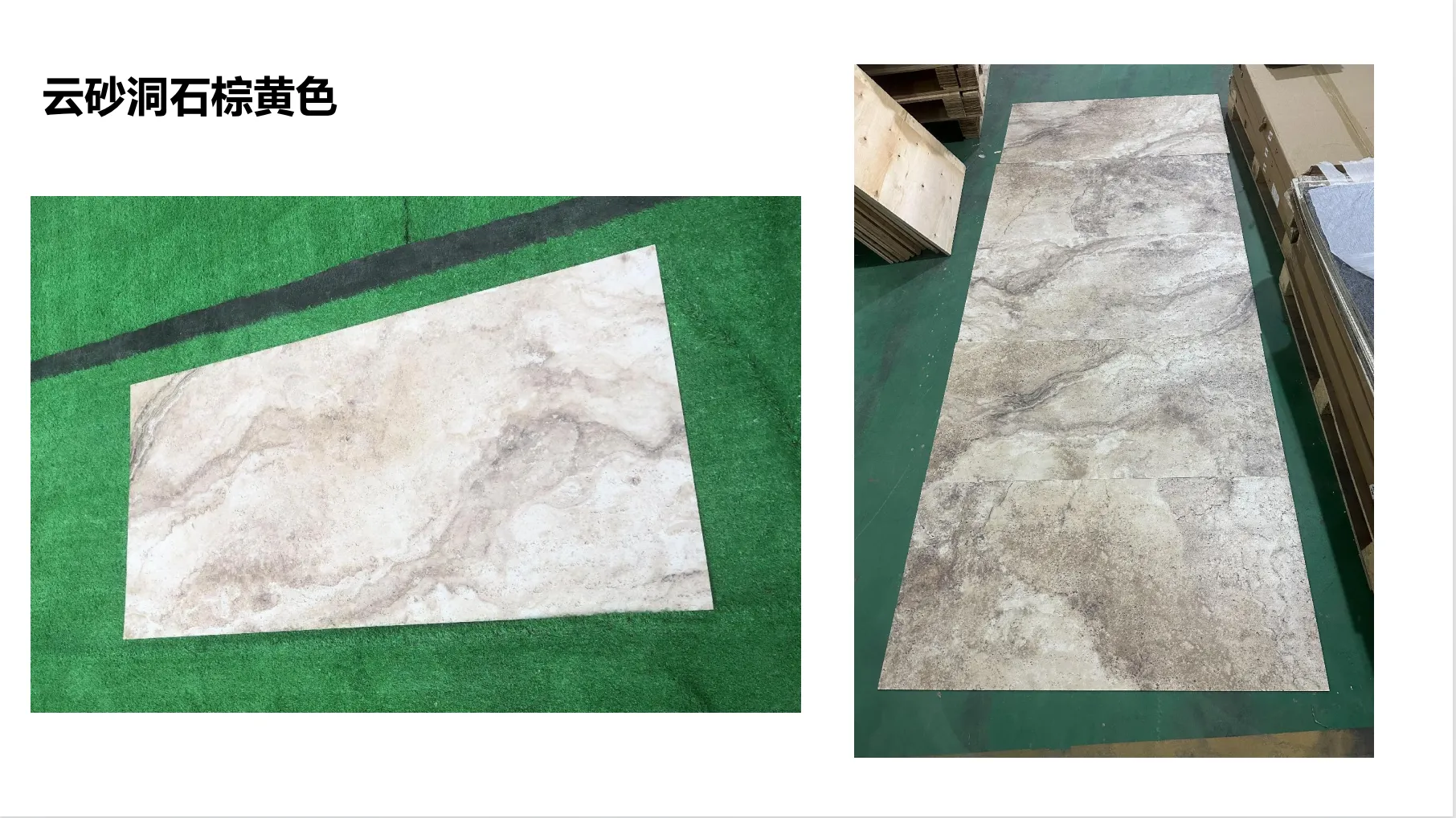
But don't let its rustic charm fool you: dolomitic travertine is a workhorse. Thanks to its dolomite content, it's more durable than standard travertine, standing up to spills, scuffs, and the constant foot traffic of a bustling eatery. It's also surprisingly versatile. Whether you're designing a cozy Italian bistro, a sleek urban wine bar, or a sunlit Mediterranean café, dolomitic travertine adapts, shifting its personality to match the mood you want to create. And with colors ranging from deep, moody dark grey to warm, earthy claybank, it's a material that plays well with others—pairing effortlessly with wood, metal, and even modern composites like MCM flexible stone for a look that's both classic and fresh.
Dolomitic travertine isn't a one-note stone. Its color palette is a study in contrast, with two shades stealing the spotlight in restaurant design: dark grey and claybank. Let's break them down—not as specs on a swatch, but as characters in your restaurant's story.
Dark Grey Dolomitic Travertine: Imagine walking into a dimly lit steakhouse, where the air smells of charred meat and aged whiskey. The walls are clad in dark grey dolomitic travertine, its surface catching the flicker of candlelight, turning each vein into a streak of silver. This shade is all about sophistication with an edge. It's moody without being gloomy, grounding a space with depth while letting other elements—like brass fixtures or vibrant art—pop. Dark grey dolomitic travertine works wonders in modern or industrial-chic restaurants, where its raw texture balances sleek surfaces like polished concrete or foamed aluminium alloy board (vintage silver). It's the kind of stone that makes a statement without yelling, perfect for creating an intimate, adults-only vibe.
Claybank Dolomitic Travertine: Now picture a sunlit café in a coastal town, where the windows are thrown open to the sound of waves. The floors here are claybank dolomitic travertine—warm, honeyed, and full of light. This shade feels like a hug. Its soft, terracotta undertones bring warmth to a space, making even the chilliest winter day feel cozy. Claybank is a natural fit for rustic, Mediterranean, or farm-to-table restaurants, where it pairs beautifully with wood beams, woven rattan chairs, and potted herbs. It's forgiving, too—those inevitable coffee spills or crumbs from a slice of pizza blend into its earthy palette, keeping the space looking lived-in but never messy. In short, claybank dolomitic travertine doesn't just decorate a room; it welcomes people in.
| Feature | Dolomitic Travertine (Dark Grey) | Dolomitic Travertine (Claybank) |
|---|---|---|
| Aesthetic Vibe | Sophisticated, moody, industrial | Warm, inviting, rustic |
| Best For | Steakhouses, wine bars, modern bistros | Coastal cafés, farm-to-table eateries, Mediterranean restaurants |
| Lighting Needs | Soft, ambient lighting (candles, warm LEDs) | Bright, natural light (large windows, skylights) |
| Complementary Materials | Foamed aluminium alloy (vintage silver), black metal, polished concrete | Wood grain board, rattan, Lunar Peak Golden |
| Maintenance Note | Shows dust more easily; regular wiping recommended | Hides minor stains; ideal for high-traffic areas |
Dolomitic travertine isn't picky about where it goes—it's a team player, elevating every corner of a restaurant. Let's explore how this stone transforms key areas, turning functional spaces into design moments.
Floors are the unsung heroes of restaurant design. They take a beating—scuffed by chairs, soaked by spills, trodden by hundreds of feet daily. Dolomitic travertine rises to the challenge, and then some. Imagine walking into a claybank dolomitic travertine-floored restaurant on a rainy day. Your boots click softly as you step inside, but instead of slipping on a glossy surface, you feel secure, grounded. The stone's natural texture provides grip, while its warm color makes the space feel instantly welcoming. In a busy brunch spot, claybank floors keep the energy light; in a dimly lit tapas bar, dark grey floors add a sense of intimacy, making each table feel like a private nook.
Walls in restaurants aren't just backdrops—they're canvases. Dolomitic travertine, with its tactile surface, turns plain walls into conversation starters. Picture a feature wall in a modern restaurant, clad in dark grey dolomitic travertine, with a row of floating shelves displaying vintage wine bottles. The stone's rough texture contrasts beautifully with the smooth glass of the bottles, creating visual interest that draws the eye. Or in a breakfast café, claybank dolomitic travertine walls behind the counter, where baristas steam milk and toast pastries. The stone catches the morning light, casting soft shadows that make the space feel alive, as if the walls themselves are glowing.
Countertops need to be tough, but that doesn't mean they can't be beautiful. Dolomitic travertine countertops strike the perfect balance. In a pizza restaurant, a dark grey dolomitic travertine prep counter adds industrial edge, its surface standing up to rolling pins and tomato sauce splatters. In a dessert café, a claybank dolomitic travertine counter holds displays of pastries, its warm color making the treats look even more tempting. And because the stone is heat-resistant, you can set down a hot pot of coffee or a warm tray of croissants without worry—no coasters required.
Even the most stunning stone needs a little help to shine. Dolomitic travertine plays well with others, and pairing it with complementary materials can take your restaurant's design from "nice" to "unforgettable." Here are a few winning combinations:
Lunar Peak Golden for Warmth: Lunar peak golden, with its shimmering metallic finish, is the perfect partner for claybank dolomitic travertine. Imagine a restaurant bar where the front is clad in Lunar Peak Golden panels, catching the light like liquid sunshine, while the back wall is claybank travertine. The contrast is striking—warm meets radiant—turning the bar into a focal point that draws guests in for a drink before their table is ready.
MCM Flexible Stone for Texture Play: MCM flexible stone, a modern material known for its versatility and 3D printing capabilities, adds a contemporary twist to dolomitic travertine. Picture a feature wall where claybank dolomitic travertine forms the base, and MCM flexible stone (shaped into wave panels or semicircle boards) is layered on top, creating depth and movement. It's nature meets innovation, perfect for a restaurant that wants to feel both rooted in tradition and forward-thinking.
Travertine (Starry Blue) for Accents: Want to add a pop of color without overwhelming the space? Travertine (starry blue), with its subtle flecks of blue and grey, works beautifully as an accent with dark grey dolomitic travertine. Use it for a backsplash behind the bar or as a trim around a claybank travertine archway. It's a small touch that adds personality, like a well-chosen accessory to a classic outfit.
Dolomitic travertine isn't tied to one design era—it's a chameleon, adapting to whatever style you throw its way. Here are three popular restaurant aesthetics where this stone truly shines:
Modern minimalist restaurants thrive on "less is more," and dolomitic travertine fits right in. Think dark grey dolomitic travertine walls with clean, horizontal lines, paired with fair-faced concrete ceilings and black metal light fixtures. The stone's texture adds warmth to the otherwise stark palette, preventing the space from feeling cold. A claybank dolomitic travertine table in the center of the room becomes a sculptural element, its natural veins adding the only "pattern" needed.
For a restaurant that feels like a villa in Tuscany, claybank dolomitic travertine is a must. Pair it with wood beam ceilings, terracotta roof tiles, and woven (khaki) chairs for a space that's casual yet charming. Add a few potted olive trees, and suddenly you're not just dining—you're on vacation. Dark grey dolomitic travertine can also work here, used sparingly as a fireplace surround or a feature wall, adding depth to the bright, sunlit space.
Industrial chic loves raw, unfinished materials, and dolomitic travertine is right at home. Imagine a restaurant with exposed brick walls, metal ductwork, and dark grey dolomitic travertine floors. The stone's rough texture complements the industrial elements, while its neutral color ties the space together. Add foamed aluminium alloy board (vintage silver) accents for a touch of modern edge, and you've got a space that feels edgy yet inviting—perfect for a trendy urban restaurant.
Still not convinced? Let's look at two real-world examples where dolomitic travertine took center stage—and made all the difference.
Café Terra (Claybank Dolomitic Travertine): A small, family-owned café in Portland, Café Terra wanted to feel like an extension of home. They chose claybank dolomitic travertine for their floors and the backsplash behind the espresso machine. The result? A space that's warm and welcoming, with a hint of European charm. Regulars often comment on how the floors "feel like walking on a sun-warmed patio," even on rainy Pacific Northwest days. The claybank color pairs beautifully with the café's wooden tables and woven (beige) cushions, creating a space that's as comfortable as it is Instagram-worthy.
Grano (Dark Grey Dolomitic Travertine): Grano, a sleek Italian restaurant in Chicago, wanted to balance tradition with modernity. They opted for dark grey dolomitic travertine walls in the dining room, paired with marble concrete board countertops and Lunar Peak Black lighting fixtures. The stone's texture adds warmth to the minimalist space, while its dark color makes the restaurant feel intimate, even on busy weekend nights. "Guests often say the walls feel 'alive'—like they're part of the conversation," says the owner. "That's the magic of travertine—it doesn't just fill a space; it becomes part of the experience."
In a world where design trends come and go—where last year's "it" material is this year's "meh"—dolomitic travertine stands firm. It's been used in architecture for centuries, from ancient Roman baths to Renaissance palaces, and yet it still feels relevant in today's restaurants. Why? Because it's rooted in nature, and nature never goes out of style. Its beauty isn't manufactured; it's earned, shaped by time and the elements. In a restaurant, that translates to a space that feels authentic, not trendy—a place guests want to return to, not just for the food, but for the feeling of being somewhere real.
So, whether you're designing a cozy neighborhood bistro or a high-end dining destination, consider dolomitic travertine. Let its texture tell a story, its color set the mood, and its warmth wrap your guests in comfort. After all, the best restaurants aren't just about eating—they're about feeling. And dolomitic travertine? It's a material that knows how to make people feel right at home.
Recommend Products












