
Step into any successful retail space today, and you'll quickly realize it's no longer just about selling products—it's about crafting an experience. From the moment a customer crosses the threshold, every detail, from lighting to layout, works together to tell a brand's story. Among these details, the choice of materials plays a starring role. Cold, sterile surfaces can leave visitors feeling disconnected; overly trendy finishes risk dating a space within months. But natural stone? It's a timeless storyteller. And in the world of natural stone, dolomitic travertine has emerged as a favorite for retailers aiming to blend luxury, authenticity, and durability. In this article, we'll explore how dolomitic travertine—with its earthy hues, unique textures, and versatile nature—is transforming retail spaces, why it's become a go-to for designers, and how pairing it with complementary materials like MCM flexible stone or fair-faced concrete can elevate a store from "just a shop" to a memorable destination.
Retail design has undergone a quiet revolution in recent years. Gone are the days of one-size-fits-all stores with generic white walls and linoleum floors. Today's consumers crave connection—to brands, to stories, and to the spaces they inhabit. They want to feel like they're stepping into something "real," not a cookie-cutter environment. This shift has led designers to turn away from synthetic materials and toward natural elements: wood, stone, plants, and textiles that bring warmth and authenticity. Natural stone, in particular, has become a cornerstone of this movement. Unlike man-made alternatives, stone carries the weight of millions of years of geological history. Each slab, with its unique veining, pits, and color variations, tells a story—one that feels grounded, honest, and inherently luxurious.
Why does this matter for retailers? Because in a world of online shopping, physical stores must offer something digital can't: sensory engagement. A customer might scroll past a product online, but in a store, they can touch the texture of a stone countertop, notice how light filters through a window to highlight the veining in a wall, or feel the cool, smooth surface of a stone floor underfoot. These sensory moments create emotional connections, and emotional connections drive loyalty. Natural stone, with its tactile richness and visual depth, is uniquely positioned to deliver these moments. And among the many natural stones available, dolomitic travertine stands out for its ability to balance luxury with approachability, making it ideal for brands ranging from high-end boutiques to cozy lifestyle stores.
Before diving into its applications in retail, let's get to know dolomitic travertine better. Travertine itself is a form of limestone, formed by the precipitation of calcium carbonate from mineral-rich hot springs. It's known for its porous texture, distinctive veining, and warm, earthy tones. Dolomitic travertine, however, has a secret ingredient: dolomite, a mineral that forms when calcium in limestone is partially replaced by magnesium. This subtle addition changes everything. Dolomite makes the stone denser, more durable, and less porous than traditional travertine, while enhancing its color depth and veining patterns. The result? A material that combines the best of travertine's organic charm with the strength needed to withstand the demands of high-traffic retail spaces.
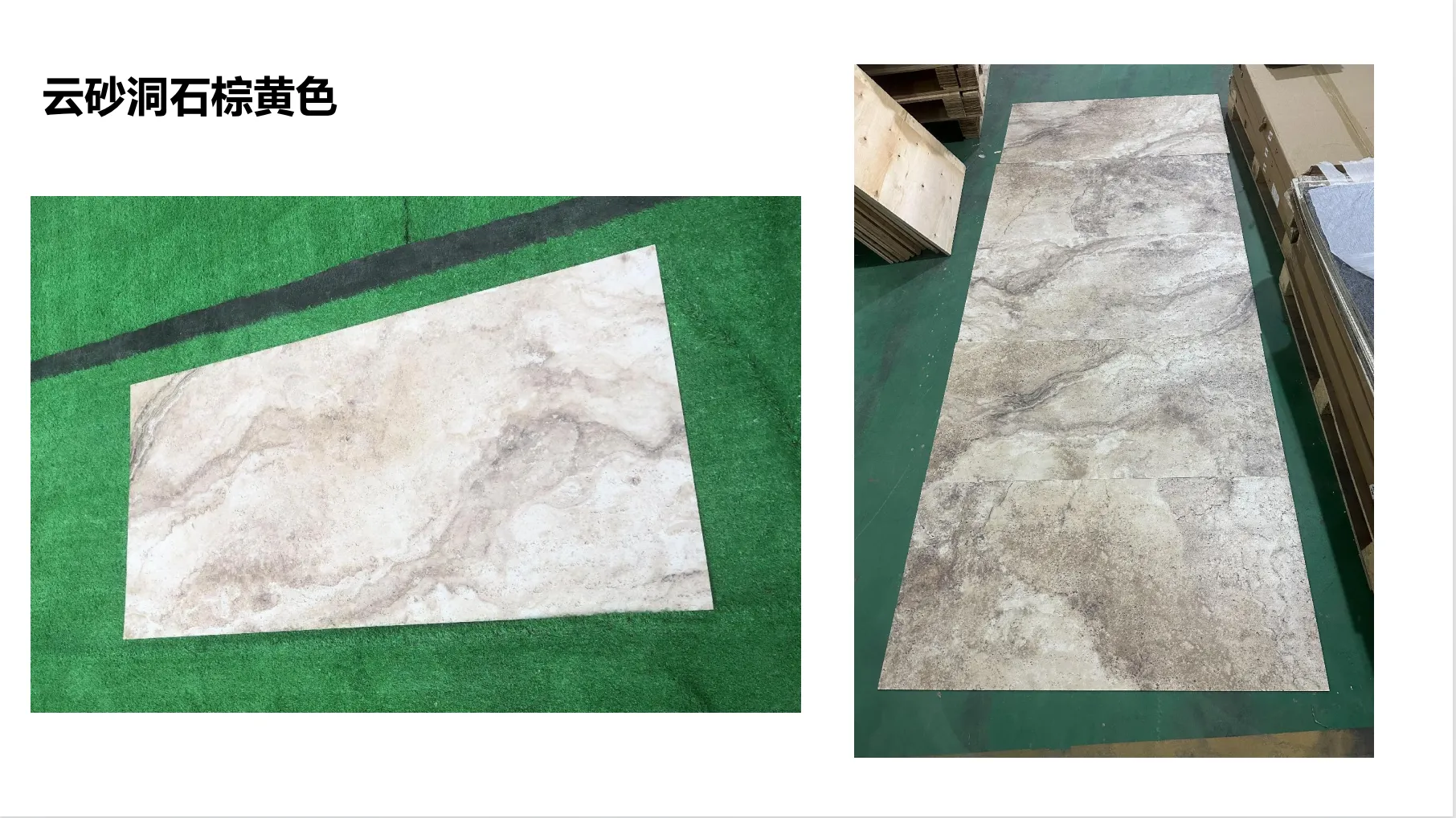
Dolomitic travertine isn't a one-note material, either. It comes in a range of hues that cater to diverse design visions. Take dolomitic travertine (dark grey) : with its deep, moody tones and subtle white veining, it exudes sophistication and modernity, making it perfect for luxury brands aiming to create a sense of exclusivity. On the flip side, dolomitic travertine (claybank) offers a softer, more approachable vibe. Its warm, sandy beige base, accented with hints of gold and taupe, brings to mind sunlit desert landscapes—ideal for lifestyle stores or wellness brands wanting to evoke calm and warmth. What unites both variations is their texture: even when polished, dolomitic travertine retains a slight matte quality that feels organic, avoiding the overly glossy look that can feel cold in retail settings. It's a material that invites touch, not just sight.
| Material | Durability (High Foot Traffic) | Maintenance | Aesthetic Vibe | Best For |
|---|---|---|---|---|
| Dolomitic Travertine (Dark Grey) | High (dense, scratch-resistant) | Low (seal yearly; wipes clean with mild soap) | Sophisticated, modern, exclusive | Luxury boutiques, high-end electronics stores |
| Dolomitic Travertine (Claybank) | High (same density as dark grey variant) | Low (seal yearly; hides light stains well) | Warm, earthy, inviting | Lifestyle stores, cafes, wellness brands |
| Fair-Faced Concrete | Very high (industrial strength) | Moderate (prone to staining if unsealed) | Raw, modern, minimalist | Contemporary fashion, tech stores |
| MCM Flexible Stone | High (flexible, impact-resistant) | Very low (waterproof, easy to clean) | Versatile (mimics stone, lightweight) | Accent walls, curved surfaces, custom installations |
One of the reasons dolomitic travertine has become a retail favorite is its versatility. It's not limited to just flooring or walls—it can be integrated into nearly every aspect of a store's design, adapting to a brand's unique identity. Let's break down some of its most impactful applications:
Flooring is the largest surface in any retail space, and it sets the tone for the entire environment. A poorly chosen floor can make a store feel cramped, dirty, or unwelcoming; a well-chosen one guides customers through the space, highlights products, and feels comfortable underfoot. Dolomitic travertine excels here. Its natural variation means no two tiles are identical, creating a floor that feels dynamic and alive, rather than repetitive. For a luxury shoe boutique in Milan, designers opted for dolomitic travertine (dark grey) flooring, polished to a soft sheen. The deep color made the store's white and gold display units pop, while the stone's subtle veining added visual interest without overwhelming the merchandise. In contrast, a California-based lifestyle store used dolomitic travertine (claybank) for its floors, pairing it with reclaimed wood shelving and potted plants. The result? A space that felt like a "home away from home," encouraging customers to linger and explore.
What about durability? Retail floors take a beating—stilettos, rolling carts, spilled coffee, and thousands of footsteps daily. Dolomitic travertine's dolomite content makes it denser than standard travertine, so it resists scratches and chips better than many natural stones. And while it's porous (like all travertine), a high-quality sealant applied during installation keeps stains at bay. A quick wipe with a damp cloth is usually all it takes to clean up spills, making it a practical choice for busy stores.
Walls are a blank canvas for storytelling, and dolomitic travertine turns that canvas into a masterpiece. Whether used as full wall cladding or as an accent, it adds texture and depth that flat paints or wallpapers can't match. Imagine walking into a cosmetics store where the back wall is clad in dolomitic travertine (dark grey) , lit from below to highlight its veining. The stone's natural pits and grooves cast soft shadows, creating a sense of movement and luxury that makes the brand's high-end products feel even more special. For a children's clothing store, on the other hand, dolomitic travertine (claybank) might line a feature wall, paired with colorful artwork and playful lighting. Here, the stone's warm tone softens the space, making it feel safe and inviting for little ones and their parents.
For retailers wanting to push the design envelope, combining dolomitic travertine with MCM flexible stone opens up even more possibilities. MCM flexible stone is a lightweight, thin material that mimics the look of natural stone but can bend and curve, making it ideal for unconventional wall shapes or 3D installations. A Tokyo-based concept store, for example, used dolomitic travertine (dark grey) for its main walls and MCM flexible stone in a complementary travertine (starry blue) shade for a curved accent wall behind the checkout counter. The contrast between the solid stone and the flexible, starry-veined accent created a focal point that customers couldn't help but photograph—and share on social media. In retail, that kind of shareability is gold.
Retail design isn't just about aesthetics—it's about functionality. Display units need to showcase products, checkout counters need to handle transactions efficiently, and both need to look good while doing it. Dolomitic travertine checks all these boxes. A clothing boutique in Paris used dolomitic travertine (claybank) for its display tables, pairing the stone with sleek metal frames. The warm, neutral surface made the store's colorful garments stand out, while the stone's durability meant the tables could withstand daily use (and the occasional spilled latte from a customer browsing with a coffee in hand). For a jewelry store, a dolomitic travertine (dark grey) checkout counter, polished to a smooth finish, provided the perfect backdrop for delicate necklaces and rings. The stone's dark color made the jewelry's sparkle pop, while its cool surface felt luxurious to the touch—reinforcing the brand's premium positioning.
While dolomitic travertine's beauty is undeniable, its appeal for retailers goes far deeper than looks. Let's break down the practical benefits that make it a smart investment:
Retail spaces are high-traffic zones, and flooring and surfaces need to withstand constant use. Dolomitic travertine's density (thanks to its dolomite content) makes it resistant to scratches, chips, and wear, even in busy stores. Unlike marble, which can etch with acidic spills, or wood, which can warp with moisture, dolomitic travertine holds up to the chaos of daily retail life—from stiletto heels to rolling garment racks. This longevity means retailers won't have to replace surfaces every few years, saving on maintenance costs in the long run.
Retailers don't have time for high-maintenance materials. Dolomitic travertine requires minimal upkeep: a yearly sealant application to protect against stains, and regular cleaning with a mild soap and water. Unlike carpet, which traps dirt and allergens, or concrete, which can stain easily if unsealed, dolomitic travertine stays looking fresh with little effort. For busy store managers, this is a game-changer—it frees up time to focus on customers, not scrubbing floors.
Today's consumers care about sustainability, and brands are taking notice. Dolomitic travertine is a natural, biodegradable material, quarried from the earth with minimal processing (compared to synthetic alternatives like vinyl or laminate, which rely on fossil fuels). Many quarries now follow eco-friendly practices, such as reforestation and water recycling, making dolomitic travertine a choice that aligns with green retail initiatives. Pairing it with MCM flexible stone —which is lightweight and reduces transportation emissions—only strengthens a brand's sustainability story.
Retail trends come and go, but natural stone never goes out of style. Dolomitic travertine's earthy tones and organic texture transcend fads, ensuring a store remains relevant for years. Unlike trendy concrete overlays or bold patterned tiles, which can feel dated in a few seasons, dolomitic travertine ages gracefully, developing a unique patina over time that adds character. This timelessness is especially valuable for retailers investing in long-term store designs—no need for costly renovations every time the industry shifts.
When a high-end beauty brand decided to open its flagship store in Manhattan, the goal was to create a space that felt "elevated yet approachable"—a reflection of its products, which blend luxury formulas with clean, natural ingredients. The design team chose dolomitic travertine (dark grey) as the primary material, using it for flooring, wall cladding, and the store's central display island. The dark grey hue created a sophisticated backdrop, making the brand's colorful skincare bottles and gold packaging stand out. To add warmth, they paired the stone with brass fixtures and soft, diffused lighting, which highlighted the travertine's subtle veining. For the store's curved back wall, they used MCM flexible stone in a matching dark grey shade, allowing for a seamless, flowing design that guided customers toward the checkout area. Since opening, the store has become a Instagram hotspot, with customers frequently posting photos of the travertine-clad interior. As the brand's retail director noted, "The stone doesn't just complement our products—it tells our story. It feels premium, but not intimidating, which is exactly what we wanted."
A Portland-based lifestyle brand specializing in home decor and furniture wanted its new store to feel like a "cozy, curated home"—a space where customers could imagine products in their own living rooms. The design team opted for dolomitic travertine (claybank) for the store's entryway and main flooring, drawn to its warm, sandy tone. They paired it with fair-faced concrete for the checkout counter and shelving units, creating a balance between natural warmth and modern minimalism. To add visual interest, they installed a feature wall using travertine (starry blue) —a bold choice that added a pop of color without clashing with the neutral palette. The result? A space that feels inviting and lived-in, with the dolomitic travertine's texture adding a tactile element that encourages customers to touch and explore. "People linger here," the store manager says. "They'll sit on a sofa, run their hand along the travertine floor, and say, 'This feels like home.' That's when we know we've done our job."
In the end, retail design is about connection. It's about creating spaces that don't just sell products, but make customers feel seen, inspired, and valued. Dolomitic travertine, with its rich history, organic beauty, and practical benefits, is uniquely equipped to foster that connection. Whether it's the deep sophistication of dolomitic travertine (dark grey) in a luxury boutique or the warm charm of dolomitic travertine (claybank) in a lifestyle store, this stone doesn't just fill a space—it transforms it. Paired with materials like MCM flexible stone or fair-faced concrete , it becomes even more versatile, adapting to a brand's unique voice and vision.
As retailers continue to compete for customers' attention in a crowded market, the choice of materials will only grow more important. Synthetic surfaces may offer short-term savings, and trendy finishes may grab headlines, but natural stone—especially dolomitic travertine—offers something irreplaceable: authenticity. And in a world that's increasingly digital and disconnected, authenticity is the most valuable currency of all. So the next time you step into a retail space that feels warm, luxurious, and uniquely "you," take a closer look at the floor beneath your feet or the wall beside you. Chances are, it's dolomitic travertine—quietly telling a story that keeps you coming back.
Recommend Products












