
Saudi Arabia's skyline is undergoing a remarkable transformation. From the futuristic towers of Riyadh to the cultural hubs of Jeddah, and the heritage-rich streets of Diriyah, the kingdom's construction sector is a vibrant blend of innovation and tradition. At the heart of this evolution lies a critical question: how do we build spaces that honor local identity while standing up to the region's harsh climate? Enter dolomitic travertine—a material that has quietly become a favorite among architects and designers. And leading the charge in bringing this stone to life, tailored to Saudi Arabia's unique needs, is COLORIA. In this article, we'll explore why dolomitic travertine is redefining construction in the kingdom, how COLORIA ensures it meets the highest local standards, and the stories behind the stones that are shaping Saudi Arabia's built environment.
Travertine has long been celebrated for its timeless elegance—think of the ancient Roman Colosseum or the grand facades of Istanbul's historic mosques. But dolomitic travertine, a variant rich in dolomite mineral, brings something extra to the table: strength, versatility, and a palette that feels both rooted in the earth and designed for modernity. In Saudi Arabia, where temperatures soar above 45°C in summer and sandstorms test even the sturdiest materials, durability isn't just a preference—it's a necessity. Dolomitic travertine answers that call, with a density that resists weathering and a texture that ages gracefully, developing a unique patina over time that tells the story of the space it adorns.
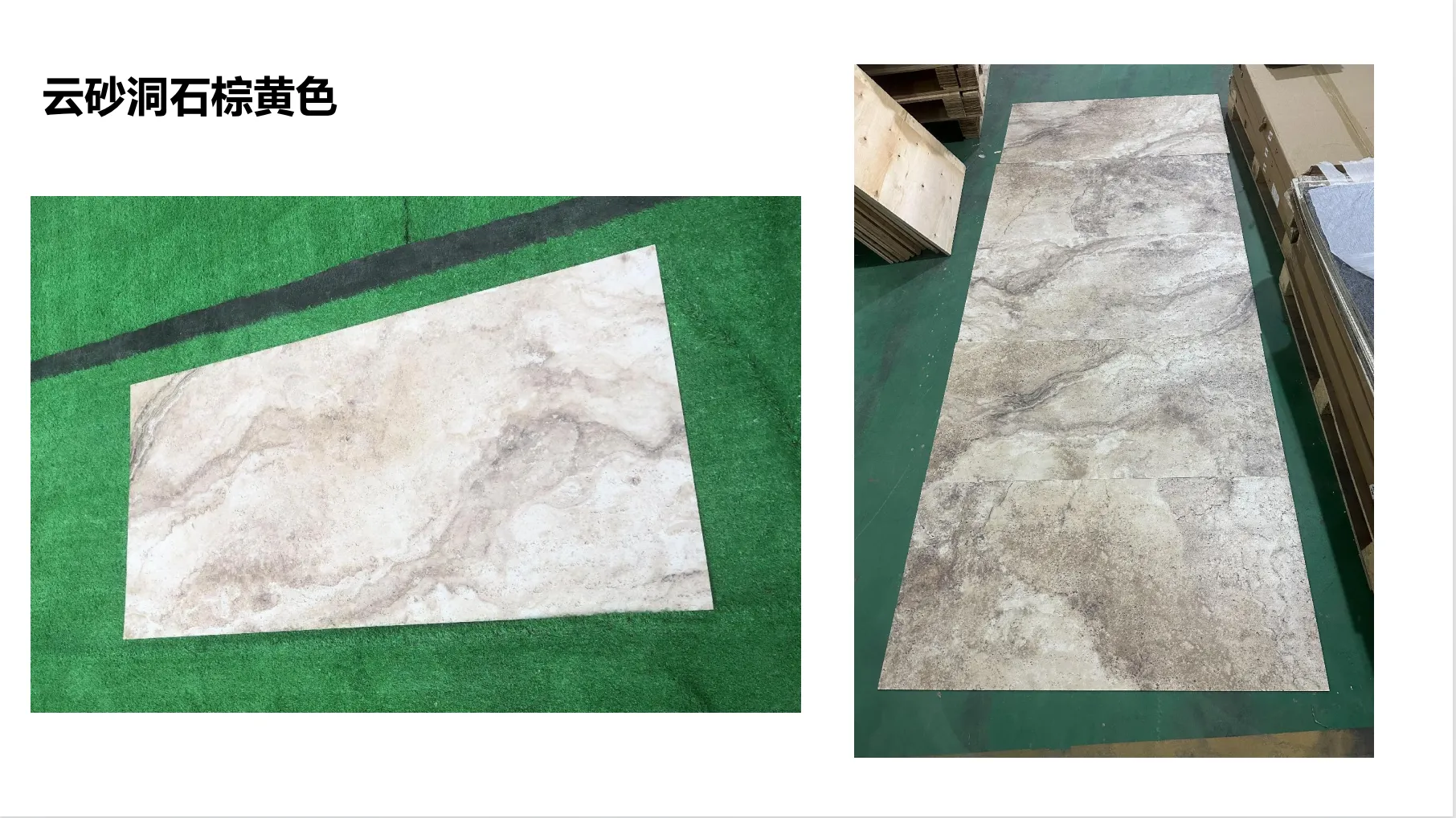
What truly sets dolomitic travertine apart, though, is its diversity. COLORIA's collection includes dolomitic travertine (dark grey) and dolomitic travertine (claybank) —two variants that have become staples in Saudi projects. The dark grey variant, with its deep, moody hues and subtle veining, evokes the rugged beauty of the Hijaz Mountains, making it perfect for contemporary commercial buildings where sophistication is key. Imagine walking into a Riyadh office lobby clad in this stone: the cool touch underfoot, the way light plays off its surface, turning a mundane entryway into an experience. On the other hand, the claybank variant leans into warmth, with soft, terracotta-inspired tones that echo the desert landscapes of Al-Ula. It's a color that feels familiar, like the earth beneath our feet, yet refined enough to elevate luxury resorts in the Red Sea coastal cities.
| Variant | Color Palette | Texture | Ideal Applications | Weather Resistance Rating* |
|---|---|---|---|---|
| Dolomitic Travertine (Dark Grey) | Charcoal, slate, with silver-grey veining | Smooth yet tactile, with subtle pits and ridges | Commercial lobbies, high-rise exteriors, luxury hotels | Excellent (resists UV fading and sand abrasion) |
| Dolomitic Travertine (Claybank) | Warm terracotta, sand, soft beige with earthy undertones | Matte finish with natural voids filled for a seamless look | Heritage projects, residential villas, cultural centers | Outstanding (minimal color change under extreme heat) |
*Based on COLORIA's in-house testing under Saudi climate conditions (3 years of accelerated weathering).
Bringing a global material to Saudi Arabia isn't just about importing stones—it's about understanding the kingdom's standards. The Saudi Standards, Metrology and Quality Organization (SASO) sets benchmarks for everything from fire resistance to thermal conductivity, and COLORIA leaves no stone unturned in ensuring compliance. Take, for example, their approach to porosity. Travertine is naturally porous, which can be a concern in humid coastal areas like Jeddah. COLORIA's proprietary sealing process, developed specifically for Saudi conditions, reduces porosity by 70%, making the stone resistant to saltwater corrosion and moisture absorption. It's a detail that matters when you're building a beachfront resort or a public plaza near the Red Sea.
But compliance isn't the only goal—innovation is. COLORIA's MCM flexible stone technology has been a game-changer. Traditional stone slabs are heavy, making installation on high-rises or historic buildings challenging. MCM (Modified Composite Material) flexible stone, however, is lightweight (just 4-6 kg/m²) and bendable, allowing it to be applied to curved surfaces or retrofitted onto existing structures without compromising structural integrity. For the renovation of Riyadh's historic Al-Masmak Fortress, where preserving the original architecture was paramount, COLORIA used MCM flexible dolomitic travertine to replicate the fortress's stone walls—maintaining authenticity while adding a layer of modern durability.
Great design is rarely about a single material—it's about harmony. COLORIA understands this, which is why their portfolio includes products that complement dolomitic travertine, creating cohesive spaces that feel intentional. Take fair-faced concrete , for instance. Its raw, industrial aesthetic pairs stunningly with the warmth of claybank dolomitic travertine. A recent project in Jeddah's King Abdullah Economic City (KAEC) used this combination: fair-faced concrete for the building's structural columns and dolomitic travertine for the facade, resulting in a space that feels both modern and grounded. The contrast of textures—smooth concrete against the travertine's natural pits—adds depth, turning a simple office building into a visual statement.
For projects that aim to honor Saudi Arabia's heritage, historical pathfinders stone is another standout. Inspired by the ancient Nabatean rock carvings of Madain Saleh, this stone features hand-chiseled textures and earthy tones that evoke a sense of timelessness. When paired with dolomitic travertine, it creates a narrative: the old and the new, coexisting. A cultural center in Medina, for example, used historical pathfinders stone for its entrance archways and dolomitic travertine for the interior walls, guiding visitors from the past into the present as they move through the space.
Numbers and specs tell part of the story, but it's the projects themselves that bring the materials to life. Let's take the Al-Rawdah Tower in Riyadh, a 40-story mixed-use development that opened in 2024. The architects wanted a facade that would stand out in the city's skyline but still feel connected to the surrounding desert. They chose dolomitic travertine (claybank) for the exterior cladding, paired with foamed aluminium alloy panels in vintage gold for accents. The result? A tower that shimmers like a desert mirage in the sunlight, its claybank tones blending with the sand dunes on the horizon. What's more, COLORIA's MCM flexible stone made installation possible in just 12 weeks—a fraction of the time traditional stone would have taken, keeping the project on schedule despite tight deadlines.
Then there's the Diriyah Gate Development, a mega-project aiming to restore and revitalize the birthplace of the Saudi state. Here, historical accuracy was non-negotiable. COLORIA supplied historical pathfinders stone for the renovation of 18th-century mud-brick houses, ensuring the stone's texture and color matched the original Nabatean materials. For the new cultural museum on-site, they used dolomitic travertine (dark grey) for the interior floors, its durability ensuring it can withstand the thousands of visitors expected annually. The contrast between the rough-hewn historical pathfinders stone and the sleek dolomitic travertine creates a journey through time, making the museum not just a space for exhibits, but an exhibit itself.
As Saudi Arabia continues to invest in Vision 2030, a plan to diversify its economy and develop world-class cities, the demand for innovative, locally compliant materials will only grow. Dolomitic travertine, with its blend of strength, beauty, and adaptability, is poised to play a starring role. And COLORIA, with its deep understanding of both the material and the kingdom's needs, is ready to lead the way. Whether it's a skyscraper in Riyadh, a resort on the Red Sea, or a heritage site in Diriyah, the goal remains the same: to build spaces that are not just structures, but stories—stories of a nation moving forward while honoring its roots.
So the next time you walk through a newly built space in Saudi Arabia, take a moment to touch the walls. If you feel the cool, textured surface of dolomitic travertine, know that it's more than just stone. It's a testament to innovation, a nod to tradition, and a promise that the buildings shaping this nation are built to last—for decades, for generations, for the stories yet to be written.
Recommend Products












