
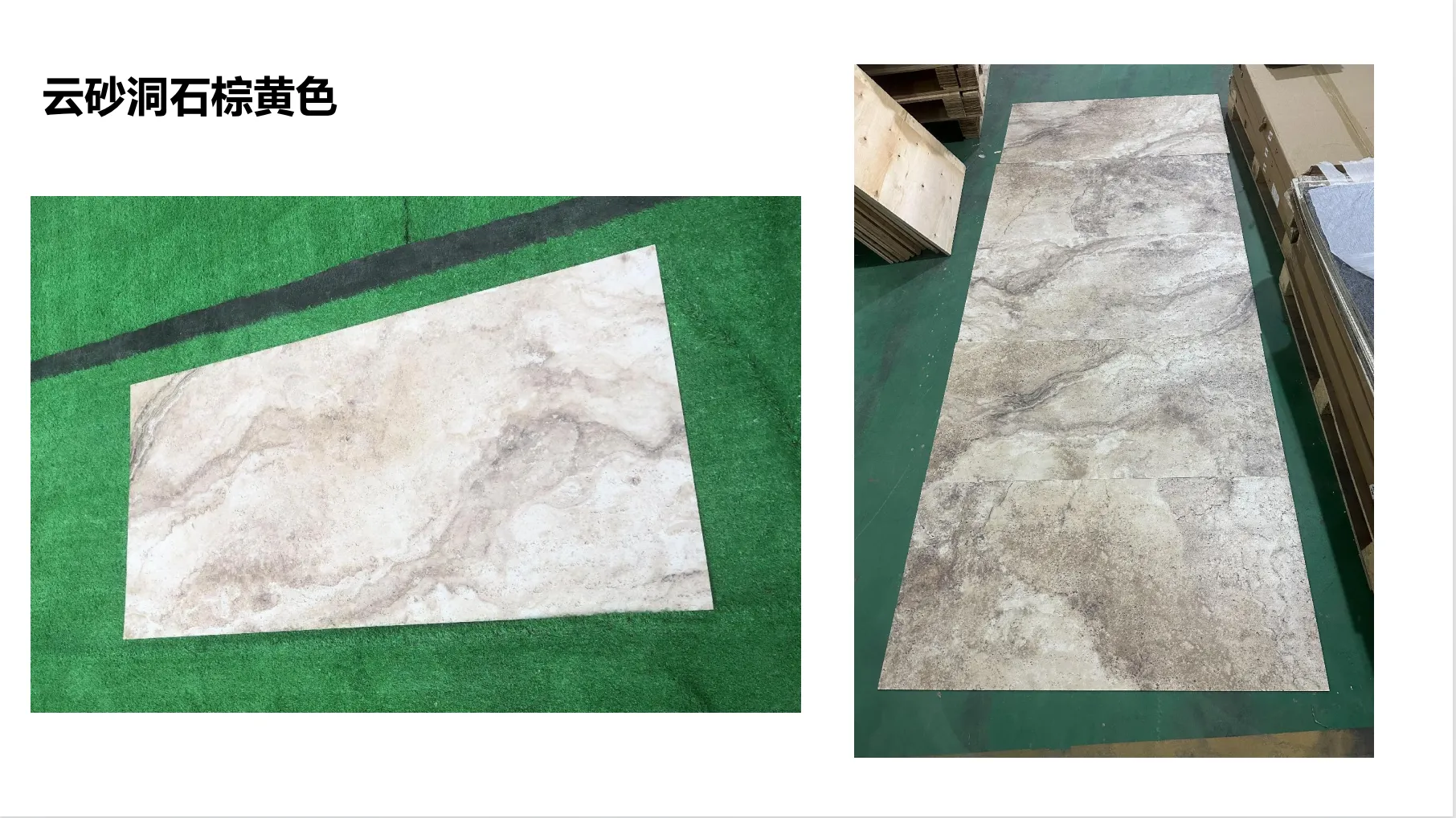
If you've ever walked into a space and thought, "Wow, that wall/floor looks like it was carved from a single block of stone," chances are you were looking at a well-executed dolomitic travertine installation. There's something inherently timeless about this material—its subtle veining, earthy tones, and natural texture can turn even the simplest room into a statement of understated luxury. But here's the thing: achieving that "seamless" look isn't just about picking the right stone. It's about mastering the art of preparation, precision, and patience. In this guide, we're diving deep into the world of dolomitic travertine installation, focusing on best practices for walls and floors that look so smooth, your guests might swear they're looking at a single slab (spoiler: they're not—they're just really well-placed tiles).
Before we get our hands dirty, let's talk about why dolomitic travertine has become a go-to for designers and homeowners alike. Unlike regular travertine, which is primarily calcium carbonate, dolomitic travertine gets its durability from dolomite—a mineral that adds strength and resistance to wear. That makes it ideal for high-traffic areas like floors, backsplashes, or even outdoor patios. And let's not forget the color options: Dolomitic travertine (dark grey) brings a moody, industrial edge to modern spaces, while Dolomitic travertine (claybank) leans warm and earthy, perfect for cozy living rooms or rustic kitchens. It's versatile, it's tough, and it ages beautifully—developing a soft patina over time that only adds to its charm.
But here's the catch: dolomitic travertine is still a natural stone, which means it's porous and can be prone to chipping if mishandled. That's why installation isn't just about slapping tiles on a wall or floor. It's a process that starts weeks before the first tile is laid, and it requires attention to detail that would make a watchmaker proud. Let's break it down step by step.
I've seen too many projects go south because someone skipped the prep work. Trust me—skimping here will lead to lippage (tiles that stick up unevenly), cracked grout, or even loose tiles down the line. So grab a cup of coffee, roll up your sleeves, and let's get started.
Dolomitic travertine is only as stable as the surface it's installed on. Whether you're working with a wall or a floor, the substrate (the surface beneath the tiles) needs to be flat, clean, dry, and strong. Let's break down common substrates and how to prep them:
Pro Tip: Moisture is the enemy! For floors, especially in bathrooms or basements, use a moisture meter to check the substrate's moisture content. For concrete, aim for less than 5 lbs/1000 sq ft/24 hours (ASTM F1869 standard). If it's higher, you'll need a moisture barrier like a liquid membrane or vapor retarder.
You wouldn't paint a masterpiece with a cheap brush, right? The same goes for tile installation. Here's a list of must-haves, organized by "non-negotiable" and "nice to have":
| Tool | Use | Why It Matters |
|---|---|---|
| Wet saw with diamond blade | Cutting tiles to size | Dolomitic travertine is hard—regular blades will chip the edges. A wet saw keeps the blade cool and reduces dust. |
| Notched trowel (1/4" or 1/2") | Applying thinset mortar | The size depends on tile thickness: 1/4" for tiles under 6x6", 1/2" for larger formats. |
| Rubber grout float | Pressing grout into joints | Prevents scratching the tile surface (metal floats are too harsh!) |
| Level (2' and 4') | Checking for flatness | Your best defense against lippage. Use the 4' level for walls/floors, 2' for tight corners. |
| Tile spacers (1/16" to 1/8") | Maintaining even grout lines | For seamless looks, go with 1/16" spacers—they keep lines tight but still allow grout to bond. |
| Sealer (penetrating, water-based) | Protecting the stone post-install | Dolomitic travertine is porous—sealer prevents stains from coffee, wine, or oil. |
Natural stone is sensitive to temperature and humidity changes, which can cause it to expand or contract. That's why you should always acclimate your dolomitic travertine tiles to the installation space for at least 48 hours before starting. Stack them in an open box (not plastic!) in the room where they'll be installed, and keep the temperature consistent. This step might seem like a hassle, but it's critical for preventing tiles from warping or cracking after installation.
While you're at it, do a "dry layout" of the tiles. Lay them out on the floor or wall (without thinset) to check for color variations, size inconsistencies, or defects. Natural stone can vary from tile to tile, so mixing and matching from different boxes will help create a more uniform look. It's also a good time to plan for cuts: mark tiles that need to be trimmed around outlets, corners, or fixtures, and double-check measurements. Remember: it's easier to adjust now than after the thinset is down.
Okay, you've prepped the substrate, gathered your tools, and acclimated the tiles. Now comes the fun part: turning a blank surface into a work of art. Let's start with walls, then move to floors—they have slightly different techniques, but the core principles stay the same.
Installing dolomitic travertine on walls is like building a brick wall—you start from the bottom and work your way up, using a ledger board to keep the first row level. Here's how:
Floors have one big challenge walls don't: movement. Houses settle, temperatures fluctuate, and concrete expands and contracts. That's why floor installations need expansion joints—gaps between tiles and walls (or other fixed objects) that allow the floor to move without cracking. Here's the drill:
Grouting is where the "seamless" magic happens—or falls apart. The goal is to fill the joints with grout that's the same color as the tile, creating the illusion of a single slab. Here's how to do it right:
Pro Tip: Sealing the grout is non-negotiable! Use a penetrating grout sealer 72 hours after grouting to prevent stains. For extra protection, seal the dolomitic travertine tiles themselves—apply two coats (letting the first dry 24 hours) to fill pores and repel liquids.
You've put in the work—now how do you keep your seamless installation looking fresh? Dolomitic travertine is durable, but it's not indestructible. Here are the basics:
Even the pros make mistakes. Here are common issues and solutions:
Installing dolomitic travertine isn't for the faint of heart—it takes time, patience, and a willingness to learn from mistakes. But when you stand back and look at that wall or floor, with its tight grout lines, even tiles, and seamless appearance, you'll know it was worth it. Remember: the difference between a "good" installation and a "great" one is in the details—the substrate prep, the thinset mixing, the grout color choice. And don't forget to appreciate the stone itself: Dolomitic travertine (dark grey) and (claybank) aren't just building materials—they're pieces of the earth, each with its own unique story. Treat them with respect, and they'll reward you with a space that feels both grand and grounded, modern and timeless.
So grab your trowel, put on your work gloves, and get ready to transform your space. And when someone asks, "Did you really do this yourself?" just smile and say, "It was easy—you just have to care about the details." (We won't tell them about the 48 hours of prep work.)
Recommend Products












