
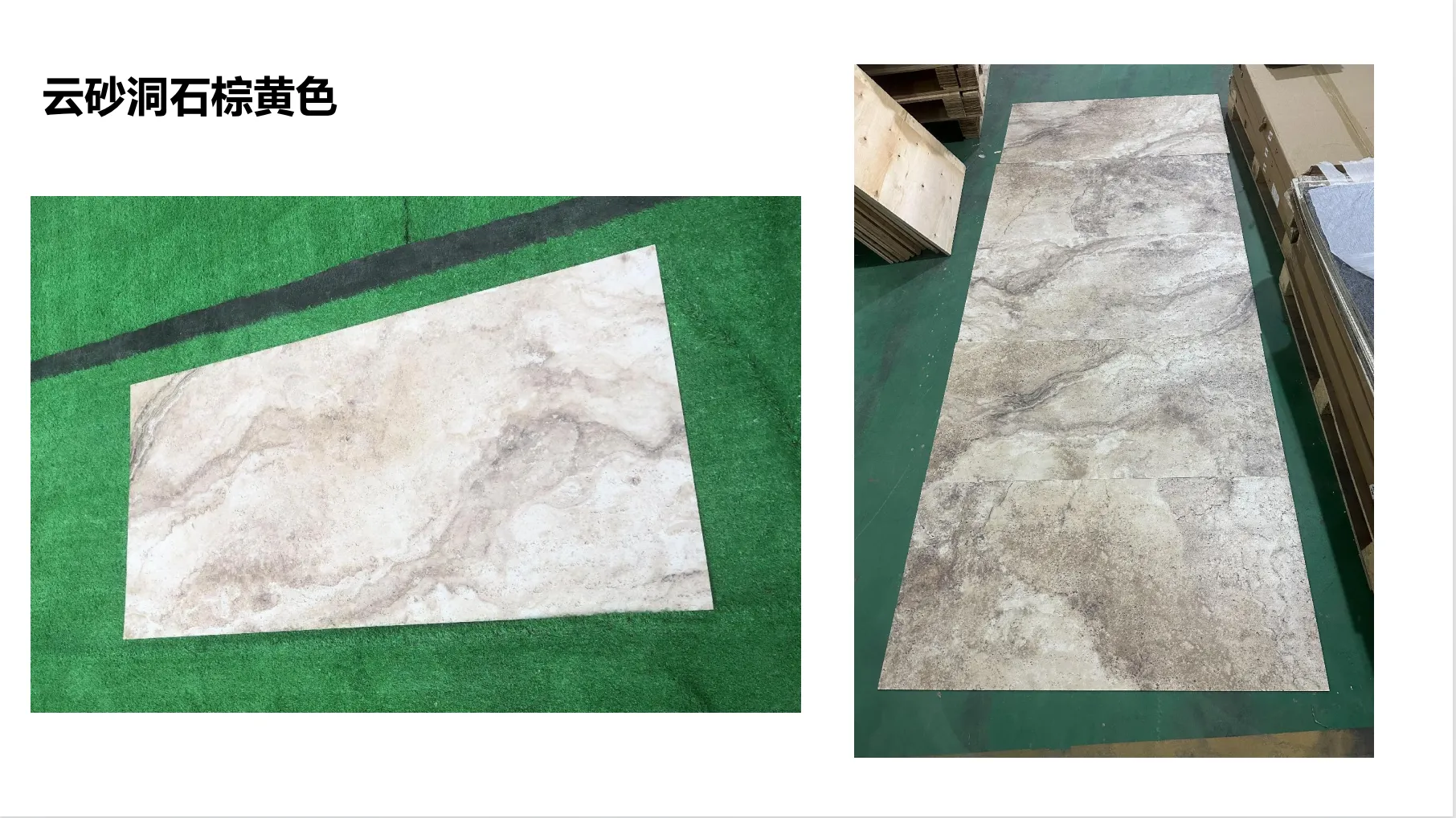
Walk into any bustling hotel lobby, trendy restaurant, or busy family home, and you might find yourself pausing to admire the floors—smooth, richly textured, and somehow still radiant despite the constant flow of feet. That's the magic of dolomitic travertine. A cousin to classic travertine, this stone combines the best of durability and elegance, making it a top pick for spaces that see a lot of action. But here's the thing: even the toughest stones need a little TLC to stay looking their best. Whether you've got dolomitic travertine in your kitchen, hallway, or commercial space, this guide will show you how to keep it shining, even when life (and foot traffic) gets messy.
First, let's get to know the star of the show. Dolomitic travertine is a sedimentary rock formed from mineral-rich hot springs, but what sets it apart from regular travertine is its high dolomite content—a mineral that adds extra hardness and resistance to wear. This makes it more durable than many other natural stones, which is why it's a favorite for high-traffic areas. But it's not just about strength; dolomitic travertine also boasts unique veining, subtle color variations, and a warm, organic feel that elevates any space.
Among the most popular varieties are Dolomitic travertine(dark grey) and Dolomitic travertine(claybank) . The dark grey variety offers a sleek, modern look with deeper tones that hide dust and minor scuffs, while the claybank option leans into earthy, warm hues—think soft terracotta or sandy beige—that bring a cozy, inviting vibe. Both are stunning, but their unique colorways mean slightly different maintenance needs, which we'll break down later.
High-traffic areas—think entryways, kitchens, living rooms, or retail floors—are tough on any flooring. Dirt gets tracked in, spills happen, furniture shifts, and over time, even the sturdiest surfaces can start to show signs of wear. Dolomitic travertine, while durable, is still a natural stone with pores and soft spots that can trap dirt, absorb liquids, or scratch if not cared for properly. The key is to understand its vulnerabilities and build a maintenance routine that addresses them head-on.
Pro Tip: Unlike polish concrete or fair-faced concrete (other popular high-traffic options), dolomitic travertine has a porous surface. This porosity is part of its charm—it gives the stone depth and texture—but it also means it needs extra protection against stains and moisture. More on that later!
| Feature | Dolomitic Travertine(dark grey) | Dolomitic Travertine(claybank) |
|---|---|---|
| Color & Visibility of Wear | Darker tones hide dust, scuffs, and minor stains better. | Lighter hues show spills and dirt more noticeably but highlight veining beautifully. |
| Cleaning Frequency | Can go 2-3 days between light cleanings (ideal for busy commercial spaces). | Benefits from daily light cleaning to prevent dirt buildup from dulling the surface. |
| Stain Sensitivity | Oil-based stains may still show but are less obvious than on lighter stones. | Prone to visible water spots and dark stains; quick cleanup is a must. |
| Sealer Needs | Requires sealing every 12-18 months (porosity is moderate). | Seal every 9-12 months (slightly more porous than dark grey). |
The secret to preserving dolomitic travertine isn't in fancy products—it's in consistency. Daily habits can prevent dirt and grime from building up and causing long-term damage. Here's what to do:
Dirt and sand are like tiny abrasives that scratch the stone's surface over time. Get into the habit of sweeping or using a microfiber dust mop every day (or at least every other day) in high-traffic zones. Avoid stiff brooms with plastic bristles—they can scratch. Opt for soft, natural fiber brooms or microfiber mops that trap dust without scratching.
Remember that porosity we mentioned? It means liquids can seep into the stone and cause stains if left unattended. Whether it's coffee, wine, or a spilled glass of water, grab a clean, absorbent cloth and blot (don't rub!) the spill right away. Rubbing can push the liquid deeper into the pores. For sticky spills like soda or juice, follow up with a damp cloth and mild soap (we'll talk about soap choices next).
Harsh cleaners with acidic ingredients (like vinegar, lemon, or bleach) are dolomitic travertine's worst enemy. They can eat away at the stone's surface, causing etching or discoloration. Instead, stick to pH-neutral, stone-safe cleaners. Look for products labeled "for travertine" or "for natural stone." If you're in a pinch, a few drops of mild dish soap (like Dawn) mixed with warm water works too—just rinse thoroughly to avoid soap residue, which can dull the finish.
Even with daily care, dolomitic travertine will eventually need a deeper clean to remove embedded dirt or grime. How often? Aim for once a month in high-traffic areas, or every 6-8 weeks in less busy spots. Here's how to do it right:
Even with quick cleanup, stains happen. Here's how to tackle common culprits without damaging your dolomitic travertine:
Blot the stain with a dry cloth to remove excess oil. Then, make a paste of baking soda and water (about 3 parts baking soda to 1 part water) and apply it to the stain. Cover with plastic wrap and let it sit overnight—the baking soda will draw the oil out of the stone. The next day, wipe away the paste with a damp cloth and rinse. Repeat if needed.
For fresh stains, blot with a damp cloth and mild soap. For older stains, mix hydrogen peroxide (3%) with a few drops of ammonia (test in an inconspicuous area first to ensure it doesn't discolor the stone). Apply the mixture to the stain, cover with plastic wrap, and let sit for 30 minutes to an hour. Rinse thoroughly and dry.
Hard water stains are caused by mineral deposits. Remove them by wiping the area with a cloth dampened with distilled white vinegar (yes, vinegar— but only for hard water stains , and only if the stone is sealed!). Let it sit for 5 minutes, then rinse with water and dry. If the stain persists, use a stone-safe lime scale remover.
Sealing is non-negotiable for dolomitic travertine, especially in high-traffic areas. A good sealer creates a protective barrier that repels liquids and prevents stains from seeping into the stone's pores. Here's how to do it right:
New dolomitic travertine should be sealed before it's even used—ask your installer to do this, or DIY it within the first week. After that, reseal every 9-18 months, depending on the variety: Dolomitic travertine(claybank) (more porous) needs sealing every 9-12 months, while Dolomitic travertine(dark grey) can go 12-18 months. To check if it's time, pour a few drops of water on the stone. If it beads up, the sealer is still working. If it soaks in, it's time to reseal.
Choose a high-quality penetrating sealer (look for "impregnating sealer" or "penetrating sealer")—these soak into the stone and provide long-lasting protection without altering its appearance. Avoid topical sealers, which can create a glossy film that wears off unevenly. Follow these steps:
The best way to maintain dolomitic travertine is to prevent damage in the first place. Here are some simple steps to protect your stone:
Place doormats at entryways to trap dirt and sand before it hits the stone. In kitchens, use area rugs in front of sinks or stoves to catch spills and foot traffic. Opt for rugs with non-slip, non-rubber backings—rubber can discolor the stone over time.
Furniture legs can scratch or chip dolomitic travertine when moved. Attach felt pads to the bottom of chairs, tables, and sofas to prevent scratches. When moving heavy furniture, lift it instead of dragging it.
While dolomitic travertine is durable, it's not indestructible. Avoid dropping heavy objects (like pots, tools, or weights) on the surface—they can crack or chip the stone. In commercial spaces, place padding under heavy equipment like vending machines or display cases.
Even with the best care, you might run into a few hiccups. Here's how to handle them:
Etching happens when acidic substances (like lemon juice or vinegar) eat away at the stone's surface, leaving dull, lighter spots. For minor etching, try polishing the area with a stone-safe polishing powder (follow the product instructions). For deeper etching, you may need to call a professional to rehone or repolish the stone.
If your dolomitic travertine looks lackluster, it might be due to soap residue or a worn sealer. Deep clean the stone with a pH-neutral cleaner, then reseal if needed. If that doesn't work, a professional polish can restore its shine.
Small chips can be repaired with a stone epoxy or filler that matches the color of your travertine. For larger cracks, it's best to consult a professional—they can fill the crack and blend it in so it's barely noticeable.
Dolomitic travertine is more than just a flooring material—it's a investment in beauty and durability. With the right care, it can last for decades, aging gracefully and adding character to your space. Remember: consistency is key. A few minutes of daily cleaning, regular sealing, and proactive protection will go a long way in keeping your stone looking as stunning as the day it was installed.
So whether you're tending to Dolomitic travertine(dark grey) floors in a busy office or Dolomitic travertine(claybank) countertops in your home, embrace the process. After all, a little effort now means you'll get to enjoy that timeless, natural beauty for years to come.
Recommend Products












