
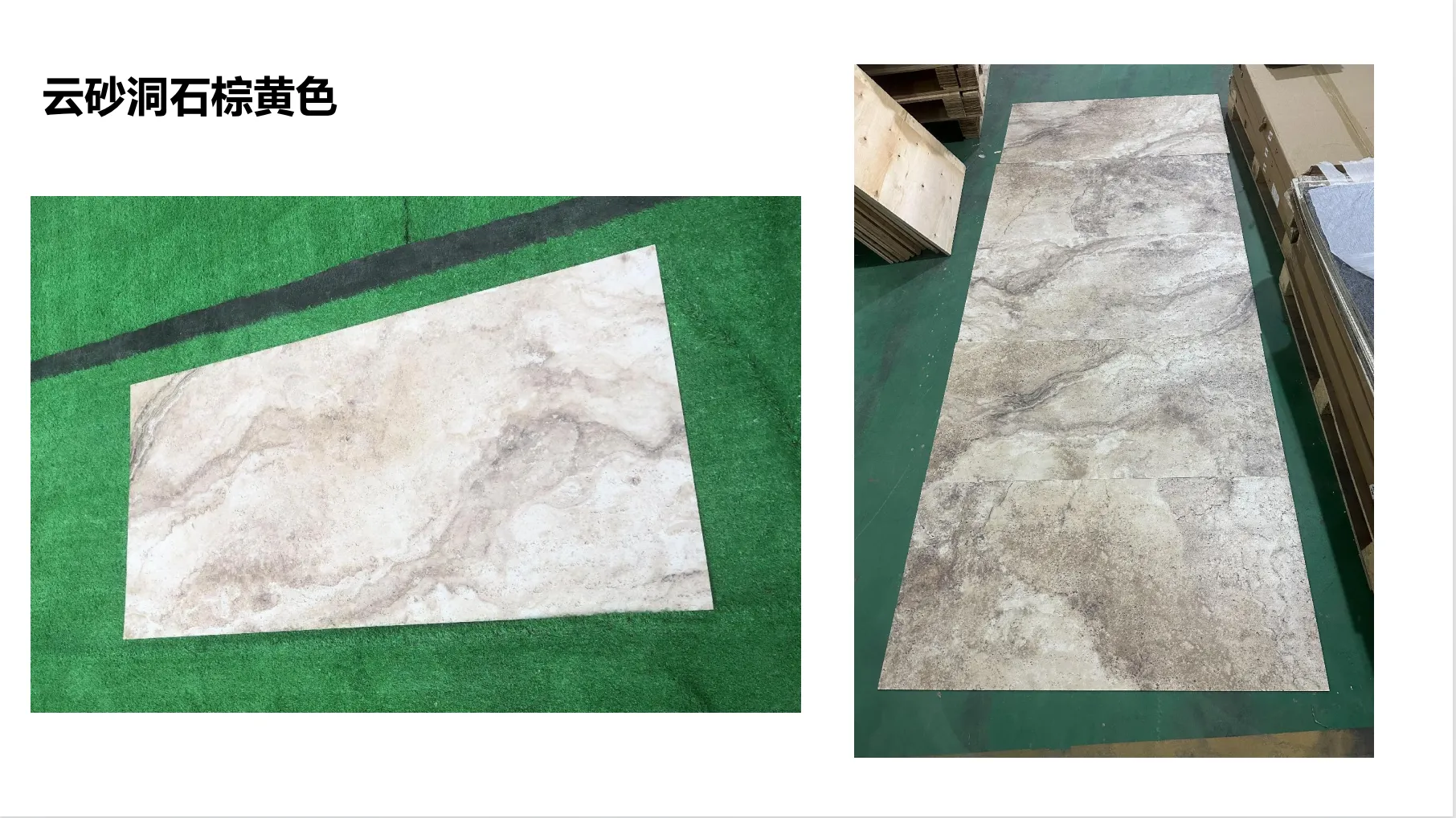
Walk into a modern restaurant, a boutique hotel lobby, or even a cozy home office, and there's a good chance you'll encounter a surface that stops you in your tracks—smooth, earthy, and full of character. Chances are, that surface is dolomitic travertine. Unlike regular travertine, which leans on calcite for its composition, dolomitic travertine gets its unique personality from dolomite, a mineral that adds durability and a subtler, more varied color palette. From the deep, moody tones of dolomitic travertine (dark grey) to the warm, sunlit hues of dolomitic travertine (claybank), this stone has become a favorite for designers who crave versatility. But here's the secret: its true magic lies in the finish. Whether you're after a raw, rustic matte look, a smooth honed surface, or a glossy polished finish, dolomitic travertine adapts—transforming spaces to match any style. Let's dive into how to achieve each finish, and why you might choose one over the others.
Before we jump into polishing, let's clear up a common confusion: travertine vs. dolomitic travertine. Regular travertine is porous and soft, with visible voids (those little holes that give it charm). Dolomitic travertine, on the other hand, is denser because it contains dolomite, a mineral that's harder than calcite (the main component in standard travertine). This density matters for polishing—it means dolomitic travertine holds up better to grinding and resists scratches, making it ideal for high-traffic areas. It also comes in more muted, sophisticated colors. Take dolomitic travertine (dark grey), for example: its veins are softer, less dramatic than regular travertine, giving it a modern, understated vibe. Dolomitic travertine (claybank), meanwhile, leans into warm, terracotta-like tones that feel like a hug from the earth. And because of its dolomite content, it's less prone to etching from acidic substances—good news if you're using it in kitchens or bathrooms.
But here's the catch: porosity still plays a role. Even with dolomite, dolomitic travertine has tiny pores (though fewer than regular travertine), which means the finish you choose will affect not just how it looks, but how you care for it. Matte, honed, polished—each finish alters the stone's texture, shine, and even its practicality. Let's break them down, one by one.
If you're drawn to spaces that feel "lived-in"—think industrial lofts, rustic cabins, or bohemian living rooms—matte dolomitic travertine might be your soulmate. Matte finishes celebrate the stone's natural texture, leaving it looking like it was just pulled from the earth (but with a little TLC). The surface is slightly rough to the touch, with no shine—just a soft, diffused glow that highlights the stone's inherent patterns, like the subtle veining in dolomitic travertine (claybank) or the tiny fossilized bits that add character to dolomitic travertine (dark grey).
Matte finishing is all about minimal intervention . Unlike polished or honed finishes, which involve aggressive grinding, matte finishes start with light abrasion. Here's the step-by-step:
Matte dolomitic travertine shines (pun intended) in spaces where you want texture to take center stage. It's perfect for:
Honed dolomitic travertine is the middle child—no, not the forgotten one, but the one that gets along with everyone. It's smoother than matte but not as shiny as polished, with a satin-like finish that feels luxurious underfoot. The surface is even and consistent, with just enough sheen to highlight the stone's colors without overwhelming the room. If matte is "rustic," honed is "refined casual"—perfect for spaces that want to feel elevated but not stuffy.
Honed finishes require a bit more precision than matte. The goal is to smooth the surface without creating a mirror-like shine, so you'll use finer grits and more passes. Here's how:
Honed dolomitic travertine is the ultimate team player. It works in almost any space, but it truly shines in:
If honed is "refined casual," polished dolomitic travertine is "red-carpet ready." Polished finishes turn the stone into a mirror, reflecting light and making spaces feel larger, brighter, and more luxurious. The surface is ultra-smooth—almost glass-like—and the stone's colors and veining become more vivid. Dolomitic travertine (dark grey) polished, for example, takes on a sleek, modern edge, while dolomitic travertine (claybank) becomes warm and inviting, like a sunset captured in stone.
Polishing is the most labor-intensive finish, but the payoff is worth it. It involves working through a series of increasingly fine grits to smooth the stone's surface until it reflects light. Here's the process:
Polished dolomitic travertine is all about drama and elegance. It's best suited for spaces where aesthetics take center stage, and maintenance is a priority:
| Finish Type | Shine Level | Texture | Maintenance | Best For |
|---|---|---|---|---|
| Matte | None (natural sheen) | Slightly rough, earthy | Low: Sweep, damp mop; minimal sealing | Rustic, industrial, outdoor spaces |
| Honed | Satin (soft, no mirror) | Smooth, consistent | Moderate: Seal every 1-2 years; wipe spills | Kitchens, bathrooms, high-traffic areas |
| Polished | High (mirror-like reflection) | Ultra-smooth, glass-like | High: Seal every 6-12 months; avoid abrasives | Foyers, luxury bathrooms, commercial spaces |
No matter which finish you choose, dolomitic travertine needs a little love to stay looking its best. Here's how to care for each:
Matte is the low-maintenance star. Sweep or vacuum regularly to remove dirt (which can scratch the surface if left unattended). For deeper cleans, use a damp mop with a pH-neutral stone cleaner—avoid vinegar, bleach, or ammonia, which can etch the stone. If you do seal it (recommended for outdoor use), opt for a penetrating sealer and reapply every 3-5 years.
Honed surfaces need a bit more attention. Wipe up spills immediately (especially acidic ones like wine or citrus juice) to prevent staining. Sweep and damp mop weekly with pH-neutral cleaner. Seal every 1-2 years with a penetrating sealer—this will help repel liquids and keep the finish looking fresh.
Polished dolomitic travertine is stunning but sensitive. Avoid dragging furniture across it (use felt pads!) and sweep/vacuum often to prevent scratches from dirt. Wipe spills immediately, and clean with a pH-neutral stone cleaner (never use abrasive scrubbers, which can dull the shine). Seal every 6-12 months with a high-quality penetrating sealer to protect the glossy surface.
At the end of the day, choosing a finish for dolomitic travertine is about balancing your style goals with practical needs. Love the look of a cozy, rustic cabin? Go matte with dolomitic travertine (claybank). Need a surface that can handle kids, pets, and dinner parties? Honed dolomitic travertine (dark grey) is your go-to. Want to make a statement in a luxury space? Polished is the way to go. And here's the best part: dolomitic travertine is forgiving. Even if you change your mind later, you can always refinish it—sand down a polished surface to honed, or add a bit more grit to a matte finish to make it smoother. So go ahead—let the stone's natural beauty and versatility inspire you. Whether you're designing a home, a business, or just a small corner of your world, dolomitic travertine is ready to transform it, one finish at a time.
Recommend Products












