
Walk into any thoughtfully designed space, and you'll notice it immediately—the quiet language of materials. A rough-hewn stone wall might whisper of mountain cabins; a sleek, polished surface could shout modern minimalism. But what if a single material could do both? Enter dolomitic travertine, a stone that defies categorization, blending earthy warmth with sleek sophistication. In this exploration, we'll uncover how this remarkable stone bridges rustic charm and contemporary edge, transforming spaces into stories.
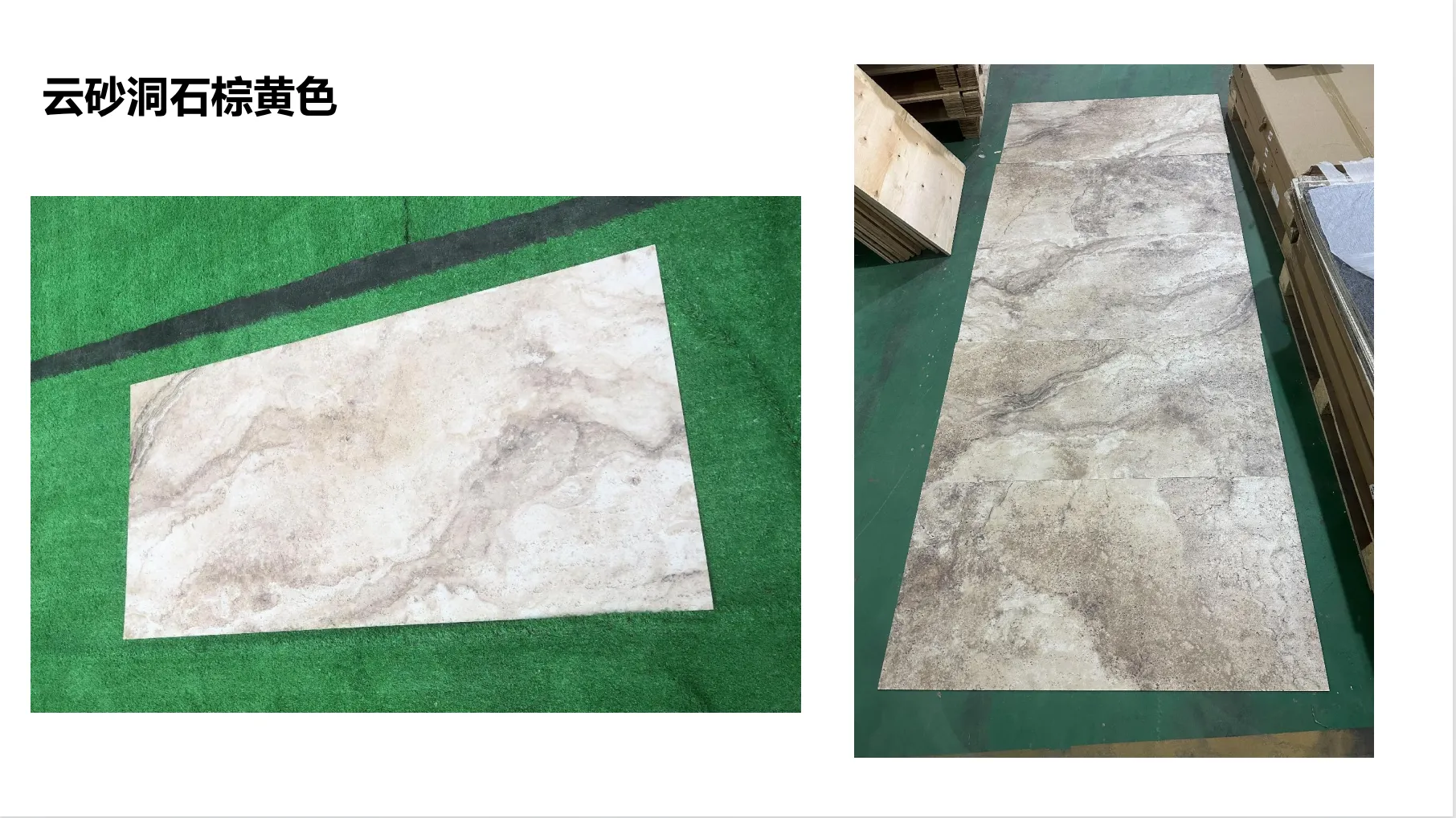
Before we dive into design, let's get intimate with the star of the show. Dolomitic travertine isn't just another pretty stone—it's a geological masterpiece. Formed over millennia in mineral-rich hot springs, it's a cousin to traditional travertine but with a twist: a higher dolomite content, which gifts it extra durability and a unique color palette. Unlike the creamy whites of classic travertine, dolomitic travertine leans into earthy extremes, from the warm, sun-baked dolomitic travertine (claybank) to the moody, storm-cloud hues of dolomitic travertine (dark grey) . Its surface, pocked with tiny vesicles (natural indentations), isn't just texture—it's character. Run your hand over it, and you'll feel the weight of time, as if the stone itself holds secrets of ancient seas and slow-moving rivers.
But what truly sets it apart? Versatility. While some stones lock you into a single aesthetic—marble for luxury, slate for industrial—dolomitic travertine bends without breaking. It's the chameleon of the design world, adapting to rustic hearths and glass-walled penthouses alike. Let's see how it wears these different hats.
Imagine stepping into a mountain retreat as the sun dips below the pines. The air smells of pine and cinnamon, and the floor beneath your feet—warm, slightly uneven—feels like a hug from the earth. Chances are, that floor is dolomitic travertine (claybank) . Its soft, terracotta-tinged hue (think baked clay or dried grass at dusk) is the cornerstone of rustic design, where "perfectly imperfect" is the highest compliment.
In a rustic kitchen, claybank dolomitic travertine countertops pair seamlessly with wood grain board cabinetry. The stone's natural pits and grooves catch the light, creating a dance of shadows that mimics the dappled sunlight of a forest. Add a farmhouse sink and wrought-iron hardware, and suddenly you're not just cooking—you're living in a story. Even better, the stone's warm undertones balance the coolness of stainless steel appliances, turning a functional space into a heart-of-the-home gathering spot.
But it's not just kitchens. Picture a bathroom with a claybank travertine shower wall, paired with rough-hewn wooden shelves and a copper freestanding tub. The stone's porous surface (sealed, of course) feels organic, like stepping into a natural spring. Or a living room with a claybank travertine fireplace surround, where the stone's texture contrasts with a plush wool rug and leather armchairs. Here, the stone isn't just a backdrop—it's a character, grounding the space in warmth and history.
What makes claybank dolomitic travertine so effective in rustic design? It's the way it ages. Unlike synthetic materials that fade or scratch, this stone develops a patina over time—small stains from coffee spills, gentle wear from foot traffic—that only deepens its charm. It's a material that tells the story of the people who live there, making every nick and mark a memory.
Now, let's pivot. Step into a downtown loft with floor-to-ceiling windows, exposed brick, and a view of the city skyline. The furniture is low-slung, the color palette is monochromatic, and the focal point? A wall of dolomitic travertine (dark grey) . Sleek, moody, and undeniably cool, this variant is the darling of contemporary design, proving that travertine doesn't have to play by "rustic rules."
Dark grey dolomitic travertine is all about contrast. In a modern living room, it might serve as a feature wall behind a minimalist sofa, its deep color offsetting crisp white walls and fair-faced concrete floors. The stone's vesicles, once seen as "imperfections," become design assets—tiny pockets of shadow that add depth to an otherwise clean-lined space. Pair it with black metal accents and a statement pendant light, and you've got industrial-chic meets high-end modernism.
In bathrooms, dark grey dolomitic travertine takes on a spa-like quality. Imagine a walk-in shower with large-format dark grey tiles, paired with a floating white vanity and rainfall showerhead. The stone's cool tone feels calming, like a misty morning, while its texture adds tactile interest to an otherwise smooth space. It's minimalism with soul—proof that "less" doesn't have to mean "cold."
Even commercial spaces are falling for its allure. A trendy coffee shop might use dark grey dolomitic travertine for tabletops, paired with polished concrete floors and greenery. The stone's durability stands up to daily wear (think coffee spills, laptop scratches), while its sophisticated look elevates the customer experience. It's a material that says, "We care about design—and we care about longevity."
| Variant | Color Palette | Best Design Styles | Complementary Materials | Top Applications |
|---|---|---|---|---|
| Dolomitic Travertine (Claybank) | Warm terracotta, baked clay, soft beige | Rustic, farmhouse, cottage, bohemian | Wood grain board, copper, wrought iron, natural fibers | Kitchen countertops, fireplace surrounds, bathroom walls |
| Dolomitic Travertine (Dark Grey) | Storm cloud, charcoal, deep slate | Contemporary, industrial, minimalist, modern | Fair-faced concrete, black metal, polished steel, white marble | Feature walls, shower tiles, commercial tabletops, flooring |
Dolomitic travertine isn't just for private spaces—it's a star in commercial design, where first impressions matter most. Take a boutique hotel lobby, for example. A claybank travertine floor, paired with a marble series reception desk, creates a welcoming contrast: the stone's warmth puts guests at ease, while marble adds a touch of luxury. It's a balance that says, "We're elegant, but we're also approachable."
Restaurants, too, are embracing the stone. A farm-to-table eatery might use claybank dolomitic travertine for its dining tables, reinforcing its "earthy" brand. A high-end sushi bar? Dark grey travertine walls, backlit to highlight the stone's texture, creating an intimate, almost theatrical ambiance. Even retail stores benefit—clothing boutiques use the stone for fitting room walls, where its neutral tone makes clothes pop, and its durability stands up to daily traffic.
One of the stone's unsung strengths in commercial settings? Its acoustic properties. Those tiny vesicles aren't just pretty—they absorb sound, reducing echo in busy spaces like restaurants or hotel lobbies. It's a practical bonus that makes the stone as functional as it is beautiful.
In an era where "green building materials" are more than a trend—they're a responsibility—dolomitic travertine shines. Unlike synthetic materials that rely on harsh chemicals, this stone is quarried from natural deposits, with minimal processing. Its durability is another eco-win: a well-maintained dolomitic travertine surface can last decades, reducing the need for frequent replacements (and the waste that comes with them).
Even better, its natural color means no toxic dyes or sealants are required to enhance its appearance. A simple, water-based sealer is all it takes to protect against stains, making it a low-VOC (volatile organic compound) choice for health-conscious homeowners and businesses. In a world where every design decision carries environmental weight, dolomitic travertine lets you have beauty and conscience in equal measure.
Let's be honest: the stone market is crowded. There's marble for luxury, granite for durability, rough granite stone for texture. So why choose dolomitic travertine? It's the only material that checks all three boxes: beauty, durability, and adaptability. Marble is stunning but porous; granite is tough but can feel cold. Dolomitic travertine? It's the sweet spot—hard enough for high-traffic areas, soft enough to feel inviting, and versatile enough to fit any design vision.
It also tells a story. Every vein, every pit, every variation in color is a fingerprint from the earth. When you choose dolomitic travertine, you're not just selecting a material—you're bringing a piece of the planet into your space. It's a reminder that the most beautiful designs aren't just about aesthetics; they're about connection—to nature, to history, and to the people who will live, work, and love in those spaces.
Recommend Products












