
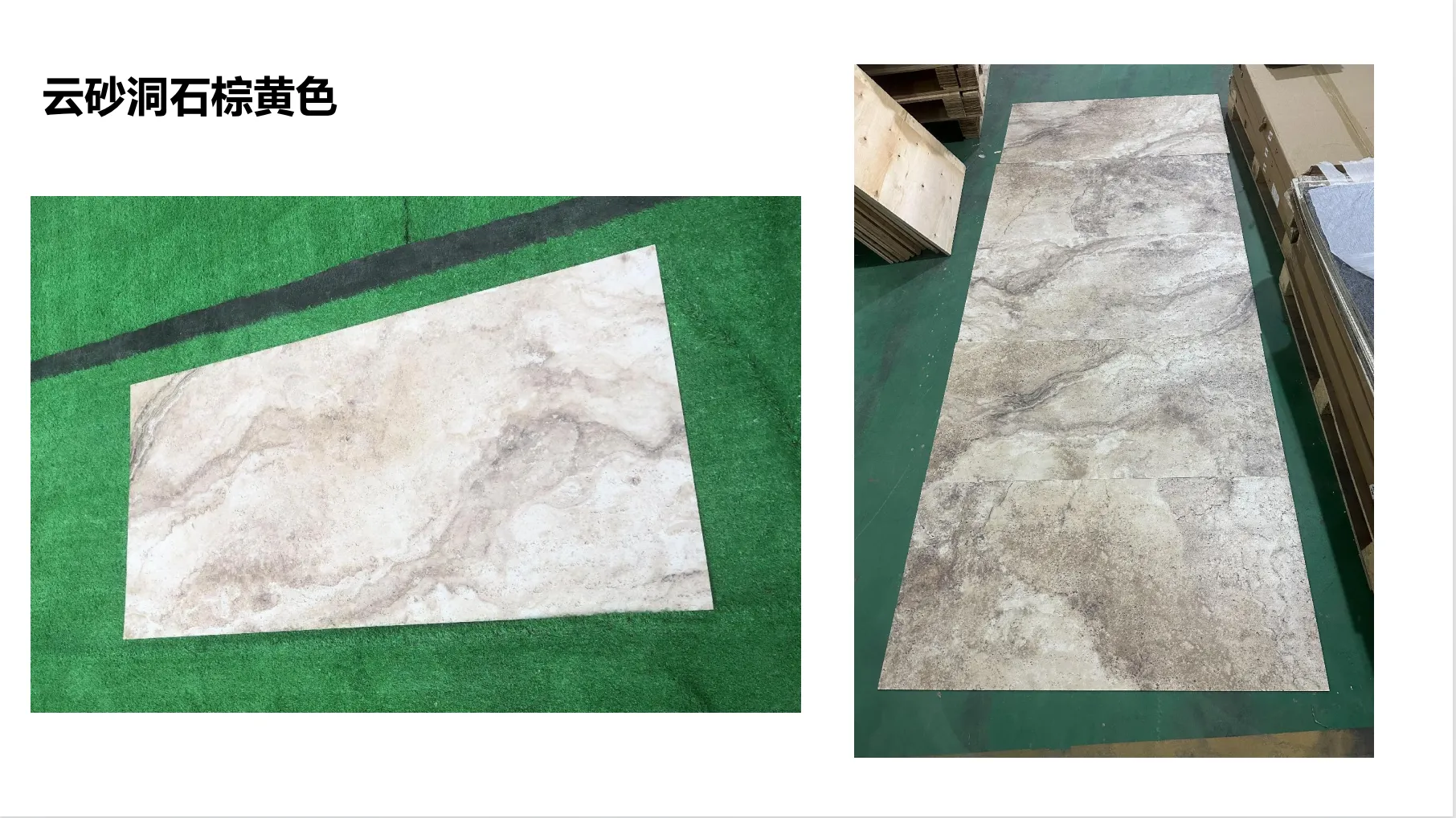
Every interior space tells a story, and the materials we choose are the words that bring that story to life. Among the many characters in this narrative, dolomitic travertine stands out as a quiet yet compelling protagonist. With its roots in ancient quarries and a texture that bears the marks of time, this stone isn't just a surface—it's a conversation starter. From the soft hum of beige to the dramatic depth of dark grey, dolomitic travertine's color range is a celebration of earth's own artistry. Let's explore how these hues can transform spaces, and how to weave them into palettes that feel both intentional and alive.
Before diving into colors, it's worth pausing to appreciate what sets dolomitic travertine apart. Unlike traditional travertine, which is primarily calcium carbonate, dolomitic travertine includes dolomite—a mineral that adds density and a subtle metallic sheen to the stone. This gives it enhanced durability, making it suitable for high-traffic areas, while retaining travertine's signature pitted texture and organic veining. It's a material that balances strength with softness, making it a favorite for designers who crave both resilience and warmth.
What truly makes dolomitic travertine a star, though, is its color versatility. From the understated elegance of ivory to the moody allure of dark grey, each shade carries a distinct personality, ready to adapt to the story you want your space to tell.
Beige dolomitic travertine is the quiet achiever of the design world. It's not flashy, but it's infinitely reliable—a blank canvas that lets other elements shine while grounding the space in calm. Its undertones range from warm honey to soft sand, with veins that dance in shades of cream or light taupe. In natural light, it glows with a gentle radiance, as if carrying the warmth of a sunlit meadow; under artificial light, it softens, taking on a cozy, intimate hue.
This shade is perfect for spaces where you want to evoke serenity: bedrooms, living rooms, or home offices. Imagine a bedroom with beige dolomitic travertine flooring, paired with linen curtains and a plush rug—the stone's texture adds subtle interest without overwhelming the senses, creating a retreat that feels both luxurious and lived-in.
Ivory dolomitic travertine takes beige's calm and elevates it to sophistication. Lighter and brighter, it leans into purity without feeling sterile, thanks to its natural veining—thin threads of pale gold or soft grey that mimic the delicate patterns of marble. It's a shade that feels both classic and contemporary, equally at home in a minimalist apartment or a traditional villa.
In bathrooms, ivory dolomitic travertine transforms the space into a spa-like sanctuary. Picture a walk-in shower with ivory walls, where water droplets catch the light and highlight the stone's porous texture, turning every morning routine into a moment of quiet luxury. It's also stunning as a backsplash in kitchens, where it balances the warmth of wood cabinetry and the shine of stainless steel appliances.
If beige is calm and ivory is elegant, claybank dolomitic travertine is the storyteller of the bunch. Its name says it all—this shade evokes the rich, earthy tones of riverbanks and sun-baked clay, with warm undertones of terracotta and soft brown. The veining here is more pronounced, often in deeper rust or amber, adding depth and movement to the stone. It's a color that feels rooted in nature, making it ideal for spaces that aim to blur the line between indoors and out.
Claybank dolomitic travertine shines in open-concept living areas, where it can flow from the kitchen to the outdoor patio, creating a seamless transition. It pairs beautifully with wood grain board —imagine a dining room with claybank flooring and a wooden dining table, where the stone's earthiness complements the wood's organic texture, creating a space that feels both rustic and refined.
For those who crave contrast and edge, dark grey dolomitic travertine delivers. This shade is bold, moody, and unapologetically modern, with a depth that draws the eye and anchors a space. Its undertones can veer from charcoal to slate, with veins in black or silver that add a touch of glamour. Unlike solid black surfaces, which can feel heavy, dark grey dolomitic travertine's texture—those tiny pits and irregularities—softens its intensity, making it feel dynamic rather than oppressive.
This is a stone for statement pieces: a feature wall in a home theater, a kitchen island countertop, or a fireplace surround. In a minimalist living room, dark grey dolomitic travertine flooring paired with white walls and metallic accents creates a look that's sleek yet inviting. It's also surprisingly versatile—when paired with warm woods or soft textiles, it loses its (lěngjùn, "cold") edge and becomes unexpectedly cozy.
The magic of dolomitic travertine lies not just in its own beauty, but in how it plays with other materials. Here's how to pair its key shades with complementary elements to create cohesive, emotionally resonant palettes.
Claybank dolomitic travertine and wood grain board are a match made in design heaven. The stone's earthy clay tones echo the warmth of wood, creating a palette that feels like a cabin in the woods, updated for modern living. Use claybank for flooring and wood grain board for accent walls or cabinetry—think a kitchen where claybank countertops rest atop wood grain cabinets, with brass hardware adding a touch of warmth. Add potted plants and woven textiles to enhance the organic vibe, and you've got a space that feels both grounded and alive.
For a look that's sleek and contemporary, pair dark grey dolomitic travertine with fair-faced concrete . Both materials celebrate raw texture—travertine's pits and concrete's subtle imperfections play off each other, creating a space that feels authentic and unpolished. Use dark grey travertine for flooring and fair-faced concrete for walls, then add black metal fixtures and large windows to let in natural light. The result? A loft-like aesthetic that's edgy yet inviting, perfect for urban apartments or modern offices.
Beige dolomitic travertine is a neutral, but that doesn't mean it has to play it safe. Add a pop of color with travertine (starry blue) —a variant with subtle blue veining that mimics the night sky. Use beige for large surfaces like flooring or walls, then incorporate starry blue as an accent: a backsplash tile, a fireplace surround, or even a small side table. The blue adds depth without overwhelming, creating a palette that's calm yet full of personality. Pair with white linens and natural wood to keep the focus on the stone's beauty.
For a palette that exudes understated luxury, combine ivory dolomitic travertine with marble veil white . Both stones are light and bright, but their textures differ—travertine's pitted surface adds softness, while marble's smooth, veined finish adds elegance. Use ivory travertine for flooring and marble veil white for countertops or wall panels. Add gold or brass accents (think light fixtures or hardware) to warm up the palette, and you've got a space that feels like a five-star hotel suite, but with the lived-in charm of home.
Dolomitic travertine's colors shift with lighting, so test samples in your space before committing. Beige and claybank warm up under incandescent bulbs, while dark grey can look deeper in cool, blue-toned light. Natural light is your best friend—position windows to highlight the stone's veining and texture.
Travertine is porous, so sealing is a must to prevent stains. For high-moisture areas like bathrooms or kitchens, opt for a penetrating sealer that won't alter the stone's appearance. Over time, the stone will develop a patina—small scratches and subtle color changes—that only adds to its character.
Dolomitic travertine has a tactile, uneven surface, so pair it with smoother materials to avoid overwhelming the senses. For example, rough claybank travertine flooring pairs beautifully with a plush rug or a sleek leather sofa, creating a balance of textures that feels inviting.
| Color | Undertones | Mood | Best Applications | Complementary Materials |
|---|---|---|---|---|
| Beige | Honey, sand, light taupe | Calm, versatile, grounding | Flooring, walls, bedrooms | Travertine (starry blue), white textiles, woven rugs |
| Ivory | Pale gold, soft grey | Elegant, pure, sophisticated | Bathrooms, backsplashes, countertops | Marble veil white, gold accents, linen |
| Dolomitic Travertine (Claybank) | Terracotta, amber, rust | Rustic, earthy, storytelling | Living rooms, kitchens, outdoor patios | Wood grain board, brass hardware, potted plants |
| Dolomitic Travertine (Dark Grey) | Charcoal, slate, silver | Dramatic, modern, edgy | Feature walls, fireplaces, kitchen islands | Fair-faced concrete, black metal, white walls |
Dolomitic travertine is more than just a building material; it's a collaborator in the art of interior design. Its color range—from the quiet neutrality of beige to the bold depth of dark grey—offers endless possibilities to tell stories, evoke emotions, and create spaces that feel uniquely yours. Whether paired with wood grain board for rustic warmth or fair-faced concrete for industrial chic, it adapts, enhances, and elevates every palette it touches.
So the next time you're planning a space, consider dolomitic travertine. Let its colors guide you, its texture inspire you, and its history ground you. After all, the best interiors aren't just designed—they're felt. And dolomitic travertine? It's a material that feels like home.
Recommend Products












