
There's something uniquely comforting about stepping out of bed on a crisp winter morning and feeling the floor beneath your feet radiate a gentle, consistent warmth. Underfloor heating has transformed countless homes into havens of coziness, but its magic hinges on one crucial decision: choosing the right flooring. The wrong material can leave you with cold spots, wasted energy, or even damaged floors. If you've found yourself drawn to the timeless beauty of natural stone, you might be wondering—does dolomitic travertine play nice with underfloor heating? Let's dive in, exploring why this stone has become a favorite among homeowners and designers alike, especially when paired with the subtle luxury of radiant heat.
Before we talk about heat, let's get to know the star of the show. Dolomitic travertine is a type of natural stone formed over centuries by the slow deposition of minerals—primarily calcium carbonate and dolomite—in hot springs and limestone caves. Unlike regular travertine, which is often porous and soft, dolomitic travertine gets its durability from higher dolomite content, making it denser and more resistant to wear. It's nature's way of blending beauty with brawn.
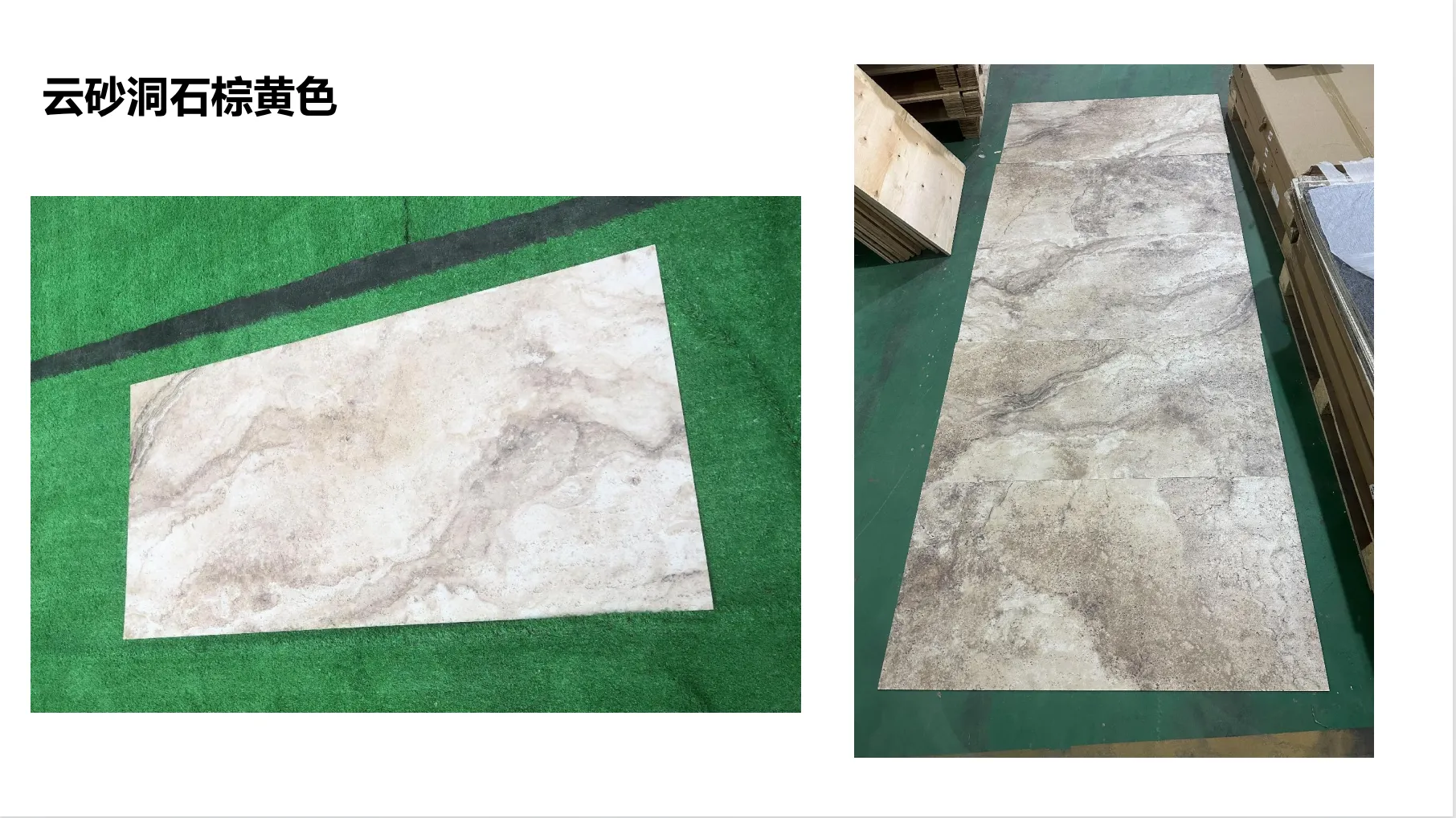
Walk into any stone yard, and you'll likely encounter two popular variants: Dolomitic Travertine(dark grey) and Dolomitic Travertine(claybank) . The dark grey variety carries a moody, sophisticated charm, with subtle veining that mimics storm clouds or mountain shadows. Claybank, on the other hand, leans warm and earthy, with tones ranging from soft terracotta to muted sand—think desert landscapes at sunrise. Both share the same core properties, but their aesthetic versatility means they fit seamlessly into modern minimalists' spaces, rustic farmhouses, and everything in between.
Underfloor heating works by circulating warm water through pipes (hydronic systems) or using electric mats beneath the floor, turning the entire surface into a radiator. For this system to perform at its best, your flooring needs to conduct heat efficiently, distribute it evenly, and withstand temperature fluctuations without warping, cracking, or losing its luster. Choose a material that's too insulating, and you'll end up cranking up the thermostat to compensate, driving up energy bills. Pick something too rigid, and you might face cracks as the floor expands and contracts with heat.
Here's where dolomitic travertine shines. Its natural density and mineral composition make it a surprisingly good partner for underfloor heating—but let's break down why that is.
At the heart of compatibility lies heat conductivity—the ability of a material to transfer heat from the underfloor system to the surface. Dolomitic travertine, being a natural stone, has a higher conductivity rating than materials like wood or carpet. This means when the underfloor system kicks on, the stone absorbs heat quickly and transfers it upward, so you feel warmth underfoot faster than you would with, say, a thick carpet.
But conductivity alone isn't enough. Thermal mass—the material's ability to store heat—is equally important. Imagine two floors: one that heats up instantly but cools down just as fast, and another that takes a bit longer to warm but stays toasty long after the system cycles off. Dolomitic travertine falls into the latter category. Its density allows it to hold onto heat, releasing it slowly and evenly throughout the day. This not only keeps your space consistently warm but also reduces the number of times the underfloor system needs to turn on, saving energy in the long run.
Take Dolomitic Travertine(dark grey) , for example. Its darker hue absorbs a touch more heat from both the underfloor system and ambient light, enhancing its thermal retention. In contrast, the lighter Dolomitic Travertine(claybank) might reflect a bit more heat, but its density ensures it still holds onto warmth effectively. Both varieties avoid the "hot spot" issue common with materials like vinyl, where heat can pool near pipes and leave gaps in between.
To truly appreciate dolomitic travertine's compatibility with underfloor heating, it helps to see how it compares to other popular options. Let's take a look at a few common choices, including some from the MCM product line, to understand their pros and cons:
| Flooring Material | Heat Conductivity | Thermal Mass | Resistance to Temperature Changes | Best For |
|---|---|---|---|---|
| Dolomitic Travertine(dark grey) | High | High | Excellent (minimal expansion/contraction) | Modern, high-traffic areas; spaces craving natural elegance |
| Dolomitic Travertine(claybank) | High | High | Excellent | Rustic, warm-toned interiors; bedrooms, living rooms |
| Fair-Faced Concrete | Medium-High | Very High | Good (can crack if not properly reinforced) | Industrial, minimalist spaces; requires careful installation |
| Polish Concrete | High | High | Good (prone to hairline cracks over time) | Contemporary homes; durable but less natural texture |
| Flexible Stone (MCM) | Medium | Low-Medium | Very Good (flexibility reduces cracking risk) | Curved surfaces, quick installations; lightweight projects |
Fair-faced concrete, for instance, has excellent thermal mass—meaning it holds heat like a champ—but it's prone to cracking if the underfloor system causes uneven expansion. Polish concrete is sleeker but can develop hairline cracks over years of heating and cooling cycles. Flexible stone , a innovative MCM product, is lightweight and easy to install, making it great for tricky spaces like curved walls or retrofits. However, its lower thermal mass means it might not retain heat as long as dolomitic travertine, leading to more frequent cycling of the underfloor system.
Dolomitic travertine, in both dark grey and claybank, strikes that sweet spot: it conducts heat quickly, retains it well, and stands up to temperature changes without losing its integrity. Plus, unlike concrete, it brings the organic beauty of natural stone into your home—no two slabs are exactly alike, with unique veining and texture that add character to every room.
Even the most compatible flooring can underperform if installed incorrectly. If you're set on dolomitic travertine for your underfloor heating system, here are a few key steps to ensure things go smoothly:
Underfloor heating systems (whether hydronic or electric) require a flat, level subfloor. Any bumps or dips can create air pockets between the heating element and the stone, blocking heat transfer. Invest in a self-leveling compound if needed—your future self (and your toasty toes) will thank you.
Opt for a flexible, heat-resistant thin-set mortar designed for natural stone and underfloor heating. Regular adhesives might harden and crack as temperatures rise and fall. A good rule of thumb: look for products labeled "suitable for use with underfloor heating systems."
All materials expand slightly when heated, and dolomitic travertine is no exception. Leave small gaps (usually 1/4 inch) around the edges of the room and between large slabs, then fill them with a flexible caulk. This prevents pressure buildup that could lead to cracks.
Patience is key! After laying the stone, wait at least 24–48 hours for the adhesive to cure before turning on the underfloor heating. Then, raise the temperature slowly—no more than 5°C (9°F) per day. Rapid heating can shock the stone, causing it to crack.
One common concern with natural stone and underfloor heating is maintenance. Will the heat dry out the stone? Will spills cause stains more easily? The good news is, with a little care, dolomitic travertine stays beautiful for decades.
First, seal the stone annually (or every 1–2 years, depending on foot traffic). A quality penetrating sealer fills in the tiny pores in the travertine, preventing moisture and stains from seeping in—this is especially important in kitchens and bathrooms, where spills are common. The underfloor heating actually helps here: by keeping the floor dry, it reduces the risk of mold or mildew growth in those pores.
When cleaning, stick to pH-neutral stone cleaners and avoid harsh chemicals like vinegar or bleach, which can strip the sealer. Sweep or vacuum regularly to prevent grit from scratching the surface, and wipe up spills quickly (though the sealer buys you a little time). For daily care, a damp mop with warm water is usually all you need.
And don't worry about the stone fading from heat—dolomitic travertine's color is inherent to its mineral composition, so it won't yellow or dull over time, even with regular underfloor heating use. In fact, many homeowners find that the gentle warmth brings out the stone's natural veining, making those unique patterns even more pronounced.
Still on the fence? Let's look at a couple of real-world examples where dolomitic travertine and underfloor heating came together beautifully.
A designer in Colorado recently worked on a ski chalet where the clients wanted a flooring material that could handle cold winters and heavy foot traffic (think muddy boots and wet snow) while feeling luxurious. They chose Dolomitic Travertine(dark grey) for the main living areas and bedrooms, paired with a hydronic underfloor heating system. "The clients were blown away by how evenly the heat spread," the designer recalls. "Even on the coldest days, you could walk from the entryway to the bedroom without noticing a single cold spot. And the dark grey stone complemented the wood beams and snow views perfectly—it felt like bringing the mountain indoors, but warm."
In a trendy Chicago loft, a couple opted for Dolomitic Travertine(claybank) in their open-concept kitchen and living space. They'd heard horror stories about uneven heat with hardwood floors (their previous home had that issue) and wanted something more reliable. "We were worried natural stone might feel too cold, but with the underfloor heating, it's like walking on a warm beach stone," the homeowner laughs. "The claybank color adds so much warmth to the space, especially in winter when the days are short. And we love that each slab has its own little 'story'—there's a section in the kitchen with a vein that looks like a tiny river, and we always point it out to guests."
Underfloor heating is more than a luxury; it's an investment in comfort. And when paired with the right flooring, that investment pays off in years of cozy mornings, even heat distribution, and energy savings. Dolomitic travertine—whether in rich dark grey or warm claybank—proves that you don't have to choose between form and function. Its natural density and thermal properties make it a standout choice for underfloor heating, while its unique beauty adds timeless elegance to any space.
So, if you're dreaming of stepping onto a floor that feels as good as it looks on a cold day, consider dolomitic travertine. It's not just flooring—it's a partnership between nature's craftsmanship and modern comfort, designed to keep your home warm, welcoming, and wonderful for years to come.
Recommend Products












