
Exploring the sustainability debate between nature's creation and human innovation in construction materials
Walk into any modern building site, and you'll hear the same buzzword echoing: sustainability. From net-zero energy goals to LEED certifications, the construction industry is waking up to its role in shaping the planet's health. But here's the thing: sustainability isn't just about solar panels or green roofs. It starts much earlier—with the materials we choose to build with. And when it comes to materials, few debates are as heated as the one between natural stone and engineered alternatives. Today, we're zeroing in on a specific player in the natural stone corner: dolomitic travertine. Is this ancient, earth-formed material truly greener than the sleek, human-made options hitting the market? Let's dig in.
Before we start weighing its environmental pros and cons, let's get to know dolomitic travertine. You've probably seen it without realizing it—in luxury hotels, high-end restaurants, or even historic buildings. It's a type of sedimentary rock, formed over millennia by mineral-rich water flowing through limestone, leaving behind layers of calcium carbonate and dolomite (hence the "dolomitic" part). The result? A stone with a unique, porous texture, often with subtle veins or fossilized imprints that tell the story of its formation.
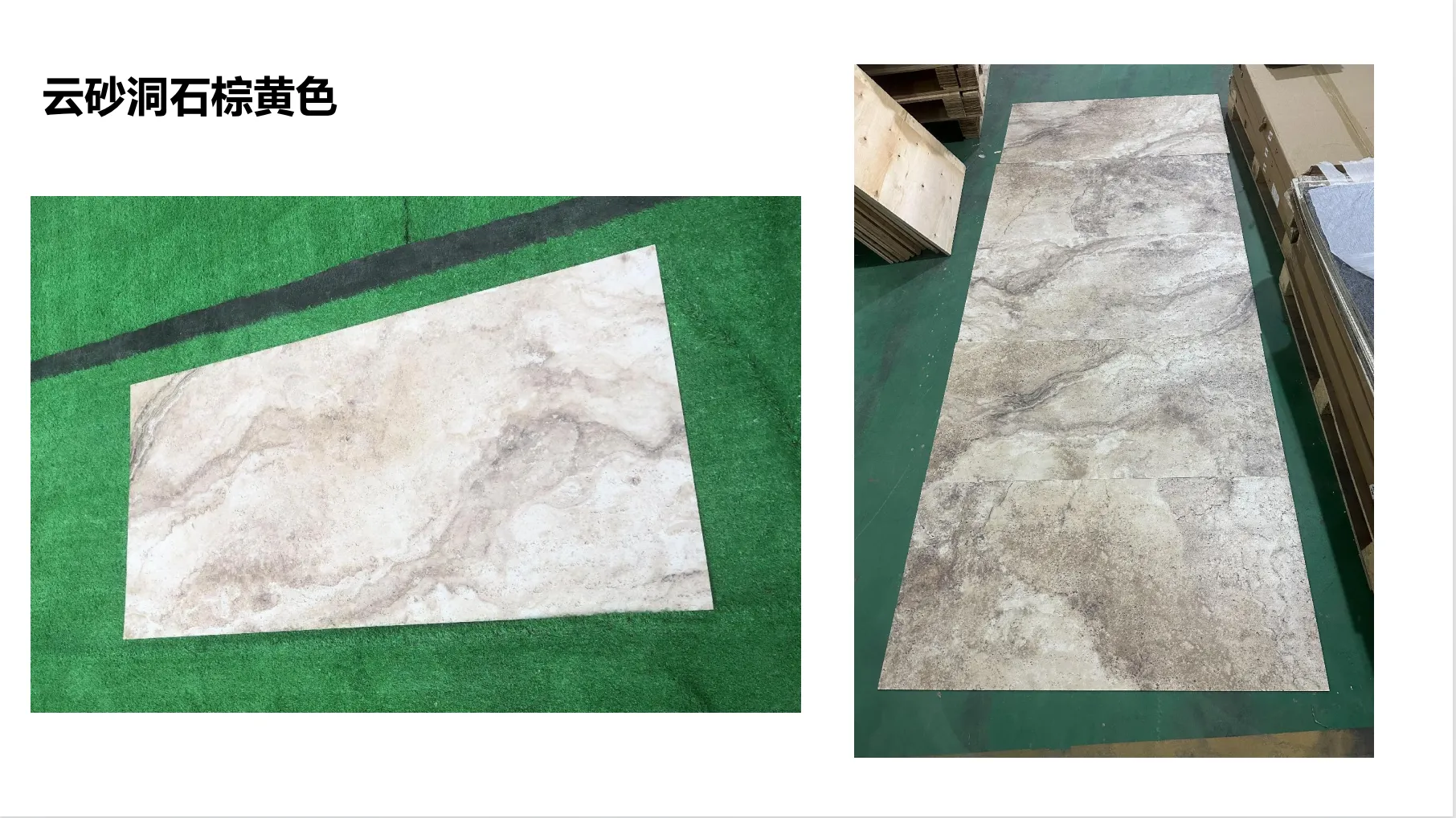
Walk into a stone yard, and you'll find dolomitic travertine in a range of hues, from the moody depth of dolomitic travertine (dark grey) to the warm, earthy tones of dolomitic travertine (claybank) . Its versatility is part of its appeal—whether you're going for a industrial-chic vibe or a rustic, natural look, there's a dolomitic travertine to match. But here's the catch: that "natural" label doesn't automatically make it eco-friendly. Let's break down what it takes to get this stone from the earth to your wall.
To get dolomitic travertine, you need to quarry it. Picture a massive open pit, with heavy machinery clawing at the earth, drilling, and blasting to extract large blocks of stone. It's a process that's been around for centuries, but that doesn't make it gentle on the planet. Let's start with the obvious: habitat disruption. Quarries carve out chunks of land, displacing wildlife and altering ecosystems. In sensitive areas, this can fragment habitats, making it harder for species to thrive. Then there's water use—quarrying requires vast amounts of water for dust suppression and processing, which can strain local water supplies, especially in drought-prone regions.
But the impact doesn't stop at the quarry. Once extracted, those massive stone blocks need to be cut, polished, and transported. Cutting and polishing require energy-intensive machinery, and if the stone is sourced from far away (say, Italy or Turkey, two major travertine producers), transportation adds a significant carbon footprint. A single slab of dolomitic travertine can weigh hundreds of pounds, and shipping that across oceans or continents? That's a lot of diesel burned and emissions released.
But here's the flip side: dolomitic travertine is durable . We're talking centuries of lifespan, if properly maintained. Think about the Colosseum in Rome, built with travertine—still standing after 2,000 years. In a world where "fast fashion" has seeped into construction (think cheap materials that need replacing every decade), that longevity is a sustainability win. A stone that lasts 100 years means fewer replacements, less waste, and lower long-term resource use. It's a classic example of "buy once, cry once" applied to construction materials.
As the construction industry pushes for greener practices, engineered materials have stepped into the ring, promising the look of natural stone with a smaller environmental footprint. One of the most talked-about options? MCM flexible stone . Short for "Modified Composite Material," MCM is a type of cladding made by bonding thin layers of natural stone (or stone-like minerals) to a lightweight backing, like fiberglass or aluminum. The result? A panel that's flexible, lightweight, and far easier to install than solid stone.
Take the MCM project board series , for example. These panels are designed for large-scale projects—think office buildings, shopping malls, or even residential complexes. Because they're lightweight (about 1/5 the weight of solid stone), they reduce the structural load on buildings, which can lower the need for heavy steel supports (and thus, more emissions from steel production). Plus, since MCM uses just a thin veneer of stone, it requires far less raw material than quarrying solid blocks. That means less land disruption, less water use, and a smaller carbon footprint from extraction.
But MCM isn't the only engineered contender. There's fair-faced concrete , loved for its raw, industrial look and durability. Unlike traditional concrete, which is often covered with other materials, fair-faced concrete is left exposed, reducing the need for additional cladding. Then there's foamed aluminium alloy board (vintage silver) —lightweight, corrosion-resistant, and 100% recyclable. These materials are engineered with sustainability in mind, often using recycled content or optimized manufacturing processes to cut down on waste and energy use.
To really understand which is more sustainable, let's put dolomitic travertine and its engineered alternatives side by side. We'll focus on key factors: extraction/manufacturing, carbon footprint, durability, and recyclability. Here's a breakdown:
| Factor | Dolomitic Travertine (Natural) | MCM Flexible Stone (Engineered) | Foamed Aluminium Alloy Board (Engineered) |
|---|---|---|---|
| Extraction/Manufacturing | Open-pit quarrying; high water/energy use; habitat disruption. | Thin stone veneer + recycled backing; lower raw material use; factory-controlled production reduces waste. | Recycled aluminium + foaming agent; energy-intensive manufacturing but high recycled content. |
| Carbon Footprint | High upfront emissions from quarrying, transportation, and processing; long lifespan offsets some impact. | 30-50% lower carbon footprint than solid stone; lightweight design reduces transportation emissions. | Moderate upfront emissions; recyclability reduces end-of-life footprint. |
| Durability | 50-100+ years with proper maintenance; resistant to wear but porous (needs sealing). | 20-30 years; weather-resistant but may fade in extreme sunlight; less prone to cracking than solid stone. | 30-50 years; corrosion-resistant, lightweight but dent-prone in high-impact areas. |
| Recyclability | Can be crushed and reused as aggregate; limited recycling infrastructure. | Backing materials (aluminum/fiberglass) are recyclable; stone veneer can be repurposed. | 100% recyclable; aluminium retains its properties through multiple recycling cycles. |
| Maintenance | Regular sealing (every 1-3 years) to prevent staining; prone to etching from acidic substances. | Minimal maintenance; resistant to stains and fading; easy to clean with water. | Low maintenance; can be powder-coated for added protection; scratch-resistant. |
Looking at the table, it's tempting to declare engineered materials the clear winners—and in many cases, they are. MCM flexible stone, for example, has a lower upfront carbon footprint, uses less raw material, and requires less maintenance. But sustainability isn't a one-size-fits-all metric. It depends on context.
Take location, for starters. If you're building in a region where dolomitic travertine is quarried locally—say, parts of Italy or Turkey—transportation emissions plummet. Suddenly, that "high carbon footprint" from shipping disappears, making natural stone a more competitive option. On the flip side, if you're in Australia and sourcing dolomitic travertine from Europe, the emissions from shipping could tip the scales in favor of locally produced MCM panels.
Then there's the project's lifespan. A historic building restoration might prioritize dolomitic travertine for its authenticity and ability to last centuries, offsetting its upfront impact over time. But a temporary pop-up mall or a building with a 20-year lifespan? MCM or foamed aluminium might make more sense, as their lower initial footprint won't be outweighed by long-term durability.
And let's not forget end-of-life disposal. While MCM and foamed aluminium are more recyclable, the reality is that many construction materials end up in landfills, regardless of their recyclability. If a building with dolomitic travertine is demolished, that stone could be repurposed as decorative aggregate or even used in new construction—something that's harder to do with engineered materials, which often require specialized recycling facilities.
So, is dolomitic travertine more sustainable than engineered alternatives? The answer, as with most sustainability questions, is: it depends. Natural stone has a lot going for it—longevity, timeless beauty, and the potential for local sourcing. But its extraction process is resource-intensive, and its weight adds to transportation emissions.
Engineered materials like MCM flexible stone and foamed aluminium, on the other hand, are designed to minimize waste and energy use from the start. They're lightweight, easy to install, and often recyclable. But they don't have the same lifespan as natural stone, and their manufacturing processes (while optimized) still rely on industrial energy, which may come from fossil fuels in some regions.
At the end of the day, the most sustainable choice depends on your project's specific needs: Where is the material coming from? How long do you need the building to last? What's the local recycling infrastructure like? And perhaps most importantly, what's the aesthetic you're trying to achieve? After all, sustainability shouldn't mean sacrificing beauty—we need buildings that are both kind to the planet and a joy to inhabit.
So, whether you're drawn to the ancient allure of dolomitic travertine or the innovative efficiency of MCM, the key is to ask questions: What's the material's story? How was it made? Where will it go when the building comes down? Because in the end, sustainability isn't about picking one "green" material—it's about making informed choices that balance the needs of people, planet, and design.
Recommend Products












