
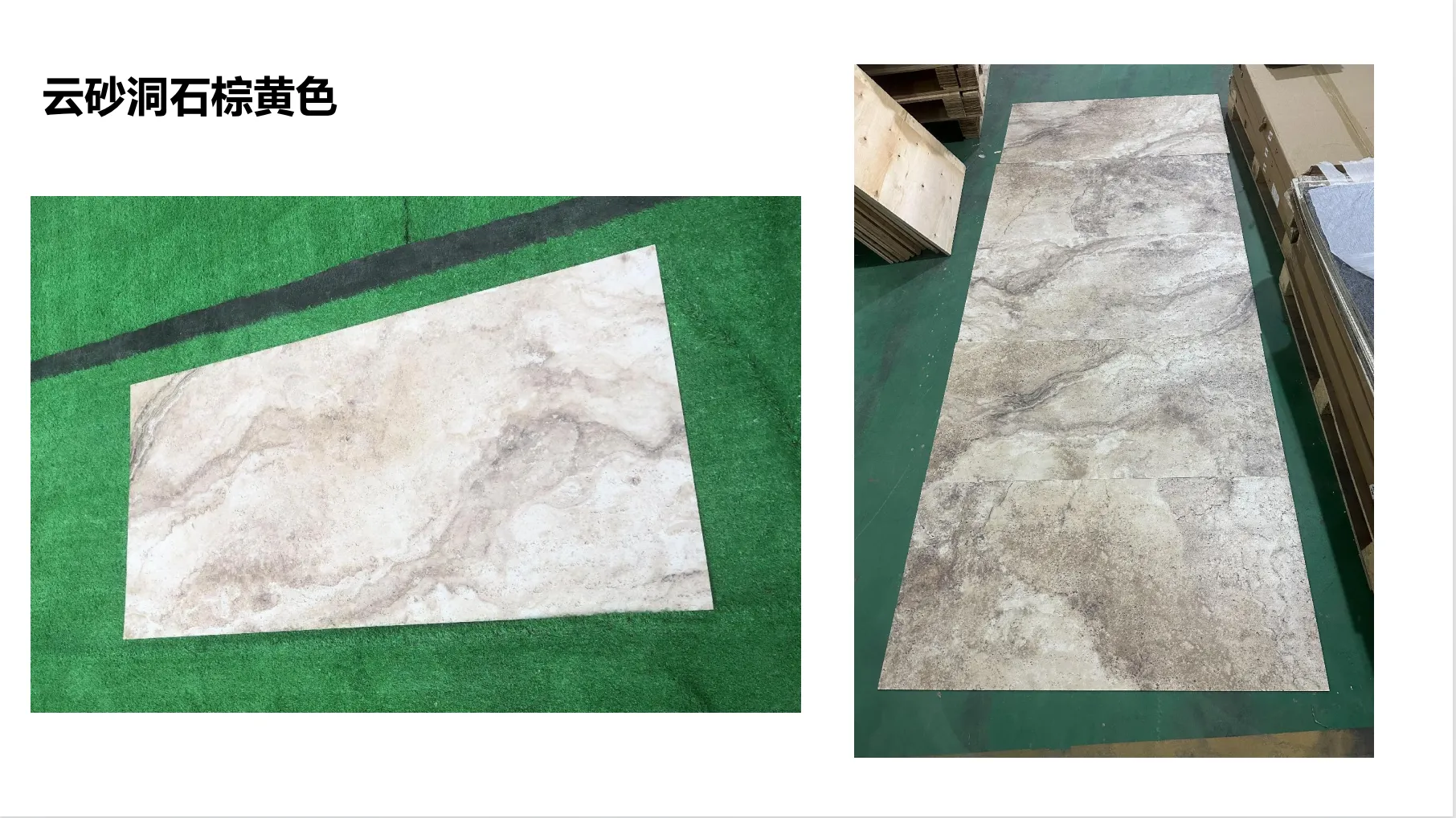
Choosing the right building material is like picking a long-term partner for your home or commercial space—you want something that's not just beautiful today, but will stand the test of time tomorrow. If you've ever wandered through a historic building and marveled at the stone walls that still look sturdy after decades, you know durability matters. That's probably why you're here, wondering about dolomitic travertine: a stone that's been turning heads in architecture and design circles for its unique blend of elegance and resilience. But just how long can it last, especially when used outside versus inside? Let's dive in and unpack this question, so you can make a choice that feels both confident and future-proof.
Before we talk about lifespan, let's get clear on what dolomitic travertine actually is. Travertine itself is a type of limestone formed by mineral-rich water—think hot springs or mineral deposits—creating those signature pitted, porous surfaces that add so much character. But dolomitic travertine takes it a step further: it's infused with dolomite, a mineral that's harder and more resistant to acids than the calcite found in regular travertine. That small shift in composition is a game-changer for durability.
You might have seen it labeled by color, too—like dolomitic travertine (dark grey) with its moody, industrial vibe, or dolomitic travertine (claybank), which has a warm, earthy tone that feels right at home in rustic or modern spaces. These variations aren't just about looks; the color can sometimes hint at mineral content, which in turn affects how the stone interacts with its environment. For example, darker hues might absorb more heat in direct sunlight, while lighter ones reflect it—something to keep in mind if you're using it outdoors.
Like any natural stone, dolomitic travertine's lifespan isn't set in stone (pun intended). It depends on a mix of factors that start from the moment it's quarried and continue long after it's installed. Let's break down the big ones:
Remember that dolomite we mentioned earlier? It's the star here. Regular travertine, which is high in calcite, can be more prone to etching from acidic substances like lemon juice, vinegar, or even rainwater in areas with pollution. Dolomitic travertine, with its higher dolomite content, is more resistant to these chemical attacks. That's why you'll often see it recommended for spaces where spills or environmental exposure are common—like kitchen countertops or outdoor patios.
Porosity is another factor. Travertine is naturally porous, which means it can absorb water, oils, and stains if not sealed properly. Dolomitic travertine tends to be slightly less porous than its calcite-rich cousins, but it's still not impervious. Think of it like a sponge: even a less porous sponge will soak up liquid if left unattended. That's why sealing is non-negotiable, whether indoors or out.
You could have the most durable stone in the world, but if it's installed poorly, it won't last. Imagine laying tiles on a uneven subfloor—over time, the stress of foot traffic or shifting ground would cause cracks. For dolomitic travertine, proper installation means:
I've seen homeowners skip the sealing step to save a few bucks, only to have stains set in within months. Trust me—skimping here is a false economy.
Where you install dolomitic travertine matters more than you might think. Let's start with the outdoors. If you live in a climate with harsh winters—think freezing temperatures, snow, and ice—water absorption becomes a critical issue. When water seeps into the stone's pores and freezes, it expands, creating tiny cracks. Over time, those cracks grow, and the stone can start to flake or crumble. This is called "freeze-thaw damage," and it's the number one enemy of exterior stone in cold regions.
Then there's UV radiation. In sunny areas, constant exposure to sunlight can fade some travertine colors over time. Dolomitic travertine (dark grey) might hold up better than lighter stones here, but even it isn't immune. Coastal areas add another challenge: saltwater spray. Salt is corrosive, and if it settles on the stone and isn't rinsed off, it can eat away at the surface.
Indoors, the environment is gentler, but not without risks. High humidity—like in bathrooms or kitchens—can still lead to mold or mildew if the stone isn't sealed. And while you don't have to worry about freeze-thaw, heavy foot traffic (like in a busy hallway) or sharp objects (like dragging furniture) can scratch the surface if you're not careful.
Even the best stone needs a little TLC. Let's say you've installed dolomitic travertine (claybank) in your kitchen. You spill a glass of red wine—what do you do? Blot it immediately (don't wipe, which spreads the stain), then clean with a pH-neutral stone cleaner. Harsh chemicals like bleach or ammonia? Big no-no. They can strip the sealant and etch the stone.
Outdoors, regular cleaning is just as important. Sweep away dirt and debris that can scratch the surface, and rinse with a hose to remove pollen, bird droppings, or other gunk. And resealing? Plan on doing it every 2–3 years for exterior applications and 4–5 years for interiors. It's a small task that pays off in decades of lifespan.
Let's talk specifics. If you're considering dolomitic travertine for an outdoor project—say, a patio, walkway, or even a facade—what kind of lifespan can you realistically expect? On average, with proper installation and maintenance, dolomitic travertine can last 20–30 years outdoors. But that number can swing up or down based on the factors we discussed.
Take a dolomitic travertine (dark grey) patio in the Pacific Northwest, where it rains 9 months of the year. If the installer used a high-quality sealant and the homeowner reseals every 2 years, that patio might hit the 30-year mark. But if the same patio was installed without sealing, in an area with poor drainage, and never cleaned? It might start showing significant wear in 10 years or less—stains, cracks, or even loose tiles.
Another example: a facade cladded with dolomitic travertine (claybank) in Arizona, where temperatures soar and UV rays are intense. Here, the main risks are color fading and thermal expansion (the stone heating up and cooling down, which can stress the mortar). With periodic cleaning to remove dust and a heat-resistant sealant, though, that facade could last 25+ years, maintaining its warm, earthy tone.
What about areas with freeze-thaw cycles, like the Northeast? Here, the key is to choose a denser dolomitic travertine (some quarries offer "frost-resistant" grades) and ensure proper drainage. If water can't pool on the surface or seep into cracks, freeze-thaw damage is minimized. In these conditions, 20–25 years is a reasonable expectation with good care.
Indoors, dolomitic travertine really shines in terms of longevity. Without the harsh environmental factors of the outdoors, you're looking at an average lifespan of 30–50 years—sometimes even longer in low-traffic areas. Let's break down common interior uses:
Dolomitic travertine floors are a classic choice, and for good reason. In a living room with moderate foot traffic, sealed properly and cleaned regularly, they can last 40+ years. Even in busier areas like entryways, with a little extra care—like using door mats to trap dirt and avoiding high heels or heavy furniture without pads—they'll hold up. I visited a 1920s home in Chicago a few years back that still had its original travertine floors (admittedly, regular travertine, not dolomitic) that looked stunning after a century. With dolomitic's added durability, there's no reason modern installations can't match that.
Kitchen countertops take a lot of abuse—hot pans, knife cuts, spills. Dolomitic travertine (dark grey) is a popular pick here because its color hides minor stains, and the dolomite content resists etching from acidic foods. With a heat-resistant sealant and daily cleaning, these countertops can last 30–40 years. Just remember: always use a cutting board (no matter how tough the stone, knives will scratch it) and wipe up spills immediately—especially acidic ones like tomato sauce or citrus juice.
Wall cladding or backsplashes are low-stress applications for dolomitic travertine. With minimal contact and no foot traffic, they can last 50+ years. I've seen travertine backsplashes in historic homes that are over a century old and still look fresh. The key here is mostly aesthetic—avoiding chips from accidental impacts (like a pot falling off the stove) and keeping grout lines clean to prevent mold.
We've touched on maintenance, but let's get into a step-by-step guide to keeping your dolomitic travertine looking great for decades:
Newly installed dolomitic travertine should be sealed immediately after grouting (wait 24–48 hours for the grout to cure). Use a penetrating sealer designed for natural stone—look for one labeled "impregnating" or "deep-penetrating." These sealers soak into the pores and create a barrier against moisture and stains without altering the stone's appearance. For exterior use, choose a sealer with UV protection to prevent fading.
Resealing schedule: Exteriors every 2–3 years, interiors every 4–5 years. To test if it's time, sprinkle a few drops of water on the stone. If it beads up, the sealer is still good. If it soaks in, it's time to reseal.
Daily cleaning: Sweep or vacuum floors to remove dirt and grit (avoid vacuum beater bars, which can scratch). Wipe countertops with a soft cloth and warm water.
Deep cleaning: Use a pH-neutral stone cleaner (never vinegar, bleach, or ammonia). Mix according to the bottle instructions, apply with a soft mop or cloth, and rinse thoroughly. For tough stains (like oil), make a paste of baking soda and water, apply to the stain, cover with plastic wrap, and let sit overnight. Rinse in the morning.
| Application Type | Average Lifespan | Key Environmental Factors | Maintenance Musts |
|---|---|---|---|
| Exterior (Patios, Walkways) | 20–30 years | Freeze-thaw cycles, UV radiation, rain, salt (coastal areas) | Reseal every 2–3 years; rinse regularly; ensure drainage |
| Exterior (Facades) | 25–35 years | Wind, rain, UV rays, pollution | Pressure wash annually (low pressure); inspect for cracks |
| Interior (Floors) | 30–50 years | Foot traffic, humidity (baths/kitchens) | Reseal every 4–5 years; sweep/vacuum regularly; use furniture pads |
| Interior (Countertops) | 30–40 years | Spills, heat, knife cuts | Wipe spills immediately; use cutting boards; reseal every 3–4 years |
| Interior (Walls/Backsplashes) | 50+ years | Minimal—occasional moisture, dust | Dust regularly; clean grout with mild soap |
You might be wondering: how does dolomitic travertine stack up against other popular building materials? Let's take a quick look at a few:
Lime stone (beige) is a classic, but it's softer and more porous than dolomitic travertine. Indoors, it might last 25–35 years with good care, but outdoors, it's more prone to weathering—maybe 15–20 years in harsh climates. If you love the look of natural stone but need extra durability, dolomitic travertine is a better bet.
Fair-faced concrete is trendy for its industrial, minimalist look. It's durable, with exterior lifespans of 30–50 years, but it lacks the warmth and texture of dolomitic travertine. Plus, concrete can crack if the ground shifts, whereas travertine's flexibility (within reason) makes it more forgiving in some cases.
Regular travertine (calcite-based) is beautiful but less durable than dolomitic. Exterior lifespan is around 15–25 years, interior 25–40 years. If you're set on travertine but need something tougher, dolomitic is worth the investment.
At the end of the day, dolomitic travertine is a high-quality, durable choice for both interior and exterior applications. Its lifespan—20–30 years outdoors, 30–50+ years indoors—is impressive, especially when you factor in its timeless beauty. It's not the cheapest option upfront, but when you consider how long it lasts, it's actually quite cost-effective over time.
Whether you're drawn to the moody elegance of dolomitic travertine (dark grey) or the warm charm of dolomitic travertine (claybank), remember that its longevity hinges on three things: quality installation, regular maintenance, and respecting its natural properties. Treat it well, and it will reward you with decades of beauty and functionality.
So, if you're planning a home renovation or a new build and want a stone that balances aesthetics and durability, dolomitic travertine is definitely worth considering. It's not just a building material—it's an investment in a space that will stand the test of time.
Recommend Products












