
If you've ever stepped into a home or space where the walls or floors feel like a quiet nod to nature—warm, textured, and full of character—there's a good chance you were looking at travertine. This timeless stone has been gracing buildings for centuries, from ancient Roman structures to modern minimalist interiors. But within the world of travertine, one variety stands out for its unique blend of durability and beauty: dolomitic travertine. Today, we're diving into a topic that might not sound glamorous but is crucial for anyone who loves this stone: porosity. Specifically, how its tiny pores affect absorbency, and what you can do to keep your dolomitic travertine looking its best for years to come.
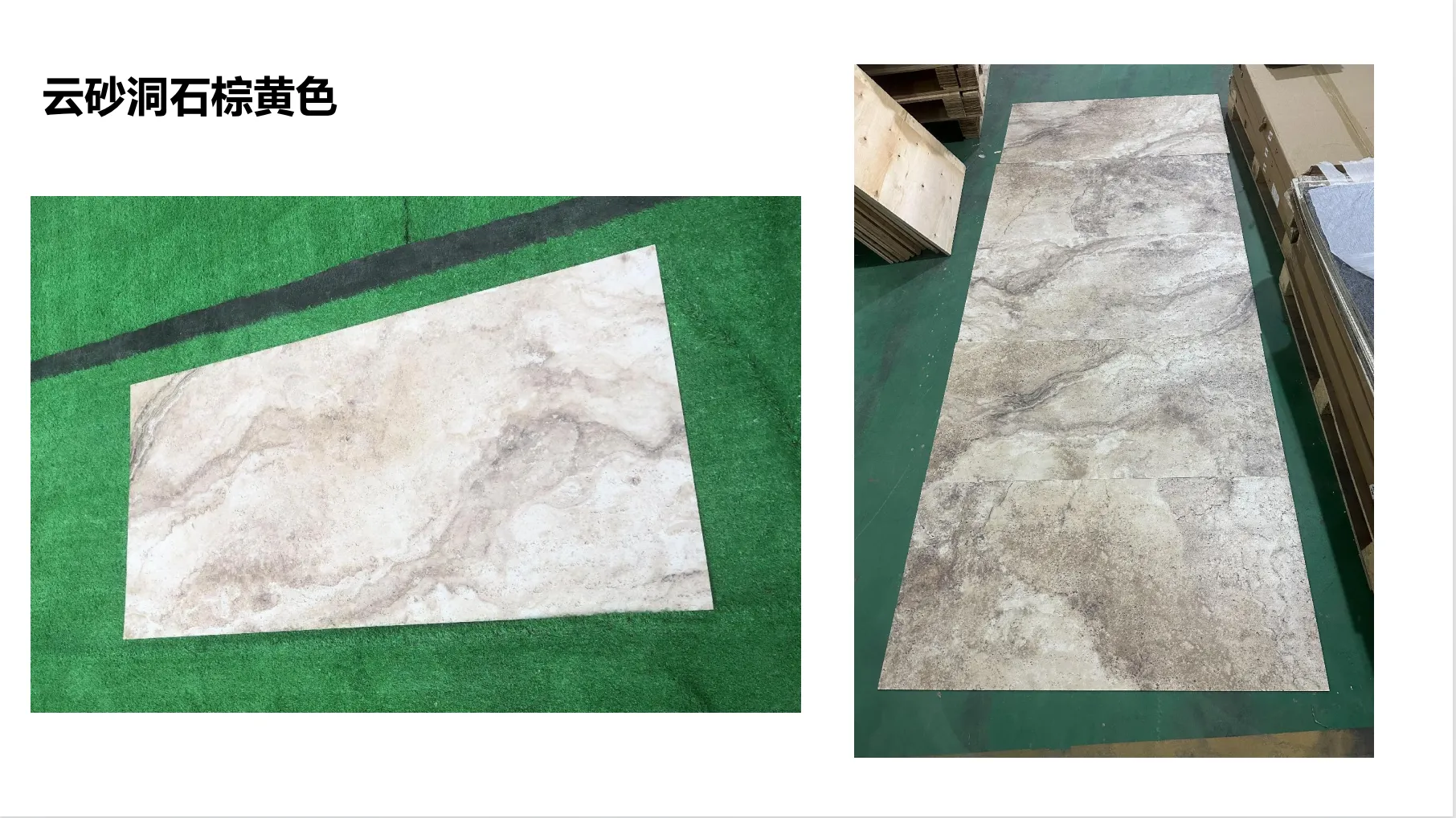
Travertine itself is a type of limestone formed from mineral-rich hot springs, where calcium carbonate deposits build up over time. But dolomitic travertine has a little extra something: it's mixed with dolomite, a mineral that adds (hardness) and a distinct color palette. If you've seen dolomitic travertine(dark grey) or dolomitic travertine(claybank) , you know what we're talking about—deep, moody grays that feel grounded, or soft, earthy clay tones that warm up a room. These variations aren't just about looks, though; they hint at differences in density and, yes, porosity, which plays a big role in how the stone behaves in your home.
Porosity is just a fancy word for "how many tiny holes a material has." In travertine, these holes are a byproduct of its formation. As mineral-rich water flows, it carries gas bubbles that get trapped as the stone solidifies, leaving behind a network of pores. Think of it like a sponge—some sponges are denser with smaller holes, others are more open. Dolomitic travertine is no different. Its porosity isn't a flaw; it's what gives the stone its unique texture, that slightly rough, organic feel under your fingertips. But those pores also mean the stone can absorb liquids, which brings us to absorbency.
Absorbency is how quickly and how much liquid a stone soaks up. Spill a glass of wine on a highly porous dolomitic travertine floor, and you might notice a dark spot spreading within minutes—that's the liquid seeping into those pores. If left untreated, those liquids can lead to stains, discoloration, or even mold over time. So while porosity is part of what makes travertine charming, it's also why understanding and managing absorbency is key to preserving its beauty.
Not all dolomitic travertine is created equal when it comes to absorbency. Let's break down the factors that matter most:
1. Density and Pore Size: Dolomitic travertine(dark grey) tends to be slightly denser than its claybank cousin. Why? The darker color often comes from higher mineral content, which can pack the stone more tightly, resulting in smaller, fewer pores. That means it might absorb liquids a bit slower than dolomitic travertine(claybank) , which has a lighter, airier structure with more visible pores.
2. Finish: How the stone is finished makes a big difference. A honed (matte) dolomitic travertine will have more open pores than a polished one. Polishing smooths the surface, closing some pores and slowing absorption—but it also highlights the stone's natural veining, which is part of its appeal. If you love the look of polished travertine, just know it might still need sealing, as some pores will remain open.
3. Location: Where you install the stone matters too. A dolomitic travertine backsplash in a kitchen, exposed to cooking oils and splatters, will face more absorbency challenges than a wall panel in a dry living room. High-moisture areas like bathrooms or outdoor patios? Those pores will be put to the test even more.
| Type of Dolomitic Travertine | Porosity Level | Absorbency Rate (approx. for water) | Best For |
|---|---|---|---|
| Dolomitic Travertine (Dark Grey) | Moderate | 0.1–0.3 oz/sq ft per hour | Floors, countertops (low to medium traffic) |
| Dolomitic Travertine (Claybank) | Moderate to High | 0.3–0.5 oz/sq ft per hour | Accent walls, backsplashes (with sealing) |
The good news? Sealing dolomitic travertine is a simple, effective way to reduce absorbency without covering up its natural texture. Think of a sealer as a (invisible shield) that fills in the pores just enough to slow liquid absorption, giving you time to wipe up spills before they stain. Here's how to do it right:
Step 1: Clean the Surface Thoroughly
Before sealing, make sure the stone is free of dust, dirt, or existing stains. Use a pH-neutral cleaner (avoid acidic or abrasive products, which can damage the stone) and a soft cloth or mop. Let it dry completely—moisture trapped under the sealer can cause cloudiness.
Step 2: Test the Absorbency
Not sure if your dolomitic travertine needs sealing? Do a quick test: sprinkle a few drops of water on the surface. If it beads up and sits on top, the stone might still have a protective layer. If it soaks in within 5–10 minutes, it's time to seal.
Step 3: Choose the Right Sealer
There are two main types of sealers for travertine: penetrating sealers and topical sealers. Penetrating sealers (like those made with silicone or fluoropolymer) soak into the pores, creating a barrier from the inside out. They're great for dolomitic travertine because they don't change the stone's appearance—you'll still feel that natural texture. Topical sealers, on the other hand, sit on the surface and can add a glossy finish, but they might wear off faster in high-traffic areas. For most homes, a penetrating sealer is the way to go, especially for
dolomitic travertine(claybank)
with higher porosity.
Step 4: Apply the Sealer
Follow the sealer's instructions, but here's a general rule: apply a thin, even coat with a sponge or brush, working in small sections. Let it sit for 5–10 minutes (check the label—some sealers need longer), then wipe up any excess with a clean cloth. If the stone absorbs the first coat quickly, apply a second coat after the first is dry. Avoid applying too much, as it can lead to a sticky residue.
Step 5: Let It Cure
Most sealers take 24–48 hours to fully cure. During this time, keep the area dry and avoid walking on or using the surface. Once cured, your dolomitic travertine will be better protected against spills and stains.
There's no one-size-fits-all answer, but a good rule of thumb is to test absorbency every 1–2 years. High-traffic areas like kitchen floors or bathroom walls might need sealing every year, while low-traffic accent walls could go 2–3 years. Dolomitic travertine(dark grey) , with its slightly lower absorbency, might stretch that timeline a bit longer than claybank, but it's still worth checking regularly.
At the end of the day, the porosity of dolomitic travertine is part of its charm. It's a reminder that this stone isn't a cold, synthetic material—it's a piece of the earth, formed over millennia with its own unique story. Sealing isn't about hiding that story; it's about preserving it so you can enjoy that warm, textured beauty for decades. Whether you're drawn to the moody depth of dolomitic travertine(dark grey) or the sunlit warmth of dolomitic travertine(claybank) , a little care goes a long way in keeping your stone looking as timeless as the day it was installed.
So the next time you run your hand over your dolomitic travertine surface, take a moment to appreciate those tiny pores. They're not just holes—they're a testament to the stone's journey, and with the right sealing, they'll keep telling that story for years to come.
Recommend Products












