
Picture this: You've spent months curating your home's most intimate spaces. The kitchen, where morning coffee brews and family recipes come to life, features a countertop in soft, sunlit dolomitic travertine—claybank, to be exact. Its warm, earthy hues blend seamlessly with the honey-toned wooden cabinets, and the gentle veining looks like nature's own brushstrokes frozen in stone. Down the hall, the bathroom boasts a dark grey dolomitic travertine backsplash, its moody tones complementing the matte black fixtures. These stones aren't just surfaces; they're stories—of ancient mineral springs, slow geological time, and the quiet luxury of bringing a piece of the outdoors inside. But then, life happens: a splash of vinegar while making salad dressing, a lemon wedge left on the bathroom vanity, a stray drop of tomato sauce from last night's pasta. Hours later, you notice it: a dull, ghostly mark where the acid ate into the stone. That initial pride fades, replaced by a sinking feeling. Is this beautiful stone really so fragile?
The answer, unfortunately, is yes—but with a caveat. Dolomitic travertine, for all its charm, is still a natural stone with a Achilles' heel: acidic substances. But fear not. Understanding how these stones interact with acid, recognizing the signs of damage early, and adopting simple prevention habits can help you enjoy their beauty for decades. Let's dive into the world of dolomitic travertine—what makes it unique, why acid poses a threat, and how to keep it looking its best in your kitchen and bathroom.
First, let's get to know the star of the show. Travertine itself is a type of limestone formed in hot springs and limestone caves, where mineral-rich water cools and deposits calcium carbonate (calcite) over centuries. It's known for its porous texture, soft color palettes, and distinctive "voids"—small holes created by gas bubbles during formation (often filled during processing for use in homes). But dolomitic travertine is a special variant: it contains dolomite, a mineral composed of calcium magnesium carbonate, alongside the usual calcite. This extra magnesium gives it a slight edge in durability compared to regular travertine, which is primarily calcite-based. Think of it as travertine with a little "armor," though not enough to make it impervious to all threats.
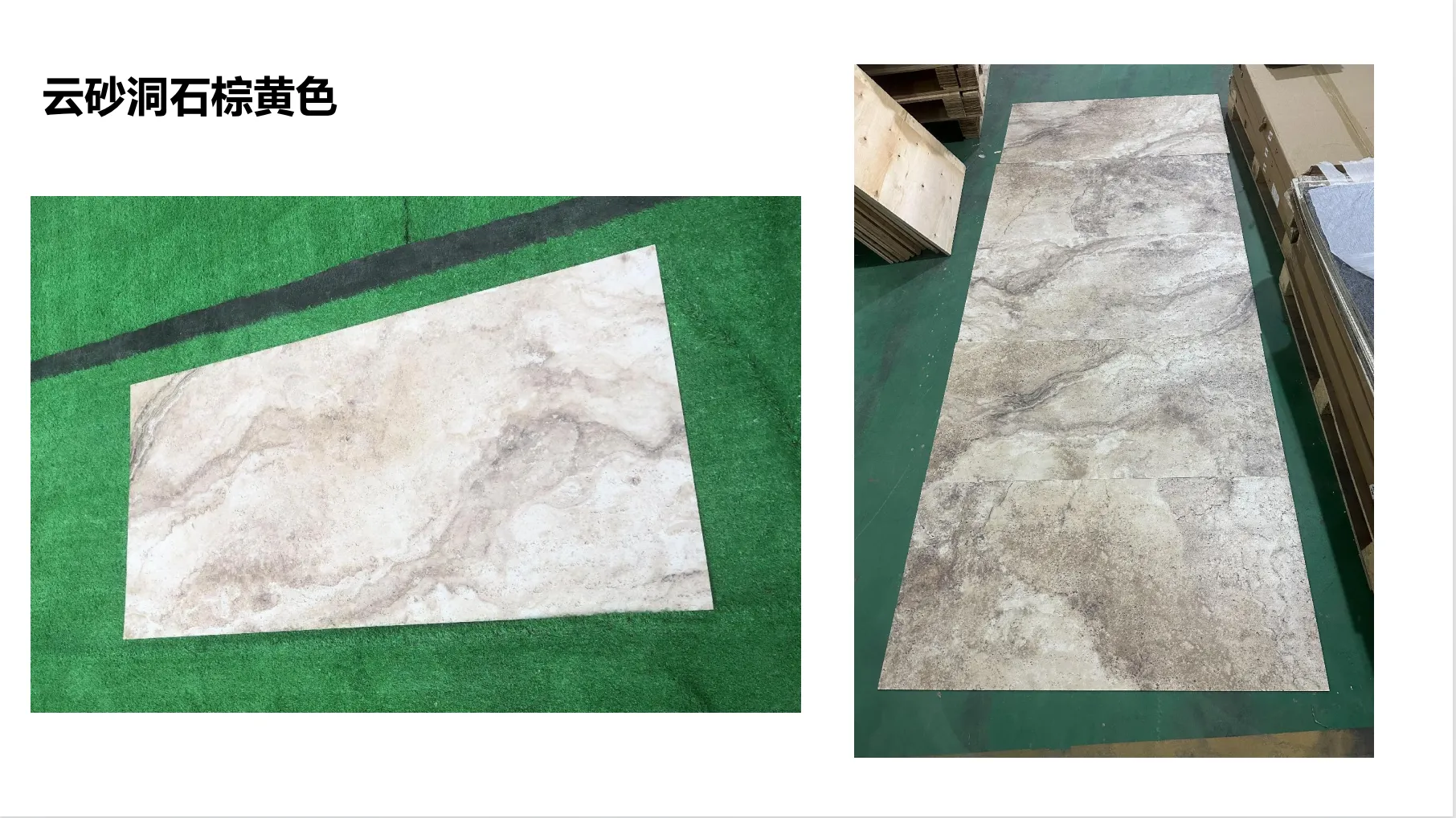
One of the most appealing things about dolomitic travertine is its versatility in color and texture. Walk into a stone yard, and you'll find it in claybank —a warm, sandy beige with hints of terracotta—or dark grey , a moody, slate-like shade that adds depth to modern spaces. Some slabs even feature subtle veining or fossilized plant matter, reminders of their ancient origins. Compare this to regular travertine (beige) , which leans more toward pale, creamy tones, or limestone (beige) , a smoother, denser stone with a more uniform appearance. Dolomitic travertine, with its blend of character and slight added resilience, has become a favorite for homeowners who want natural beauty without the high maintenance of, say, marble.
| Stone Type | Primary Minerals | Acid Resistance* | Best For | Color Variations |
|---|---|---|---|---|
| Dolomitic Travertine (Claybank) | Calcite + Dolomite | Moderate | Counters, backsplashes (low acid exposure) | Warm beige, terracotta veining |
| Dolomitic Travertine (Dark Grey) | Calcite + Dolomite | Moderate | Floors, feature walls, bathroom vanities | Slate-like grey, subtle white veining |
| Regular Travertine (Beige) | Primarily Calcite | Low | Decorative walls, outdoor patios (shaded) | Pale cream, soft ivory, minimal veining |
| Limestone (Beige) | Primarily Calcite | Low | Fireplace surrounds, low-traffic floors | Uniform beige, smooth texture |
*Scale: Low = Highly vulnerable to acid etching; Moderate = Vulnerable but more resilient than Low; High = Resistant to most household acids.
Let's get a little science-y, but don't worry—I'll keep it simple. Both calcite (CaCO₃) and dolomite (CaMg(CO₃)₂) react with acids. When an acidic substance—like lemon juice (pH 2-3), vinegar (pH 2.5), or even some commercial cleaners (pH < 7)—comes into contact with dolomitic travertine, a chemical reaction occurs. The acid breaks down the carbonate minerals, releasing carbon dioxide gas and forming soluble salts that wash away with water. The result? A loss of the stone's top layer, known as etching .
Think of it like this: Imagine the stone's surface as a smooth sheet of ice. A drop of acid is like a hot coin pressed against it—it melts a tiny crater, leaving a rough, discolored spot. Unlike stains (which sink into pores and can sometimes be cleaned), etching physically alters the stone's structure. And because dolomitic travertine is slightly porous, acids can seep into those tiny voids, making the damage harder to reverse if left untreated.
Not all acids are created equal, of course. Strong acids like battery acid or drain cleaners will cause catastrophic damage, but even mild acids—think orange juice, wine, or the acetic acid in vinegar—can leave their mark over time. The key factor is time : a quick splash wiped up immediately might not cause harm, but an acidic spill left for 30 minutes or more? That's when trouble starts. I once spoke to a homeowner who left a half-eaten bowl of tomato soup on her claybank dolomitic travertine counter while she took a call. By the time she returned, the soup had dried, and the acid from the tomatoes had etched a faint but noticeable ring. "I thought travertine was 'tough enough,'" she said. "Turns out, even the dolomitic kind needs babying."
Etching isn't always obvious at first glance, especially on honed (matte) dolomitic travertine. But with a little know-how, you can catch it early and minimize damage. Here's what to look for:
It's important to distinguish etching from staining. Stains are caused by pigments (like coffee or ink) seeping into pores, and they often have a uniform color. Etching, on the other hand, is a physical change in the stone's surface. If you're unsure, try wiping the area with a damp cloth and a drop of pH-neutral soap. Stains might lighten; etches won't. And remember: the longer the acid sits, the deeper the etch. A 5-minute spill might cause a superficial mark, but an overnight spill could etch all the way through the sealer and into the stone itself.
Here's the good news: most etching is preventable. With a few simple habits and proactive steps, you can keep your dolomitic travertine looking like new. Let's break it down into actionable strategies:
Sealing is the first line of defense. A quality sealer acts as a barrier, slowing the absorption of liquids (including acids) into the stone's pores. For dolomitic travertine, opt for a penetrating sealer (also called an impregnator), which soaks into the stone rather than sitting on top. Topical sealers (like those used on some granites) can wear off quickly and make the stone look plastic-y—avoid those.
How often should you seal? It depends on use. Kitchen countertops, which see daily acid exposure, need resealing every 6–12 months. Bathroom vanities or floors might last 1–2 years. To test if it's time: sprinkle a few drops of water on the stone. If it beads up, the sealer is still working. If it soaks in within 5 minutes, it's time to reseal. Pro tip: Hire a professional for the first sealing job—they'll ensure even coverage and use commercial-grade products. After that, you can DIY with a spray-on sealer from a home improvement store.
You've probably heard that "natural" cleaners like vinegar and lemon are great for kitchens—but that's a disaster for dolomitic travertine. These acidic substances (vinegar has a pH of ~2.5; lemon juice ~2) will etch the stone over time, even with a sealer. Instead, stick to pH-neutral cleaners labeled "safe for natural stone." Look for products with a pH between 6 and 8—they'll clean without reacting with the stone's minerals.
My go-to? A mix of warm water and a few drops of mild dish soap (like Dawn) in a spray bottle. It's gentle, effective, and won't harm the stone. Avoid anything with "grit" or "abrasive" in the name—those can scratch the surface. And steer clear of bleach, ammonia, or citrus-scented cleaners—all acidic or harsh enough to damage the sealer.
This one's simple: wipe up acidic spills right away . Keep a stack of microfiber cloths near your kitchen sink and bathroom vanity. If you spill wine, coffee, tomato sauce, or citrus juice, blot (don't rub!) the area with a damp cloth, then dry it thoroughly. For sticky spills (like honey or syrup), use a plastic scraper to lift the residue before wiping with soapy water. Remember: even sealed stone can't withstand hours of acid exposure. A quick reaction can save you from a costly repair.
Think of your dolomitic travertine as a delicate fabric—you wouldn't place a hot pan directly on silk, right? The same logic applies here. Use cutting boards for chopping (especially citrus, tomatoes, or vinegar-based foods), heat-resistant trivets for hot pots, and decorative trays for bathroom essentials like perfume bottles or toothpaste (which can leak acidic ingredients). In the kitchen, consider a glass or quartz backsplash behind the stove to protect the travertine from splatters. In the bathroom, a soap dish with a rubber base will prevent soap scum (which is alkaline, but still abrasive) from building up.
Even with the best prevention, accidents happen. So what do you do if you notice an etch mark? Don't panic—there are ways to minimize or repair the damage, depending on severity.
For shallow etches (dull spots that don't feel rough to the touch), try a stone polishing powder. These products contain mild abrasives that gently buff away the etched layer, revealing fresh stone underneath. Here's how to use them: dampen the area with water, sprinkle a small amount of powder, and rub in a circular motion with a soft cloth for 1–2 minutes. Rinse thoroughly and dry. Test this on an inconspicuous area first (like the back of a countertop) to ensure it doesn't discolor the stone.
Another option: a hydrogen peroxide paste (3% hydrogen peroxide mixed with baking soda to form a thick paste). Apply it to the etch, cover with plastic wrap, and let sit overnight. The peroxide can lighten discoloration, though it won't fix the texture. This works best on lighter stones like claybank dolomitic travertine; avoid it on dark grey, as it might bleach the color.
For deep etches (rough, pitted areas or severe discoloration), DIY methods won't cut it. A professional stone restorer can use diamond pads to hone or polish the surface, removing the damaged layer and blending it with the surrounding stone. In extreme cases, they might need to fill the etch with a color-matched stone epoxy. This isn't cheap—expect to pay $100–$300 per hour—but it's better than replacing the entire slab.
For everyday maintenance, stick to the basics: sweep or vacuum floors regularly to remove grit (which can scratch), and wipe countertops with a damp microfiber cloth and pH-neutral cleaner. Avoid using steam cleaners on dolomitic travertine—the high heat can damage the sealer. And if you have honed (matte) travertine, resist the urge to polish it to a shine—over time, this can wear down the stone unevenly.
Even with its acid sensitivity, dolomitic travertine is worth using—if you plan wisely. Here are some design tips to maximize its beauty while minimizing risk:
Remember, the goal isn't to avoid dolomitic travertine—it's to use it in a way that fits your lifestyle. If you're a home cook who loves experimenting with acidic ingredients, maybe save the travertine for the backsplash and choose granite for the counters. If you're more of a "grab-and-go" meal prepper, a claybank dolomitic travertine countertop could be perfect.
Dolomitic travertine is more than a building material—it's a piece of Earth's history, a connection to the natural world, and a design element that adds warmth and character to any space. Yes, it's vulnerable to acid, but so are many things we love: vintage furniture, silk curtains, hand-painted art. The key is to respect its limits and care for it accordingly.
By sealing regularly, choosing the right cleaners, cleaning spills immediately, and designing thoughtfully, you can enjoy your dolomitic travertine for years to come. And when that inevitable etch happens? See it as a reminder that your home is lived-in, loved, and full of stories—just like the stone itself.
So go ahead: fall in love with that claybank countertop or dark grey backsplash. Just promise to treat it with the care it deserves. After all, some of life's most beautiful things require a little extra attention—and dolomitic travertine is no exception.
Recommend Products












