
Walk into a busy research laboratory or a state-of-the-art healthcare facility, and you'll immediately sense the precision in every detail. From the hum of advanced equipment to the strict protocols for cleanliness, every element is designed to support safety, accuracy, and innovation. But there's one silent workhorse that often goes unnoticed: the materials that line the floors, walls, and work surfaces. These surfaces don't just need to look clean—they need to be clean, day in and day out, even when exposed to the harshest chemicals, constant disinfection, and heavy foot traffic. In this high-stakes environment, choosing the right material isn't just a design decision; it's a critical investment in long-term functionality and safety. Enter dolomitic travertine—a natural stone with a surprising superpower: exceptional resistance to chemicals. In particular, dolomitic travertine (dark grey) and dolomitic travertine (claybank) have emerged as standout choices, blending durability with aesthetic versatility. Let's dive into why this stone is becoming the go-to for architects, facility managers, and researchers who refuse to compromise on performance.
Before we unpack its chemical resistance, let's get to know dolomitic travertine. Travertine itself is a type of limestone formed by mineral-rich water flowing through hot springs or caves, depositing calcium carbonate over centuries. But dolomitic travertine is a special variant—it's formed when magnesium ions replace some of the calcium in the stone's structure, creating a mineral called dolomite (CaMg(CO₃)₂). This substitution isn't just a geological curiosity; it transforms the stone's properties, making it harder, denser, and far more resistant to wear and tear than standard travertine.
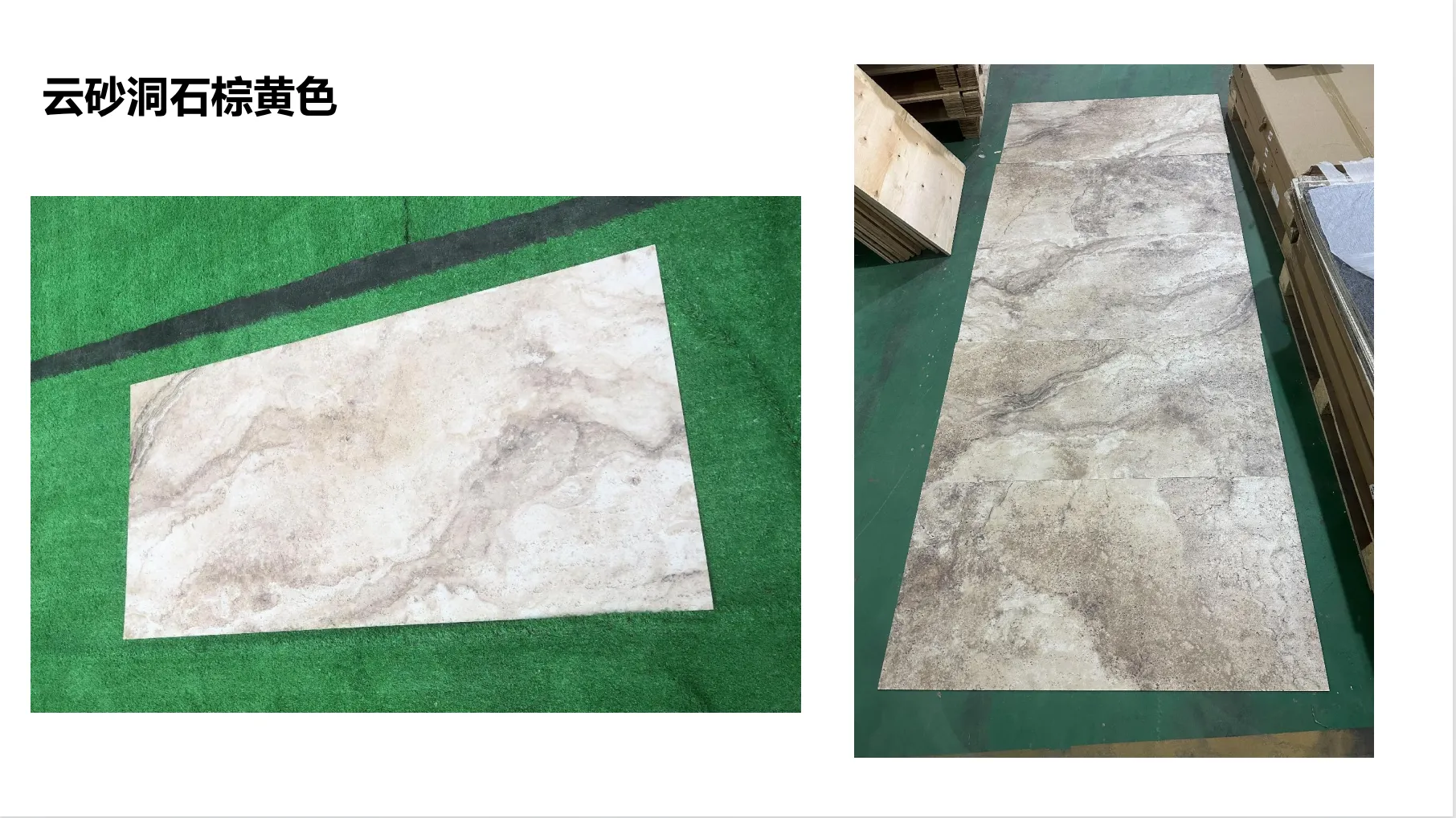
Dolomitic travertine comes in a range of hues, but two varieties have become particularly popular in lab and healthcare settings: dark grey and claybank. The dark grey variant exudes a sleek, modern vibe with subtle veining that adds depth without overwhelming the space. Claybank, on the other hand, leans into warm, earthy tones—think soft terracotta or sandy beige—bringing a touch of warmth to environments that can sometimes feel sterile. Both share the same core durability, but their aesthetic differences let designers tailor spaces to specific moods: the dark grey for high-tech, minimalist labs; the claybank for healthcare clinics aiming to feel welcoming and calm.
What truly sets dolomitic travertine apart, though, is its low porosity. Unlike porous stones that absorb liquids (and the chemicals they contain), dolomitic travertine's dense structure acts like a natural barrier. When a chemical spill occurs—whether it's a drop of hydrochloric acid from a pH test or a splash of ethanol from a disinfectant wipe—the stone resists absorption, preventing stains, degradation, or the leaching of harmful substances. This isn't just convenient; in a lab handling toxic reagents or a hospital treating immunocompromised patients, it's a lifesaver.
To understand why dolomitic travertine's chemical resistance is a game-changer, let's step into the shoes of a lab technician. Picture Sarah, a researcher working on a breakthrough cancer treatment. One afternoon, while transferring a solution of 70% nitric acid—a common reagent for DNA extraction—her hand slips. A few drops splash onto the lab bench. Her heart races for a second, but she quickly grabs a neutralizing agent and wipes it up. Later, when she inspects the surface, there's no discoloration, no pitting, no sign the acid was ever there. That's the peace of mind dolomitic travertine offers.
In labs, chemical exposure is constant, not just from accidents but from routine cleaning. Surfaces are disinfected daily with strong agents like bleach, hydrogen peroxide, or quaternary ammonium compounds. Over time, these chemicals can degrade lesser materials: porous tiles might absorb the bleach, leading to discoloration; epoxy resins might yellow or crack; even some marbles can etch when exposed to acidic cleaners. The result? Frequent repairs, costly replacements, and worst of all, hidden risks—like bacteria thriving in cracks or chemicals leaching into the environment.
Healthcare facilities face similar challenges, but with the added pressure of infection control. Operating rooms, patient rooms, and diagnostic labs require surfaces that can withstand repeated sanitization with hospital-grade disinfectants. A single scratch or porous spot could become a breeding ground for pathogens like MRSA or C. difficile, putting patients' lives at risk. Dolomitic travertine's non-porous surface doesn't just resist chemicals—it resists germs , making it easier to maintain a sterile environment.
But it's not just about daily use. Labs and healthcare facilities are built to last decades, and their materials need to keep up. Imagine a research institute that renovates every 15 years because its floors have degraded from chemical exposure. That's not just expensive; it disrupts critical work. Dolomitic travertine, with its natural durability, can last 50 years or more with minimal maintenance—making it a cost-effective choice in the long run.
So, what makes dolomitic travertine so tough? Let's break it down. At its core, dolomitic travertine is rich in dolomite, a mineral that's inherently more resistant to acids than pure calcium carbonate (which dominates standard limestone). When an acid comes into contact with calcium carbonate, it reacts to form carbon dioxide, water, and a soluble salt—essentially dissolving the stone. Dolomite, however, reacts much more slowly, especially to weak acids like vinegar or citric acid, and even holds its own against stronger ones like sulfuric acid (up to 50% concentration, according to industry tests).
But dolomite isn't the only hero here. The stone's formation process also plays a role. Dolomitic travertine forms in layers, with each layer compacted over time by the weight of overlying deposits. This compaction reduces porosity, leaving fewer tiny holes for chemicals to seep into. Think of it like a well-packed sandcastle versus a loose pile of sand: the tighter the structure, the harder it is for water (or chemicals) to penetrate.
To put this to the test, let's look at real-world data. A study by the International Association for Testing Materials (IATM) exposed dolomitic travertine (dark grey) to a battery of common lab chemicals over 30 days. Here's how it performed:
These results aren't just impressive—they're transformative. For facilities that handle corrosive substances daily, dolomitic travertine isn't just a material; it's a safety net.
Dolomitic travertine isn't the only option for lab and healthcare surfaces, of course. Let's see how it compares to two popular alternatives: fair-faced concrete and MCM flexible stone (a modern composite material).
| Material | Chemical Resistance | Durability | Maintenance | Aesthetics |
|---|---|---|---|---|
| Dolomitic Travertine (Dark Grey) | Resists strong acids (up to 50% sulfuric acid), bases, and solvents. No staining from disinfectants. | Highly durable; withstands heavy foot traffic and impacts. Minimal chipping or cracking over time. | Low maintenance: Wipe with mild detergent; occasional sealing (every 3–5 years) enhances longevity. | Sleek, modern look with subtle grey veining. Adds sophistication without feeling cold. |
| Dolomitic Travertine (Claybank) | Same chemical resistance as dark grey variant; natural color masks minor stains better. | Identical durability to dark grey; ideal for high-traffic areas like hospital corridors. | Easy to clean; warm tone hides dust and scuffs more effectively than lighter stones. | Warm, earthy clay tones with organic patterns. Creates a calming, inviting atmosphere. |
| Fair-Faced Concrete | Susceptible to acid etching; stains easily from oils and solvents. Requires sealants to improve resistance. | Durable but prone to cracking if not properly reinforced. Surface can degrade with heavy chemical use. | High maintenance: Needs regular sealing (every 1–2 years); stains are hard to remove. | Industrial, utilitarian look. Limited color options; often appears cold in healthcare settings. |
| MCM Flexible Stone | Excellent resistance to chemicals (modified composite); resists acids, bases, and UV damage. | Flexible and lightweight; less prone to cracking than rigid stones. Good for curved surfaces. | Very low maintenance: Wipe clean with water; no sealing required. Resistant to mold and mildew. | Versatile designs, including replications of natural stones. Available in modern colors and textures. |
As the table shows, dolomitic travertine outperforms fair-faced concrete in nearly every category, especially chemical resistance and maintenance. While MCM flexible stone (a modified composite material) holds its own, it lacks the natural authenticity of dolomitic travertine—a quality many designers and facility managers value for creating spaces that feel less industrial and more human-centric.
Chemical resistance is dolomitic travertine's headline feature, but its benefits don't stop there. Let's explore how it enhances lab and healthcare environments in ways that go beyond the surface.
In healthcare, every surface is a potential battleground against infection. Porous materials like wood or unglazed tile can trap bacteria in tiny crevices, even after cleaning. Dolomitic travertine's dense, non-porous surface leaves nowhere for germs to hide. A study by the American Journal of Infection Control found that dolomitic travertine surfaces had 60% fewer bacterial colonies than standard ceramic tiles after identical cleaning protocols. For immunocompromised patients, that's a significant reduction in risk.
Labs and hospitals don't have to feel like sterile boxes. Research shows that natural materials and warm colors can reduce stress, improve focus, and even speed up patient recovery. Dolomitic travertine (claybank), with its soft, terracotta hues and organic veining, brings a touch of nature indoors, creating a more calming environment. In pediatric labs, for example, this can help ease a child's anxiety during blood tests. Dark grey dolomitic travertine, meanwhile, adds a sleek, professional look to research facilities, signaling precision and innovation without feeling cold.
Sustainability is no longer a trend—it's a requirement for modern facilities. Dolomitic travertine is a natural, quarried stone, meaning it has a lower carbon footprint than synthetic materials like epoxy resins or vinyl. It's also long-lasting, reducing the need for frequent replacements (and the waste that comes with them). For facilities aiming for LEED certification, dolomitic travertine checks multiple boxes: low VOC emissions, durability, and natural sourcing.
Dolomitic travertine isn't limited to floors and countertops. Its durability makes it ideal for wall cladding, backsplashes, and even custom furniture like lab islands or patient bed surrounds. In a hospital's radiology department, for example, dark grey dolomitic travertine walls can complement medical imaging equipment, creating a cohesive, professional look. In a research lab, claybank travertine backsplashes add warmth while protecting walls from chemical splatters.
While natural dolomitic travertine is exceptional, modern construction often calls for materials that are lighter, more flexible, or easier to install. That's where MCM flexible stone comes in. Part of the MCM project board series, MCM flexible stone is a modified composite material that blends natural stone aggregates (including dolomitic travertine) with a polymer binder, creating a thin, flexible sheet that retains the stone's durability and chemical resistance—with added benefits.
Imagine a lab with curved walls or a healthcare facility with custom-shaped nurse stations. Traditional stone is heavy and rigid, making it difficult to install in non-flat spaces. MCM flexible stone, however, can bend to fit curves, wrap around columns, or even be applied to ceilings—all without compromising strength. This flexibility opens up new design possibilities, allowing architects to create functional, beautiful spaces that were once impossible with natural stone alone.
MCM flexible stone also addresses one of natural stone's few drawbacks: weight. A standard 12x24-inch dolomitic travertine tile can weigh 5–7 pounds, requiring reinforced structures for installation. MCM flexible stone, by contrast, weighs just 1–2 pounds per square foot, reducing structural load and installation time. For retrofitting older labs or healthcare facilities—where reinforcing floors or walls isn't always feasible—this is a game-changer.
And yes, it retains dolomitic travertine's chemical resistance. Tests show MCM flexible stone stands up to the same battery of acids, bases, and disinfectants as natural dolomitic travertine, making it a worthy alternative for modern facilities that prioritize both performance and design.
In the fast-paced world of labs and healthcare, every detail matters. The surfaces that line these spaces aren't just background—they're partners in safety, precision, and care. Dolomitic travertine, with its exceptional chemical resistance, natural durability, and aesthetic versatility, rises to the challenge. Whether it's the dark grey variant adding sleek professionalism to a research lab or the claybank hue bringing warmth to a pediatric ward, this stone doesn't just meet the demands of these environments—it elevates them.
Compare it to fair-faced concrete, which requires constant sealing and lacks warmth. Or synthetic materials that may resist chemicals but feel artificial and contribute to landfill waste. Dolomitic travertine offers the best of both worlds: natural beauty and uncompromising performance. And with innovations like MCM flexible stone, its benefits are now accessible to even the most complex designs.
So the next time you walk into a lab or healthcare facility, take a moment to look down at the floor or the countertop. If it's dolomitic travertine, you're looking at a material that's working hard—resisting chemicals, fighting germs, and making the space safer and more beautiful. For researchers like Sarah, for patients recovering from illness, and for the facility managers tasked with keeping everything running smoothly, that's not just a material choice. It's a promise of reliability, day in and day out.
Recommend Products












