
How a Natural Stone and Innovative Composites Are Shaping the Future of Eco-Friendly Construction
Walk down any city street, and you'll notice them: buildings that rise like silent storytellers, their exteriors whispering tales of design, function, and—increasingly—responsibility. In an era where climate change looms large, the choices we make about construction materials aren't just about aesthetics anymore. They're about legacy. How do we build spaces that inspire us today without compromising the planet tomorrow? Enter dolomitic travertine and MCM flexible stone —two materials that are redefining what it means to create architecture that's as kind to the Earth as it is captivating to the eye.
Sustainable architecture isn't a trend; it's a necessity. Net-zero building goals—structures that produce as much energy as they consume—demand materials that reduce carbon footprints, enhance energy efficiency, and stand the test of time. Dolomitic travertine, with its natural origins and impressive durability, and MCM flexible stone, with its innovative composite design, are emerging as unlikely heroes in this mission. Let's dive into why these materials matter, how they work, and why they're becoming staples in the toolkit of forward-thinking architects and builders.
First, let's get to know the star of the show: dolomitic travertine. If you're picturing a plain, utilitarian stone, think again. This natural material is a type of travertine infused with dolomite, a mineral that gives it unique strength and character. Formed over millennia by mineral-rich water flowing through limestone deposits, dolomitic travertine carries the of time in its veins—literally. Its porous surface, subtle color variations, and organic texture make it a favorite for designers seeking warmth and authenticity. But beyond its beauty lies a sustainability story that's hard to ignore.
Unlike synthetic cladding materials, which often rely on fossil fuels and emit harmful chemicals during production, dolomitic travertine is born from the earth. Its extraction process is far less energy-intensive than manufacturing plastic-based composites or even some ceramics. And because it's a natural stone, it doesn't off-gas volatile organic compounds (VOCs), ensuring healthier indoor air quality for building occupants. These features alone make it a standout in the world of green building materials—but its benefits don't stop there.
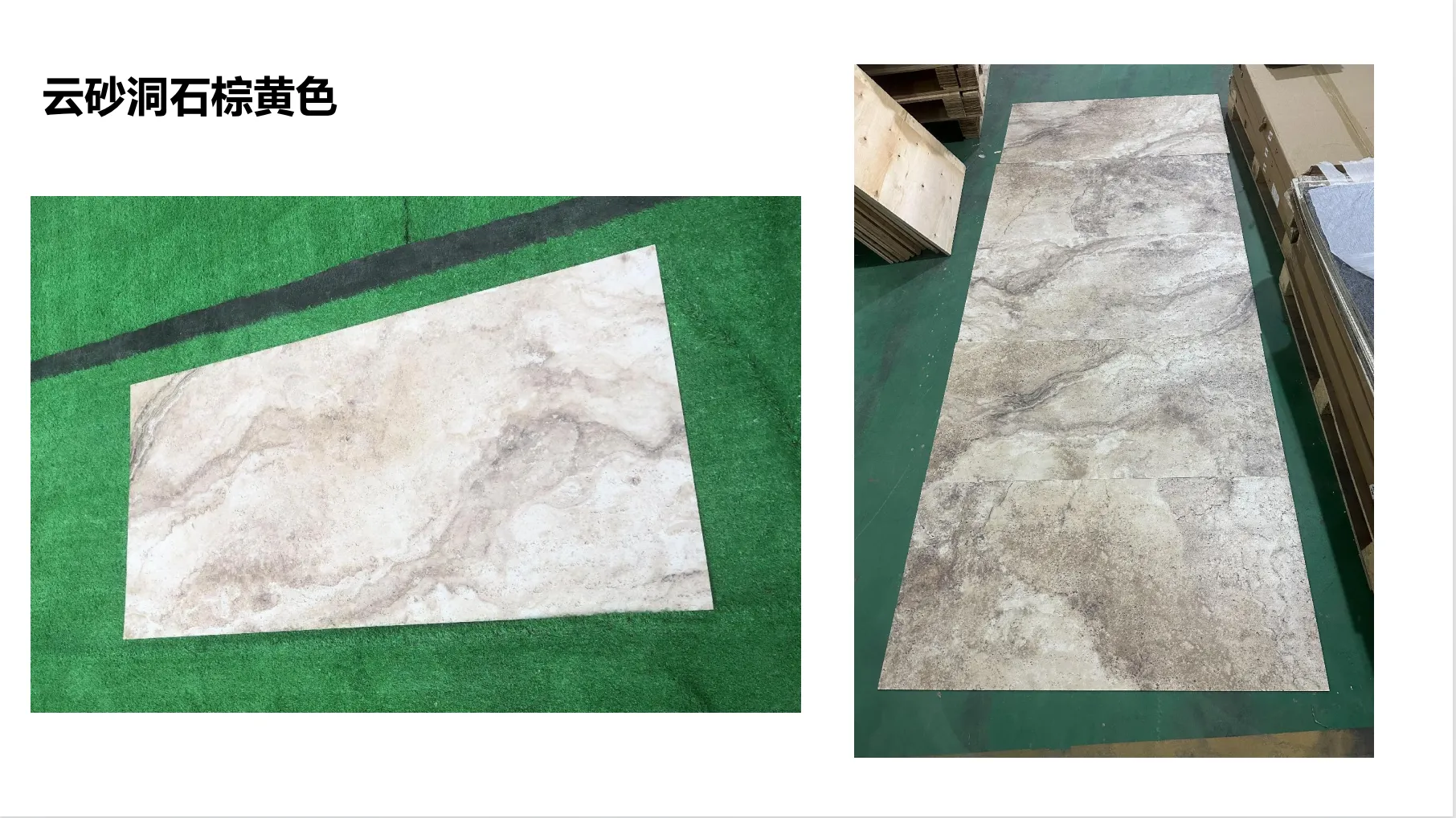
Dolomitic travertine isn't a one-size-fits-all material. Two popular variants— dolomitic travertine (dark grey) and dolomitic travertine (claybank) —offer distinct aesthetic and functional advantages, making them versatile choices for diverse projects. Let's break down their unique traits:
| Feature | Dolomitic Travertine (Dark Grey) | Dolomitic Travertine (Claybank) |
|---|---|---|
| Color Palette | Deep, moody hues ranging from charcoal to slate, with subtle white veining | Warm, earthy tones like terracotta and sand, often with soft golden streaks |
| Aesthetic Vibe | Modern, industrial, or minimalist—adds drama to urban facades and interior accent walls | Rustic, organic, or Mediterranean—evokes warmth in residential spaces and heritage buildings |
| Thermal Performance | Absorbs less heat than lighter stones, helping regulate indoor temperatures in sunny climates | Reflects moderate heat, balancing insulation in both hot and cold environments |
| Sustainability Edge | High density reduces water absorption, lowering maintenance needs and extending lifespan | Naturally porous structure allows for better air circulation, enhancing building breathability |
| Best For | Commercial high-rises, contemporary art galleries, sleek office spaces | Country homes, boutique hotels, outdoor patios, and heritage restoration projects |
Whether you opt for the boldness of dark grey or the warmth of claybank, both variants share a core commitment to sustainability. Their durability means fewer replacements over time, reducing waste, while their natural composition ensures they'll biodegrade harmlessly at the end of their lifecycle—unlike synthetic materials that linger in landfills for centuries.
While dolomitic travertine brings the power of nature to sustainable construction, MCM flexible stone adds a layer of innovation. Short for "Modified Composite Material," MCM flexible stone is a game-changer in the world of cladding. Imagine a material that combines the look and feel of natural stone with the flexibility of fabric and the lightness of foam—without sacrificing strength. That's MCM in a nutshell.
Traditional stone cladding is heavy, requiring reinforced structures and specialized installation teams. This adds to construction time, labor costs, and carbon emissions from transportation. MCM flexible stone, by contrast, is ultra-lightweight (often weighing 70-80% less than natural stone slabs) and can be bent or curved to fit complex architectural shapes. This flexibility reduces the need for heavy machinery during installation, cuts down on transportation fuel, and even allows for easier handling on job sites—all of which shrink a project's carbon footprint.
But MCM's sustainability story goes deeper. Many MCM products, including those in the MCM flexible stone series, are made from recycled materials like crushed stone waste and eco-friendly resins. This diverts waste from landfills and reduces reliance on virgin resources. Additionally, MCM panels are pre-finished, eliminating the need for on-site painting or sealing—processes that often involve toxic chemicals. When paired with dolomitic travertine, MCM flexible stone creates a dynamic duo: the natural beauty of stone with the practicality of a high-performance composite.
Net-zero buildings aim to balance energy consumption with renewable energy production. To achieve this, every component—from insulation to cladding—must contribute to reducing energy demand. Dolomitic travertine and MCM flexible stone excel here, thanks to their unique properties:
Dolomitic travertine's natural density acts as a barrier against temperature extremes. In hot climates, its porous structure traps air, slowing heat transfer into buildings and reducing the need for air conditioning. In colder regions, it retains warmth, lowering heating costs. MCM flexible stone, with its lightweight core, enhances this effect by adding an extra layer of insulation without the weight penalty. Together, they create a thermal envelope that keeps indoor temperatures stable, cutting energy use by up to 20% in some cases— a significant step toward net-zero.
The most sustainable material is one that lasts. Dolomitic travertine has been used in architecture for millennia—think of ancient Roman aqueducts or Renaissance palaces. Its resistance to weathering, fading, and wear means it can last for decades, if not centuries, with minimal maintenance. MCM flexible stone, while newer, is engineered to withstand harsh conditions, from heavy rain to UV radiation. By choosing these durable materials, builders reduce the frequency of replacements, which in turn reduces the carbon emissions associated with manufacturing and installing new cladding.
When a building reaches the end of its life, what happens to its materials? Dolomitic travertine can be crushed and reused as aggregate in new construction or landscaping, closing the loop on its lifecycle. MCM flexible stone, depending on its composition, can often be recycled into new panels or other composite products. This stands in stark contrast to many synthetic claddings, which end up in landfills and take centuries to decompose. For net-zero goals, which prioritize circularity, this recyclability is invaluable.
It's one thing to talk about sustainability in theory; it's another to see it in action. Let's look at a few projects where dolomitic travertine and MCM flexible stone have made a tangible difference:
This LEED Platinum-certified building features dolomitic travertine (claybank) on its south-facing facade, chosen for its heat-reflective properties. Paired with MCM flexible stone panels in a complementary terracotta shade, the exterior reduces solar heat gain by 30%, slashing cooling costs. The travertine's natural texture also adds visual interest, proving that sustainability doesn't require sacrificing design.
A 19th-century villa restoration used dolomitic travertine (dark grey) to replace damaged stonework, preserving the building's historic character while improving energy efficiency. The dark grey hue, chosen to match the original stone, now insulates the villa's interior, reducing heating needs in winter. MCM flexible stone was used for non-visible structural elements, minimizing weight on the aging foundation. The result? A building that honors the past while meeting modern green standards.
This community hub combines dolomitic travertine (claybank) with MCM flexible stone in a striking pattern. The travertine's thermal mass works with solar panels on the roof to maintain comfortable temperatures year-round, while MCM's lightweight design reduced the building's carbon footprint during construction. The project achieved net-zero status in its first year, serving as a model for sustainable public architecture.
While dolomitic travertine and MCM flexible stone offer clear environmental benefits, they're not without challenges. Natural stone can be costly to extract and transport, especially for projects far from quarries. MCM, though more affordable, requires specialized installation expertise. However, innovations are addressing these issues:
- Local Sourcing: Quarries are increasingly prioritizing local distribution to reduce transportation emissions. Many dolomitic travertine suppliers now offer regionally sourced stone, cutting carbon footprints and supporting local economies.
- Thin-Cut Technology: Advances in cutting machinery allow dolomitic travertine to be sliced into thinner panels, reducing weight and material use without compromising strength. This makes it easier and cheaper to transport and install.
- Training Programs: MCM manufacturers are partnering with trade schools to train installers, making the material more accessible to contractors and reducing installation errors.
These innovations are making sustainable cladding options like dolomitic travertine and MCM flexible stone more feasible for projects of all sizes, from luxury developments to affordable housing.
In the quest for net-zero buildings, materials matter. Dolomitic travertine and MCM flexible stone prove that sustainability doesn't have to mean sacrificing beauty or performance. From their natural origins and recycled components to their energy-saving properties and long lifespans, these materials are more than just cladding—they're tools for building a greener, healthier world.
As architects, builders, and homeowners continue to prioritize the planet, we'll likely see even more innovations in sustainable materials. But for now, dolomitic travertine and MCM flexible stone stand as shining examples of how we can honor tradition while embracing progress. They remind us that the most enduring buildings aren't just made of stone or composites—they're built with purpose. And that purpose? To leave a legacy we can all be proud of.
Recommend Products












