
Where nature's artistry meets human craftsmanship—exploring the journey of dolomitic travertine from quarries to iconic spaces, and how COLORIA GROUP is redefining excellence in natural stone sourcing.
Walk into a space and let your fingers brush against a wall. If it's stone—cool, textured, with a story etched in every vein—you're not just touching a material. You're touching history, nature, and the quiet artistry of design. For centuries, natural stone has been the backbone of architectural masterpieces, from the Colosseum's weathered travertine to modern skyscrapers' sleek granite facades. It's more than a building block; it's a language. A language that speaks of endurance, of connection to the earth, and of the timeless beauty that only nature can craft.
Today, as architects and designers seek to balance innovation with authenticity, one stone has emerged as a favorite: dolomitic travertine. With its unique mineral composition, rich color palette, and unmatched versatility, it's not just a trend—it's a return to materials that breathe life into spaces. And at the heart of bringing this stone to life is COLORIA GROUP, a global construction solutions provider with a passion for turning quarried stone into stories.
What makes dolomitic travertine stand out in a world of natural stones? Let's start with its roots. Formed in mineral-rich hot springs over thousands of years, travertine is known for its porous texture and warm, earthy tones. But dolomitic travertine takes this a step further: it contains dolomite, a mineral that adds density and durability, making it harder and more resilient than traditional travertine. This isn't just stone; it's stone with a purpose—built to last, yet soft enough to feel inviting.
Imagine a storm rolling over a mountain range—deep, moody, yet full of hidden light. That's the essence of COLORIA's dolomitic travertine in dark grey. Its base is a rich, charcoal hue, but look closer, and you'll notice veins of lighter grey and even faint gold, weaving through like lightning bolts frozen in time. It's a stone that commands attention without overwhelming, perfect for spaces where sophistication meets subtlety. Run your hand over it, and you'll feel the gentle pockmarks—the "eyes" of the stone—each one a reminder of the water that once flowed through its veins, creating a texture that's equal parts rugged and refined.
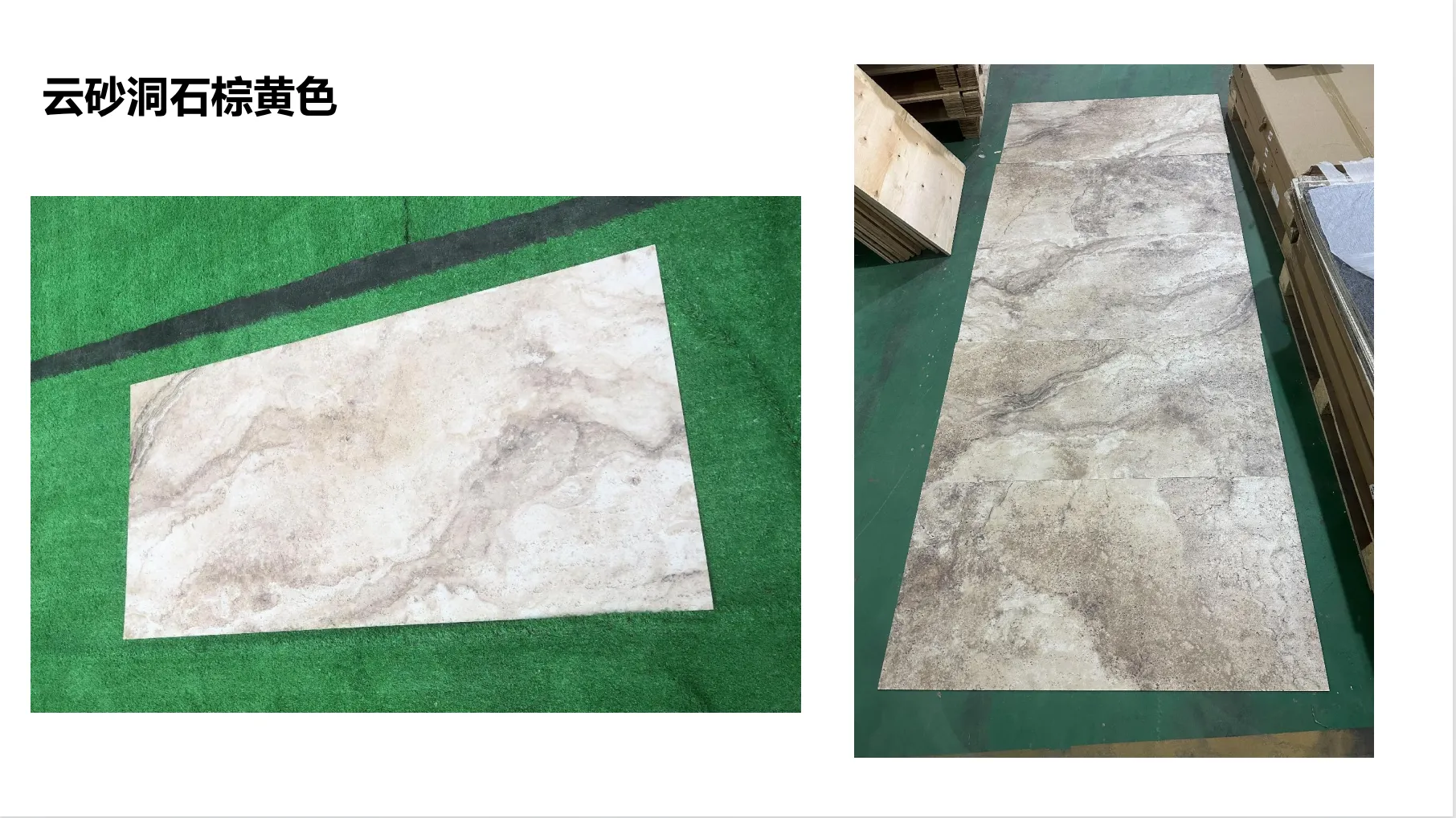
On the opposite end of the spectrum lies the claybank variant—a celebration of earthy warmth. Picture the color of sunbaked terracotta, blended with soft sand and hints of amber. This isn't just a stone; it's a hug. The claybank dolomitic travertine has a creamy, almost buttery base, with veins that range from pale gold to deep taupe, mimicking the layers of sediment deposited by ancient rivers. It's versatile enough to complement modern minimalism or rustic charm, and its warm undertones make any space feel cozier, more connected to the natural world outside.
Great stone doesn't just appear on construction sites by accident. It takes a network of experts, a commitment to quality, and a deep respect for both the material and the communities that nurture it. For COLORIA GROUP, sourcing dolomitic travertine is a journey—one that starts in the heart of the world's most renowned stone regions and ends in the hands of designers, builders, and homeowners who share a love for the extraordinary.
COLORIA's sourcing map reads like a love letter to stone-rich landscapes. In Italy's Tuscany region, they partner with a family-owned quarry that has been extracting travertine for over 80 years. Here, the hillsides are dotted with quarries that have supplied stone for Florence's cathedrals and Milan's modern landmarks. The miners here don't just extract stone—they read it. They know which veins hold the darkest greys, which layers hide the claybank's warmest hues, and how to extract each block without harming the surrounding ecosystem.
Then there's Turkey's Denizli province, a region famous for its dolomitic travertine deposits. COLORIA works directly with local cooperatives here, ensuring fair wages and sustainable practices. "These quarries aren't just suppliers—they're partners," says Maria Grazia, COLORIA's head of global sourcing. "We visit every site, meet the miners, learn their techniques. It's how we ensure that every slab has a story, not just a barcode."
Sourcing is just the first step. Once a block of dolomitic travertine is extracted, it undergoes a rigorous journey of testing and refinement. At COLORIA's state-of-the-art processing facilities, each slab is inspected for color consistency, structural integrity, and texture. "We don't just check for cracks," explains James Wilson, COLORIA's quality assurance manager. "We test for porosity, frost resistance, even how it reacts to sunlight over time. A stone meant for a hotel lobby in Dubai needs to stand up to humidity; one for a ski resort in Switzerland needs to resist freezing. We tailor our testing to the project, because every space deserves stone that's built to last."
For designers who crave precision, COLORIA offers custom cutting and finishing. Want a claybank dolomitic travertine slab with a honed finish for a spa's walls? Or dark grey with a brushed texture for a restaurant's bar? The team works closely with clients to turn visions into reality, ensuring that the stone's natural beauty shines through while meeting functional needs.
Sure, dolomitic travertine is beautiful—but in the world of construction, beauty alone isn't enough. What makes this stone a staple for architects and builders? Let's break it down.
Thanks to its dolomite content, this stone is denser and more scratch-resistant than regular travertine. That means it stands up to high foot traffic in airports, shopping malls, and office lobbies. "We installed dark grey dolomitic travertine in a busy train station in Madrid five years ago," says Carlos Mendez, a project manager at a leading European construction firm. "It still looks brand new, even with thousands of commuters walking over it daily. You can't say that about many materials."
In an era where green building materials are no longer optional, dolomitic travertine checks all the boxes. It's a natural, non-toxic material that requires minimal processing compared to synthetic alternatives. COLORIA's commitment to sustainable quarrying—replanting trees, recycling water, and reducing waste—only strengthens its eco-credentials. "Clients today ask about carbon footprints before they ask about cost," notes Maria Grazia. "With dolomitic travertine, we can tell them: this stone is extracted responsibly, transported efficiently, and will last for decades, reducing the need for replacements. It's sustainability that makes sense for both the planet and their budgets."
Let's step into some real-world spaces where dolomitic travertine has transformed ordinary rooms into extraordinary experiences.
Nestled on the cliffs of Santorini, the Azure Hotel wanted a lobby that blended Greek island charm with modern luxury. The design team chose COLORIA's claybank dolomitic travertine for the floors and feature walls. "We wanted something that felt warm, like the island's earth, but with enough elegance for a five-star hotel," says lead architect Eleni Papadopoulos. "The claybank's soft hues complement the whitewashed walls and blue ocean views perfectly. Guests often comment on how the stone feels 'alive'—like it's breathing with the island."
For the Nexus Tower, a 42-story office building in downtown Chicago, the goal was to create a facade that projected strength and innovation. The architects opted for dark grey dolomitic travertine panels, paired with glass and steel. "We needed a material that could stand up to Chicago's harsh winters and still look sleek," explains structural engineer Marcus Chen. "The dark grey dolomitic travertine adds depth to the building's exterior—on sunny days, the veins catch the light; on overcast days, it has a moody, powerful presence. It's become a landmark in the skyline."
How does dolomitic travertine stack up against other popular building materials? Let's compare.
| Material | Color & Texture | Durability | Sustainability | Best For |
|---|---|---|---|---|
| Dolomitic Travertine (Dark Grey) | Deep charcoal base with light grey/gold veins; matte to honed finish | Highly scratch-resistant; ideal for high-traffic areas | Natural, locally sourced, minimal processing | Commercial lobbies, exteriors, accent walls |
| Dolomitic Travertine (Claybank) | Warm terracotta base with taupe/amber veins; soft, tactile texture | Durable with proper sealing; resistant to staining | Eco-friendly, supports local quarry communities | Residential interiors, spas, boutique hotels |
| Marble | Varied colors, high-gloss finish; visible veining | Prone to scratching; requires frequent sealing | Energy-intensive extraction; limited sustainability | Luxury interiors, low-traffic spaces |
| Concrete | Neutral tones; smooth or stamped texture | Durable but lacks natural character | High carbon footprint; synthetic additives | Industrial-style spaces, budget projects |
While dolomitic travertine shines in traditional applications, COLORIA GROUP understands that modern construction demands flexibility—literally. That's where MCM flexible stone comes in. A star in COLORIA's product lineup, MCM flexible stone is a modified composite material that mimics the look and feel of natural stone but with the added benefits of being lightweight and easy to install.
"Think of it as dolomitic travertine's more versatile cousin," says product developer Lena Park. "It's made by bonding thin layers of natural stone with a flexible backing, so it can bend around curves, wrap columns, or even be used on ceilings—places where heavy slabs just won't work. And because it uses less raw stone, it's an even more sustainable option, aligning with our commitment to green building materials."
Imagine a retail store with a curved feature wall: instead of struggling to install heavy dark grey dolomitic travertine slabs, designers can use MCM flexible stone panels, cutting installation time in half. Or a historic building renovation where weight restrictions prevent traditional stone—MCM flexible stone offers the same authentic look without compromising structural integrity. It's innovation that honors tradition, and it's why COLORIA remains a global construction solutions provider that architects trust.
As we look ahead, the demand for natural, sustainable materials shows no signs of slowing. "People are craving connection—to nature, to history, to something real," says COLORIA's CEO, Alessandro Rossi. "Stone isn't just a material; it's a way to bring that connection into our daily lives. Whether it's a home's kitchen backsplash or a city's landmark tower, stone tells a story of resilience and beauty."
For COLORIA GROUP, the future means expanding their global network while deepening their commitment to sustainability. They're exploring new quarries in emerging stone regions, investing in technology to reduce waste, and partnering with designers to push the boundaries of what natural stone can do. "We're not just suppliers," Rossi adds. "We're storytellers. And every slab of dolomitic travertine, every panel of MCM flexible stone, is a chapter in the story of how we build better, more meaningful spaces."
At the end of the day, dolomitic travertine is more than a building material. It's a legacy. A legacy of the earth's patient craftsmanship, of miners who treat stone with reverence, and of companies like COLORIA GROUP that bridge the gap between quarries and dreams. The next time you step into a space and feel that quiet awe—the kind that comes from standing in front of something both ancient and new—take a moment to look down, or up, or around. Chances are, you're looking at stone: dark grey or claybank, rough or refined, telling a story that started millions of years ago and continues, thanks to visionaries and artisans, today.
And if that stone bears the COLORIA name? You can be sure it's a story worth telling.
Recommend Products












