
Behind every slab of stone lies a story—of earth's patience, human hands, and the choice to honor both.
The first light of day spills over the rolling hills of central Italy, gilding the edges of a quarry where the air smells of damp earth and crushed stone. Here, at COLORIA GROUP's dolomitic travertine site, Giovanni—his hands calloused but steady—kneels to inspect a fresh block. "This one," he says, tracing a finger along a vein of claybank dolomitic travertine, "has been growing for 20 million years. We don't just cut it—we listen to it."
Nearby, a team of workers in bright orange safety gear gathers for their morning briefing, laughter mixing with the hum of solar-powered machinery. This isn't just any quarry. It's a place where the pursuit of beauty—of crafting stone that adorns homes, offices, and public spaces—walks hand in hand with respect: for the planet, for the people who extract it, and for the communities that call these hills home.
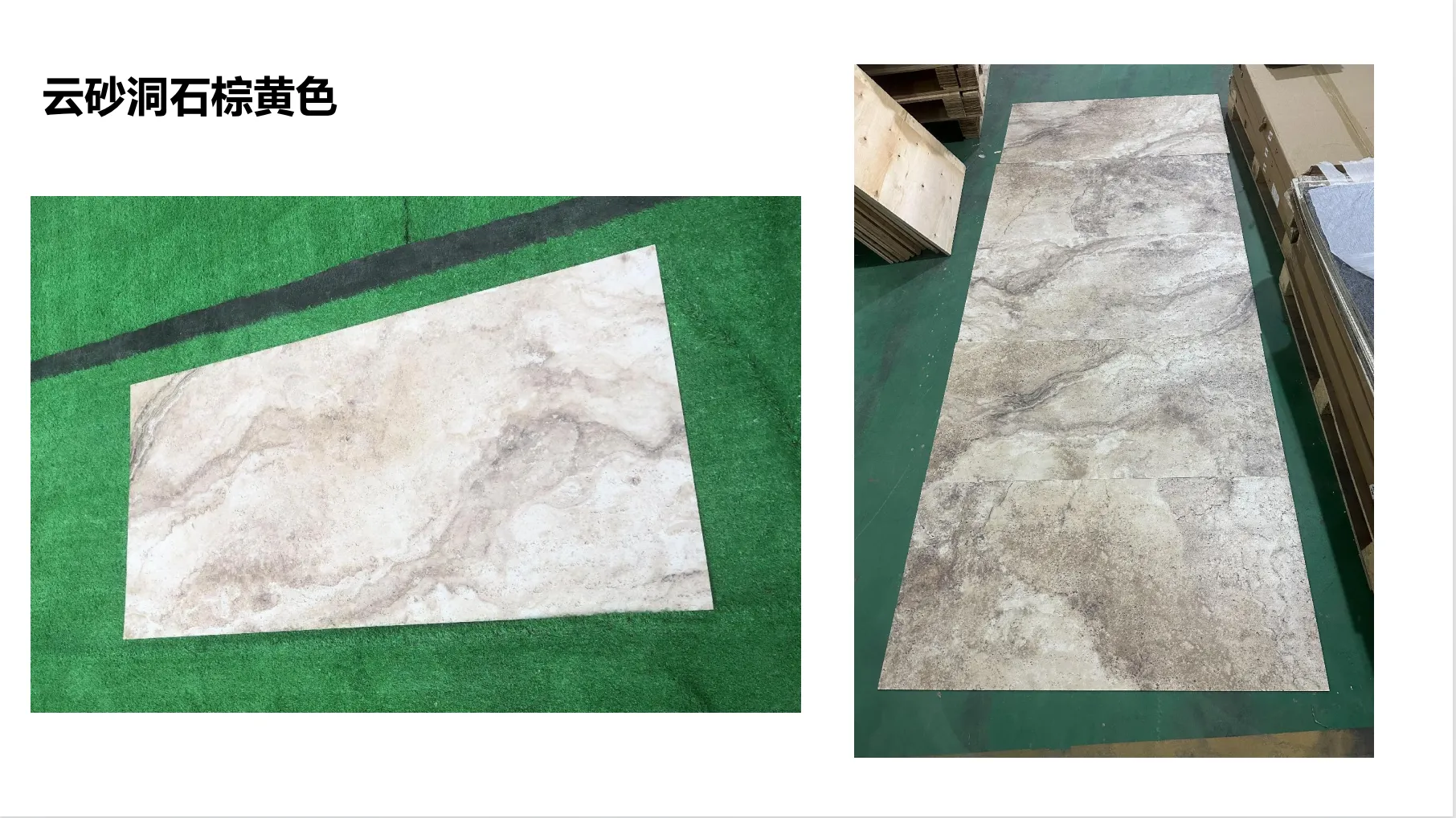
Dolomitic Travertine (Claybank): Warm as terracotta, with soft, sunlit veins that evoke the color of aged brick. It's the stone of fireplaces that gather families, of kitchen backsplashes that turn meals into memories.
Dolomitic Travertine (Dark Grey): Sleek and sophisticated, with subtle silver undertones that catch the light like storm clouds at dusk. Architects choose it for urban facades, where it stands as a quiet statement of strength and elegance.
"These aren't just products," says Elena Moretti, COLORIA's founder, when we speak later. "They're promises. That the beauty you bring into your space didn't come at the cost of someone else's safety—or the planet's health."
For decades, the natural stone industry has thrived on a secret: the stunning slabs in luxury hotels and modern homes often come from quarries where workers toil for poverty wages, where safety gear is a luxury, and where forests are cleared without a second thought. A 2023 report by the Global Stone Ethics Council found that 42% of travertine quarries worldwide lack basic safety protocols, and 28% pay workers less than a living wage.
In some regions, children as young as 12 work alongside adults, their small hands prized for sorting stone fragments. In others, quarries dump chemical-laden wastewater into rivers, poisoning local water supplies. "I visited a quarry once where the workers slept in shacks without electricity," Elena recalls, her voice tight. "They showed me their hands—scarred, raw—and said, 'This is the price of beauty.' I left that day knowing I had to do something different."
That "something different" became COLORIA GROUP. Founded in 2003, the company set out to prove that natural stone could be both exquisite and ethical—that the journey from quarry to countertop could honor every step along the way.
At COLORIA, every worker starts the day with a safety briefing and a hot meal. They earn 150% of the local living wage, with health insurance, paid sick leave, and bonuses for long service. "My son is studying to be an engineer now," says Maria, who has worked at the quarry for 12 years. "COLORIA paid for his books. That's not just a job—that's family."
Annual training programs teach new skills, from stone cutting to machinery maintenance, empowering workers to grow. "I started as a laborer," Giovanni says, grinning. "Now I'm a quarry foreman. They saw something in me I didn't see in myself."
Dolomitic travertine forms when mineral-rich water cools and hardens over millennia—a process COLORIA treats with reverence. Their quarries use 90% recycled water, and solar panels power 85% of operations. For every acre mined, the company plants 100 native trees, restoring ecosystems and combating soil erosion.
"We don't take more than the earth can replenish," explains Luca, COLORIA's environmental officer, gesturing to a reforested area where deer now roam. "That claybank dolomitic travertine? It took 20 million years to form. We owe it to the next 20 million years to leave this place better than we found it."
Every slab of COLORIA dolomitic travertine—whether dark grey with its storm-cloud veins or claybank warm as a summer day—comes with a QR code. Scan it, and you'll see photos of the quarry, meet the workers who extracted it, and read a report on its environmental footprint. "We don't hide behind 'sustainable' buzzwords," Elena says. "We invite customers to visit our quarries, to talk to our team. Trust isn't given—it's earned."
| Aspect | Traditional Mining | COLORIA GROUP |
|---|---|---|
| Worker Wages | Often below living wage | 150% of local living wage + benefits |
| Environmental Impact | Deforestation, water pollution | Solar power, 90% recycled water, reforestation |
| Transparency | Little to no public reporting | QR-coded traceability, third-party audits |
| Community Support | Minimal investment | Scholarships, healthcare clinics, infrastructure projects |
A study in understated elegance, this stone features deep charcoal hues interlaced with threads of silver and midnight blue. Formed in ancient marine environments, its density makes it ideal for high-traffic spaces—think hotel lobbies or office facades—while its matte finish softens harsh modern lines. "It's like bringing a piece of the night sky indoors," says architect Sofia Loren, who used it in her award-winning Milan office project.
Warm and inviting, claybank dolomitic travertine bears the earthy tones of sun-baked terracotta, with subtle cream veins that mimic the patterns of desert sand. It's a favorite for residential spaces—kitchen countertops, fireplace surrounds, or bathroom walls—where it infuses rooms with a sense of calm. "My clients often say it feels like living with a piece of the countryside," notes interior designer Marco Rossi. "It's stone, but it breathes."
COLORIA's dolomitic travertine isn't just sold—it's chosen by those who believe beauty should have a conscience. Take the Community Center of San Giovanni, a small town in Tuscany, where claybank dolomitic travertine walls wrap around a courtyard where children play. "We wanted a material that felt rooted in our land," says local mayor Antonio Russo. "COLORIA didn't just sell us stone—they helped us plant 500 trees around the center. Now, the kids climb those trees, and their parents work in the quarry. It's a circle, not a transaction."
"When you build with COLORIA stone, you're not just creating a space—you're telling a story. A story about respect: for the earth, for the hands that shaped it, and for the future we all share."
— Elena Moretti, Founder, COLORIA GROUP
Looking ahead, COLORIA plans to expand its ethical sourcing model to new stone varieties, including travertine and marble, and to partner with universities to develop even more sustainable extraction techniques. "The goal isn't to be the biggest," Elena says. "It's to be the standard. To show the industry that ethics and profit can coexist—that, in fact, they must ."
Recommend Products












