
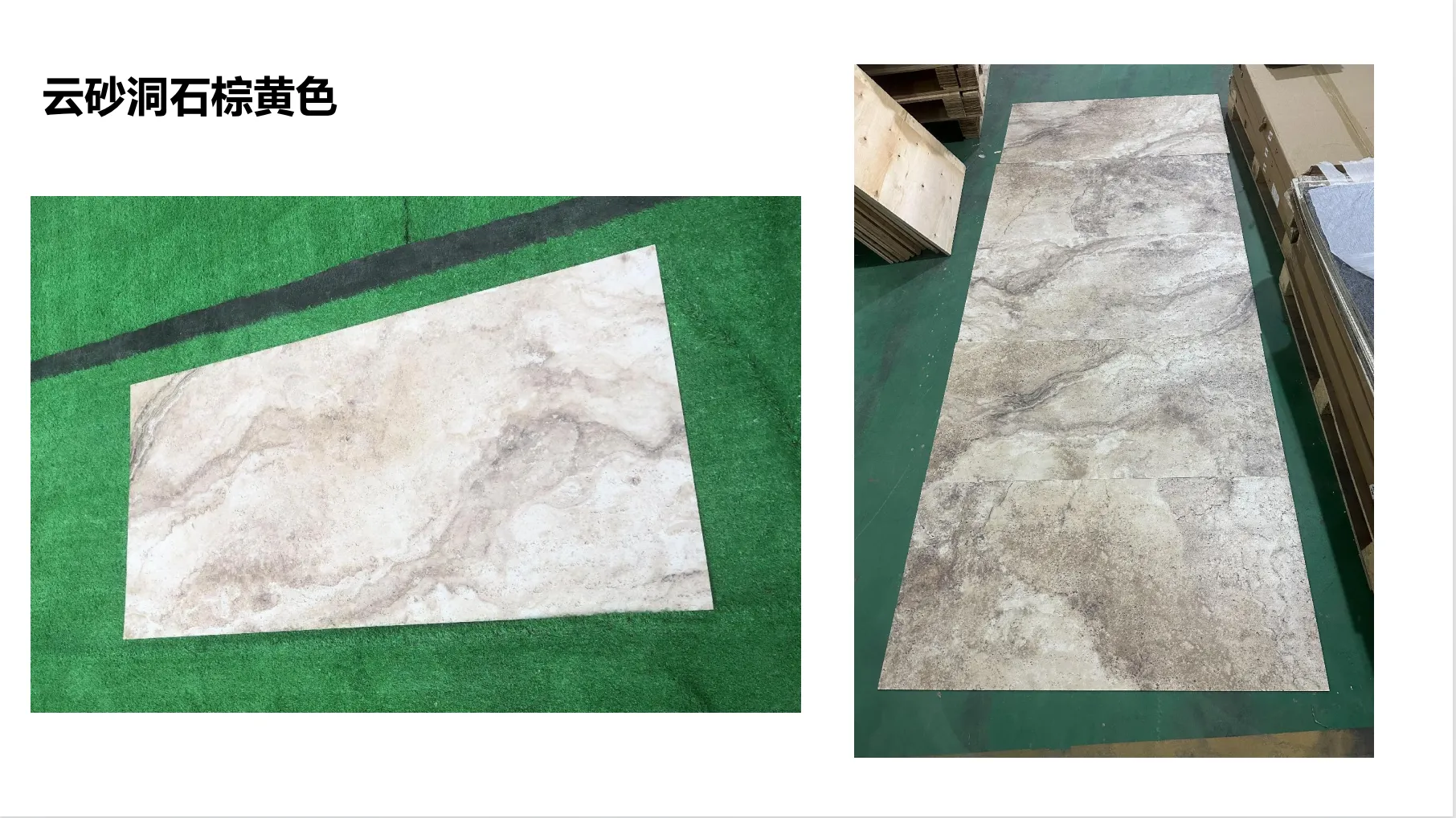
Picture this: You've just finished renovating your bathroom, and the centerpiece is a stunning floor made of dolomitic travertine (claybank). Its warm, earthy tones complement the wooden vanity and soft lighting perfectly—until one morning, you notice a dark ring spreading from where your shampoo bottle leaked overnight. Panic sets in. That beautiful stone, which felt like a luxury investment, now has a blemish that seems impossible to erase. If this scenario hits close to home, you're not alone. Dolomitic travertine, with its unique veining and natural charm, is a favorite in interior design, but its porous nature makes it prone to staining. Let's dive into why this happens, how to stop stains before they start, and how to rescue your stone if disaster strikes.
First, let's get to know the star of the show. Dolomitic travertine is a type of natural stone formed from mineral-rich hot springs, but what sets it apart is its high dolomite content—a mineral that adds durability compared to standard travertine. It's not a one-size-fits-all stone, either. Walk into any tile showroom, and you'll likely encounter two popular variants: dolomitic travertine (dark grey) and dolomitic travertine (claybank) .
Dolomitic travertine (dark grey) is the moody minimalist's dream. Its deep, charcoal-like hues with subtle white veining bring a sleek, modern edge to kitchens, living rooms, or accent walls. It's bold but versatile, pairing well with light woods and metallic fixtures. On the flip side, dolomitic travertine (claybank) leans into warmth. Think soft terracotta, sand, and muted brick tones—colors that evoke sunlit terraces in Tuscany or coastal cottages. It's a popular choice for rustic or bohemian spaces, where its natural, slightly weathered look adds character.
Both types share a key trait: porosity. Unlike dense stones like granite, dolomitic travertine has tiny pores and voids (leftover from gas bubbles in its formation) that act like sponges. Spill a glass of red wine, and those pores will start soaking it up within minutes. Even water can leave marks if left standing too long, especially on lighter variants like claybank. That's why understanding how to care for this stone isn't just optional—it's essential to keeping it looking its best.
| Travertine Type | Color Profile | Porosity Level | Stain Visibility | Best For |
|---|---|---|---|---|
| Dolomitic Travertine (Dark Grey) | Deep charcoal with white/grey veining | Medium (less porous than standard travertine) | Stains less visible (darker base hides light spills) | Modern kitchens, accent walls, high-traffic areas |
| Dolomitic Travertine (Claybank) | Warm terracotta, sand, or brick tones | Medium-high (varies by slab) | Stains more visible (light base shows dark spills) | Rustic bathrooms, living room floors, coastal interiors |
| Travertine (Beige) (non-dolomitic comparison) | Pale cream to golden beige | High | Very visible (light color + high porosity) | Traditional spaces, backsplashes (with careful sealing) |
To fight stains, you need to understand your enemy. Staining in dolomitic travertine isn't just about spills—it's a combination of the stone's structure and the substances it encounters. Let's break down the most common causes:
Even with dolomite's added density, dolomitic travertine is still porous. Those tiny pores and natural fissures are like microscopic cups waiting to catch liquids. Oil-based substances (cooking oil, lotion, makeup) are the worst offenders because they don't evaporate—they sink in and linger. Water-based spills (coffee, juice, ink) can also stain if left unattended, especially if they contain pigments (think grape juice or soy sauce).
You don't need to be clumsy to stain your stone. It's the little things: a drippy ice cream cone on the living room floor, a splatter of tomato sauce while cooking, or even a wet towel left on the bathroom tiles. Hard water can also leave mineral deposits that look like stains, especially on dolomitic travertine (dark grey), where white spots stand out. Even something as harmless as lemon juice—acidic and seemingly innocuous—can etch the stone's surface, creating a dull spot that mimics staining.
Many homeowners assume travertine comes "ready to use," but that's a myth. Most dolomitic travertine slabs need to be sealed before installation, then re-sealed regularly. Without a sealant, the stone is defenseless against spills. Even a "sealed" stone can fail if the sealant is old, worn, or the wrong type for your travertine variant (more on that later).
They say an ounce of prevention is worth a pound of cure, and that's never truer than with dolomitic travertine. With a few simple habits and the right products, you can keep stains at bay for years. Here's how:
Sealing is non-negotiable. Think of a sealant as a protective raincoat for your stone—it repels liquids, giving you time to wipe up spills before they soak in. But not all sealants are created equal. For dolomitic travertine, opt for a penetrating sealer (also called an impregnator). Unlike topical sealers (which sit on the surface and can peel), penetrating sealers soak into the pores, creating a barrier from the inside out.
For dolomitic travertine (dark grey), a water-based penetrating sealer is often best. It won't darken the stone (which is key if you love its natural color) and dries clear. For dolomitic travertine (claybank), which has a slightly higher porosity, consider a solvent-based sealer—it's more durable and better at filling tiny pores. Always test the sealer on a hidden corner first to check for discoloration (yes, even "clear" sealers can alter light stones like claybank).
How often should you re-seal? For high-traffic areas (kitchen floors, bathroom counters), aim for every 1–2 years. For low-traffic spots (accent walls), every 3–5 years should suffice. To check if it's time, do the "water test": sprinkle a few drops on the stone. If they bead up, the sealer is still working. If they soak in within 5–10 minutes, it's time to re-seal.
Sealing buys you time, but it's not a license to be careless. Get into these habits to minimize risk:
If you're still in the planning phase, think about where you install your dolomitic travertine. Dolomitic travertine (dark grey) holds up well in kitchens or entryways, where spills are common but stains are less visible. Dolomitic travertine (claybank), while beautiful, might be better suited for low-spill areas like bedrooms or living rooms. Avoid using any travertine (even dolomitic) in showers without extra sealing—constant moisture can degrade sealants faster.
No matter how careful you are, accidents happen. The key is to act fast and use the right method for the stain. Here's a breakdown of common stains and how to tackle them:
Oil stains are tricky because they don't evaporate—they bond with the stone. Start by blotting up excess oil with a dry cloth (don't rub, which spreads the stain). Then, cover the area with a thick paste of baking soda and water (3 parts baking soda to 1 part water). Let it sit for 24–48 hours—the baking soda will draw the oil out. Wipe away the paste with a damp cloth, then clean with a pH-neutral cleaner. For stubborn oil stains (like motor oil or lipstick), mix baking soda with a few drops of dish soap (mild, no bleach!) instead of water. The soap helps break down the oil.
Water-based stains often leave a darker mark as the liquid soaks in. Blot first, then mix hydrogen peroxide (3%) with a drop of ammonia (test in a hidden spot first—ammonia can lighten some stones). Apply the mixture to the stain with a cloth, let sit for 10–15 minutes, then rinse. For organic stains (like fruit juice or wine), try a solution of equal parts water and white vinegar (yes, vinegar is acidic, but diluted and used sparingly, it can work on organic pigments). Rinse thoroughly afterward to neutralize the acid.
Those white, crusty spots on bathroom tiles? They're mineral deposits from hard water. Mix equal parts water and lemon juice (or vinegar) and apply with a soft cloth. Let sit for 5 minutes, then scrub gently with a non-abrasive sponge. Rinse well—lemon juice is acidic, so don't leave it on too long, especially on dolomitic travertine (claybank), which is lighter and more prone to etching.
Mold and mildew thrive in damp areas like bathrooms. Mix a solution of 1 cup water and 1 tablespoon of borax (a natural, mild cleaner). Apply with a spray bottle, let sit for 15 minutes, then scrub with a soft brush. Rinse thoroughly. For outdoor travertine (like a patio), you can use a pressure washer on a low setting (keep the nozzle 12+ inches from the stone) to blast away leaves or dirt stains, but avoid this indoors—it can drive water into grout lines.
Sometimes, despite your best efforts, a stain just won't budge. Maybe it's an old oil stain that soaked through the sealant, or a rust mark from a metal chair leg. Before you panic (or worse, try sanding the stone yourself), consider these options:
A poultice is a paste-like mixture designed to draw deep-set stains out of the stone. You can buy pre-made poultices (look for "travertine stain remover") or make your own. For oil-based stains, mix diatomaceous earth (a natural absorbent) with mineral spirits to form a thick paste. For water-based stains, use hydrogen peroxide instead of mineral spirits. Apply the poultice to the stain, cover with plastic wrap (tape the edges to keep it in place), and let sit for 48–72 hours. The paste will dry and pull the stain out. Remove the plastic, let the paste dry completely, then brush it off and rinse.
If the stain is still there after a poultice, or if you've accidentally etched the stone (dull, rough spots from acid), it's time to call a professional stone restorer. They have tools like diamond pads to gently grind away the stained layer and re-polish the stone. It's not cheap, but it's often cheaper than replacing the stone entirely.
Stain prevention and removal are part of the equation, but long-term care ensures your stone ages gracefully. Here's what to do:
We can't this enough. Set a calendar reminder to test and re-seal your stone. Over time, foot traffic, cleaning, and exposure to elements wear down the sealant. A fresh coat every 1–2 years (for high-traffic areas) keeps the barrier strong.
Dolomitic travertine has a natural matte or honed finish—avoid over-polishing, which can make it slippery and hide its unique texture. If you notice the stone looking dull, use a stone-specific polish (not floor wax!) once or twice a year. Apply a small amount with a microfiber cloth, buff gently, and wipe away excess.
Grout is porous too, and stained grout can make your whole travertine installation look dirty. Clean grout with a pH-neutral cleaner and a soft brush, and re-seal it annually (use a grout sealer, not the same one as your stone—they're formulated differently).
Dolomitic travertine—whether dark grey, claybank, or another variant—is more than a building material; it's a piece of nature that brings warmth and texture to your home. Staining can feel like a betrayal, but with the right knowledge, it's a problem you can manage. By sealing properly, adopting simple daily habits, and knowing how to tackle stains when they happen, you can keep your stone looking as stunning as the day it was installed.
Remember: This stone has been forming for thousands of years—it's resilient. A little care goes a long way. So go ahead, enjoy your morning coffee on that travertine countertop (with a coaster, of course). With these tips, you'll be admiring its beauty for decades to come.
Recommend Products












