
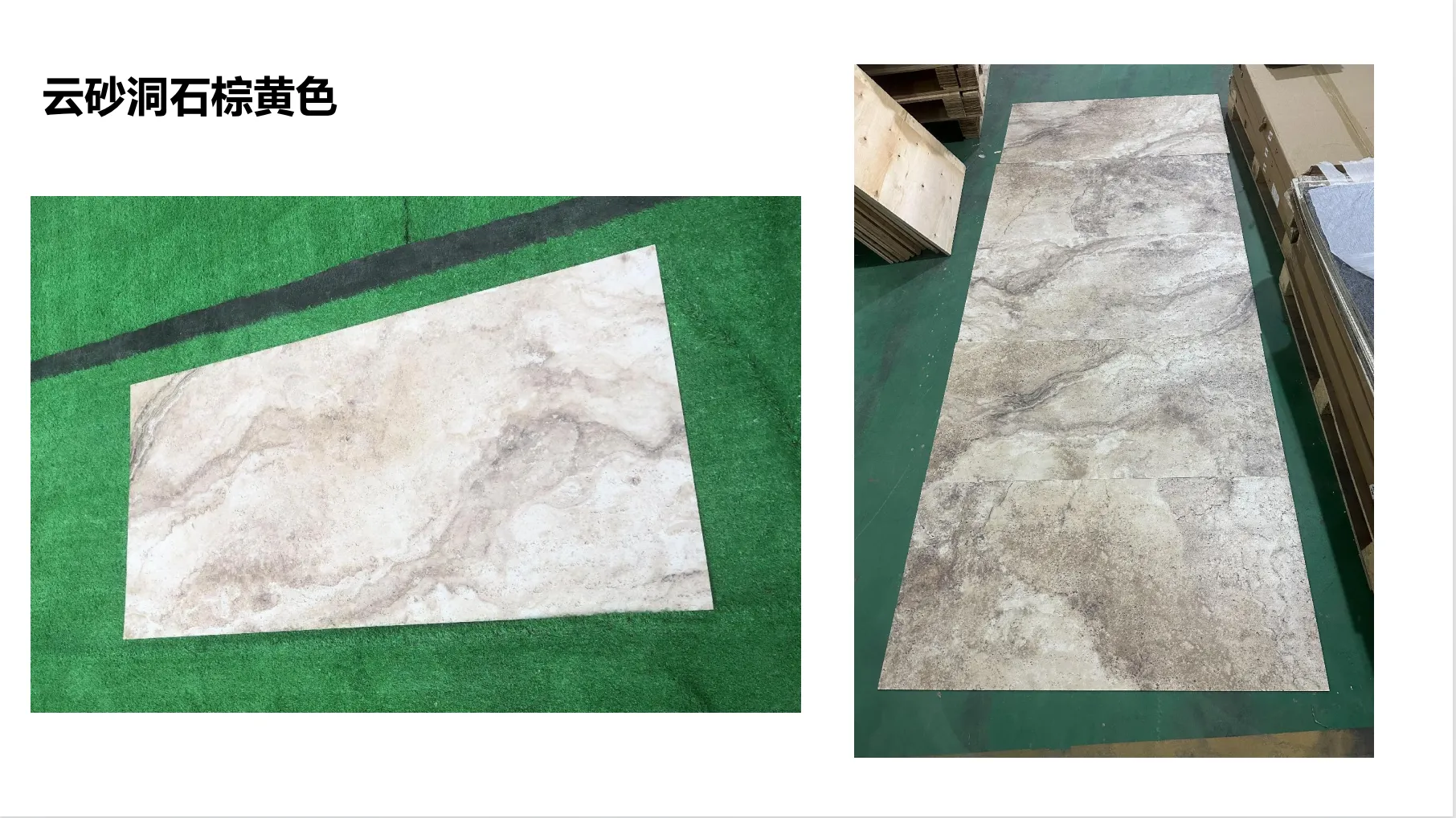
In the world of contemporary architecture and interior design, natural stone continues to hold an esteemed position. Among the many choices available to architects, designers, and builders, few materials offer the same balance of aesthetic warmth, durability, and versatility as dolomitic travertine(claybank). Its rich, earthy claybank tones bring a distinct character to any project — from commercial lobbies and hotel facades to high-end residential interiors. As more builders seek materials that combine timeless beauty with practical performance, dolomitic travertine has emerged as a standout option in the stone wall cladding market.
Travertine is a form of limestone deposited by mineral springs, known for its fibrous, layered appearance and naturally occurring voids. Dolomitic travertine takes this a step further — it contains a higher percentage of magnesium-rich dolomite, which enhances the stone's density, weather resistance, and structural integrity. The claybank coloration, in particular, offers a warm, neutral palette that ranges from soft beige to deeper terracotta undertones, making it exceptionally versatile across design styles.
Unlike many synthetic alternatives, dolomitic travertine ages gracefully. Its surface develops a natural patina over time, enriching the visual depth of the stone without compromising its strength. This quality has made it a preferred material for projects that demand longevity — from Mediterranean-inspired villas to sleek, modern commercial spaces.
Traditional travertine slabs, while undeniably beautiful, come with significant logistical challenges. They are heavy, difficult to transport, and require specialized installation teams. This is where innovation has reshaped the market. Modern manufacturing techniques have given rise to flexible stone cladding panels — a category that preserves the authentic look and texture of natural stone while dramatically reducing weight and simplifying installation.
These Modified Clay Material (MCM) panels are produced by extracting ultra-thin layers from natural stone and bonding them to a flexible backing. The result is a product that retains the genuine appearance of dolomitic travertine — including its subtle color variations, natural veining, and surface texture — while offering the handling convenience of a lightweight panel. For contractors and developers, this translates into faster installation times, lower shipping costs, and reduced structural load on buildings.
The adaptability of dolomitic travertine in its claybank finish opens up a wide range of design possibilities. On exterior facades, it provides a natural, grounded aesthetic that complements both urban and rural settings. The warm earth tones of claybank travertine pair beautifully with glass, steel, timber, and concrete — making it a favorite among architects who work with mixed-material palettes.
Inside buildings, this stone transforms feature walls, fireplace surrounds, bathroom vanities, and reception areas into focal points of understated elegance. The claybank hue brings warmth to minimalist interiors and adds depth to more ornate design schemes alike. Hospitality projects — hotels, restaurants, and retail spaces — particularly benefit from the material's ability to create an inviting, luxurious atmosphere without feeling ostentatious.
Design Tip: Pair claybank dolomitic travertine with soft, warm lighting to emphasize its natural tonal variations. For exterior applications, consider combining it with dark metal trims or dark grey window frames to create a striking contrast that highlights the stone's organic warmth.
As the construction industry increasingly prioritizes environmental responsibility, the choice of cladding material carries implications beyond aesthetics. Green building materials are no longer a niche preference — they are becoming a baseline expectation in markets across the Middle East, Europe, and Asia. Dolomitic travertine, particularly when supplied in flexible MCM panel format, aligns well with sustainable construction goals.
The MCM production process uses significantly less raw stone per square meter of coverage compared to traditional slab quarrying. A single block of natural travertine can yield many times more cladding surface area when processed into ultra-thin flexible veneers. This efficiency reduces quarrying demand, lowers transportation-related carbon emissions due to lighter shipping weights, and minimizes job-site waste. For developers pursuing green building certifications such as LEED or BREEAM, specifying an MCM-based travertine solution can contribute meaningfully to material credits.
One of the most compelling arguments for choosing dolomitic travertine over painted finishes, wood cladding, or synthetic panels is its exceptional durability. The dolomite content increases the stone's resistance to acid rain, freeze-thaw cycles, and UV degradation — factors that can rapidly deteriorate lesser materials in harsh climates. This is especially relevant for projects in the Gulf region, where extreme heat and occasional sandstorms test the limits of exterior building materials.
Maintenance requirements are refreshingly modest. An occasional wash with mild detergent and water is generally sufficient to keep the surface looking its best. Unlike painted surfaces that require repainting every few years, or timber cladding that demands regular sealing, dolomitic travertine maintains its appearance with minimal intervention. For building owners and facility managers, this means substantially lower lifecycle costs.
Not all travertine products are created equal. When evaluating suppliers, construction professionals should consider several key factors. Consistency of color and texture across batches is essential for large-scale projects where uniformity matters. The thickness tolerance of flexible panels should be tight — variations can lead to visible irregularities once installed. Equally important is the supplier's quality control process: reputable manufacturers will have documented testing procedures for adhesion strength, fire resistance, and weathering performance.
Geographic proximity also matters. Working with an established manufacturer in a major stone-producing region offers advantages in terms of lead times, shipping reliability, and responsive customer support. Companies with international distribution networks and multilingual service teams can navigate the complexities of cross-border construction procurement more smoothly than smaller, less experienced suppliers.
Foshan Coloria Building Materials Co., Ltd. brings over a decade of expertise to the global building materials market. Founded in 2010 and headquartered in Foshan, China — one of the world's foremost centers for construction material manufacturing — Coloria Group offers a comprehensive range of MCM flexible stone products, including the full dolomitic travertine collection in claybank, dark grey, and other natural finishes.
Coloria's one-stop solution approach means that project developers, contractors, and distributors can source coordinated interior and exterior cladding systems from a single, reliable partner. With an established agent network in Saudi Arabia and a growing international presence, the company is well-positioned to serve clients across the Middle East, Africa, Southeast Asia, and beyond.
Whether you are planning a boutique hotel facade, a luxury residential development, or a large-scale commercial complex, Coloria Group's team is ready to support your project from specification through delivery. Contact us today at info@coloriaclaystone.com or call +86-0757-82666790 to discuss your requirements and request samples.
Recommend Products












