
Picture this: You're standing in the middle of a bustling kitchen, coffee in hand, watching your kids race through with muddy shoes, your dog trots by with a chew toy, and a guest accidentally bumps a chair leg against the floor. Sound familiar? For anyone living in a home where "high-traffic" isn't just a buzzword but a daily reality, choosing the right flooring feels like solving a puzzle. It needs to stand up to scratches, spills, and chaos—all while looking good. Today, we're diving into two heavyweights of the natural stone world: dolomitic travertine and granite. Specifically, we'll pit their hardness and scratch resistance against each other to help you decide which one deserves a spot in your busiest spaces.
First, let's get to know dolomitic travertine. You might have heard of regular travertine—those warm, porous stones with unique veining that grace many luxury bathrooms and patios. Dolomitic travertine is its sturdier cousin. Unlike standard travertine, which is mostly calcium carbonate, dolomitic travertine gets a boost from dolomite, a mineral rich in magnesium. This addition isn't just a chemical tweak; it changes the stone's personality.
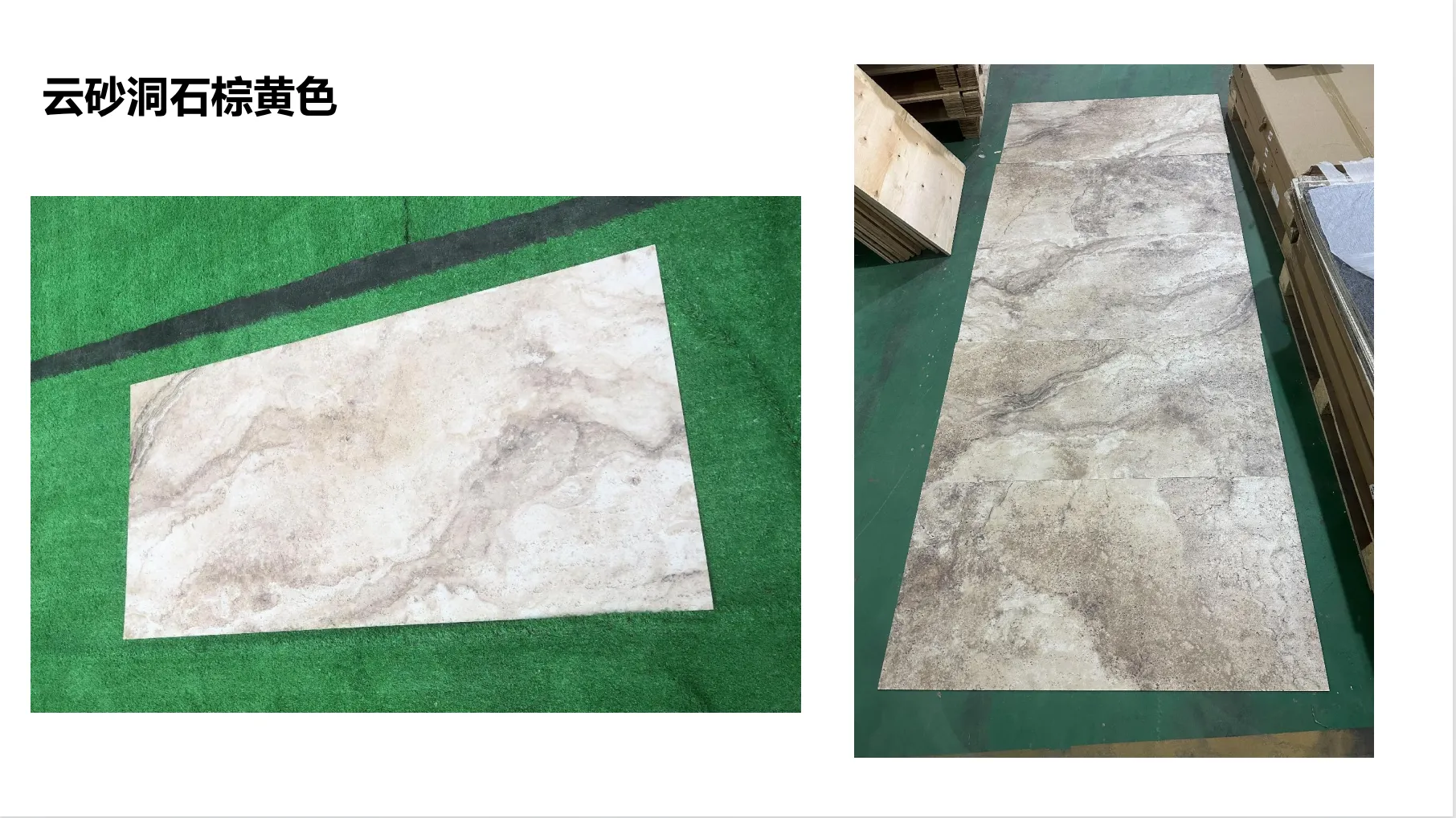
Walk into a stone yard, and you'll find dolomitic travertine in a range of earthy hues. There's dolomitic travertine (dark grey) , with its moody, storm-cloud undertones that add depth to modern spaces, and dolomitic travertine (claybank) , a soft, sunlit beige that feels like bringing a piece of the countryside indoors. Its surface often has tiny pits and grooves—leftovers from the gas bubbles that formed as the stone solidified in mineral springs. These "character marks" give it charm, but they also raise a big question: How do they hold up when life gets messy?
Now, granite. If dolomitic travertine is the approachable, textured friend, granite is the no-nonsense bodyguard of the stone world. Formed deep underground from cooling magma, granite is an igneous rock packed with minerals like quartz, feldspar, and mica. Those minerals interlock tightly as the rock cools, creating a dense, crystalline structure that feels almost indestructible.
Granite comes in a rainbow of styles, from the dramatic Granite portoro —think black stone swirled with gold veins that scream luxury—to the understated elegance of Granite nero margiua , a rich, dark gray with subtle flecks. Unlike travertine, granite's surface is usually smooth and non-porous (when sealed), with a glossy or matte finish that reflects light. It's the stone many homeowners default to for kitchens and entryways, but is its reputation for toughness really earned?
When it comes to measuring a stone's resistance to scratches, the Mohs Hardness Scale is our north star. Developed in 1812, this scale ranks minerals from 1 (talc, which scratches with a fingernail) to 10 (diamond, the hardest known natural material). The higher the number, the harder the stone—and the more it can push back against daily wear.
Let's start with dolomitic travertine. Thanks to that dolomite boost, it's harder than regular travertine (which sits around 3-4 on the Mohs scale). Dolomitic travertine typically lands between 4 and 5. To put that in perspective: A copper penny has a hardness of 3.5, a steel knife blade is about 5.5. So, dolomitic travertine can handle light scratches from keys or soft shoes, but a stray knife drop or a heavy piece of furniture dragged across it? That might leave a mark.
Granite, on the other hand, is a heavy hitter here. Most granite varieties clock in between 6 and 7 on the Mohs scale. To visualize: A steel nail (hardness 4-5) won't scratch granite, but a piece of quartz (hardness 7) might. That's why granite is a staple in commercial kitchens—where pots, pans, and metal utensils are constantly clinking against surfaces. Its tight mineral structure acts like a suit of armor, making it much less likely to show wear from everyday scrapes.
The Mohs scale tells us about mineral hardness, but real life isn't a lab. Let's talk about what actually happens when your kid drops a toy truck on dolomitic travertine (claybank) versus Granite portoro .
Dolomitic travertine, even with its dolomite boost, is still porous. Those tiny pits we mentioned? They're like tiny craters that can trap dirt and make scratches more visible. A sharp object, like a metal chair leg, might not just scratch the surface—it could chip a pit's edge, leaving a noticeable nick. On the flip side, its softer nature means it's less likely to crack under impact (hello, dropped pots!), but scratches? They're not its strong suit.
Granite, with its dense, non-porous surface (when sealed), is a different story. Imagine dragging a metal rake across a gravel driveway versus a smooth concrete patio—that's the difference. Granite's tight grain resists most everyday scratches. Your dog's nails? Probably not a problem. A rogue set of keys? Likely to leave zero trace. The only real threat? Extremely hard materials, like another piece of granite or a diamond-tipped tool. For most households, though, granite acts like a scratch-resistant shield.
Hardness and scratch resistance are crucial, but high-traffic floors face more than just scratches. Spills—coffee, wine, juice—are par for the course. Here's where porosity comes into play. Dolomitic travertine, even with dolomite, is still porous. Without regular sealing (think once every 1-2 years), liquids can seep into those pits and cause stains. A spilled glass of red wine on unsealed dolomitic travertine (dark grey) might not show immediately, but over time, it could darken the stone, leaving a ghostly reminder of the accident.
Granite, when properly sealed, is nearly non-porous. That same glass of wine? Wipe it up within a few minutes, and you'll never know it was there. Sealing granite is less frequent too—usually every 3-5 years—making it a low-maintenance option for busy families. Of course, no stone is entirely stain-proof, but granite buys you time to react, which is half the battle in a chaotic home.
Let's be real: No one wants to spend their weekends babying their floors. Dolomitic travertine, charming as it is, asks for a little extra care. Beyond sealing, you'll need to sweep or vacuum regularly to keep dirt from grinding into those pits (which can cause scratches over time). Mopping? Stick to pH-neutral cleaners—acidic products like vinegar can etch the surface. It's not a dealbreaker, but it's a commitment.
Granite, on the other hand, is the laid-back roommate of flooring. Sweep, mop with mild soap and water, and seal every few years. No special cleaners, no tiptoeing around spills (within reason). It's the kind of stone that lets you focus on living, not maintaining.
Okay, so granite might win the durability contest—but what about looks? Beauty matters, especially in spaces where you spend so much time. Dolomitic travertine has a warmth and texture that feels organic and alive. Dolomitic travertine (claybank) adds a soft, rustic vibe to a farmhouse kitchen, while dolomitic travertine (dark grey) brings modern edge to a minimalist living room. Its imperfections tell a story, making it perfect for those who love character over perfection.
Granite, meanwhile, is all about drama and polish. Granite portoro is like a tuxedo for floors—bold, sophisticated, and impossible to ignore. Granite nero margiua , with its subtle flecks, adds understated luxury to any space. It's the stone for those who want "wow" factor without sacrificing practicality. Plus, its smooth surface reflects light, making rooms feel brighter and more open.
Let's talk numbers. Dolomitic travertine usually falls in the mid-range for natural stone, costing around $5-$10 per square foot (before installation). Granite, being denser and harder to quarry, is pricier—typically $8-$15 per square foot. Installation costs can add another $5-$10 per square foot for both, depending on complexity. So, if budget is a tight constraint, dolomitic travertine might seem tempting. But remember: Cheaper upfront could mean higher long-term costs in sealing and maintenance.
| Feature | Dolomitic Travertine | Granite |
|---|---|---|
| Mohs Hardness | 4-5 | 6-7 |
| Scratch Resistance | Moderate (prone to visible scratches) | High (resists most daily scratches) |
| Porosity | High (needs sealing every 1-2 years) | Low (seal every 3-5 years) |
| Best For | Low-to-moderate traffic (bedrooms, home offices) | High-traffic (kitchens, entryways, living rooms) |
| Aesthetic Vibe | Organic, rustic, textured | Polished, bold, sophisticated |
Let's cut to the chase: For high-traffic floors, granite is the clear champion. Its higher Mohs hardness, scratch resistance, and low porosity make it a workhorse that stands up to kids, pets, and daily chaos. It's not just tough—it's low-maintenance, which is a game-changer for busy households. Unless you're willing to commit to regular sealing and gentle care, dolomitic travertine is better suited for lower-traffic areas where its beauty can shine without constant wear and tear.
That said, if you're obsessed with dolomitic travertine's unique look and don't mind the extra upkeep, go for it! Just be prepared to seal it regularly, sweep often, and treat it with a little extra love. After all, home design is about balance—between practicality and joy.
At the end of the day, choosing between dolomitic travertine and granite isn't just about hardness or scratches—it's about your lifestyle. If your home is a whirlwind of activity and you want a floor that keeps up, granite is your ally. If you prioritize organic texture and don't mind putting in the work, dolomitic travertine could be your perfect match. Whichever you choose, remember: The best floor is one that not only survives your daily life but makes you smile every time you walk on it.
So, next time you're standing in that busy kitchen, coffee in hand, you'll know exactly which stone has your back.
Recommend Products












