


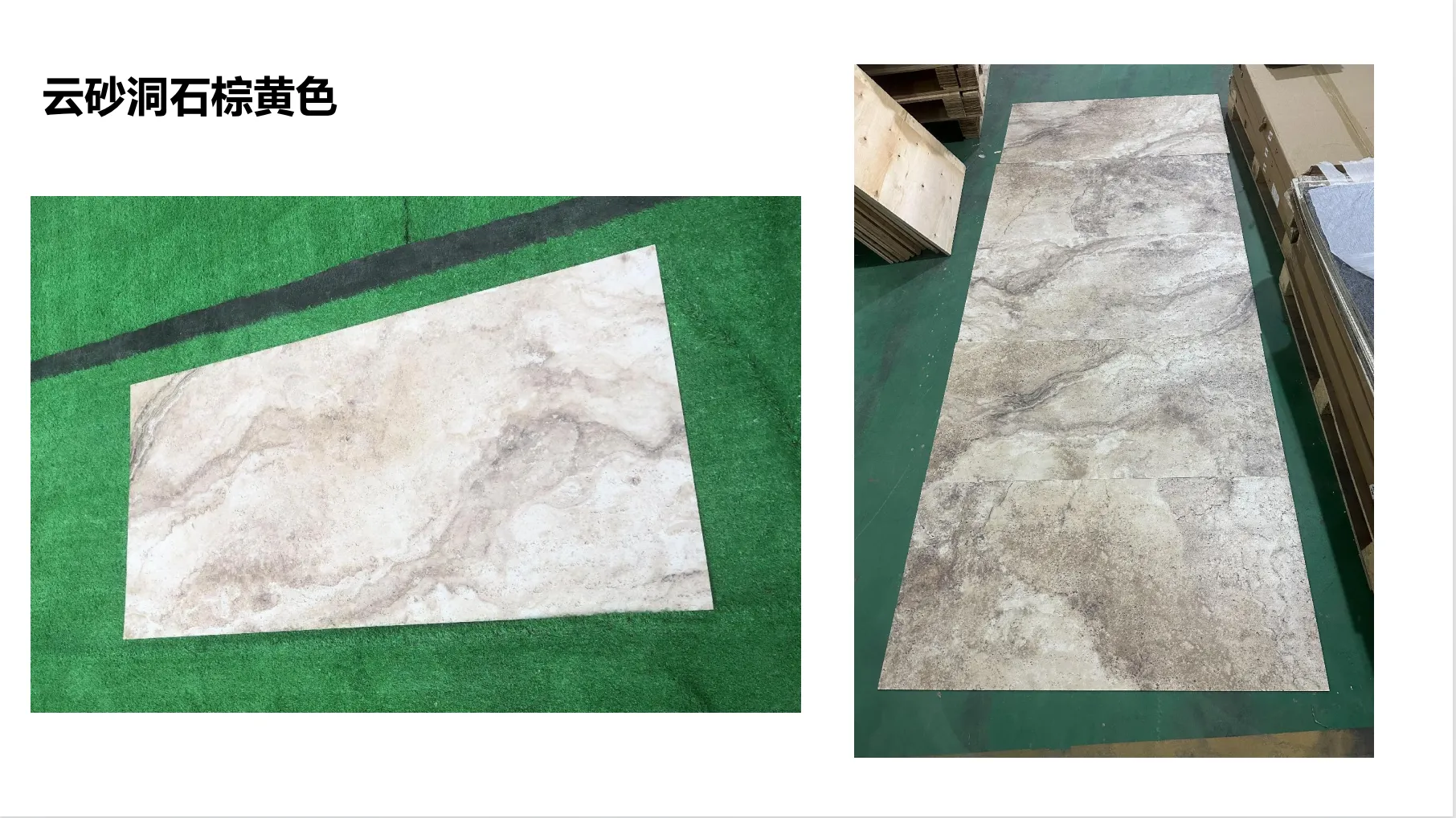
Let's start with dolomitic travertine —a stone that wears its heart on its sleeve. If limestone is the calm, collected sibling, travertine is the free-spirited artist, with a texture that feels like a fingerprint of the earth. But what exactly is it? Travertine, in general, is a type of limestone formed by the rapid precipitation of calcium carbonate from mineral-rich hot springs or rivers. Think of the terraces of Pamukkale in Turkey, where cascading waters have built up layers of travertine over centuries—porous, layered, and full of character.
Dolomitic travertine takes this a step further: it's travertine with a twist of dolomite, a mineral rich in magnesium. This addition of dolomite gives it a slightly harder, more durable structure than traditional travertine, making it a popular choice for both indoor and outdoor use. Now, within the dolomitic travertine family, there are stars—and dolomitic travertine (dark grey) is one of the most sought-after. Picture a deep, moody gray base, swirled with lighter veins that range from soft silver to charcoal, like storm clouds dancing across a twilight sky. It's dramatic without being overwhelming, modern yet rooted in nature.
But dark grey isn't the only player here. There's also dolomitic travertine (claybank) —a warm, earthy variation with tones of terracotta, sand, and soft brown. If dark grey dolomitic travertine feels like a sleek city loft, claybank is a countryside cottage by a fireplace. Both share that signature travertine porosity—those tiny, natural holes that form as gases escape during formation. Some homeowners love these pores for their rustic charm, while others opt to fill them with resin for a smoother, more uniform look (a practical choice for high-traffic areas like kitchen floors).
What truly sets dolomitic travertine apart is its texture. Run your hand over a slab, and you'll feel a subtle roughness, a tactile quality that invites touch. It's not polished to a mirror shine (though it can be honed for a softer glow); instead, it wears its naturalness proudly. This makes it ideal for spaces where you want to add warmth and depth—think a bathroom shower wall, where the stone's pores trap light and create a cozy, spa-like ambiance, or a living room floor that feels grounded and organic underfoot.










