
Choosing the right facade material is like picking the perfect outfit for a building—it's not just about looking good, but also about durability, practicality, and making a statement that lasts. For architects, designers, and property owners, two natural stones often rise to the top of the consideration list: dolomitic travertine and limestone (beige). Both bring unique charm, but when it comes to value for money, which one truly delivers? Let's dive in, break down their pros and cons, and help you decide which stone deserves a spot on your next project's facade.
Before we pit them against each other, let's get clear on what these stones are. They might sound similar, but their origins, compositions, and personalities are surprisingly distinct.
Travertine itself is a type of limestone formed from mineral-rich hot springs, known for its porous texture and earthy tones. But dolomitic travertine? It's like travertine with a strength boost. What makes it different? The magic ingredient: dolomite. This mineral, a combination of calcium and magnesium carbonate, replaces some of the calcium carbonate in the stone, making it denser and more resistant to wear and tear than regular travertine.
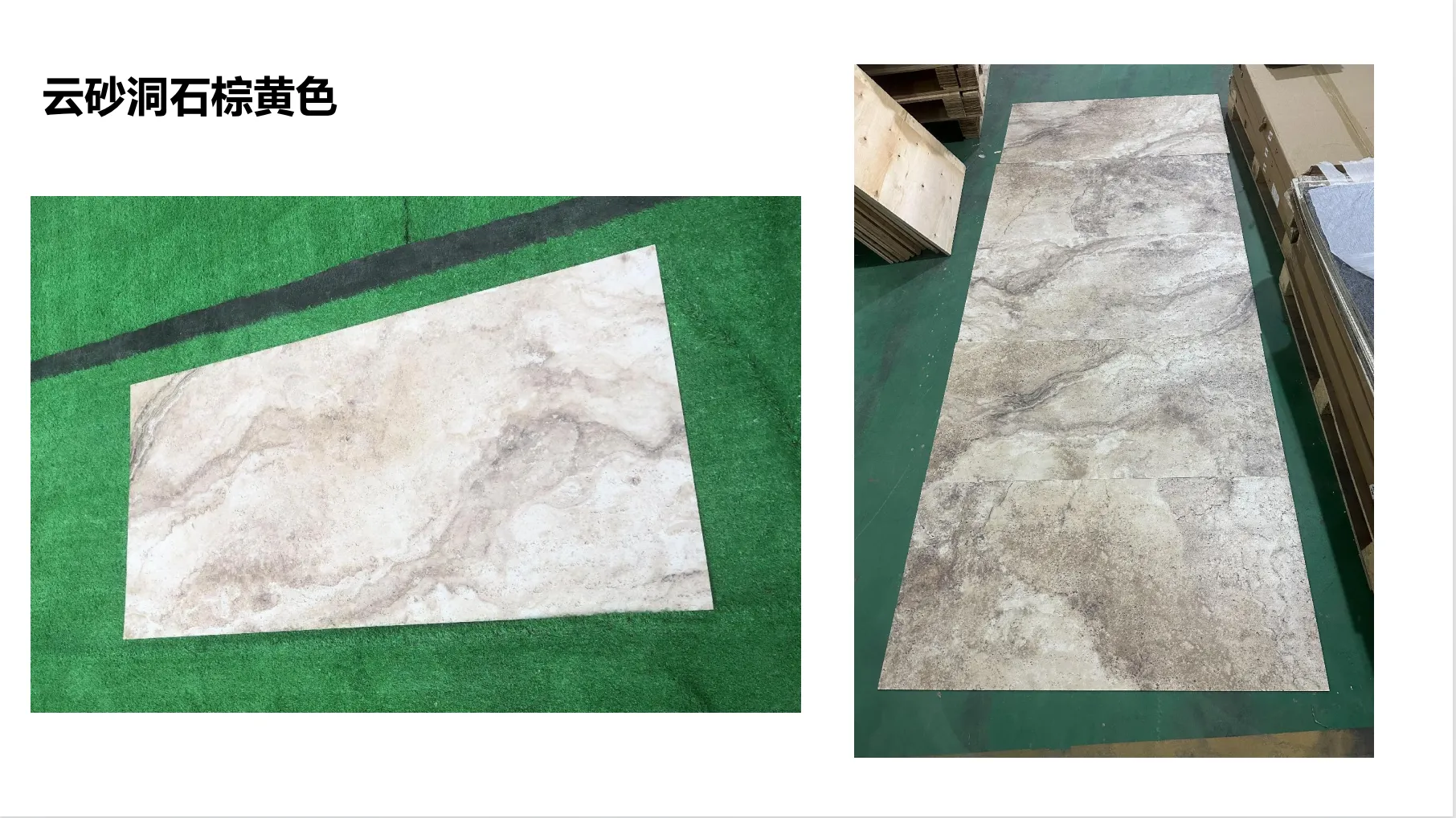
Walk into a stone yard, and you'll likely find dolomitic travertine in a range of hues, but two stand out for facade use: dolomitic travertine (dark grey) and dolomitic travertine (claybank) . The dark grey variety exudes modern sophistication—think sleek office buildings or minimalist homes with a moody edge. Claybank, on the other hand, leans warm and earthy, perfect for projects aiming for a rustic or Mediterranean vibe. Its subtle, terracotta-like undertones add depth without overwhelming a space.
What really sets dolomitic travertine apart is its balance of natural beauty and resilience. Those tiny pores you see? They're not just for show—they give the stone a unique, tactile texture that softens sunlight and adds character. And thanks to that dolomite infusion, it holds up better against rain, wind, and even the occasional stray basketball than standard travertine.
Limestone is the quiet workhorse of natural stones. Formed from the accumulation of marine organisms over millions of years, it's all about understated elegance. And when we talk about limestone (beige) , we're referring to that warm, sandy shade that feels like a hug from the earth—think ancient Greek temples, cozy cottages, and modern commercial buildings aiming for a welcoming vibe.
Beige limestone is beloved for its versatility. Its neutral color acts as a blank canvas, pairing effortlessly with wood accents, metal fixtures, or bold landscaping. Unlike some stones that demand attention, beige limestone complements a space, letting the architecture and surroundings shine. It's also relatively soft compared to dolomitic travertine, which sounds like a downside, but that softness makes it easy to carve, shape, and customize—great for intricate details or unique facade patterns.
But don't let its gentle appearance fool you. High-quality beige limestone is surprisingly tough. It's been used in buildings for centuries (hello, the Great Pyramid of Giza!) and, with proper care, can last just as long today. Its porosity is a double-edged sword, though: while it gives the stone a lovely, natural texture, it also means it's more prone to staining if not sealed regularly.
Now that we know what each stone brings to the table, let's put them side by side. We'll break down the key factors that matter most when choosing a facade material: durability, aesthetics, installation, cost, and maintenance. Spoiler: It's not a clear "winner"—it's all about what your project needs.
| Criteria | Dolomitic Travertine (Dark Grey/Claybank) | Limestone (Beige) |
|---|---|---|
| Durability | High: Dolomite makes it resistant to weathering, scratching, and staining. Lasts 50+ years with proper care. | Moderate to High: Softer than dolomitic travertine but still durable. Lasts 40+ years with sealing and maintenance. |
| Aesthetics | Bold texture, earthy tones (dark grey for modern, claybank for rustic). Pores add depth; unique veining patterns. | Warm, neutral beige; smooth to slightly textured. Timeless, versatile, pairs with most design styles. |
| Installation | Moderate weight; may require stronger structural support. Can be cut to size but needs specialized tools for precision. | Lighter than dolomitic travertine; easier to handle. Softer texture allows for simpler cutting and shaping on-site. |
| Cost | Higher upfront: $15–$30 per sq. ft. (material only). Premium for rare colors (e.g., claybank). | More affordable upfront: $10–$20 per sq. ft. (material only). Widely available, so lower transportation costs. |
| Maintenance | Low: Seal every 3–5 years. Pores can trap dirt, so occasional pressure washing needed. | Moderate: Seal annually. More prone to staining; requires prompt cleaning of spills (e.g., oil, wine). |
Numbers and bullet points only tell part of the story. Let's unpack a few key areas where these stones really differ—and where they might surprise you.
When we talk about durability in facade materials, we're not just talking about how hard the stone is—we're talking about how it holds up against the elements. Dolomitic travertine's dolomite content gives it a higher resistance to acid rain, which is a big deal in urban areas with polluted air. Its density also means it's less likely to absorb water, reducing the risk of cracks from freezing and thawing in cold climates.
Beige limestone, while sturdy, is more porous. In rainy regions, that porosity can lead to water seepage if not sealed properly. But here's the twist: in dry climates, limestone thrives. Without constant moisture, it's less prone to mold growth and staining, and its softness becomes an advantage—no need to worry about chips from freeze-thaw cycles.
Design isn't just about looks—it's about how a building makes people feel. Dolomitic travertine (dark grey) is for projects that want to make a statement. Imagine a sleek, modern art gallery with a dark grey travertine facade: the stone's rough texture contrasts with floor-to-ceiling glass, creating drama and depth. Claybank dolomitic travertine, on the other hand, feels more organic—perfect for a boutique hotel nestled in the mountains, blending into the landscape.
Beige limestone is all about warmth and approachability. A community library wrapped in beige limestone feels inviting, like a place where you'd want to linger. It also plays well with light: in the morning, it glows soft gold; in the evening, it takes on a cozy, amber hue. For historic restorations, beige limestone is often the go-to—it matches the aged, patinaed look of older buildings better than many modern stones.
Here's where things get interesting: both dolomitic travertine and limestone are natural stones, which means they're heavy. That weight can drive up installation costs, especially for tall buildings or structures with weaker foundations. But what if there's a way to get the look of natural stone without the bulk? Enter MCM flexible stone .
MCM (Modified Composite Material) flexible stone is a modern alternative that takes the aesthetic of natural stones like dolomitic travertine and limestone and wraps it in a lightweight, bendable panel. It's thin (often less than 5mm), easy to cut, and can be installed with adhesives instead of heavy mortar. For projects where weight is a concern—like retrofitting an old building or constructing a high-rise—MCM flexible stone can be a game-changer. It mimics the texture and color of dolomitic travertine (dark grey or claybank) or limestone (beige) so closely that most people can't tell the difference at a glance.
Does this mean MCM flexible stone is better than the real thing? Not necessarily. Natural stones have that irreplaceable "soul"—the unique veining, the way they age gracefully over time. But for value-conscious projects that still want that high-end look, MCM flexible stone bridges the gap between cost, practicality, and aesthetics.
Still on the fence? Let's look at two hypothetical (but realistic) projects to see how dolomitic travertine and limestone (beige) perform in the real world.
Imagine a 10-story boutique hotel in downtown Chicago. The design calls for a facade that's bold, contemporary, and able to stand up to harsh winters and city pollution. The architect initially leans toward limestone (beige) for its warmth, but after crunching the numbers, dolomitic travertine (dark grey) wins out.
Why? The hotel is in a busy area, so durability is key. Dark grey dolomitic travertine hides city grime better than beige limestone, reducing maintenance costs. Its natural texture also adds visual interest to the building's geometric design, making it stand out among glass-and-steel neighbors. The higher upfront cost is offset by lower long-term maintenance and the "wow factor" that attracts high-end guests. Plus, the stone's density means it provides better insulation than limestone, cutting down on heating bills in winter.
Now, picture a 1920s cottage in the English countryside, being restored to its former glory. The homeowner wants to preserve the home's charm while updating the facade to withstand modern weather. Here, limestone (beige) is the clear choice.
The original cottage was built with local limestone, so matching the material ensures historical accuracy. Beige limestone's softness allows the contractor to carve replacement stones that match the intricate details of the original facade—think decorative lintels and window sills. The warm, sandy color also blends seamlessly with the surrounding gardens and brick chimneys. While the homeowner will need to seal the stone annually, the lower upfront cost and ability to maintain the home's heritage make it worth it. And in the countryside's mild, dry climate, the limestone's porosity isn't the liability it would be in a rainy city.
At the end of the day, "better value for money" depends on what you prioritize. Let's break it down:
Dolomitic travertine (dark grey, claybank) and limestone (beige) are both exceptional facade materials—they just excel in different scenarios. Dolomitic travertine is the bold, resilient choice for modern, high-traffic buildings where durability and design impact are non-negotiable. Limestone (beige) is the timeless, versatile option that shines in historic restorations, cozy homes, and projects where warmth and customization matter most.
And let's not forget MCM flexible stone, the modern underdog that offers a lightweight, cost-effective alternative for projects where natural stone's weight or price is a barrier. It's a reminder that in architecture, there's rarely a one-size-fits-all solution—only the right solution for your unique project.
So, whether you're designing a skyscraper or restoring a cottage, take the time to weigh your priorities: durability, aesthetics, budget, and location. Both dolomitic travertine and limestone (beige) have stood the test of time for a reason—they're not just stones; they're storytellers. And the best part? No matter which you choose, you're adding a piece of Earth's history to your building's future.
Recommend Products












