
Let's start with a scenario we've all lived (or at least daydreamed) through: You're flipping through a home design magazine, and there it is—the kitchen of your dreams. The backsplash shimmers with the soft, sunlit glow of travertine, its natural pits and veins weaving a story that feels both ancient and alive. The floors? Polished to a warm sheen, they look like they've been pulled straight from a Tuscan villa. You close the magazine, grab your phone, and start Googling "travertine cost." Then your heart sinks. A quick scroll reveals that genuine travertine slabs can run $15–$30 per square foot—before installation. For a 500-square-foot kitchen, that's $7,500 to $15,000 just for materials. Ouch. Suddenly, that Tuscan dream feels like it's slipping through your fingers.
But here's the good news: You don't have to choose between a beautiful home and a balanced budget. Over the years, two materials have emerged as front-runners in the "natural stone lookalike" race: dolomitic travertine and porcelain tiles. Both promise to deliver that coveted earthy, organic aesthetic—without the sky-high price tag of pure natural stone. But which one actually feels like the real thing? Which holds up better in busy households? And which makes the most sense for your specific project, whether it's a bathroom renovation, a living room refresh, or a full home remodel?
Today, we're breaking down the debate. We'll dive into what makes dolomitic travertine and porcelain tiles tick, how they stack up in terms of appearance, texture, durability, and cost, and even throw in a wildcard contender that might just surprise you. By the end, you'll have a clear roadmap to choosing the material that turns your "almost perfect" space into something truly special—without breaking the bank.
Let's start with the underdog. You've probably heard of travertine—those creamy, porous stones that grace luxury hotels and Mediterranean villas. But dolomitic travertine? It's like travertine's more durable cousin, with a few tricks up its sleeve that make it friendlier to budget projects.
Travertine itself is a form of limestone, formed over centuries as mineral-rich hot springs cool and deposit calcium carbonate. Think of it as nature's own art project—each layer, pit, and vein is a fingerprint of the earth's history. Dolomitic travertine, though, has a twist: it's mixed with dolomite, a mineral that adds (hardness) and density. This isn't just a random mix, either. Dolomite forms when magnesium replaces some of the calcium in limestone, creating a stone that's less porous and more resistant to wear than standard travertine. It's like if regular travertine went to the gym—still recognizable, but stronger and more resilient.
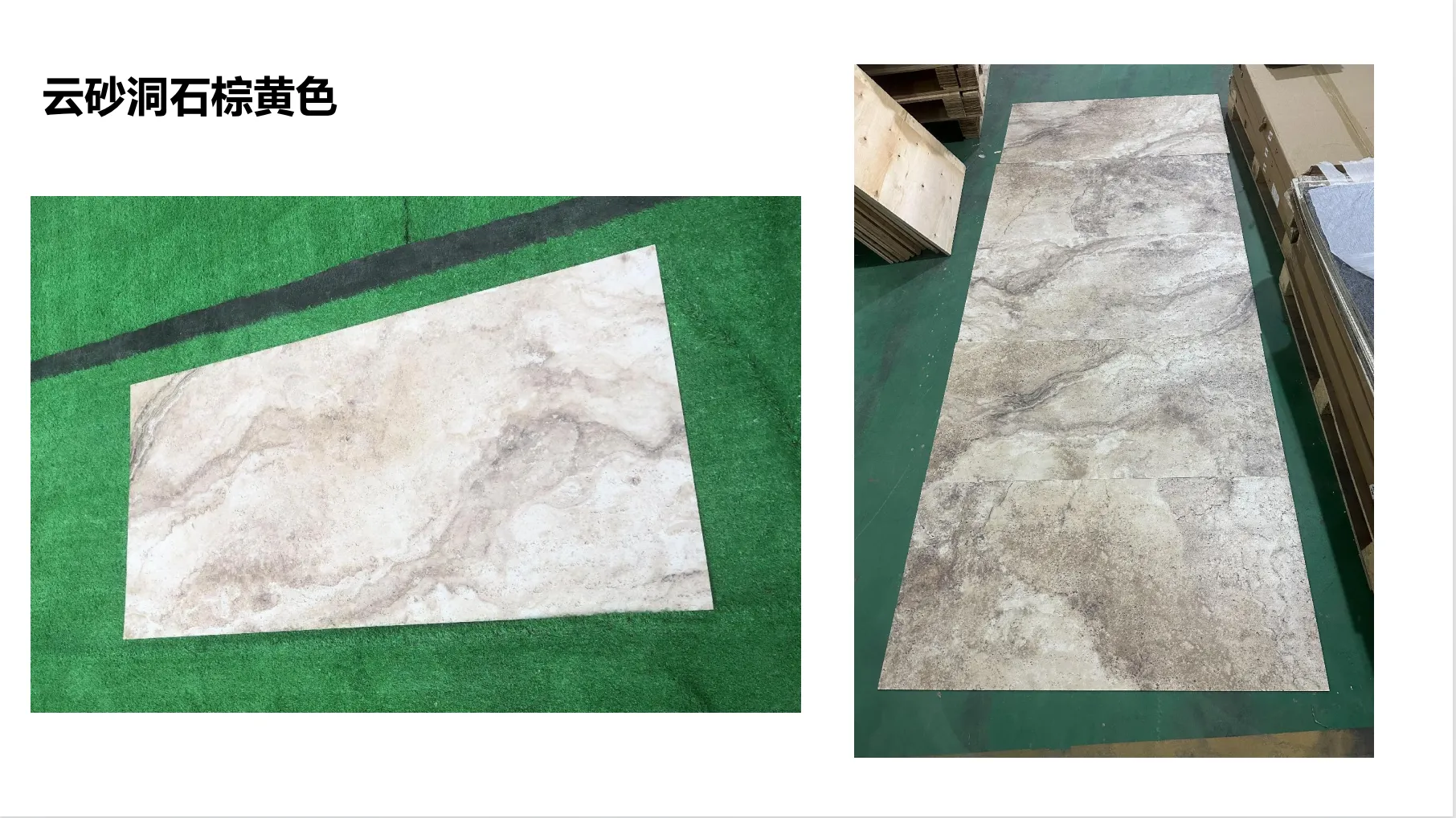
One of the first things you'll notice about dolomitic travertine is its range. While classic travertine leans toward beiges and creams, dolomitic travertine isn't afraid to play with color. Take dolomitic travertine(dark grey) : it's moody, sophisticated, and perfect for adding depth to a minimalist space. Picture it as a backsplash in a sleek, modern kitchen with white cabinetry—the dark grey stone would ground the room, adding just enough edge without overwhelming it. Then there's dolomitic travertine(claybank) : warm, earthy, and reminiscent of sunbaked soil. It's the kind of stone that makes a bathroom feel like a desert oasis or a living room feel like a cozy cabin. And let's not forget the in-between shades—soft taupes, muted greens, and even hints of gold that catch the light just so.
But what really sets dolomitic travertine apart is its authenticity . Unlike printed materials, this is real stone. That means no two pieces are exactly alike. One slab might have a cluster of tiny pits, another a bold, sweeping vein. Some might have a matte finish that soaks up light, while others glow with a subtle sheen. It's this variation that makes dolomitic travertine feel alive—it doesn't just look natural; it is natural. And for many homeowners, that "one-of-a-kind" quality is worth every penny.
Let's talk about texture—the thing that turns a "nice-looking" surface into something you can't help but touch. Run your hand over a slab of dolomitic travertine, and you'll feel it: the slight roughness of the stone, the gentle dips of its pits, the way it warms to your touch. It's not perfectly smooth, and that's the point. Natural stone isn't supposed to be flawless. Those imperfections—tiny cracks, mineral deposits, even the occasional fossilized plant fragment—are what give it character. They tell a story of time, of pressure, of the earth at work.
Compare that to a flat, glossy tile, and you'll see why texture matters. When you walk into a room with dolomitic travertine floors, you don't just see the stone—you experience it. It's the kind of material that invites you to kick off your shoes and feel it beneath your feet. It adds warmth to a space in a way that even the most realistic print can't replicate. For budget projects where "coziness" is key—say, a bedroom or a home office—this tactile quality can make all the difference between a room that feels "put together" and one that feels like yours .
Now, let's shift gears to the heavyweight champion of affordable stone lookalikes: porcelain tiles. If dolomitic travertine is nature's art, porcelain tiles are human ingenuity at its finest. These aren't your grandma's ceramic tiles—modern porcelain has come a long way, and today's options can make even design pros do a double-take.
Porcelain tiles are made from a mix of fine clay, sand, and minerals, fired at extremely high temperatures (around 2,200°F) to create a dense, hard-wearing material. But the real magic happens in the finishing. Thanks to digital inkjet printing and 3D laser technology, manufacturers can now replicate the look and feel of natural stone with stunning accuracy. We're talking about tiles that mimic the exact veining of marble, the pitting of travertine, even the grain of hardwood. It's like having a high-definition photo of stone—except it's a tile that can withstand years of foot traffic, spills, and scrubbing.
Here's the kicker: porcelain tiles aren't limited to one "look." Want the creamy elegance of travertine ? There's a tile for that. Craving the drama of dark granite? Check. How about the warmth of oak or the sleekness of concrete? Porcelain does it all. And because it's man-made, you can find tiles in sizes that natural stone can't match—think 48-inch slabs that minimize grout lines and create a seamless, luxury look. For budget projects, this versatility is a game-changer: you can mix and match styles without worrying about sourcing multiple types of stone.
Let's be honest: early attempts at "stone-look" porcelain tiles were… underwhelming. They looked flat, fake, and about as convincing as a plastic plant. But today? It's a different story. High-resolution printing means that the veins, pits, and color variations of natural stone are reproduced with microscopic detail. Some tiles even have "through-body" color, meaning the pattern goes all the way through the tile—not just on the surface. That way, if the tile chips (which, let's be real, happens), the damage is less noticeable.
Then there's texture. Many porcelain tiles now feature "3D embossing," where the surface is raised and recessed to mimic the actual contours of stone. Run your hand over a travertine-look porcelain tile, and you might feel the same slight bumps and dips you'd find in real travertine. It's not exactly the same—there's a subtle smoothness that gives away the manufacturing process—but for most people, the difference is negligible. And when you factor in the cost savings? Suddenly, "close enough" starts to sound pretty great.
Porcelain tiles aren't a one-size-fits-all product, and that's a good thing. You can find basic stone-look porcelain tiles for as little as $2–$5 per square foot, which is a fraction of the cost of dolomitic travertine. These are perfect for high-traffic areas like entryways or laundry rooms, where durability matters more than perfect mimicry. On the flip side, there are premium porcelain tiles that cost $10–$15 per square foot—still cheaper than most natural stones—and look so realistic that even contractors might do a double-take. These often have better texture, more intricate patterns, and larger sizes, making them ideal for statement walls or focal points.
The best part? No matter which end of the spectrum you choose, porcelain tiles are designed to be low-maintenance. They're non-porous, so they resist stains, mold, and mildew. They don't require sealing, and a quick wipe with a damp cloth is usually all it takes to keep them looking fresh. For busy families, renters, or anyone who hates cleaning, this is a huge win. Porcelain tiles don't just mimic stone—they make stone living accessible, even for those of us who don't have time for fancy maintenance routines.
Okay, so we've covered the basics. Now, let's get down to brass tacks: how do these two materials really compare when you're planning a budget project? To make it easy, we've put together a breakdown of their key features. But first, let's set the stage: you're a homeowner with a $10,000 renovation budget, and you want to redo your kitchen backsplash and floors. You love the look of natural stone, but you can't justify spending $5,000 just on materials. Which one do you choose? Let's find out.
| Feature | Dolomitic Travertine | Porcelain Tiles (Stone-Look) |
|---|---|---|
| Appearance Authenticity | High—genuine stone with unique variations, pits, and veins. | High—modern printing mimics stone closely, but lacks the "imperfect" uniqueness of real stone. |
| Texture | Natural, tactile feel with rough and smooth areas; porous surface. | 3D embossing mimics texture, but surface is often smoother and less porous. |
| Durability | Moderate—denser than standard travertine but still prone to scratches and stains without sealing. | High—extremely dense, scratch-resistant, and water-resistant; ideal for high-traffic areas. |
| Cost (Materials) | $8–$15 per square foot (mid-range). | $2–$15 per square foot (budget to premium). |
| Installation Cost | Higher—requires professional cutting, sealing, and sometimes specialized tools. | Lower—lighter weight, easier to cut, and no sealing required; DIY-friendly for experienced homeowners. |
| Maintenance | High—needs sealing every 1–2 years; porous surface stains easily (wine, oil, etc.). | Low—no sealing needed; stains wipe away with soap and water; resistant to mold/mildew. |
| Eco-Friendliness | Moderate—natural stone, but quarrying and transportation have environmental impact. | Moderate—made from natural materials, but manufacturing is energy-intensive; some brands use recycled content. |
Let's cut to the chase: if you want the exact look of natural stone, dolomitic travertine wins—hands down. There's no substitute for the real thing. The way light plays off its surface, the subtle color shifts, the unique imperfections that make each slab one-of-a-kind—these are things that even the best porcelain tile can't fully replicate. For example, travertine has a "lived-in" quality that feels organic and timeless. It doesn't look "perfect," and that's what makes it beautiful.
But here's the thing: most people won't be inspecting your floors or backsplash with a magnifying glass. From a few feet away, a high-quality porcelain tile can look almost identical to dolomitic travertine. And if you opt for a premium porcelain tile with through-body color and 3D texture? The difference becomes even harder to spot. For budget projects where the goal is to "wow" guests (without them knowing you saved money), porcelain tiles are a solid bet.
Texture is where dolomitic travertine really shines. There's something about the feel of natural stone beneath your fingers or feet that's hard to describe—it's cool, earthy, and alive. The porous surface of dolomitic travertine (even with sealing) has a slight "grip" that feels secure, whether you're walking on it with wet feet or placing a glass on it. It's a sensory experience that porcelain, for all its advancements, can't fully replicate.
Porcelain tiles, by contrast, often have a smoother, more uniform texture. Even with 3D embossing, there's a subtle artificiality to the surface—like running your hand over a well-made fake leather couch. It's convincing, but you can tell it's not the real deal. For some people, this is a dealbreaker; texture is a big part of why they love natural stone. For others? It's a small price to pay for the durability and cost savings that porcelain offers.
Let's talk about real life. If you have kids, pets, or just a busy household, durability isn't a nice-to-have—it's a must. Dolomitic travertine, while harder than standard travertine, is still a natural stone. That means it's porous (even with dolomite mixed in), which makes it prone to staining. A spilled glass of red wine or a dropped jar of tomato sauce could leave a permanent mark if not cleaned up immediately. It's also softer than porcelain, so scratches from furniture legs or pet claws are a real risk.
Porcelain tiles, on the other hand, are built to last. They're fired at such high temperatures that they become almost glass-like in density. Water can't penetrate them, so mold and mildew aren't a concern. They're scratch-resistant, stain-resistant, and even heat-resistant (hello, hot pots right off the stove). In a high-traffic area like a kitchen or entryway, porcelain will outperform dolomitic travertine by a mile. And if you're renting or planning to sell your home in a few years? Porcelain tiles are a safer investment—they'll look new longer, which can boost resale value.
Let's do the math. Suppose you're tiling a 200-square-foot kitchen floor. For dolomitic travertine at $10 per square foot, materials alone cost $2,000. Add in professional installation (around $5–$8 per square foot), sealing ($300–$500), and tools (if you're doing it yourself), and you're looking at $3,000–$4,000 total. Then, factor in maintenance: sealing every 1–2 years ($100–$200 per session) and potential repairs if the stone stains or scratches ($50–$200 per fix). Over 10 years, that's an extra $1,000–$2,000 in upkeep.
Now, porcelain tiles. A mid-range stone-look porcelain tile might cost $6 per square foot, so materials for 200 square feet are $1,200. Installation is cheaper ($3–$5 per square foot), and there's no sealing required. Total upfront cost? $1,800–$2,200. Maintenance? Practically zero—just soap and water. Over 10 years, you're looking at maybe $200 in cleaning supplies. That's a savings of $2,000–$3,000 over dolomitic travertine. For budget projects, that's not just pocket change—it's money you can put toward new appliances, lighting, or that dream backsplash you've been eyeing.
Installing dolomitic travertine isn't for the faint of heart. Natural stone is heavy, brittle, and requires special tools to cut (like a wet saw with a diamond blade). If you're not experienced, you risk cracking the stone or making uneven cuts, which can ruin the look of your project. Plus, dolomitic travertine needs to be sealed before and after installation to prevent staining during the process. For most homeowners, this means hiring a professional installer, which adds to the cost.
Porcelain tiles, by contrast, are lightweight and easier to handle. While you still need a wet saw to cut them (especially for intricate shapes), the process is more forgiving—porcelain is less likely to crack or chip during cutting. Many homeowners with basic DIY skills can tackle a small porcelain tile project (like a backsplash) with confidence. Even if you hire a pro, installation costs are lower because the tiles are lighter and faster to lay. For budget projects where every dollar counts, this can make a huge difference.
Just when you thought the debate was settled, there's another material worth considering: mcm flexible stone . If dolomitic travertine is the "authentic but pricey" option and porcelain is the "durable and affordable" one, MCM flexible stone is like the Swiss Army knife of the group—it tries to do a little bit of everything, and surprisingly, it succeeds.
MCM stands for Modified Composite Material, and it's exactly what it sounds like: a mix of natural stone aggregates (like crushed travertine or marble), polymers, and resins. The result? A thin, lightweight sheet that's flexible enough to bend around curves, yet strong enough to use as flooring, wall cladding, or backsplashes. Think of it as stone that's been given a "flexibility upgrade"—it retains the look and feel of natural stone but loses the weight and brittleness.
MCM flexible stone is designed to mimic natural stone, and it does a pretty convincing job. Because it contains real stone aggregates, the appearance is more authentic than porcelain's printed patterns. The color variations, veins, and texture are all there—no flat, fake-looking surfaces here. And because it's flexible, it can be installed in places where rigid stone or tile can't go: curved walls, columns, or even furniture surfaces.
Texture-wise, MCM flexible stone feels like natural stone—rough in some spots, smooth in others, with that same earthy coolness. It's not quite as porous as dolomitic travertine, but it has enough texture to feel authentic. Plus, it's available in a range of styles, including travertine looks, marble, and even wood grain. For homeowners who want the "real stone" vibe but need something more versatile than traditional slabs, MCM flexible stone is a game-changer.
MCM flexible stone falls somewhere in the middle of the cost spectrum. It's more expensive than basic porcelain tiles (usually $7–$12 per square foot) but cheaper than dolomitic travertine. Installation is easier than natural stone (it can be cut with a utility knife in some cases) but might require a pro for best results. Durability-wise, it's more resistant to cracks and chips than dolomitic travertine, thanks to the polymer binding, but not quite as tough as porcelain. It's water-resistant, though, making it suitable for bathrooms and kitchens.
So, is MCM flexible stone better than dolomitic travertine or porcelain? It depends on your priorities. If you want the look and feel of natural stone, need flexibility in installation, and are willing to spend a bit more than porcelain, MCM could be the sweet spot. It's not as well-known as the other two options, but it's gaining popularity for a reason: it bridges the gap between authenticity and practicality.
Dolomitic travertine isn't for everyone, but there are times when it's the clear winner. Here are the scenarios where this stone shines:
Porcelain tiles are the workhorses of budget projects, and there are plenty of situations where they're the smarter choice:
At the end of the day, the answer depends on what you mean by "better." If by "mimic" you mean "look and feel exactly like natural stone," then dolomitic travertine wins—hands down. It is natural stone, with all the uniqueness, texture, and soul that comes with it. But if "mimic" means "look convincing enough to fool most people, while being more durable and affordable," then porcelain tiles take the crown.
And let's not forget MCM flexible stone. It's a wildcard that offers a compelling middle ground: the authenticity of stone, the flexibility of tile, and a price tag that won't break the bank. If you've never heard of it before, it's worth checking out—you might be surprised by how well it fits your project.
Here's the truth: there's no "perfect" material. Dolomitic travertine has charm but requires care. Porcelain has durability but lacks soul. MCM flexible stone tries to balance both, but it's not as widely available. The best choice is the one that aligns with your priorities, your budget, and the way you live in your home. Whether you choose the earthy warmth of dolomitic travertine, the practicality of porcelain, or the versatility of MCM flexible stone, the most important thing is that your space feels like yours —beautiful, functional, and full of life.
So go ahead—start that renovation. Your dream space (with a little help from stone-look magic) is closer than you think.
Recommend Products












