
There's something about a kitchen that feels like the heart of a home – the clink of mugs in the morning, the sizzle of a pan at dinner, the way light catches the backsplash as you stir a simmering sauce. But beyond aesthetics, your backsplash has a tough job: shielding walls from splatters, steam, and yes, heat. Whether you're a home cook who loves searing steaks or a barista-at-heart who's always boiling water for lattes, heat resistance isn't just a "nice-to-have" – it's a must. Today, we're diving into two standout options for kitchen backsplashes: the earthy charm of dolomitic travertine and the rugged durability of quartzite. Let's break down how they hold up to heat, and which might be the better fit for your space.
If you've ever walked through a historic European villa or a modern boutique hotel and paused to admire a wall that looks like it was carved from a sunset or a storm cloud, chances are you were looking at travertine. Dolomitic travertine is a special variant of this classic stone, with a twist: it's infused with dolomite, a mineral that adds extra density and resilience. Unlike regular travertine, which is primarily calcium carbonate, dolomitic travertine's dolomite content makes it slightly harder and more resistant to wear – a detail that matters when you're dealing with the daily chaos of a kitchen.
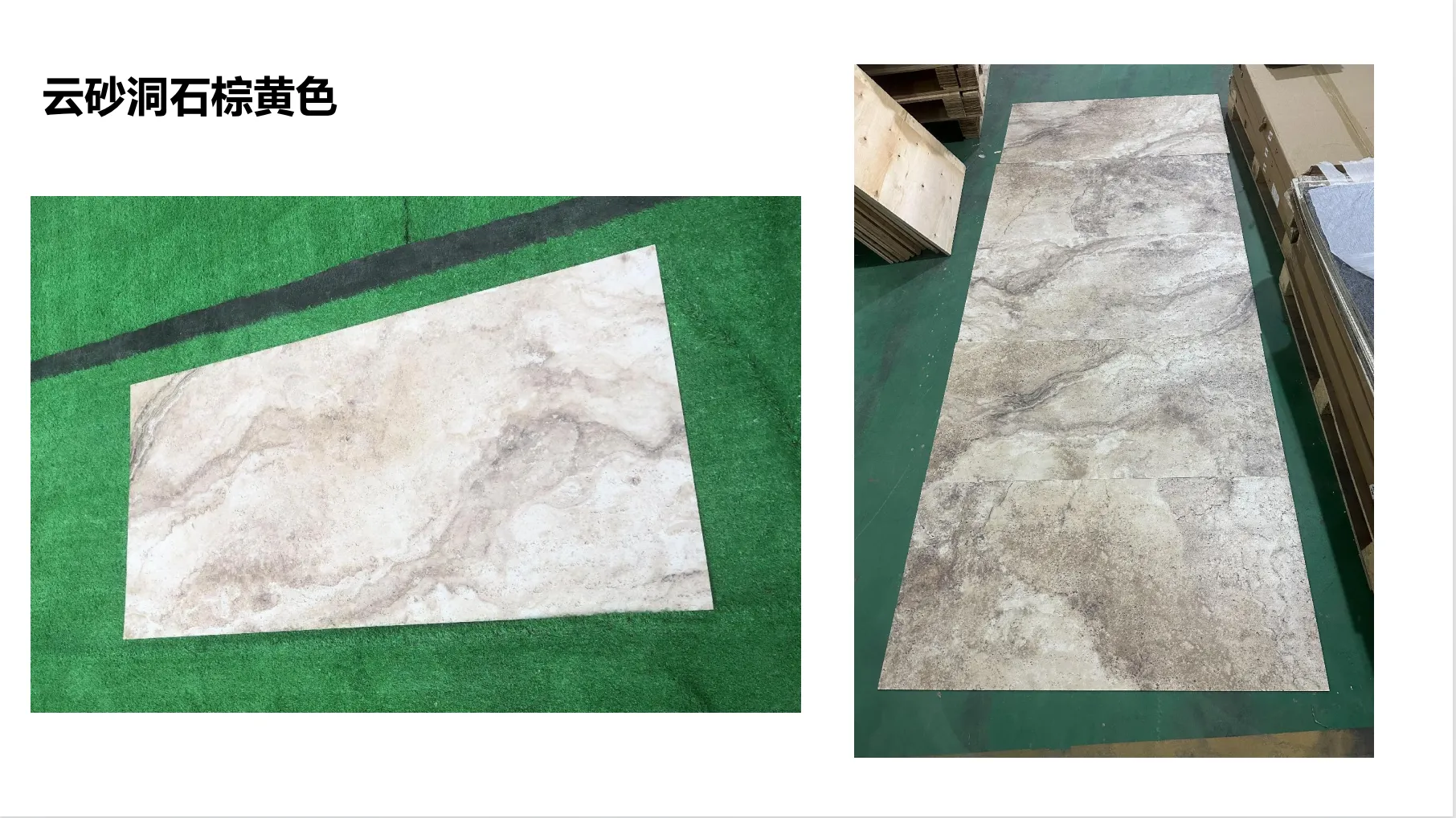
What really sets dolomitic travertine apart, though, is its beauty. It comes in a range of hues that feel both timeless and alive. Take dolomitic travertine (dark grey) , for example. Its deep, moody tones are streaked with lighter veins, like storm clouds breaking over a mountain – perfect if you want a backsplash that adds drama without overwhelming a space. On the flip side, dolomitic travertine (claybank) is all warmth: soft, earthy, and reminiscent of sun-baked soil, with subtle patterns that feel like a quiet nod to nature. Both variants have that signature travertine texture – slightly porous, with tiny indentations (called "vugs") that give it a tactile, organic feel. It's not just a backsplash; it's a conversation piece.
Let's get to the question that matters most: Can dolomitic travertine handle the heat? The short answer is yes – but with caveats. Like most natural stones, travertine is inherently heat-resistant. It forms deep underground, where temperatures are extreme, so a hot pan or a steam burst from a kettle isn't going to make it crack or melt. I've seen homeowners set a 400°F Dutch oven down on their dolomitic travertine backsplash (not recommended, but accidents happen!) and walk away with no visible damage. The stone itself can handle high temps – that's the good news.
The catch? Its porosity. Those tiny vugs and pores we mentioned earlier are great for character, but they can absorb liquids – and heat can exacerbate that. If you spill a hot, sugary sauce (think tomato paste or caramel) and let it sit, the heat might open up the pores, making stains harder to remove later. Similarly, sudden temperature shocks – like splashing cold water on a backsplash that's just been hit with steam from a boiling pot – could potentially cause micro-cracks over time, though this is rare with dolomitic travertine's added density. The solution? Seal it. A good quality stone sealer (applied every 1-2 years) fills in those pores, creating a barrier that keeps heat (and stains) at bay. Think of it like sunscreen for your stone – not mandatory, but highly recommended if you want it to look fresh for decades.
Now, let's talk about quartzite – the other heavyweight in the ring. Unlike travertine, which is sedimentary (formed from layers of mineral deposits), quartzite is metamorphic. It starts as sandstone, then gets crushed and heated deep within the Earth's crust, transforming into a rock so hard, it's often mistaken for marble or granite. If dolomitic travertine is the "artistic soul" of backsplashes, quartzite is the "workhorse." It's dense, non-porous (when properly finished), and built to withstand just about anything – including heat.
Quartzite's heat resistance is legendary. It can handle direct contact with hot cookware without breaking a sweat. I once visited a commercial kitchen where the backsplash was quartzite, and the chefs would regularly lean hot pans against it while plating. After five years, it still looked brand new – no stains, no cracks, no discoloration. Because it's non-porous (or nearly so), heat doesn't open up pores to trap liquids, and sudden temperature changes rarely faze it. It's the kind of stone that laughs at steam, scoffs at splatters, and keeps going.
But here's the trade-off: quartzite lacks some of travertine's warmth. Its patterns are often bold – think sweeping veins of gold, grey, or white – but it has a smoother, more polished feel. It's stunning in a modern or minimalist kitchen, but if you're after that "lived-in" rustic charm, it might feel a touch too sleek. It's also pricier, thanks to its durability and the labor involved in mining and cutting it.
| Feature | Dolomitic Travertine (Dark Grey/Claybank) | Quartzite |
|---|---|---|
| Heat Resistance | High (handles hot pans/steam, but porousness requires sealing) | Very High (non-porous, withstands extreme temps and sudden shocks) |
| Porosity | Moderate (needs sealing every 1-2 years to prevent stains/heat damage) | Low (minimal sealing needed, if any) |
| Appearance | Organic, tactile texture with vugs; earthy tones (dark grey, claybank) with natural veining | Smooth, polished finish; bold, dramatic veining (often gold, white, or grey) |
| Durability | Good (dolomite adds strength, but prone to scratches if not sealed) | Excellent (one of the hardest natural stones; resistant to scratches and chips) |
| Maintenance | Moderate (seal yearly, wipe spills quickly) | Low (occasional cleaning with mild soap; no frequent sealing) |
| Cost | Mid-range ($15-$25 per sq. ft. installed) | High ($25-$40 per sq. ft. installed) |
| Best For | Rustic, bohemian, or Mediterranean-style kitchens; those who value natural texture | Modern, high-traffic kitchens; cooks who want a "set it and forget it" backsplash |
So, which one should you pick? It boils down to how you use your kitchen – and what matters most to you. Let's say you're a home cook who loves experimenting, but you also adore the look of natural, weathered stone. You don't mind spending an hour each year sealing your backsplash, and you're quick to wipe up spills. Dolomitic travertine (dark grey) or claybank could be perfect. It adds warmth, personality, and can handle your daily heat needs with a little TLC.
On the flip side, if you're a busy parent with kids who "help" cook (read: splatter everything), or you host dinner parties where the stove is on from 5 PM to midnight, quartzite might be worth the splurge. It's low-maintenance, tough as nails, and will still look great when your kids are off to college. It's not that one is better than the other – they're just better for different lives.
I talked to a friend, Sarah, who renovated her kitchen last year and chose dolomitic travertine (claybank) for her backsplash. "I was worried about heat at first," she told me. "But I sealed it, and honestly? It's been a rock star. Last month, I accidentally left a hot baking sheet leaning against it while I grabbed oven mitts – no marks. The only time I had a scare was when I spilled red wine (hot from a mulled wine recipe!) and forgot to wipe it for 10 minutes. I panicked, but a little stone cleaner took it right off. Now, I just keep a microfiber cloth by the stove – problem solved." Her kitchen has that cozy, cabin-like vibe, and the travertine ties into her wooden countertops beautifully.
Another homeowner, Mike, went with dark grey dolomitic travertine in his industrial-chic kitchen. "I wanted something that didn't look 'perfect,'" he said. "The vugs and the texture make it feel like it's been there forever. Heat? I've set cast-iron skillets down on it more times than I should admit. No cracks, no issues. Just make sure you seal it – that's the key."
If you do fall for dolomitic travertine, here's how to keep it happy:
1.
Seal it.
Use a penetrating sealer (look for one labeled "for natural stone") right after installation, then every 1-2 years. This fills in pores and prevents heat-related stains.
2.
Wipe spills quickly.
Hot liquids, especially acidic ones (like tomato sauce or lemon juice), can etch the surface if left too long. A quick wipe with warm water and mild soap does the trick.
3.
Use trivets.
Yes, it's heat-resistant, but why risk it? A cute trivet adds style and protects your stone.
4.
Avoid harsh cleaners.
Bleach, ammonia, or abrasive scrubbers can wear down the sealer. Stick to pH-neutral stone cleaners.
At the end of the day, choosing between dolomitic travertine and quartzite isn't just about heat resistance – it's about what feels like "you." If you want a backsplash that tells a story, with the warmth of natural stone and the character of centuries of formation, dolomitic travertine (dark grey) or claybank is a fantastic choice. It's heat-resistant enough for daily life, and with a little care, it will age beautifully, developing a patina that makes your kitchen feel uniquely yours.
Quartzite, on the other hand, is the safe bet for durability and low maintenance. It's the kind of stone that will outlast trends and stand up to even the busiest kitchens. But if you're willing to put in a little effort for a backsplash that feels like a piece of nature brought indoors, dolomitic travertine might just steal your heart – and handle the heat while it's at it.
After all, a kitchen isn't just a place to cook – it's a place to live. And your backsplash? It should be as resilient, warm, and full of character as the life that happens around it.
Recommend Products












