
Choosing the right natural stone for your home or commercial space is more than just picking a pretty color—it's about balancing beauty with practicality. Two stones that often top the list for their unique charm are dolomitic travertine and dark grey quartzite. Both bring distinct character to interiors, but when it comes to hardness and maintenance, they couldn't be more different. Let's dive into what makes each stone tick, how they hold up in daily life, and which one might be the better fit for your project.
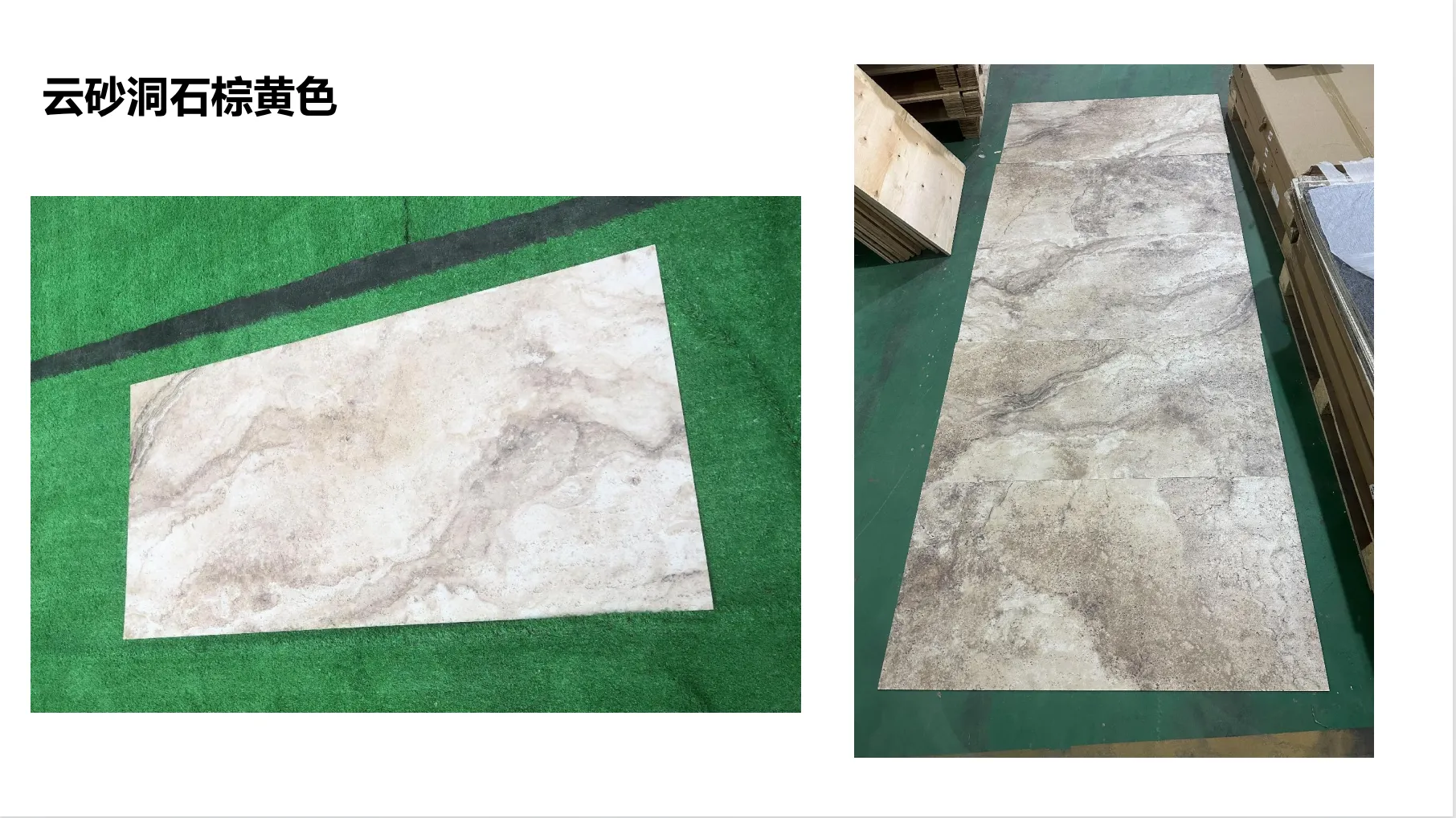
Dolomitic travertine isn't just a stone—it's a piece of Earth's history, formed over centuries by mineral-rich water flowing through limestone deposits. What sets it apart is its signature pitted texture, tiny cavities left behind by gas bubbles during formation, which give it a warm, organic feel. Unlike traditional travertine, which is primarily calcium carbonate, dolomitic travertine gets its name from its high dolomite content (a mineral similar to limestone but with magnesium), making it slightly denser than its calcium-based cousin.
Walk into a space clad in dolomitic travertine (claybank) , and you'll be greeted by soft, earthy tones—think warm beiges and muted terracottas that evoke sun-baked landscapes. On the other hand, dolomitic travertine (dark grey) leans into moodier territory, with deep, smoky hues that add drama without feeling heavy. Both variations carry the stone's hallmark texture: a mix of smooth surfaces and subtle indentations that catch light and shadow, creating depth that polished stones often lack.
But here's the thing about dolomitic travertine: its beauty comes with a trade-off. Those charming pits? They're also pores, making the stone more susceptible to stains and scratches than harder alternatives. That doesn't make it "weak"—just… high-maintenance, like a vintage leather jacket that needs extra care to stay looking its best.
If dolomitic travertine is the cozy storyteller, dark grey quartzite is the bold, resilient protagonist. Quartzite forms when sandstone is subjected to intense heat and pressure deep within the Earth, recrystallizing its quartz grains into a dense, hard stone. The result? A material that's not just tough but visually striking—dark grey quartzite often features swirling patterns of silver, charcoal, and even hints of gold, like a storm cloud frozen in time.
Unlike travertine, quartzite has a smooth, glassy surface (though some varieties retain a honed finish for a softer look) and a density that makes it resistant to scratches, chips, and stains. It's the kind of stone that can handle a busy kitchen, a high-traffic hallway, or even outdoor use without losing its luster. Think of it as the workhorse of natural stones—beautiful, but built to last.
Hardness isn't just a technical term—it's about how a stone holds up to the chaos of daily life. Kids racing through the house with toy trucks, pets scratching at the floor, a heavy dining chair dragged across the room—these are the moments that test a stone's mettle. To measure this, we use the Mohs Hardness Scale, which rates minerals from 1 (softest, like talc) to 10 (hardest, like diamond).
| Property | Dolomitic Travertine | Dark Grey Quartzite |
|---|---|---|
| Mohs Hardness | 3–4 (Softer; similar to a copper penny) | 7–8 (Harder; comparable to glass) |
| Scratch Resistance | Low: Susceptible to scratches from keys, pet claws, or heavy furniture | High: Resists most everyday scratches; may only scratch under extreme force |
| Porousness | High: Pores and pits absorb liquids easily | Low: Dense structure limits liquid absorption |
Let's put this in real terms: If you drop a metal spoon on dolomitic travertine, there's a good chance it'll leave a small scratch. Do the same on dark grey quartzite, and the spoon might chip before the stone does. For high-traffic areas like kitchen floors or entryways, quartzite's hardness is a clear win. But for low-traffic spaces—say, a bedroom accent wall or a powder room—dolomitic travertine's softness is less of a liability and more of a chance to showcase its unique texture.
Hardness is just one piece of the puzzle—maintenance is where the rubber meets the road. A stone that looks stunning but requires hourly upkeep won't stay beautiful for long. Let's break down what it takes to keep dolomitic travertine and dark grey quartzite looking their best.
Dolomitic travertine is like a houseplant that thrives with attention—it needs regular care to avoid looking wilted. Here's what you're signing up for:
Is it a lot? Maybe—but for many, the payoff is worth it. A well-maintained dolomitic travertine floor or wall ages beautifully, developing a patina that adds character over time. It's the kind of stone that feels lived-in, not just installed.
Dark grey quartzite is lower-maintenance than dolomitic travertine, but that doesn't mean it's invincible. Even tough stones need a little love to stay in top shape:
For busy households or commercial spaces where time is tight, quartzite's "set it and mostly forget it" vibe is a game-changer. It's the stone you can trust to look good with minimal fuss, even on the busiest days.
Now that we've covered hardness and maintenance, let's talk about where each stone truly belongs. Because even the most beautiful stone will fall flat if it's not suited to its role.
Thanks to its softness and need for regular care, dolomitic travertine thrives in spaces where foot traffic is light and spills are rare. Think:
Dark grey quartzite's toughness makes it ideal for spaces that see a lot of action. Here's where it excels:
At the end of the day, choosing between dolomitic travertine and dark grey quartzite comes down to your priorities. Do you value texture and organic charm over convenience? Dolomitic travertine might be your match, as long as you're willing to put in the maintenance work. Are you after a stone that can keep up with a busy lifestyle without losing its shine? Dark grey quartzite is the clear front-runner.
And remember: there's no "wrong" choice here. Both stones bring unique beauty to a space, and with the right care, either can be a stunning, long-lasting addition to your project. Whether you're drawn to the weathered elegance of dolomitic travertine (dark grey) or the sleek durability of dark grey quartzite, the key is to pair the stone with your lifestyle—and enjoy the natural artistry it brings to your home.
After all, great design isn't just about what looks good—it's about what works for you .
Recommend Products












