
When you're planning an exterior landscaping project—whether it's a backyard patio, a garden pathway, or the facade of your home—choosing the right material is about more than just looks. It's about longevity. You want that patio to still look polished after a decade of rainstorms, that pathway to avoid cracking when winter freezes hit, and that facade to retain its character even as the sun beats down year after year. Two materials that often top the list for their natural beauty are dolomitic travertine and sandstone. But how do they hold up when the elements come calling? Let's dive into their weathering rates, what causes them to degrade, and which might be the better fit for your next project.
Before we compare their weathering, let's make sure we're on the same page about what dolomitic travertine and sandstone even are. They're both natural stones, but their origins and compositions are as different as a mountain stream and a desert dune—and that difference matters a lot when it comes to how they wear over time.
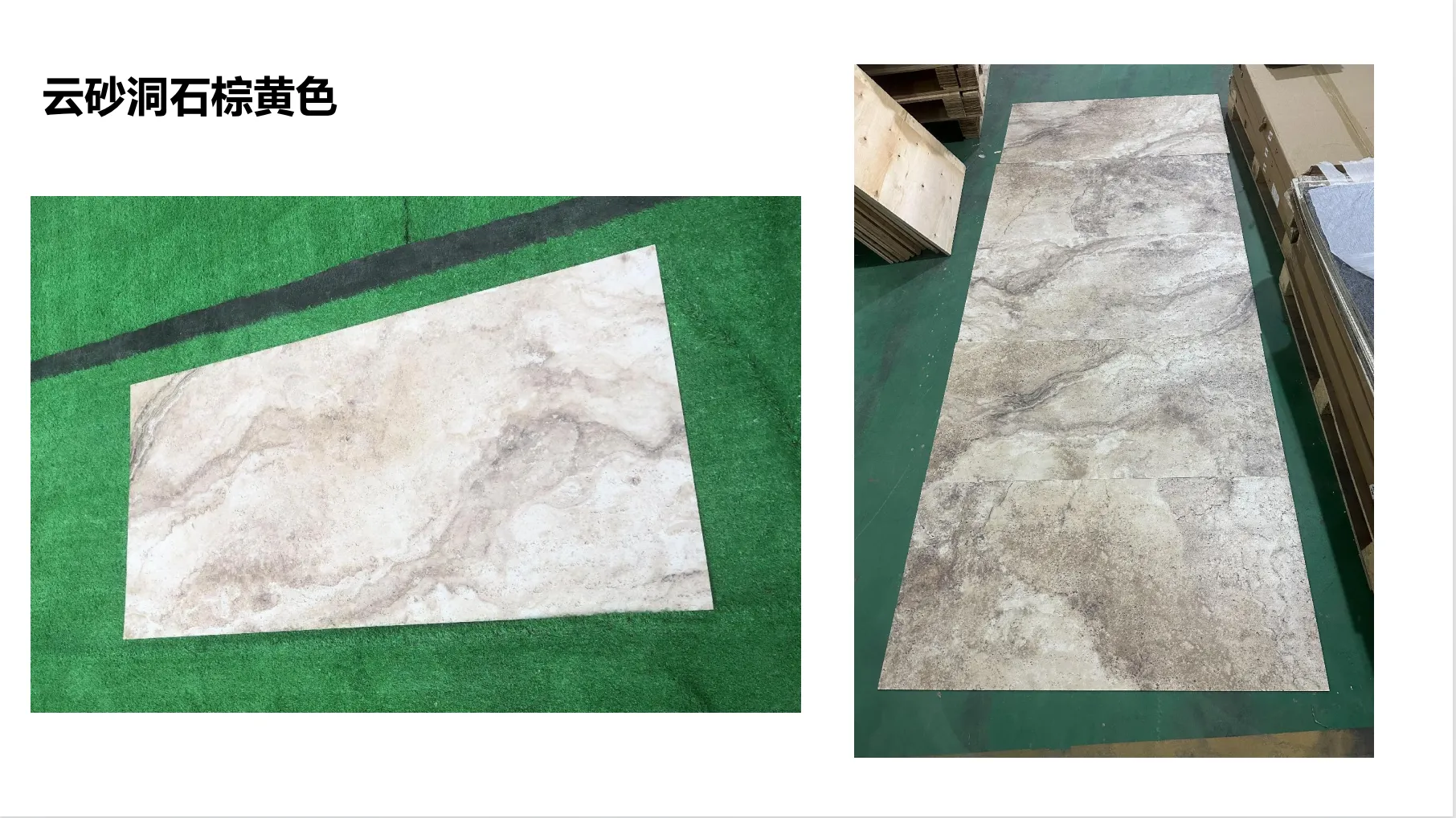
Travertine itself is a type of limestone, formed from mineral-rich water (think hot springs or caves) depositing calcium carbonate over time. But dolomitic travertine isn't your average travertine. It has a secret ingredient: dolomite. Dolomite is a mineral made of calcium magnesium carbonate, which gives this stone a harder, more resilient structure than standard travertine (which is mostly calcite, a softer calcium carbonate mineral). You'll often see dolomitic travertine in shades like claybank—a warm, earthy tone—or dark grey, which adds a modern edge to outdoor spaces. Unlike some highly polished stones, dolomitic travertine usually has a matte or slightly textured finish, which not only looks natural but also provides grip, making it a smart choice for areas prone to rain or pool splashes.
What makes dolomitic travertine stand out? Its composition. That magnesium in dolomite makes it more resistant to acids than pure calcite travertine. Acids—from rainwater (which is slightly acidic), bird droppings, or even fertilizer runoff—can eat away at calcite, but dolomite holds its ground better. It's still porous, though—those little holes and pits you see on its surface are part of its charm, but they also mean water can seep in if not sealed properly. More on that later.
Sandstone, on the other hand, is a sedimentary rock with a backstory as old as the rivers and deserts that formed it. It's made of tiny sand-sized grains—mostly quartz, but sometimes feldspar, mica, or other minerals—cemented together over millions of years by natural glues like calcium carbonate, silica, or iron oxide. The type of cement and the size of the grains determine how hard or soft the sandstone is. For example, sandstone cloude, with its cloud-like, swirled patterns, gets its unique look from varying grain sizes and mineral deposits, giving it a dreamy, almost painterly quality.
Sandstone's texture can range from smooth to rough, depending on how it's cut. Some varieties feel like walking on a beach, while others have a more rugged, hewn appearance. But here's the thing: sandstone is generally more porous than dolomitic travertine. Those spaces between the sand grains? They're like tiny sponges, soaking up water and whatever else comes their way. And while that porosity can make it feel cool underfoot on hot days (a plus for pool decks), it also makes sandstone more vulnerable to weathering if not cared for.
Weathering isn't just about things looking "old"—it's a slow, steady breakdown caused by the environment. Think of it as the earth's way of gently (or not-so-gently) remodeling your stone over time. To understand how dolomitic travertine and sandstone hold up, let's meet the main culprits:
Water is everywhere—in rain, snow, dew, even the humidity in the air. When it seeps into stone pores, it can cause two big problems: freeze-thaw damage and dissolution. In cold climates, water trapped in pores freezes, expands by about 9%, and pushes against the stone from the inside. Over time, this can crack or spall the surface (that's when little flakes or chunks break off). In warmer climates, water still causes issues by carrying dissolved minerals or acids into the stone, slowly eating away at the cement that holds everything together.
Stones expand when heated (think summer sun baking a patio) and contract when cooled (nighttime chills). This constant back-and-forth can stress the stone's structure, especially if it's already weakened by cracks or porosity. Dark-colored stones, like dark grey dolomitic travertine or some sandstones, absorb more heat than light ones, which can amp up this effect.
Acid rain is a big one—even "clean" rain has a pH of around 5.6, which is slightly acidic. In industrial areas, that pH can drop lower, making the rain more corrosive. Then there are other chemicals: fertilizer from your garden, bird droppings, even the salt you use to melt ice in winter. These can react with the minerals in stone, breaking them down into powdery residues or discolored stains.
Plants and microbes love porous stone. Moss, lichen, and algae can take root in those tiny pores, their roots (or filaments) prying apart the stone as they grow. They also produce acids that further break down the surface, leaving green or black stains that are tough to remove without damaging the stone.
Now, let's put these two head-to-head. To make it easier, here's a breakdown of how they stack up against the main weathering factors, plus what you'll actually see when they start to wear:
| Factor | Dolomitic Travertine | Sandstone (e.g., Sandstone Cloude) |
|---|---|---|
| Composition | Calcium magnesium carbonate (dolomite) with some calcite; harder, more acid-resistant than pure calcite travertine. | Quartz sand grains cemented by calcium carbonate, silica, or iron oxide; cement type determines hardness (silica-cemented is hardest). |
| Porosity | Moderate porosity (5-15% void space); pores are often interconnected but smaller than sandstone's. | High porosity (10-30% void space); larger pores between sand grains, more absorbent. |
| Water Resistance | Good when sealed; dolomite resists dissolution better than calcite, but standing water can still cause staining or freeze-thaw damage. | Fair to poor without sealing; absorbs water quickly, increasing risk of freeze-thaw cracks and mineral leaching. |
| Acid Resistance | Better than standard travertine; dolomite reacts slower to weak acids (rain, bird droppings) but can still etch if exposed long-term. | Depends on cement: calcium carbonate-cemented sandstone is vulnerable to acids; silica-cemented is more resistant but still prone to staining. |
| Temperature Resistance | Good; moderate thermal expansion/contraction, less likely to crack from sudden temperature swings. | Fair; higher porosity leads to more expansion when heated, increasing risk of spalling in extreme heat/cold cycles. |
| Biological Growth | Moderate risk; porous enough for moss/lichen but less so than sandstone. Regular cleaning helps prevent buildup. | High risk; very porous, ideal for microbial growth. Can lead to green stains and surface pitting if unchecked. |
| Typical Weathering Signs | Minor etching (dull spots from acids), slight color fading, occasional small chips at edges. | Surface erosion (grains loosening), deep staining, cracks from freeze-thaw, moss/lichen coverage, color darkening from water absorption. |
| Expected Lifespan (Outdoor, Sealed) | 20-30+ years with proper maintenance. | 15-25 years with proper maintenance; some softer varieties may need replacement sooner in harsh climates. |
Let's unpack that table a bit. Dolomitic travertine's edge comes down to its mineral makeup and lower porosity. That dolomite backbone makes it more resistant to the slow acid attack of rain and pollution, while its smaller pores mean less water gets trapped, reducing freeze-thaw damage. Sandstone, especially varieties like sandstone cloude with calcium carbonate cement, is more like a sponge—great for breathability, but that breathability comes with a cost when the elements strike.
But here's the catch: none of this matters if you skip maintenance. Even the toughest dolomitic travertine will start to show wear if you never seal it or let dirt and grime build up. And a well-cared-for sandstone can outlast a neglected travertine. It's all about matching the material to your climate and commitment to upkeep.
Choosing between dolomitic travertine and sandstone isn't just about weathering—it's about how they fit into your space. Let's talk about where each material really shines (and where it might struggle).
Dolomitic travertine is a workhorse in outdoor design, especially in areas with moderate to high rainfall, temperature swings, or foot traffic. Here are its sweet spots:
But dolomitic travertine isn't perfect everywhere. In extremely acidic environments—like near industrial areas with heavy air pollution or regions with frequent acid rain—it may still etch over time. And while it's durable, it's not indestructible: heavy furniture dragged across it can scratch the surface, so felt pads are a must.
Sandstone, with its artful patterns and warm, earthy tones, is all about creating a vibe. It's best suited for areas where beauty takes precedence over heavy wear, or where you're willing to put in the maintenance to keep it looking fresh:
Sandstone struggles in high-moisture, low-maintenance environments. If you live in a rainy area and don't want to seal your stone every 1-2 years, sandstone might start to look worn within 5-7 years. It's also not ideal for driveways or areas with heavy vehicles, as the weight can crush the softer cement holding the grains together.
Let's be real: no outdoor stone is "set it and forget it." Even the toughest materials need a little love to stay looking their best. Here's how to keep dolomitic travertine and sandstone in top shape:
Dolomitic travertine is relatively low-maintenance, but a little effort goes a long way:
Sandstone needs a bit more TLC, but it's worth it for that unique, natural look:
Numbers and tables are helpful, but nothing beats hearing about real projects. Let's look at two examples of dolomitic travertine and sandstone in action, years after installation.
In Portland, Oregon—a city known for rain, rain, and more rain—a homeowner installed a dolomitic travertine patio (claybank color) in 2015. They sealed it upon installation and resealed it in 2018 and 2022. Today, eight years later, the patio still looks fresh. There are a few minor etch marks near the grill (from years of burger grease and lemon spills), but the color is consistent, and there's no sign of cracking or spalling, even after harsh winters with freeze-thaw cycles. The homeowner notes, "We were worried about all the rain, but the sealer really does its job. We sweep it off every week, and it still looks like the day we put it in."
Down the street, another homeowner chose sandstone cloude for their patio around the same time. They sealed it initially but skipped resealing for five years. By 2020, the sandstone had developed dark water stains, and moss was growing in the grout lines. A pressure wash in 2021 helped, but it also loosened some surface grains, leaving the stone looking slightly pitted. "I love the way it looks, but I wish I'd kept up with sealing," they said. "Now we seal it every year, and it's holding steady, but it's not as pristine as the travertine next door."
In Phoenix, Arizona—where temperatures soar above 100°F in summer and monsoon rains hit hard—a commercial plaza used dark grey dolomitic travertine for its walkways and sandstone cloude for accent walls. Over 10 years, the travertine has held up remarkably well. The heat hasn't caused cracking, and the monsoon rains (though intense) haven't led to significant staining, thanks to annual sealing. The only noticeable change is a slight lightening of the dark grey color, which the designers say "adds character, like a well-worn leather jacket."
The sandstone cloude accent walls, however, tell a different story. While the silica-based cement has made them more resistant to heat, the porous surface absorbed rainwater during monsoons, leading to mineral leaching (those white, powdery deposits you sometimes see on stone). The plaza maintenance team now power washes the walls annually and applies a color-enhancing sealer to mask the leaching, but it's an ongoing battle. "If we had to do it again, we might use travertine for the walls too," the facilities manager admits. "But the sandstone's unique look is worth the extra work for now."
At the end of the day, dolomitic travertine and sandstone are both beautiful, natural choices for exterior landscaping—but they're not interchangeable. Dolomitic travertine is the reliable, low-maintenance friend who shows up year after year, looking good with minimal effort. Sandstone is the artistic soul, full of character and stories, but it needs a little more attention to keep that sparkle.
When deciding, ask yourself: What's my climate like? (Rainy? Dry? Freezing winters?) How much time am I willing to spend on maintenance? (An hour every few years, or a weekend annually?) And what vibe am I going for? (Modern and sleek? Rustic and earthy?) If you want durability and ease, dolomitic travertine is your best bet. If you're drawn to sandstone's unique patterns and don't mind rolling up your sleeves to care for it, go for it—just seal it, clean it, and enjoy its evolving beauty.
Whichever you choose, remember: stone is alive in its own way. It will weather, it will change, and that's part of the charm. A chip here, a faded spot there—they're not flaws, but reminders that your outdoor space is part of the natural world, growing and aging gracefully alongside you. And isn't that the point of landscaping? To create something that feels alive, not just built?
So go ahead—pick the stone that speaks to you, care for it well, and watch it turn your house into a home, one weathered year at a time.
Recommend Products












