
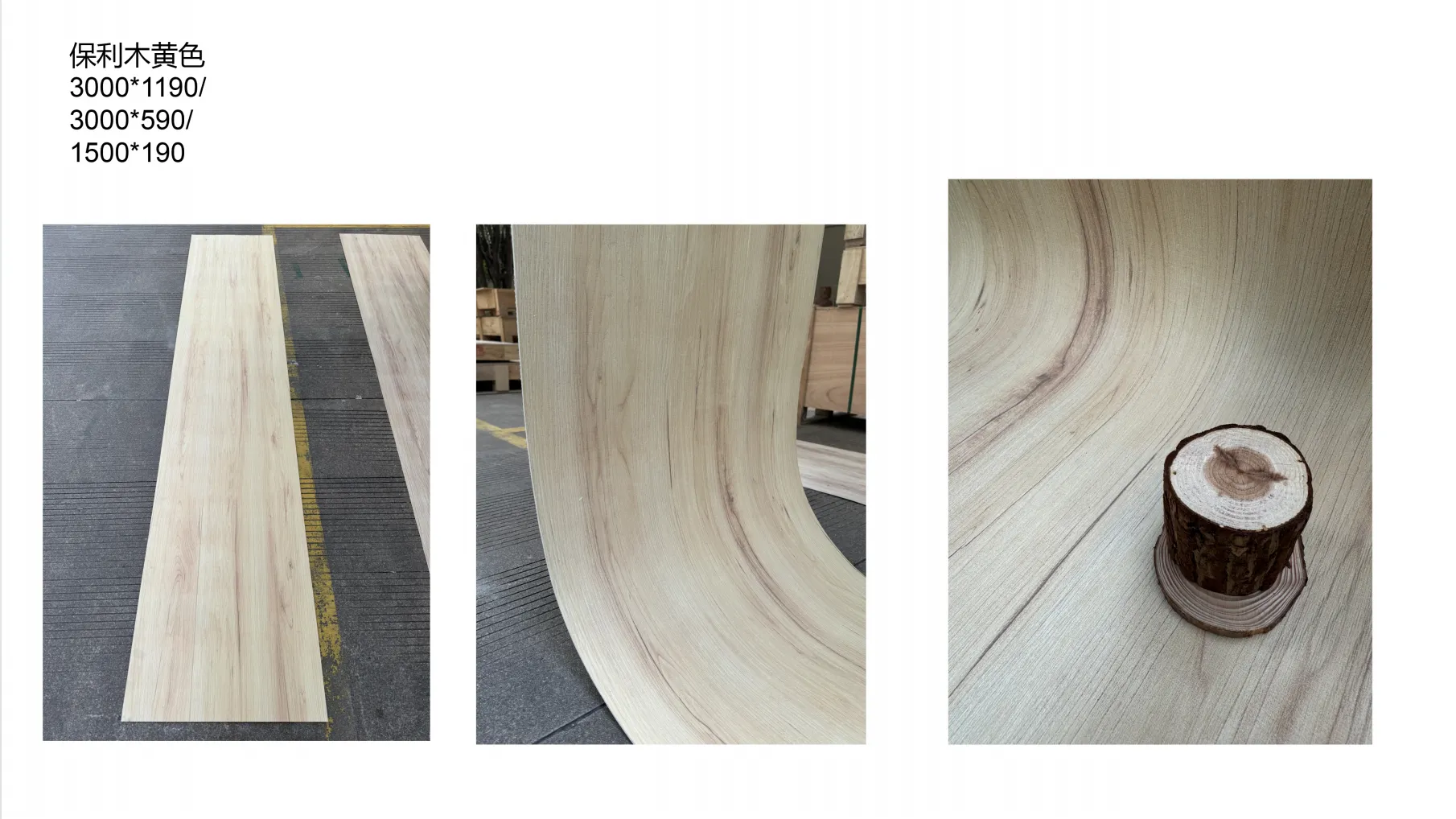
If you're picturing cheap plastic decking that feels flimsy and looks fake, think again. Poly Wood Board is a high-tech composite material that blends recycled plastic (think milk jugs and detergent bottles) with reclaimed wood fibers. The result? A material that borrows the best from both worlds: the natural look and texture of wood, with the weather resistance of plastic. But it's not just a simple mix. Manufacturers use advanced extrusion processes to bind the materials at the molecular level, creating a board that's dense, strong, and surprisingly heavy—no more flimsy planks that rattle in the wind.
"It's like if wood and plastic had a super-strong baby," jokes Tom Carter, a materials engineer who's worked in composite technology for 15 years. "We're talking about a material that doesn't splinter, doesn't rot, and won't fade in the sun. Traditional wood needs constant maintenance—staining, sealing, replacing boards—but Poly Wood Board? It's designed to outlast the elements, not just survive them."
To understand why Poly Wood Board stands up to extreme weather, let's break down its DNA. First, the plastic component: it's impervious to water, so rain, snow, and humidity can't seep in and cause rot or mold. Then there's the wood fiber, which adds structural strength and that warm, natural texture we love in wood. But the real magic is in the additives. Manufacturers mix in UV stabilizers to fight sun damage, antioxidants to prevent degradation, and even mildew inhibitors for extra protection in damp climates. The result is a material that's not just tough—it's engineered to be tough.
Take freeze-thaw cycles, for example. Traditional wood absorbs water, which expands when it freezes, causing cracks. Poly Wood Board? It absorbs less than 0.5% water (compared to 15-20% for untreated wood), so there's no water to expand and break the material. In lab tests, samples are frozen to -20°F, thawed, and repeated 50 times— Poly Wood Board comes out with zero cracks or warping. "It's like building with a material that's already seen the worst and laughed," says Carter.
Sure, lab tests sound impressive—but how does Poly Wood Board hold up when Mother Nature really throws a tantrum? Let's take a tour of some of the planet's most extreme environments, where Poly Wood Board has proven its mettle.
In Phoenix, Arizona, summer temperatures regularly hit 120°F, and the sun's UV rays are so intense they can fade car paint in months. That's where Mike and Lisa built their dream backyard oasis—complete with a Poly Wood Board patio and outdoor kitchen. "We were worried the boards would warp or melt, honestly," Lisa admits. "Our last patio was concrete, and in July, you couldn't walk on it barefoot without burning your feet."
Three years later, their Poly Wood Board patio is still going strong. "Even on the hottest days, it stays cool enough to walk on," Mike says. "And the color? It's the same warm brown it was when we installed it. No fading, no warping, not even a single crack." The secret? Those UV stabilizers we mentioned earlier. While traditional wood would dry out, shrink, and crack under the desert sun, Poly Wood Board's plastic component reflects heat and resists UV damage, keeping it stable even in extreme temperatures.
Head to Costa Rica's Caribbean coast, where humidity hovers around 90% year-round and monsoon season dumps 10 inches of rain in a single day. Here, a eco-resort called La Selva replaced its rotting teak decking with Poly Wood Board five years ago. "Teak is supposed to be 'weatherproof,' but in this climate, it started molding within a year," says resort manager Elena. "We were sanding and sealing every six months just to keep it from turning black."
Today, the Poly Wood Board decks at La Selva are a revelation. "Even during the wettest weeks, there's no mold, no mildew, no slippery slime," Elena reports. "Guests love it—they say it feels like real wood, but it never gets that musty smell. And we haven't had to do a single repair. It's saved us thousands in maintenance costs."
If you think cold weather is easier on building materials, think again. In Yellowknife, Canada, winter temperatures drop to -40°F, and snow piles up to 8 feet high. That's where Dave, a contractor, built a Poly Wood Board deck for a client's lakefront cabin. "I was skeptical at first," Dave admits. "Up here, wood decks crack because the moisture seeps in, freezes, and expands. Metal decks get so cold they stick to your skin. I thought this composite stuff would just shatter."
Three winters later, the deck is still intact. "Last year, we had a snowstorm that dumped 3 feet in 24 hours," Dave says. "I fully expected the deck to collapse under the weight, but it didn't even bend. And when the snow melted? No rot, no warping. The client called me and said, 'You're a genius.' I just told him, 'Blame the Poly Wood Board.'"
Hurricane Ian hit Fort Myers, Florida, in 2022 with 150 mph winds and a 12-foot storm surge. Homes along the coast were devastated—roofs torn off, windows shattered, decks swept away. But not Sarah's house. "Our Poly Wood Board dock was the only one on the street that didn't float away," she says, still amazed. "The storm surge lifted our neighbor's wooden dock like it was a toy, but ours? It was banged up a bit, but the boards stayed locked together. We even found a few of our neighbor's dock planks tangled in our mangroves—while ours was still standing."
Why does Poly Wood Board survive saltwater so well? Unlike wood, it doesn't absorb salt, which means no corrosion or weakening over time. And the interlocking decking system? It's designed to withstand lateral forces—like those from hurricane-force winds—without coming loose. "It's like building with Legos that don't break," Sarah laughs.
Okay, so Poly Wood Board sounds great—but how does it compare to the materials we've been using for decades? Let's put it head-to-head with some popular options, including rough granite stone, fair-faced concrete, and travertine (beige)—materials often praised for their durability.
| Material | Weather Resistance | Maintenance Needs | Expected Lifespan | Cost Over 20 Years* |
|---|---|---|---|---|
| Poly Wood Board | Resists water, UV rays, freeze-thaw, salt, and humidity | Wash with soap and water; no staining, sealing, or painting | 25–30 years | $3–$5/sq ft (initial cost + zero maintenance) |
| Rough Granite Stone (Medium Grey) | Durable but porous; prone to cracking in freeze-thaw cycles | Seal every 2–3 years; heavy, requires professional installation | 15–20 years (with repairs) | $8–$12/sq ft (initial cost + sealing + repairs) |
| Fair-Faced Concrete | Resists water but cracks in extreme temperature changes; stains easily | Reseal yearly; patch cracks; pressure wash monthly | 10–15 years (before major cracking) | $6–$9/sq ft (initial cost + sealing + patching) |
| Travertine (Beige) | Beautiful but porous; absorbs water, leading to mold and staining | Seal every 6 months; scrub mold; replace cracked tiles | 8–12 years (in harsh climates) | $10–$15/sq ft (initial cost + frequent sealing + replacements) |
*Estimates based on average costs for materials, installation, and maintenance in moderate to extreme climates.
The numbers speak for themselves. While materials like rough granite stone (medium grey) or fair-faced concrete might seem tough, they come with hidden costs: heavy maintenance, frequent repairs, and a shorter lifespan. Travertine (beige), with its elegant, natural look, is a popular choice for patios—but in humid or rainy climates, it's a mold magnet that needs constant sealing. Poly Wood Board, on the other hand, offers long-term durability without the hassle (or the bills).
Mark and Jen bought their lake house in upstate New York in 2018, drawn to the quiet mornings and sunset views. But the deck? It was a disaster. "The previous owners had used pine, and it was rotting so bad you could stick your finger through the boards," Jen recalls. "We replaced it with pressure-treated wood, thinking that would solve the problem. Two years later, it was warped, covered in mold, and the nails were rusting through."
In 2021, they switched to Poly Wood Board. "Best decision we ever made," Mark says. "Last winter, we had 18 inches of snow on the deck for two weeks. When it melted, there wasn't a single sag or crack. This summer, the humidity was through the roof, and no mold—none. We used to spend every spring sanding and staining; now we just sweep it off and enjoy the lake. It's like having a deck that takes care of itself."
In Portland, Oregon, where rain is a year-round guest, Chef Marco struggled to keep his outdoor dining area open. "We had wooden tables and chairs, but they'd get waterlogged and moldy after a week of rain," he says. "Patrons didn't want to sit on damp seats, and we were replacing tables every 18 months."
He switched to Poly Wood Board tables and benches three years ago. "Game changer," Marco says. "Even in the pouring rain, the tables dry off in 10 minutes—no mold, no warping. We've had them through snow, wind, and 90% humidity, and they look brand new. Our outdoor seating revenue is up 30% because we can keep the area open year-round. Plus, customers love the look—they can't believe it's not real wood."
Don't just take our word for it—we talked to the pros who work with building materials every day.
"I've been an architect for 25 years, and I've never seen a material that balances durability, sustainability, and aesthetics like Poly Wood Board. In coastal areas, where saltwater and humidity destroy traditional wood, it's a no-brainer. I specify it for every outdoor project now—decks, patios, even outdoor furniture. My clients are blown away by how little maintenance it needs." — Lisa Wong, Principal Architect, EcoBuild Design
"As a contractor, I used to hate installing wood decks. The warping, the splinters, the callbacks six months later for repairs. Poly Wood Board? It's like night and day. It cuts clean, installs easily, and I never get those 'my deck is rotting' calls. Plus, it's made from recycled materials—so my clients feel good about choosing something eco-friendly." — Carlos Mendez, Owner, Coastal Contracting
"From a materials science standpoint, Poly Wood Board is ingenious. By combining plastic and wood fibers, you eliminate the weaknesses of both: wood's susceptibility to rot and plastic's lack of strength. The UV stabilizers and moisture barriers are industry-leading. In accelerated aging tests, we've simulated 30 years of extreme weather, and the material shows minimal degradation. It's not just durable—it's predictably durable." — Dr. Emily Chen, Materials Scientist, GreenTech Labs
So, you're convinced—now what? Here's how to decide if Poly Wood Board is the right fit for your outdoor space.
Consider it if: You live in an area with extreme weather (hot, cold, rainy, humid, or coastal). You want a low-maintenance material that doesn't require staining, sealing, or painting. You care about sustainability (most Poly Wood Board is made from 95% recycled materials). You want a natural look without the natural drawbacks of wood.
It might not be for you if: You're on an extremely tight budget (initial costs are higher than pressure-treated wood, though lower over time). You prefer the look of highly polished stone (though Poly Wood Board comes in dozens of colors and textures to mimic wood, stone, and more).
Pro tip: Check with local suppliers for samples. Run your hand over the texture, test how it feels in the sun, and ask about warranty options (most brands offer 20–25 year warranties against fading, warping, and rot).
Back in Maine, Maria took Raj's advice. She replaced her rotting wooden deck with Poly Wood Board last spring—and this year, when the nor'easter hit, she didn't even flinch. "I stood on the deck during the storm, watching the wind bend the trees, and the deck didn't make a sound," she says, smiling. "No loose boards, no peeling paint, just… solid. This summer, I'm having friends over for barbecues instead of calling contractors. That's the real test, isn't it? A material that lets you enjoy your outdoor space, not fight to maintain it."
In a world where extreme weather is becoming the norm, Poly Wood Board isn't just a building material—it's peace of mind. It's the assurance that your deck, patio, or outdoor furniture will stand up to whatever Mother Nature throws at it, year after year. It's time to stop fighting the elements—and start living in harmony with them. After all, your outdoor space should be where you make memories, not repairs.
Recommend Products












