
How COLORIA GROUP's Modified Cementitious Materials Are Redefining Architectural Landmarks in Sports Infrastructure
Imagine walking up to a stadium on game day. The air hums with excitement—fans chatting, vendors calling out, the distant roar of a crowd already inside. But before you even step through the gates, your eyes are drawn upward. The exterior wall rises like a silent giant, its surface catching the sunlight in ways that make you pause. Maybe it shimmers like stardust, or curves like a wave frozen in motion, or bears a mosaic pattern that tells the story of the city it calls home. This isn't just a building. It's a statement. A piece of art that holds the memories of every win, every cheer, every moment that makes sports more than just a game.
But here's the thing: stadium exteriors have always been caught in a tough spot. They need to be tough enough to withstand decades of weather—scorching sun, driving rain, freezing winters. They need to look good, because they're the first impression of a city's pride. And increasingly, they need to be kind to the planet, too. Traditional materials like natural granite or concrete often fall short: they're heavy, hard to shape, and can crack under stress. That's where COLORIA GROUP's MCM (Modified Cementitious Material) series comes in—a game-changer for architects and builders who refuse to choose between durability, beauty, and innovation.
Stadiums are unique beasts in the architectural world. Unlike office buildings or shopping malls, they're designed to evoke emotion. Think of the Sydney Opera House—its sail-like roofs don't just keep rain out; they make people feel something. Or the Bird's Nest in Beijing, a lattice of steel that feels both delicate and unstoppable. Sports venues do the same, but with an added layer: they're public spaces where thousands gather to share joy, heartbreak, and everything in between. Their exteriors need to reflect that energy.
But practicality can't be ignored. A stadium's outer skin has to handle extreme conditions. In Riyadh, where summer temperatures soar above 45°C (113°F), materials can warp or fade. In London, constant rain and humidity test water resistance. And everywhere, the weight of traditional stone means higher construction costs and more strain on the building's structure—limiting design possibilities.
Enter MCM technology. Developed by COLORIA GROUP, these modified cementitious materials blend the best of natural stone and modern engineering. They're lightweight but strong, flexible but durable, and customizable in ways that let architects turn bold ideas into reality. Let's dive into how specific MCM products are solving stadium exterior challenges—and why they're becoming the top choice for projects aiming to leave a legacy.
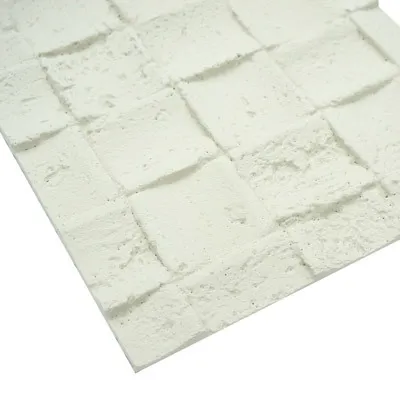
At the core of COLORIA GROUP's innovation is a simple but powerful idea: building materials shouldn't hold back design. MCM (Modified Cementitious Material) starts with cement, but adds proprietary modifiers that transform its properties. The result? A material that weighs up to 70% less than natural stone, yet has a flexural strength of 12MPa—meaning it can bend without breaking, even in seismic zones. It's also fire-resistant, mold-proof, and designed to last 50+ years with minimal maintenance. For stadiums, which need to stand tall for generations, these features aren't just "nice to have"—they're essential.
But what really sets MCM apart is its versatility. Whether architects are dreaming of a stadium with a curved, wave-like facade or a geometric pattern that lights up at night, MCM can adapt. Let's take a closer look at five products that are making waves in sports infrastructure:
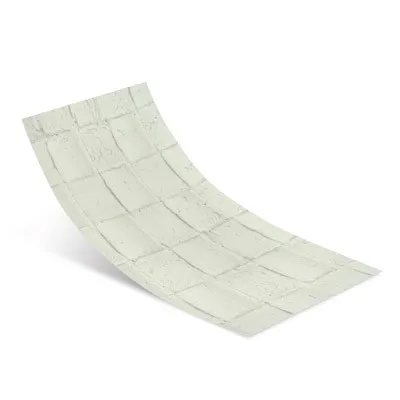
Stadiums love curves. They soften the building's look, improve crowd flow, and create that iconic "arena" feel. But traditional rigid stone panels? They hate curves. Installing them on a rounded surface means cutting small, awkward pieces—driving up labor costs and leaving gaps that let water in. MCM Flexible Stone changes the game.
At just 4-6mm thick, these sheets are flexible enough to wrap around radius walls, domes, or even the sweeping arcs of a retractable roof. Imagine a stadium inspired by the local desert dunes—its exterior rippling like sand under the sun. With MCM Flexible Stone, that vision isn't just possible; it's affordable. The material bends up to 30 degrees without cracking, and its lightweight nature (only 8kg/m²) reduces the need for heavy steel supports. For builders, that means faster installation—up to 500m² per day with a small crew—and fewer on-site accidents. For architects, it means freedom to design without compromise.
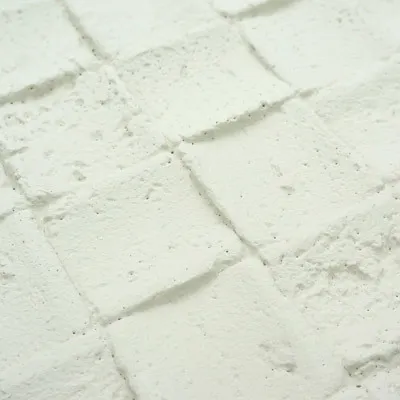
Stadiums aren't just buildings—they're storytellers. They reflect the city's culture, the team's history, and the community's spirit. Mosaic Travertine lets architects turn those stories into art. These panels feature a classic travertine base with interlocking mosaic patterns, customizable in size, color, and design. Want to embed the team's logo into the facade? Or create a mural of local legends? Mosaic Travertine makes it happen.
Take, for example, the travertine (starry green) variant—a crowd favorite for night games. Its deep green base is flecked with silver and gold mineral deposits that catch light like distant stars. When paired with LED backlighting, the effect is magical: the stadium exterior glows like a cosmic backdrop, turning every evening match into an immersive experience. Fans don't just "see" the stadium—they feel it. And because the mosaic patterns are precision-engineered into the MCM panel, there's no risk of tiles falling off or colors fading, even after years of exposure.
Some stadiums aim to be landmarks, not just venues. The travertine (starry green) finish is designed for exactly that. Unlike plain green panels, this MCM variant mimics the look of natural travertine quarried from Iran's Zagros Mountains—known for its unique "starry" veining. But here's the twist: COLORIA GROUP replicates that pattern using advanced 3D printing technology, ensuring every panel has a one-of-a-kind, organic look without harming natural stone reserves.
During the day, the starry green surface shifts with the sun—deepening to forest green at noon, softening to mint as dusk falls. At night, under stadium lights, the silver flecks sparkle like constellations. It's a material that makes the building feel alive, changing with the time of day and the mood of the event. For cities hosting international tournaments, that kind of visual impact can turn a stadium into a postcard-worthy icon.
For stadiums going for a futuristic vibe—think sleek lines, high-tech lighting, and a "spaceship" aesthetic— lunar peak silvery is the perfect match. This MCM finish mimics the moon's surface: a matte silver base with subtle craters and texture that catches light unevenly, creating depth and dimension. It's bold, modern, and surprisingly versatile—pairing beautifully with glass panels and LED strips for a stadium that looks like it belongs in a sci-fi movie.
But it's not all about looks. Lunar Peak Silvery is also engineered for performance. Its non-porous surface repels rain and pollution, so it stays bright even in industrial areas. And because it's part of the MCM family, it's lightweight enough to be installed on cantilevered sections—those dramatic overhangs that make stadiums look like they're floating. For example, a tech-focused city might opt for a stadium with a lunar-inspired facade, symbolizing innovation and progress. With Lunar Peak Silvery, that vision becomes tangible—and durable.
Nothing kills a stadium's "wow factor" like a facade covered in tiny, mismatched panels. Seams create visual clutter, collect dirt, and remind everyone that the building is just a pile of parts. MCM Big Slab Board solves this with panels up to 1200x2400mm—about the size of a standard door. That means fewer joints, a smoother look, and a facade that reads as a single, powerful statement.
Installing big slabs used to be a nightmare. Natural stone slabs that size weigh 200kg each—requiring cranes and specialized teams. MCM Big Slab Board? A 1200x2400mm panel weighs just 23kg. Two workers can carry it by hand, and it mounts directly to a lightweight aluminum frame. For a stadium with a 50,000m² exterior, that translates to 30% faster construction and 25% lower labor costs. It also reduces waste: because the slabs are precision-cut in the factory, there's minimal on-site trimming. For sustainability-focused projects, that's a big win.
Let's put these products into context with a hypothetical (but realistic) project: the Green Horizon Stadium, a 60,000-seat venue in a coastal city aiming to host the Olympics. The design brief? Create an exterior that's "iconic, sustainable, and reflective of the ocean and sky." The challenge? The stadium's main facade is a 150m-long curved wall, and the client wants a starry night effect that lights up during evening events.
The architectural team turned to COLORIA GROUP for solutions. Here's how they combined MCM products to bring the vision to life:
The result? A stadium that's become the city's pride. During the day, the ocean-blue curves reflect the sky; at night, the starry mosaic glows, with LED lights behind the MCM panels making the constellations "twinkle." Local residents now call it "The Night Harbor," and it's already trending on social media as a must-see landmark. Best of all, the entire exterior was installed in 12 weeks—half the time projected for natural stone—and came in 15% under budget.
| Material | Weight (kg/m²) | Installation Time (per 100m²) | Flexural Strength | Carbon Footprint (kg CO₂/m²) | Maintenance Cost (10-year) |
|---|---|---|---|---|---|
| Natural Granite | 80-100 | 3 days | 8MPa | 45 | $500 |
| Traditional Concrete Panels | 50-60 | 2.5 days | 5MPa | 30 | $800 (due to cracking) |
| MCM Flexible Stone | 8 | 0.5 days | 12MPa | 12 | $150 (hose down annually) |
| MCM Big Slab Board | 18-23 | 1 day | 10MPa | 14 | $200 |
Today's stadiums aren't just judged by their design—they're measured by their impact on the planet. The Green Horizon Stadium, for example, aimed for LEED Platinum certification, which meant reducing embodied carbon and using recycled materials. MCM fit the bill perfectly.
COLORIA GROUP's MCM production process uses 40% recycled industrial byproducts (like fly ash and slag), reducing reliance on virgin materials. The panels are also 100% recyclable at the end of their life, and their lightweight nature cuts transportation emissions by 60% compared to natural stone. For the Green Horizon project, this translated to a 35% lower carbon footprint than a traditional stadium facade—helping the venue meet its sustainability goals and attract eco-conscious sponsors.
But sustainability isn't just about materials. It's about longevity. A stadium facade that needs to be replaced every 20 years is a waste of resources, no matter how "green" the material is. MCM's 50+ year lifespan means fewer replacements, less waste, and a lower total impact over time. As one sustainability consultant put it: "The most eco-friendly building material is the one that doesn't need to be replaced."
Stadiums are unique, so their facades should be too. COLORIA GROUP doesn't just sell panels—they partner with architects to turn ideas into reality. Their in-house design team offers:
For the Green Horizon project, the team even created a custom "ocean wave" texture for the MCM Flexible Stone, based on 3D scans of local beach waves. It's this level of detail that turns a good stadium into a great one.
Stadiums are more than concrete and steel. They're where history is made, where communities come together, and where cities show the world what they're made of. The exterior isn't just a wall—it's the first chapter of that story. With COLORIA GROUP's MCM products, that story can be one of innovation, beauty, and sustainability.
Whether it's the flexibility of MCM Flexible Stone, the artistry of Mosaic Travertine, or the bold simplicity of Big Slab Board, these materials are redefining what stadiums can be. They're lighter, stronger, and more beautiful than traditional options. They're easier to install, better for the planet, and designed to last for generations.
So the next time you walk up to a stadium and find yourself staring at the facade, take a moment to appreciate the material behind the magic. Chances are, it's MCM—and it's not just building a stadium. It's building a legacy.
Recommend Products












