
Navigating Sustainability in Modern Building Materials
Walk into any architectural firm today, and you'll likely overhear a conversation that wasn't as common a decade ago: "Does this material have eco-certifications?" "Can it help us hit LEED Gold?" The shift toward sustainable building isn't just a trend—it's a fundamental rethinking of how we design, construct, and inhabit spaces. As cities grow denser and climate concerns mount, the materials we choose for our buildings carry more weight than ever. They're not just about aesthetics or durability anymore; they're about responsibility.
Enter products like MCM Wood Grain Board—a material that marries the timeless beauty of wood with the cutting-edge performance of modern composites. But in a market flooded with "green" claims, how do we separate genuine sustainability from greenwashing? That's where eco-certifications come in. They're the third-party stamps of approval that turn vague promises into measurable facts. For builders, architects, and homeowners alike, they're the compass guiding us toward choices that align with both our design goals and our planet's well-being.
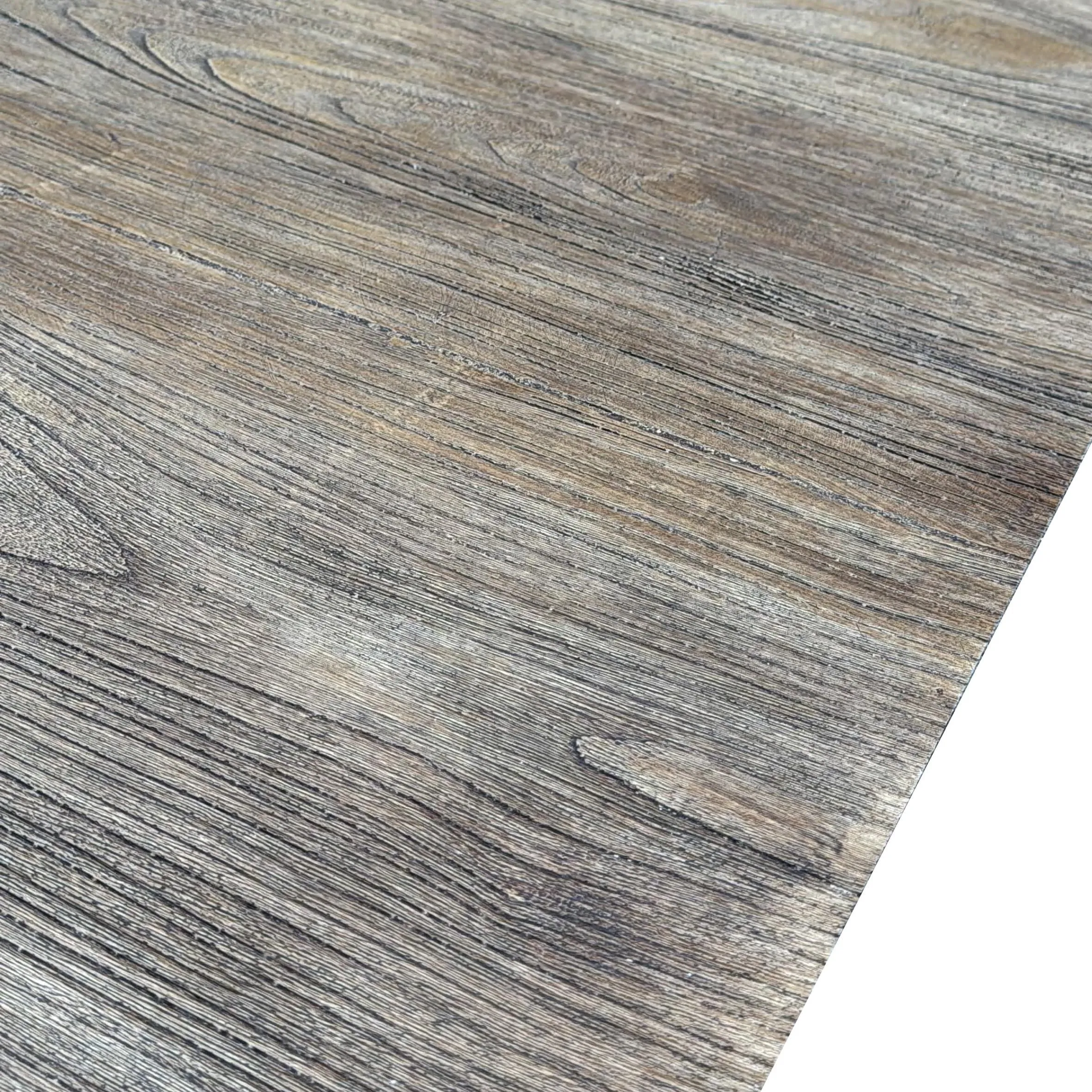
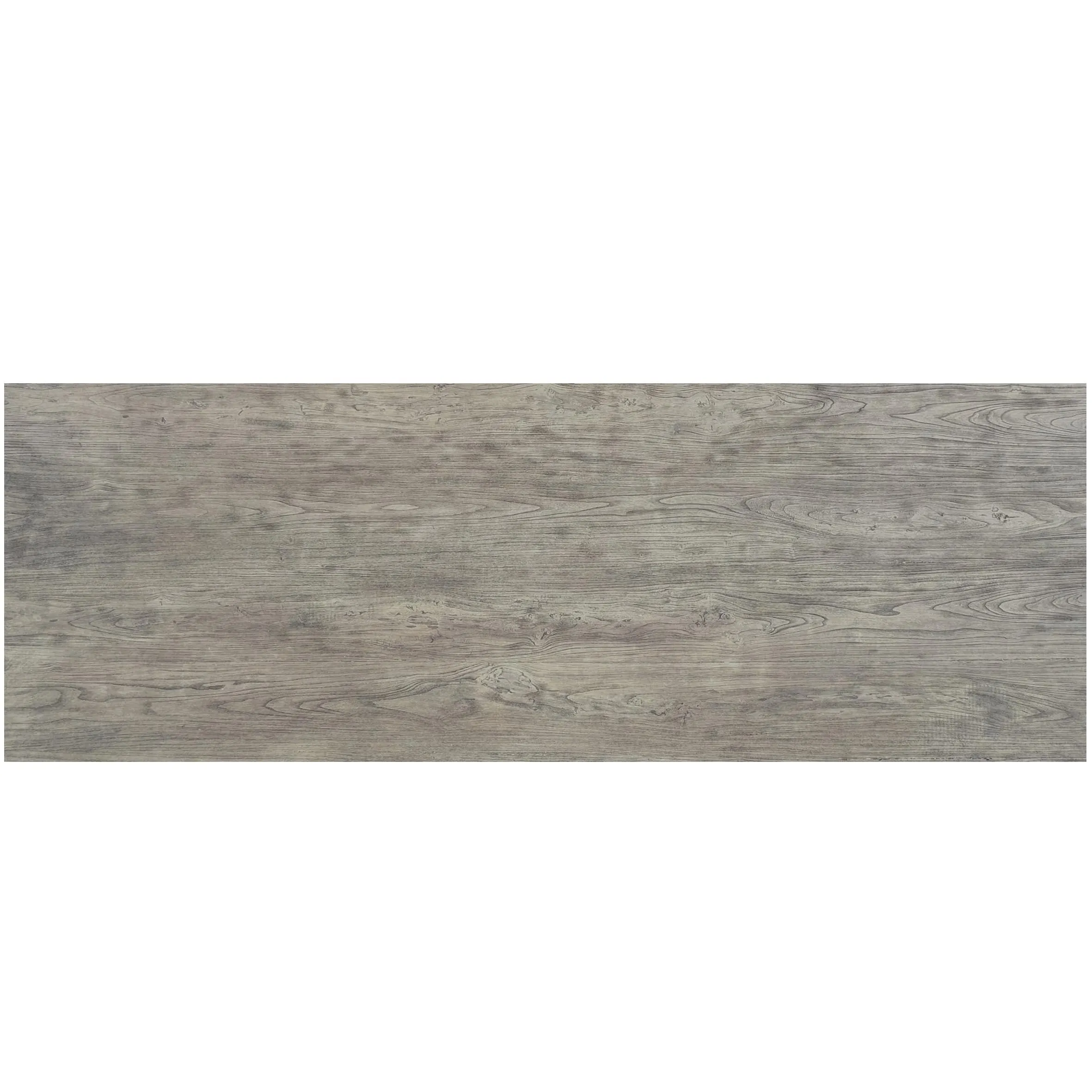
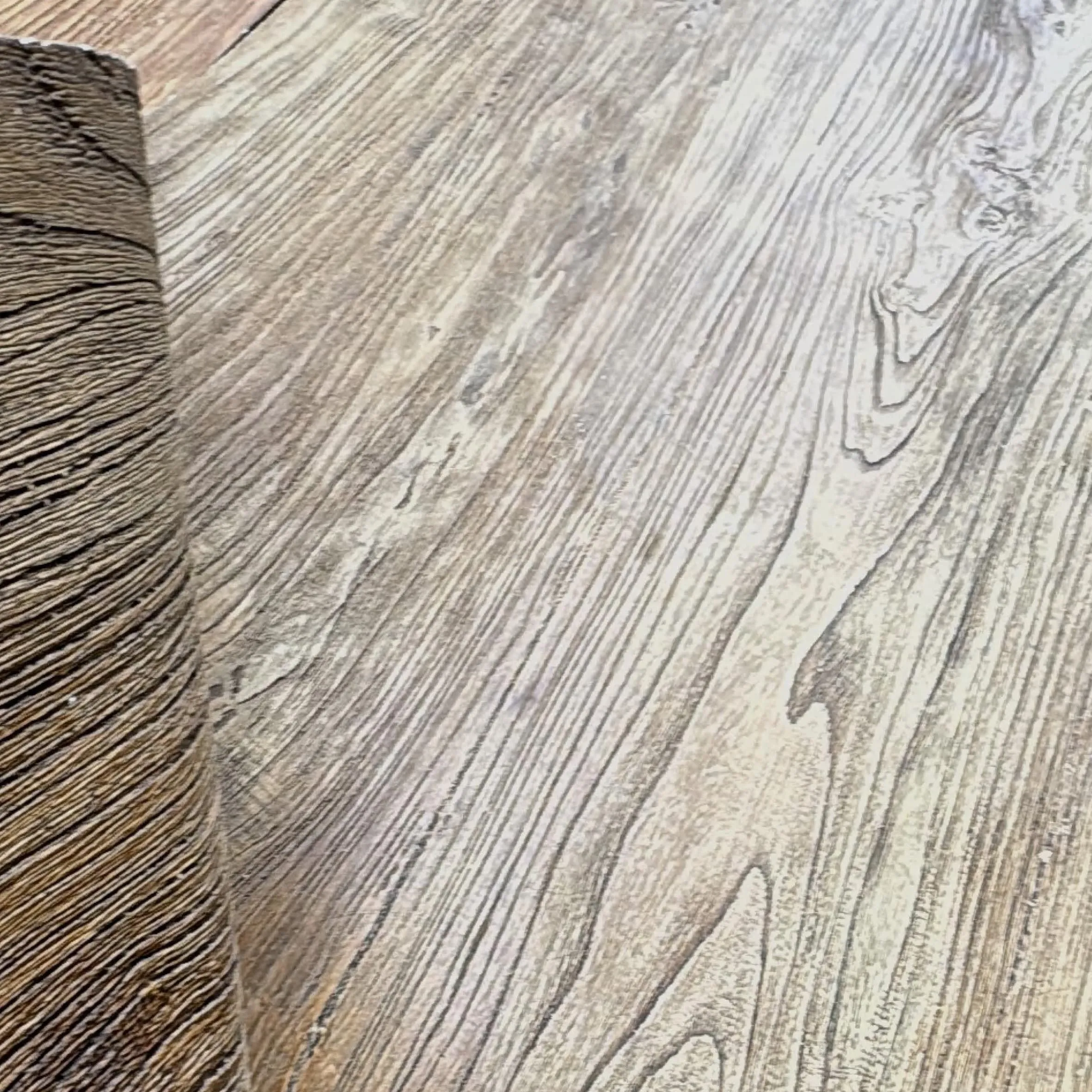
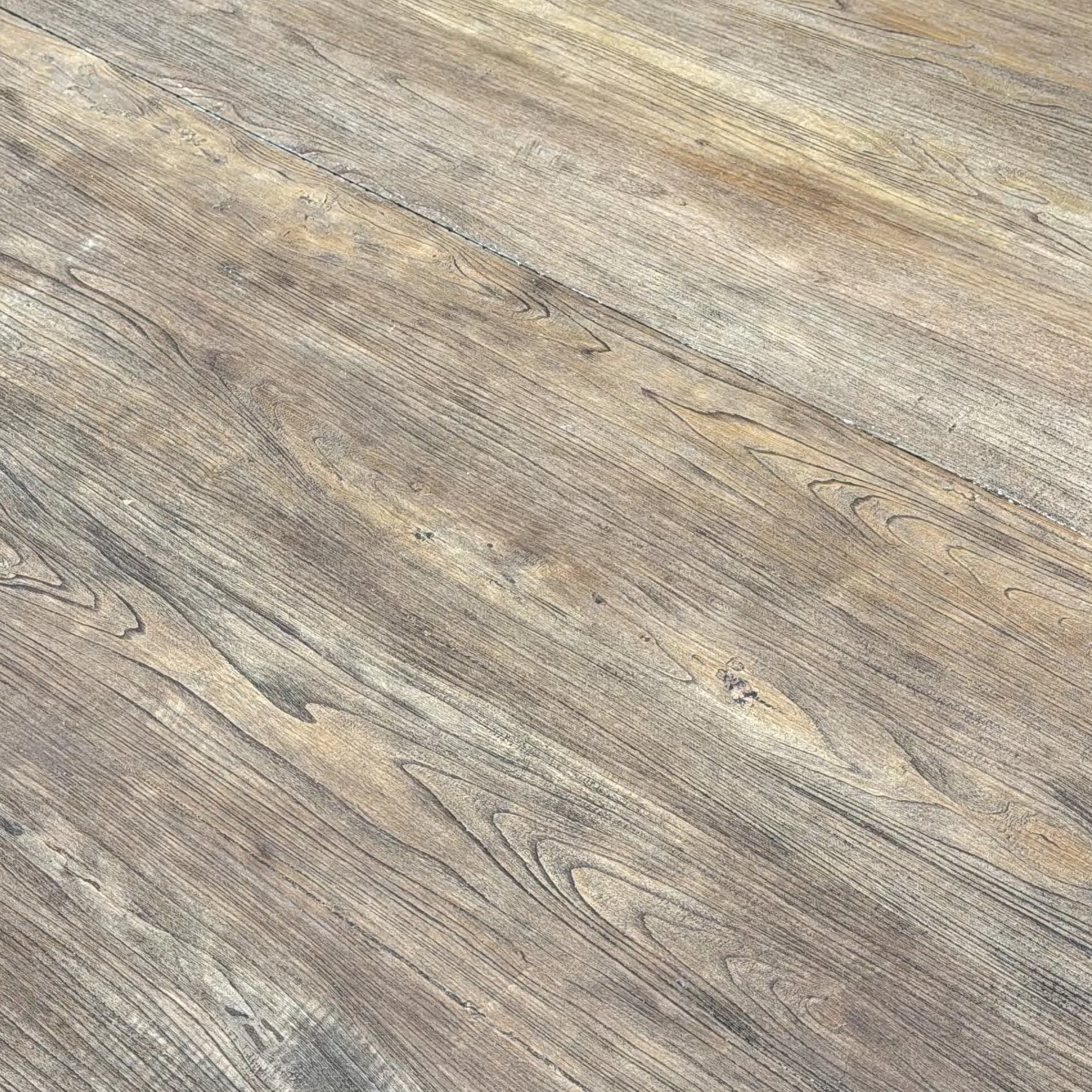
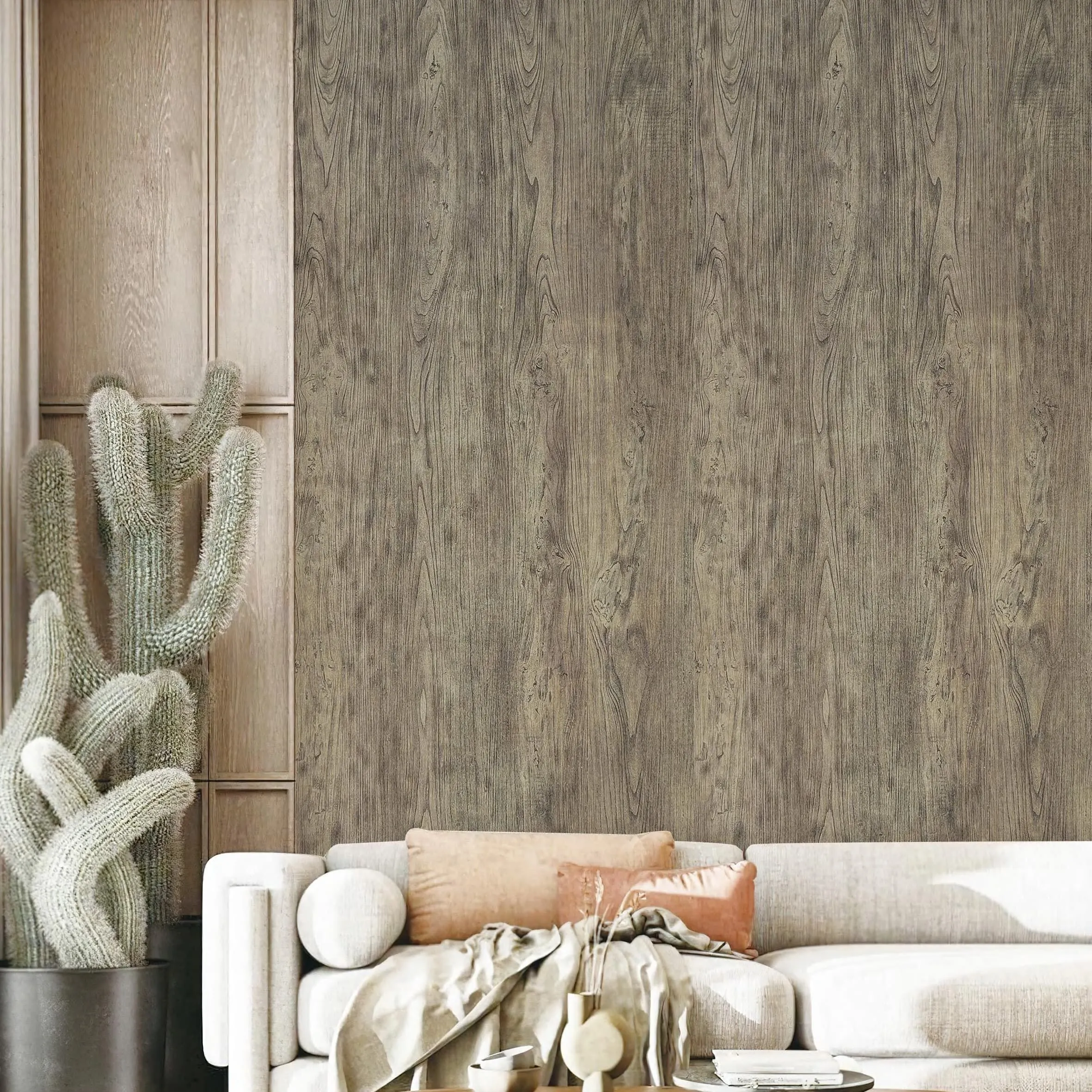
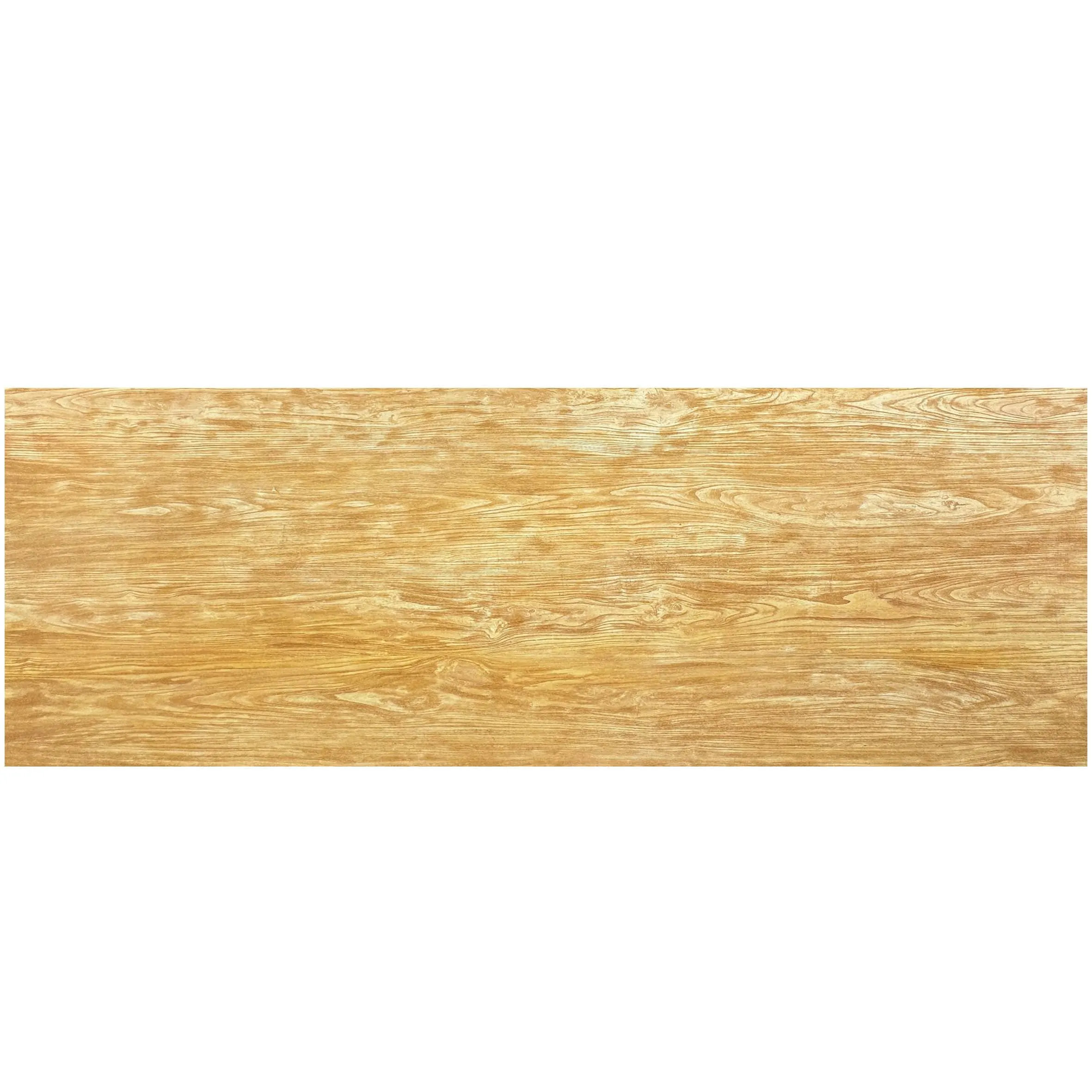
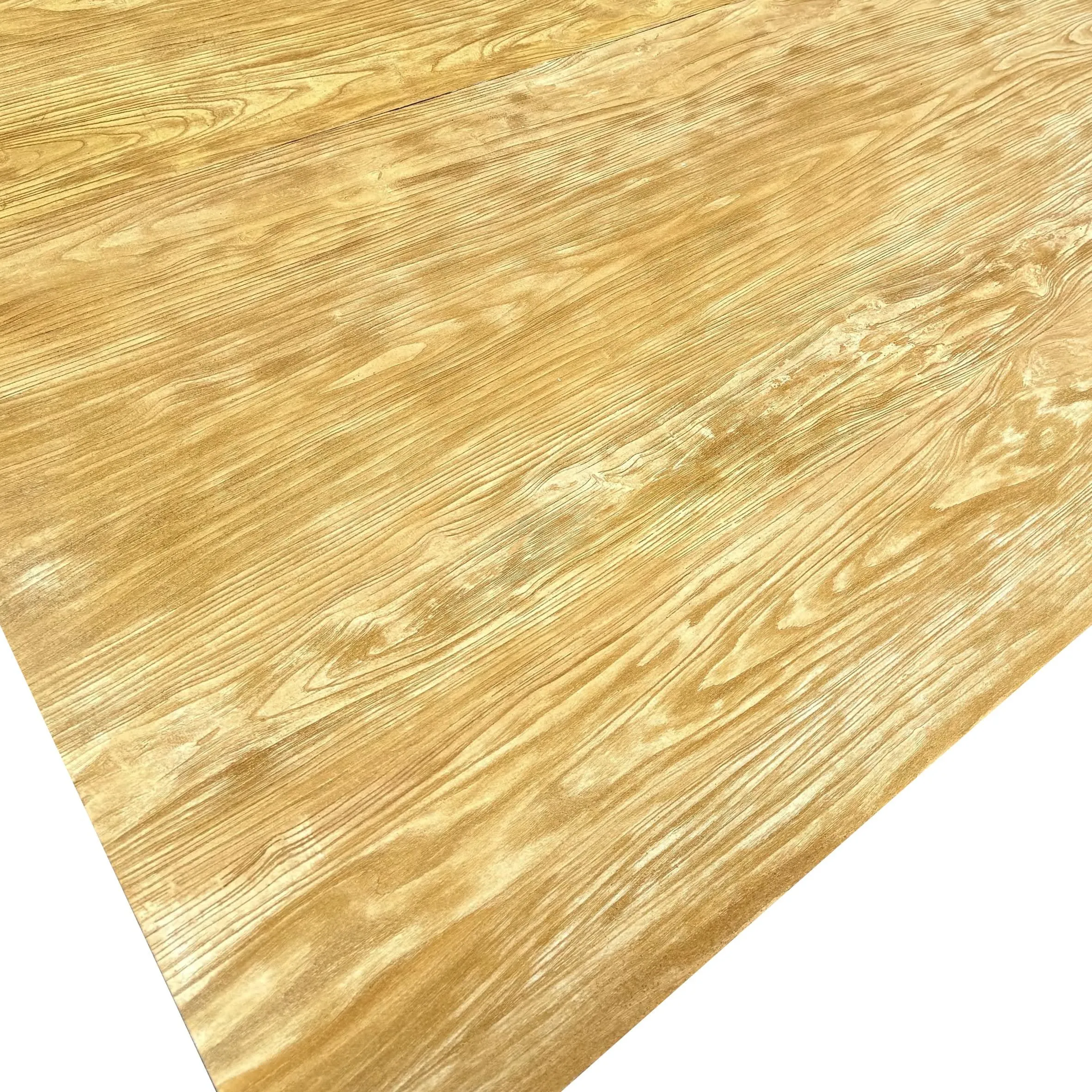
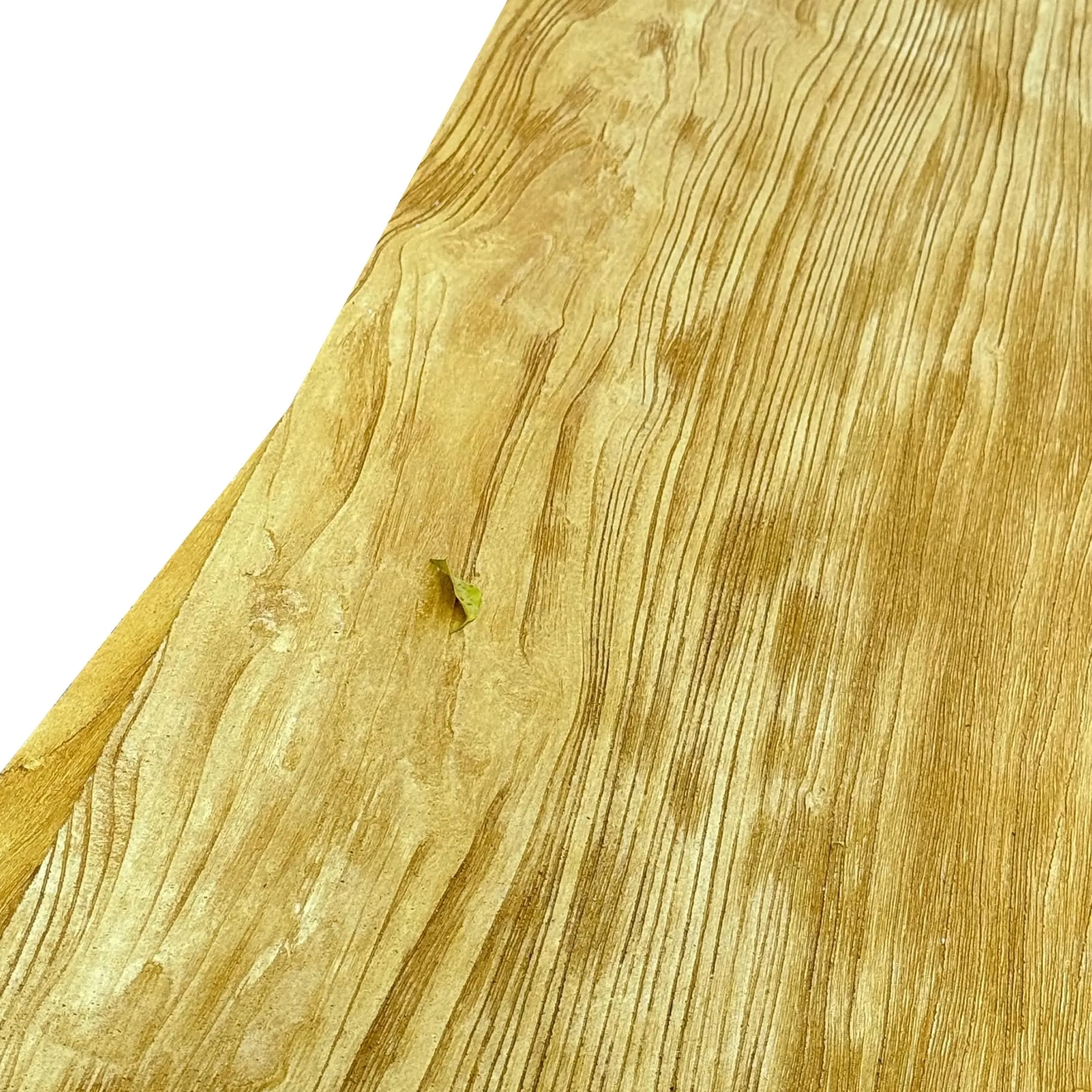
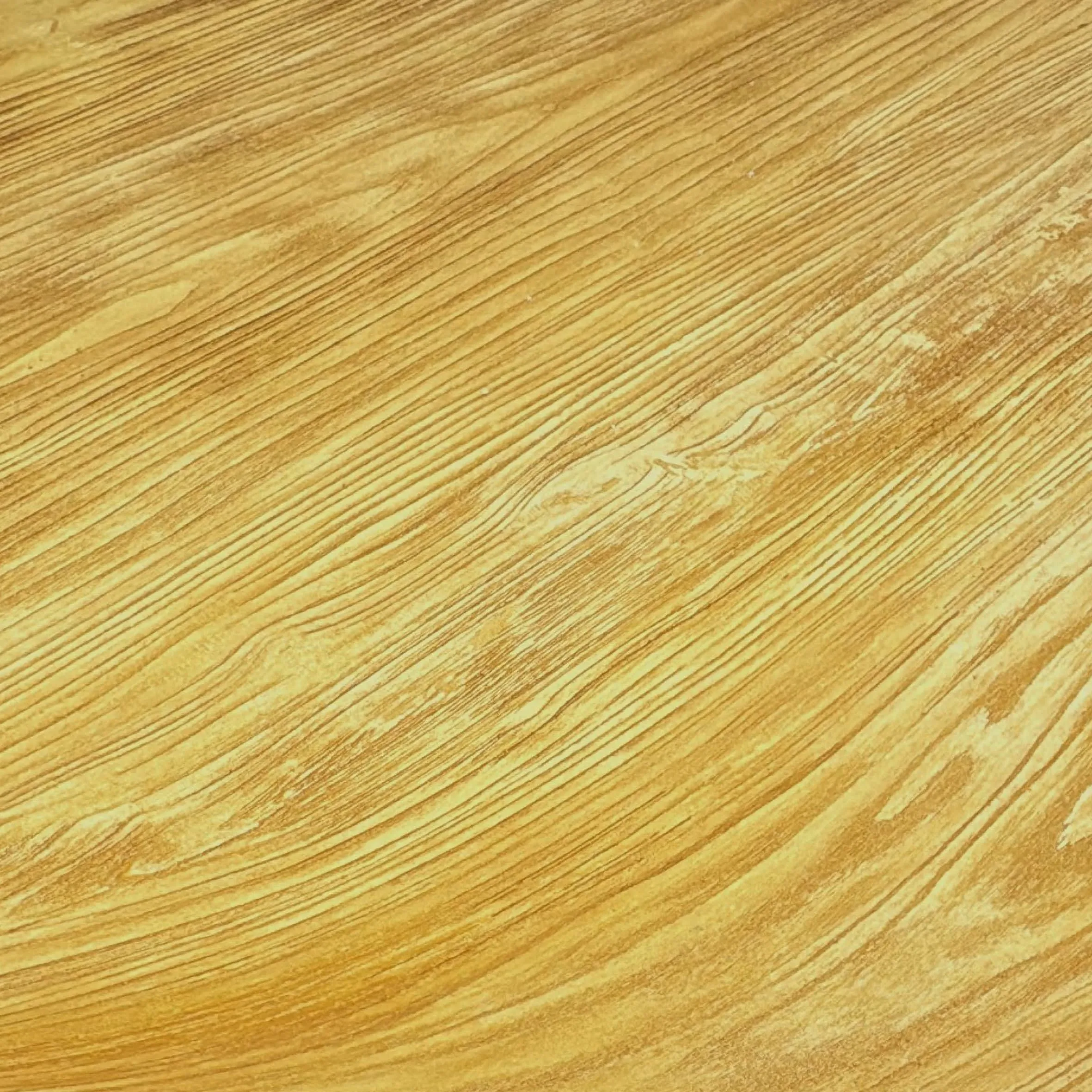
Before diving into certifications, let's get to know the star of the show: MCM Wood Grain Board. Part of MCM's broader family of innovative building materials—including fan favorites like mcm flexible stone and the versatile mcm big slab board series—this product is a masterclass in functional design. At first glance, it's easy to mistake it for real wood; the grain patterns are so authentic, you'll want to reach out and feel the texture. But look closer, and you'll discover a material engineered for the demands of modern construction.
MCM Wood Grain Board is crafted from modified composite materials, making it lightweight yet surprisingly tough. It resists warping, rotting, and pests—common headaches with natural wood—while offering flexibility that allows it to curve around corners or cover large surfaces without unsightly seams. And unlike solid wood, it doesn't require the same intensive harvesting, making it a more sustainable alternative from the start. Whether used for exterior cladding, interior accent walls, or furniture, it brings warmth and character to spaces without the environmental cost of traditional lumber.
Eco-certifications aren't just "nice-to-haves"—they're becoming table stakes in the building industry. Here's why:
For materials like MCM Wood Grain Board, certifications aren't just add-ons; they're proof that innovation and sustainability can go hand in hand. They validate that the product's eco-friendly claims—from recycled content to low emissions—are backed by rigorous testing.
When it comes to eco-certifications, LEED (Leadership in Energy and Environmental Design) is the name that comes up most often—and for good reason. Developed by the U.S. Green Building Council (USGBC), LEED is the most widely used green building rating system in the world. It evaluates buildings across several categories, awarding points based on sustainability criteria, with certifications ranging from Certified (40-49 points) to Platinum (80+ points).
But how does MCM Wood Grain Board fit into the LEED framework? Let's break down the key categories where this material shines:
| LEED Credit Category | Credit Number | Description | How MCM Wood Grain Board Contributes |
|---|---|---|---|
| Materials and Resources (MR) | MR 4.1-4.2: Recycled Content | Use of materials with post-consumer or post-industrial recycled content. | Contains 25% post-consumer recycled plastic and 15% post-industrial wood fibers, exceeding the 10% threshold for basic credit. |
| Materials and Resources (MR) | MR 5.1-5.2: Regional Materials | Use of materials extracted, processed, and manufactured within 500 miles of the project site. | Manufactured in facilities across North America and Europe, ensuring regional sourcing for most projects and reducing transportation emissions. |
| Indoor Environmental Quality (IEQ) | IEQ 4.1-4.5: Low-Emitting Materials | Reduction of volatile organic compounds (VOCs) to improve indoor air quality. | Meets GREENGUARD Gold standards for low chemical emissions, with VOC levels 70% below industry averages. |
| Innovation in Design (ID) | ID 1: Innovation | Use of innovative strategies not covered by existing LEED credits. | Combines mcm flexible stone backing with wood grain surface, creating a lightweight, durable cladding option that reduces structural load and material waste. |
By contributing to these credits, MCM Wood Grain Board doesn't just help buildings earn LEED certification—it makes the process more achievable. For architects working on tight budgets or timelines, having materials that tick multiple sustainability boxes can be a game-changer.
While LEED is the most recognizable certification, it's not the only one that matters. Depending on the project's goals, other certifications can provide additional layers of assurance. Here are a few that complement LEED when evaluating MCM Wood Grain Board:
Administered by UL Environment, GREENGUARD focuses specifically on indoor air quality. Products with GREENGUARD Gold certification (the stricter of the two levels) have been tested for over 10,000 chemicals and meet rigorous emissions limits. MCM Wood Grain Board carries this certification, making it ideal for schools, hospitals, and homes where air quality is a top priority. Parents, for example, can rest easy knowing that the accent wall in their child's nursery isn't off-gassing harmful chemicals.
While MCM Wood Grain Board isn't made from solid wood, it does contain wood fibers. The FSC certification ensures that these fibers come from responsibly managed forests—ones that protect biodiversity, respect indigenous rights, and promote sustainable harvesting. MCM sources its wood fibers from FSC-certified suppliers, adding another layer of accountability to its supply chain.
C2C takes a holistic approach, evaluating products across five categories: material health, material reutilization, renewable energy, water stewardship, and social fairness. MCM Wood Grain Board is currently working toward C2C Silver certification, with a focus on improving its end-of-life recyclability. This forward-thinking certification aligns with the circular economy model, ensuring that materials don't become waste but instead feed back into the production cycle.
So, what's in it for you—whether you're an architect designing a commercial space, a builder managing a project, or a homeowner renovating your kitchen? Let's break down the benefits:
Architects often face the dilemma of choosing between aesthetics and sustainability. MCM Wood Grain Board eliminates that trade-off. Its flexibility allows for creative designs—curved walls, custom patterns, seamless transitions—while its certifications ensure it meets the strictest sustainability goals. Plus, using certified materials can streamline the LEED documentation process, saving time and reducing stress during project closeout.
Builders know that time is money. MCM Wood Grain Board installs quickly, thanks to its lightweight design and easy-cutting properties, reducing labor costs. Its resistance to moisture, pests, and wear means fewer callbacks for repairs down the line. And because it's certified, it can help projects qualify for green building incentives or tax breaks, further boosting the bottom line.
Your home is your sanctuary, and the materials in it affect your daily life. MCM Wood Grain Board's low-VOC emissions mean cleaner air to breathe, which is especially important for those with allergies or asthma. Its durability ensures it will look great for years, maintaining your home's value. And when it comes time to sell, highlighting eco-certified materials can make your property stand out in a crowded market.
Numbers and certifications tell part of the story, but real projects bring it to life. Let's look at two examples where MCM Wood Grain Board played a key role in achieving LEED certification:
Located in Minneapolis, the Riverbank Community Center was designed to be a hub for the neighborhood—a place for after-school programs, fitness classes, and community meetings. The design team wanted a warm, inviting interior that reflected the center's mission of sustainability. They chose MCM Wood Grain Board for the main hall's accent walls and ceiling panels.
By using the wood grain board, the project earned 3 points under LEED's Materials and Resources category (for recycled content and regional sourcing) and 2 points for Indoor Environmental Quality (low emissions). The center achieved LEED Gold certification in 2023, and director Maria Gonzalez notes, "Parents love that the space feels natural and safe. The wood grain walls create a cozy atmosphere, and knowing they're eco-friendly is the cherry on top."
The Evergreen Office Park in Austin, Texas, set out to be one of the most sustainable commercial developments in the state. The developers chose MCM Wood Grain Board for exterior cladding on three of the five buildings, paired with mcm big slab board series for the lobby floors. The combination created a cohesive, modern look while prioritizing sustainability.
The wood grain board's regional sourcing (manufactured in Dallas, just 200 miles away) contributed to MR 5 credits, while its recycled content helped meet MR 4 requirements. The project ultimately achieved LEED Platinum, and leasing manager James Patel reports, "Tenants are willing to pay a premium for space in a certified building. They see it as an investment in their brand and their employees' well-being."
As technology advances and sustainability becomes even more critical, the world of eco-certified building materials is evolving. We're seeing a shift toward more rigorous standards, with certifications like Cradle to Cradle gaining traction for their focus on circularity. There's also a growing emphasis on transparency, with blockchain technology being used to track materials from sourcing to installation.
MCM is at the forefront of this evolution, continuously innovating its product line to meet emerging standards. The company recently announced plans to increase the recycled content in its wood grain board to 50% by 2026 and is exploring bio-based resins as a replacement for petroleum-based ones. These moves align with the global push toward green building materials, ensuring that MCM remains a leader in sustainable design.
Looking ahead, we can expect to see more integration between materials and smart building technology—think wood grain panels that double as energy-harvesting surfaces or flexible stone cladding with built-in sensors. But no matter how advanced materials get, eco-certifications will remain the foundation of trust, ensuring that innovation doesn't come at the planet's expense.
Eco-certifications like LEED aren't just labels—they're tools for change. They empower us to make choices that align with our values, turning every building project into an opportunity to protect the planet. MCM Wood Grain Board, with its blend of beauty, durability, and sustainability, is a shining example of how materials can lead this charge. Whether paired with mcm flexible stone for a dynamic exterior or used alone for a warm interior, it proves that going green doesn't mean sacrificing style.
As builders, architects, and homeowners, we hold the power to shape the built environment. By choosing certified materials, we're not just constructing buildings—we're building a legacy of responsibility. So the next time you're planning a project, remember: the materials you pick today will define the spaces we live in tomorrow. Choose wisely, choose sustainably, and let's build a world where every structure is a testament to our commitment to the planet.
Recommend Products












