

In an era where environmental consciousness is no longer just a trend but a global imperative, the construction industry faces immense pressure to adopt sustainable practices. From reducing carbon footprints to minimizing waste and ensuring the health of occupants, every choice of material carries significant weight. While the title "Eco-Certifications for Pine Bark Board: What to Look For" might initially suggest a narrow focus on a specific wood-based product, its underlying essence speaks to a much broader and more critical challenge: understanding and selecting truly sustainable building materials. This article aims to transcend the specific example to delve into the comprehensive world of eco-certifications, exploring their significance, criteria, and how innovative materials, such as those championed by COLORIA GROUP, are setting new benchmarks for environmental responsibility and performance in modern construction.
The journey towards sustainable construction is paved with rigorous standards, transparent reporting, and a commitment to perpetual improvement. It's not enough for a material to merely claim to be "green"; it must be verifiable, measurable, and uphold the highest ecological and ethical considerations throughout its entire lifecycle. This is where eco-certifications become indispensable tools, offering clarity and assurance in a complex marketplace. For developers, architects, and consumers alike, understanding these certifications is key to making informed decisions that benefit both the project and the planet.
Why do eco-certifications matter so much? They serve as a powerful third-party validation that a product meets specific environmental performance criteria. Without them, it's difficult to distinguish genuinely sustainable options from those that merely engage in "greenwashing"—the practice of making unsubstantiated or misleading claims about environmental benefits. These certifications provide a common language and a framework for evaluating the environmental impact of building materials from cradle to grave.
Choosing eco-certified materials goes far beyond achieving a certain aesthetic or meeting minimum code requirements. It's about contributing to a healthier planet and creating healthier indoor environments. These materials often exhibit superior performance characteristics, including enhanced durability, better energy efficiency, and reduced maintenance needs over their lifespan. Furthermore, they support a circular economy by promoting resource efficiency, recycling, and responsible sourcing.
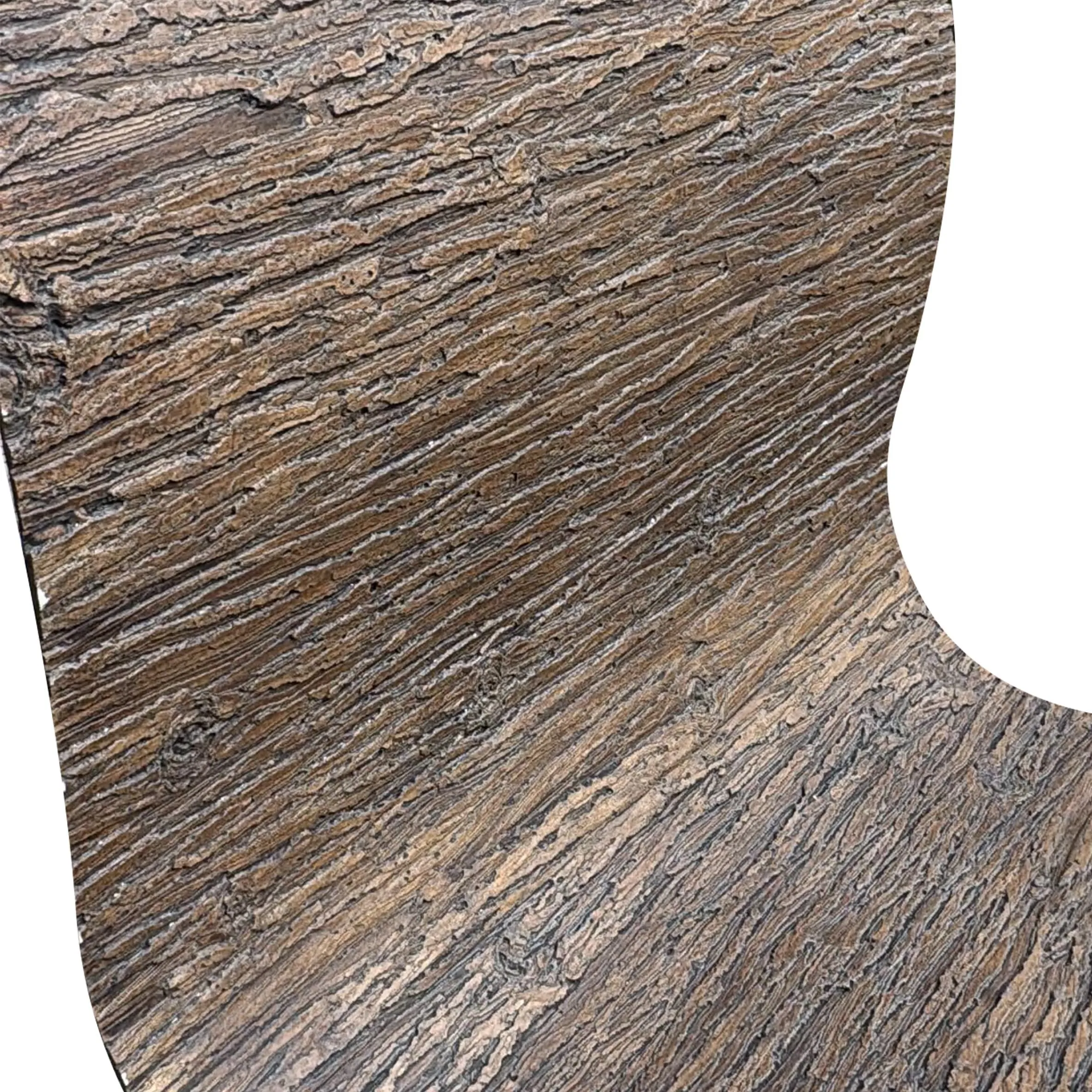
While specific certifications for materials like pine bark board might exist within broader frameworks (e.g., FSC for wood products), the principles applied to evaluating any sustainable material remain consistent. Let's explore some of the most recognized certifications and the core aspects they assess. Understanding these overarching criteria helps in evaluating any material, including COLORIA GROUP's advanced Modified Cementitious Material (MCM) products.
LEED is one of the most widely used green building rating systems globally. While LEED certifies entire buildings, it heavily relies on the environmental performance of the individual materials used within a project. Materials contribute to LEED points across various categories, including:
For a material to contribute significantly to LEED certification, it typically needs to provide transparent documentation such as Environmental Product Declarations (EPDs) and Health Product Declarations (HPDs).
BREEAM is the world's longest-established method of assessing, rating, and certifying the sustainability of buildings. Like LEED, it's a building-level certification, but its material section is equally rigorous. BREEAM assesses materials based on:
This certification stands out for its holistic approach, focusing on products that are safe, circular, and responsibly made. It goes beyond minimizing harm to actually defining and striving for a positive impact. Products are assessed across five quality categories:
Achieving Cradle to Cradle certification is a rigorous process, indicating a truly advanced level of sustainable product design.
While not a "certification" in itself, an EPD is a standardized, third-party verified document that reports comprehensive and transparent information about the environmental performance of a product over its lifecycle. Think of it as a nutritional label for environmental impact. It is based on a lifecycle assessment (LCA) and provides data points on:
EPDs are crucial for green building certifications like LEED and BREEAM, as they provide the underlying data to assess a material's contribution.
Similar to EPDs, HPDs provide transparent disclosure of product contents and associated health information. They identify potential chemicals of concern in products to help project teams understand and make informed decisions about product ingredients and their health effects. HPDs are particularly valuable for achieving credits in the Indoor Environmental Quality categories of green building rating systems.
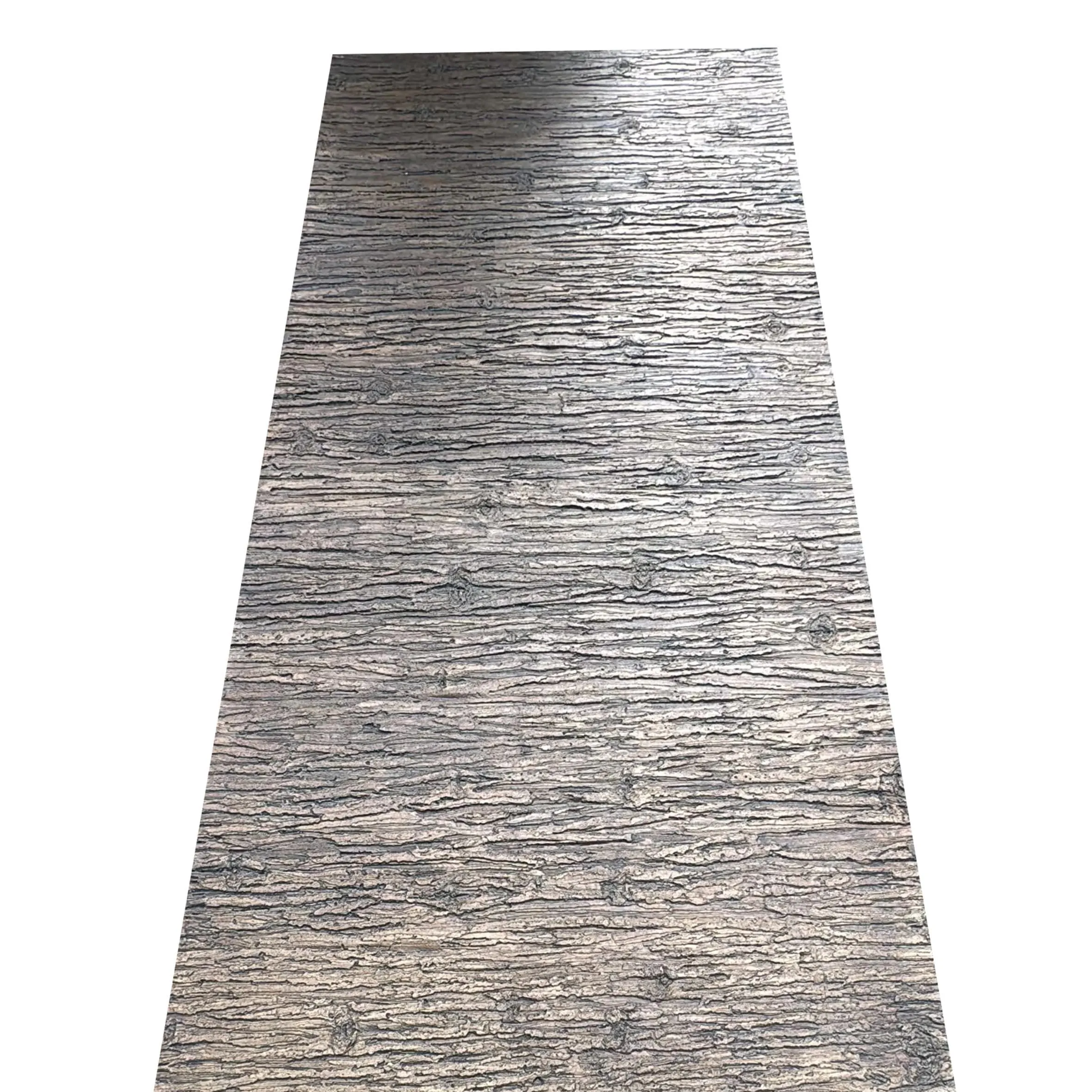
When evaluating any building material, from traditional lumber to advanced composite panels, through the lens of sustainability and certification, here are the critical factors to consider:
| Factor | Description & What to Look For | Relevance to COLORIA GROUP MCM |
|---|---|---|
| Lifecycle Impact (LCA) | Assess the material's environmental footprint from raw material extraction, manufacturing, transportation, use, and end-of-life disposal. Look for materials with EPDs demonstrating low embodied energy, water use, and carbon emissions. | COLORIA GROUP's MCM products are manufactured using natural mineral aggregates and cementitious materials, undergoing a low-temperature curing process that significantly reduces energy consumption compared to traditional ceramics or stone. This results in a much lower carbon footprint, a key eco-friendly attribute. |
| Material Health | Verify that the product is free from harmful chemicals, heavy metals, formaldehyde, and high VOCs. HPDs and certifications like Cradle to Cradle are excellent indicators. | MCM products are inherently low-VOC, non-toxic, and do not contain harmful substances, ensuring superior indoor air quality and contributing to healthier living and working environments. |
| Resource Efficiency & Circularity | Check for recycled content (pre-consumer and post-consumer), use of rapidly renewable resources, and end-of-life recyclability or biodegradability. | MCM materials leverage abundant natural resources and are designed for durability, extending product lifespans. While not wood, their composition allows for efficient resource use and potential for future recycling innovations within the construction sector. |
| Durability & Longevity | A sustainable material is one that lasts. Frequent replacement leads to increased resource consumption and waste. Look for materials with proven performance and extended warranties. | COLORIA GROUP's MCM products are highly durable, resistant to UV, weathering, fire, and impact. Their long lifespan significantly reduces the need for replacement, minimizing environmental impact over time. |
| Responsible Sourcing | Understand where the raw materials come from and ensure ethical and sustainable extraction practices. While FSC is specific to wood, the principle of responsible sourcing applies universally. | COLORIA GROUP prioritizes responsible sourcing of its mineral aggregates and other components, adhering to ethical standards and minimizing environmental disruption at the extraction stage. |
| Manufacturing Process | Investigate the energy and water efficiency of the manufacturing process, waste generation, and pollution control measures at the factory level. | The proprietary manufacturing process for MCM is designed to be highly energy-efficient, using significantly less water and generating minimal waste compared to traditional building material production. This aligns perfectly with modern green manufacturing principles. |
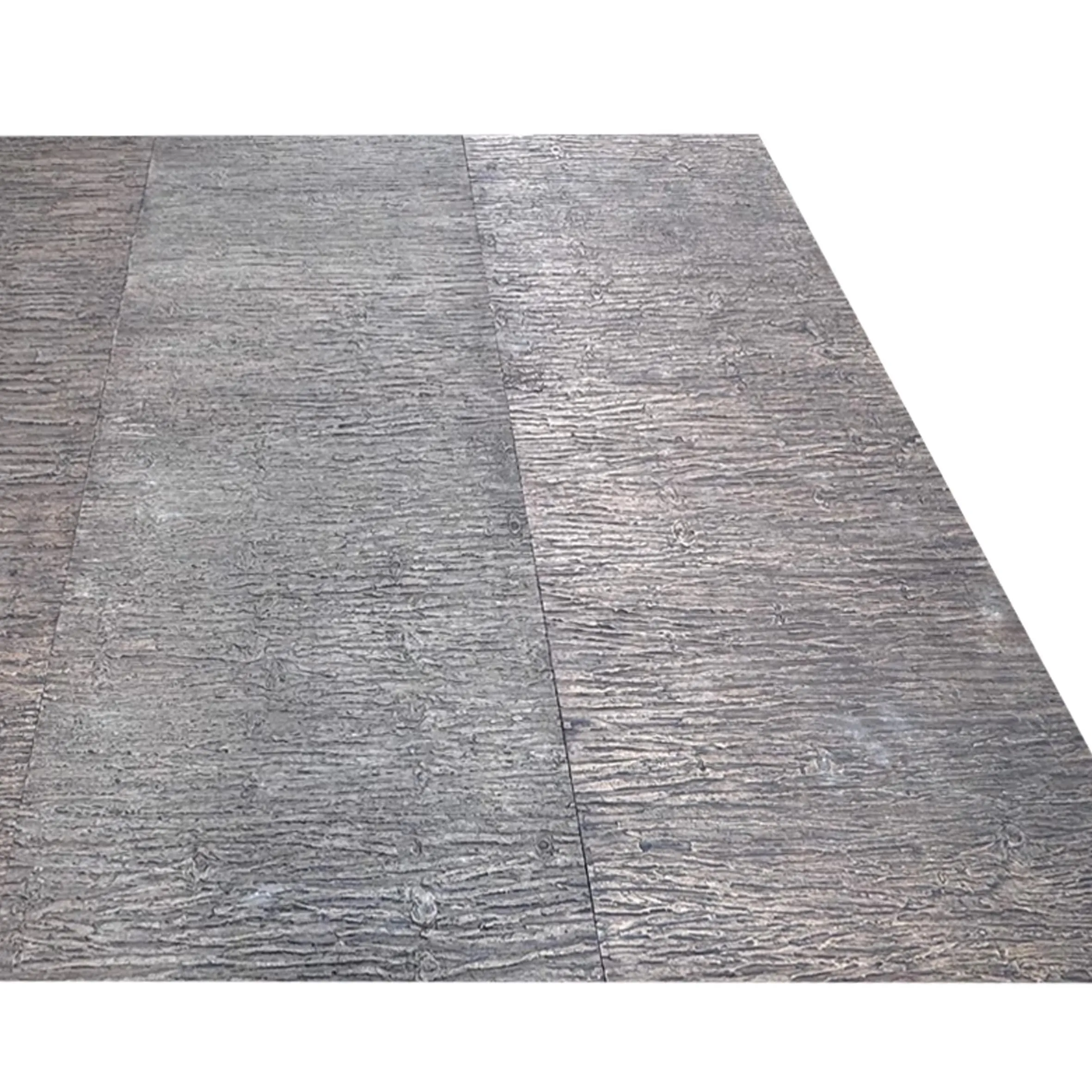
At COLORIA GROUP, our commitment to sustainability is woven into the very fabric of our operations and product development. As a leading one-stop solution provider in the building materials sector, we understand that true progress means offering materials that not only perform exceptionally but also uphold the highest environmental standards. Our flagship product line, the MCM (Modified Cementitious Material) series , embodies this philosophy, offering a revolutionary alternative to traditional interior and exterior finishing materials.
While the article's title references "Pine Bark Board," it is important to clarify that our core expertise lies in advanced composite materials. However, the spirit of seeking eco-friendly and certified options resonates deeply with our product offering. Our MCM materials are engineered to provide the aesthetic versatility of natural stone, wood, or tile, without their inherent environmental drawbacks, offering unparalleled customization and performance for residential and commercial projects globally, with a strong presence in regions like Saudi Arabia .
MCM is a groundbreaking material that redefines possibilities in architectural design and construction. Made primarily from natural mineral aggregates and a small percentage of cementitious material, it is transformed through a proprietary low-temperature and low-energy manufacturing process into flexible, lightweight, and incredibly durable sheets. This innovative composition and process yield significant environmental advantages.
COLORIA GROUP offers a diverse range of MCM products, each designed to meet specific architectural and design needs while upholding our sustainability pledges:
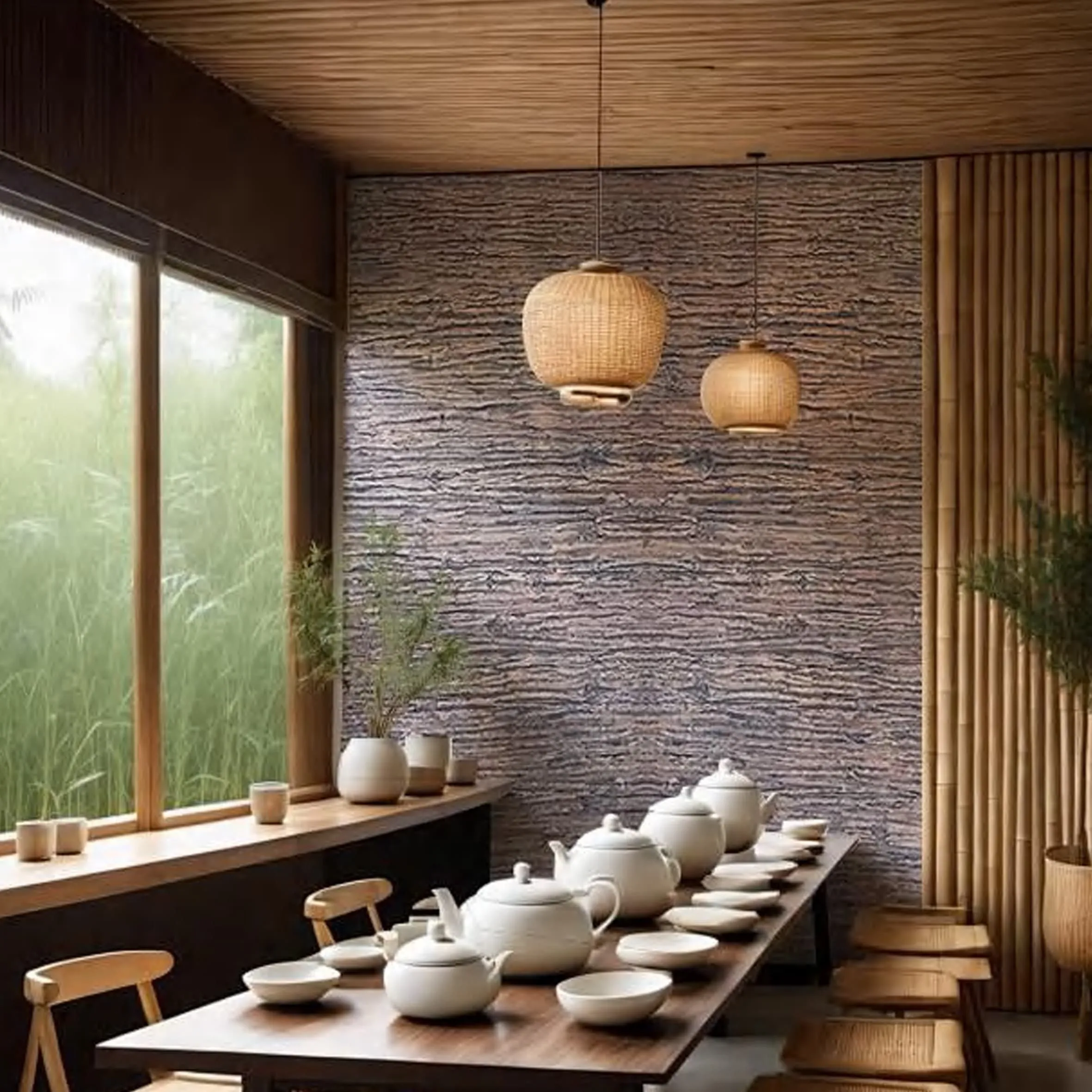
Our dedication to sustainability extends beyond the product itself. As a global player, COLORIA GROUP recognizes its responsibility to promote environmental stewardship throughout the supply chain and across the globe. Our decades of industry experience have taught us that innovation and integrity go hand-in-hand.
"We believe that the future of construction lies in intelligent materials that enhance performance, inspire design, and protect our planet. Our MCM series is a testament to this belief, offering a verifiable, high-performance alternative that aligns with the most stringent global eco-certification standards."
While formal eco-certifications for specific MCM products are continuously being pursued and updated, our internal processes and material science are aligned with the very principles these certifications embody. We proactively engage in:
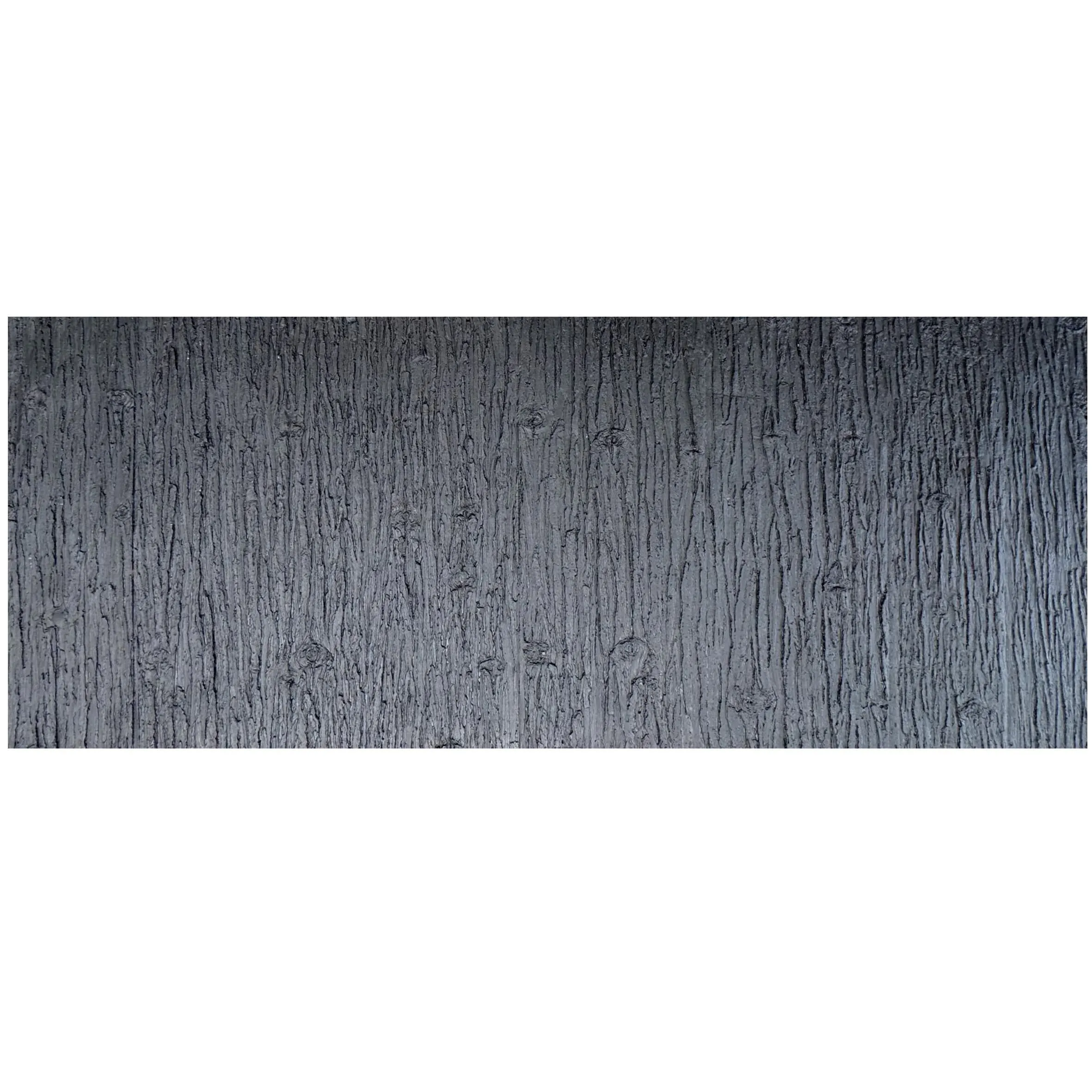
The quest for eco-friendly building materials is a critical component of addressing climate change and fostering healthier communities. As we navigate the complexities of environmental claims and product options, understanding eco-certifications becomes paramount. These certifications offer a beacon of trust and transparency, guiding us toward materials that truly deliver on their promise of sustainability.
While specific certifications for materials like 'pine bark board' address their unique environmental profiles, the core principles of lifecycle assessment, material health, resource efficiency, and responsible manufacturing are universally applicable. COLORIA GROUP's Modified Cementitious Material (MCM) series stands as a testament to how innovation can meet these stringent demands, offering a superior, versatile, and environmentally conscious solution for modern architectural finishing. By choosing advanced materials like MCM, architects, designers, and developers can confidently build projects that are not only aesthetically stunning and highly functional but also contribute meaningfully to a sustainable and resilient future. Our role as a one-stop solution provider is to empower our clients with these choices, ensuring that every project, from the smallest residential renovation to the largest commercial complex, can achieve its green building aspirations.
Recommend Products











