
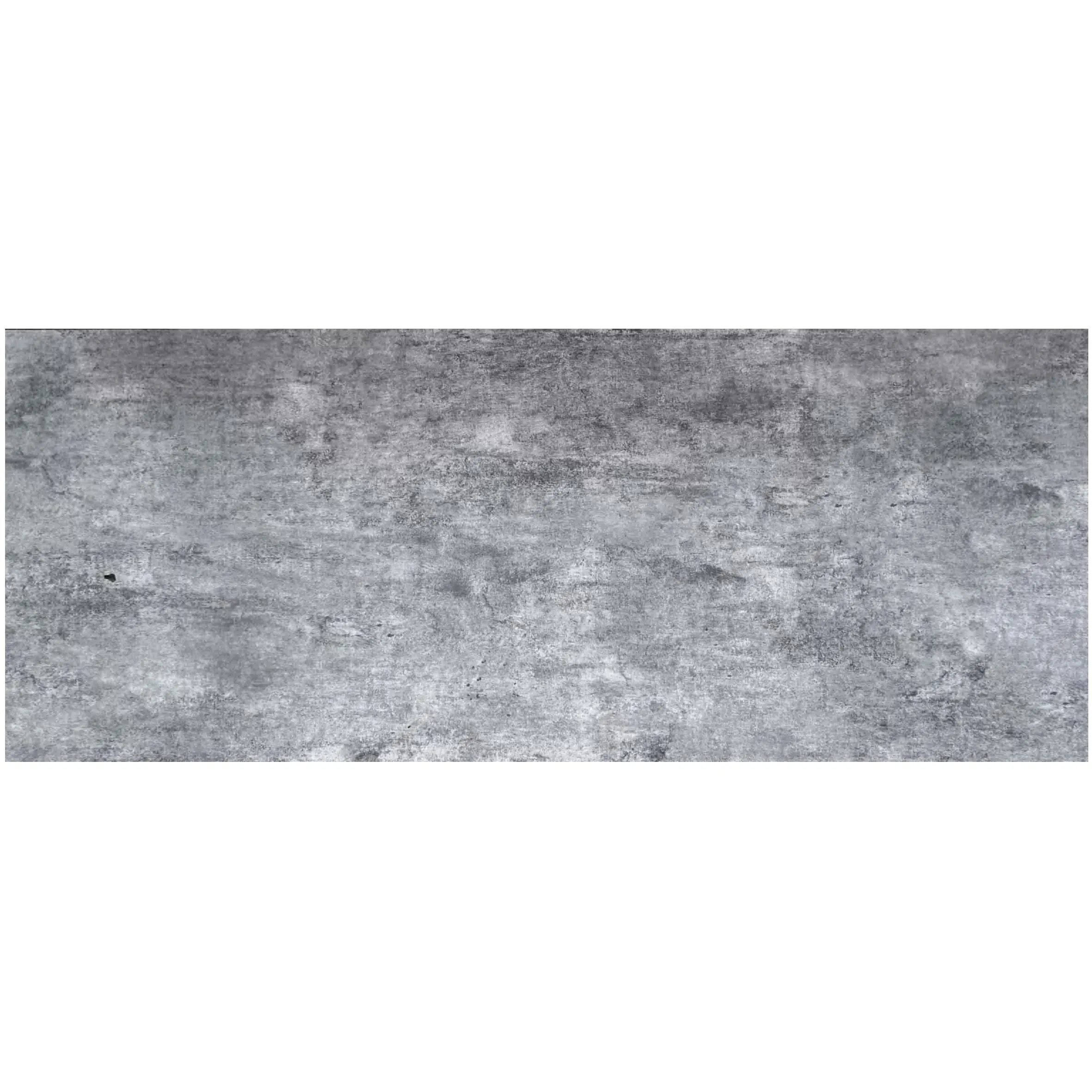
Walk into any modern office lobby, boutique hotel, or urban apartment today, and there's a good chance you'll find yourself drawn to the sleek, understated elegance of polish concrete. Its smooth, reflective surface, industrial-chic vibe, and versatility have made it a darling of architects and designers worldwide. But as our collective consciousness shifts toward sustainability, the question isn't just "Does it look good?" anymore—it's "Does it do good, too?" For construction professionals and building owners, the answer lies in eco-certifications: the stamps of approval that prove a material isn't just aesthetically pleasing, but also kind to our planet. And when it comes to polish concrete, few names stand out like COLORIA MCM, a brand that's redefining what it means for a high-performance material to be green.
In this article, we'll dive into the world of eco-certifications for polish concrete, explore why they matter, and take a close look at how COLORIA MCM is leading the charge with its commitment to sustainability. From modified composite material panels that reduce environmental impact to mcm flexible stone that marries beauty with responsibility, we'll uncover how this global supplier is turning the tide on "business as usual" in construction. Whether you're an architect hunting for LEED-compliant materials, a builder aiming to cut carbon footprints, or a homeowner wanting to invest in a planet-friendly future, this is the story of how polish concrete is getting a green makeover—one certification at a time.
Let's start with the basics: Why do eco-certifications even matter? For decades, construction has been one of the world's most resource-intensive industries, responsible for nearly 40% of global carbon emissions, according to the United Nations Environment Programme. From quarrying raw materials to transporting heavy slabs, from energy-guzzling manufacturing processes to waste generated on job sites, the environmental impact of building is hard to overstate. But in recent years, a quiet revolution has been brewing. Clients are demanding greener buildings, governments are tightening regulations, and architects are prioritizing materials that align with global sustainability goals like the Paris Agreement.
Eco-certifications are the backbone of this revolution. They're not just labels—they're rigorous, third-party verifications that a product or building meets specific environmental standards. For polish concrete, these standards might include everything from reducing embodied carbon (the emissions released during production) to using recycled materials, minimizing water usage, or ensuring the product can be recycled at the end of its life. Certifications like LEED (Leadership in Energy and Environmental Design), BREEAM (Building Research Establishment Environmental Assessment Method), and WELL Building Standard have become benchmarks, guiding projects toward sustainability and giving stakeholders confidence that their choices are making a difference.
Think of it this way: If you're buying a car, you check its fuel efficiency rating. If you're shopping for groceries, you might scan labels for organic or fair-trade certifications. Eco-certifications for building materials work the same way—they take the guesswork out of sustainability. For polish concrete, a material often associated with high cement content (and thus high carbon emissions), these certifications are game-changers. They prove that with innovation, even traditional materials can evolve to meet the demands of a low-carbon world.
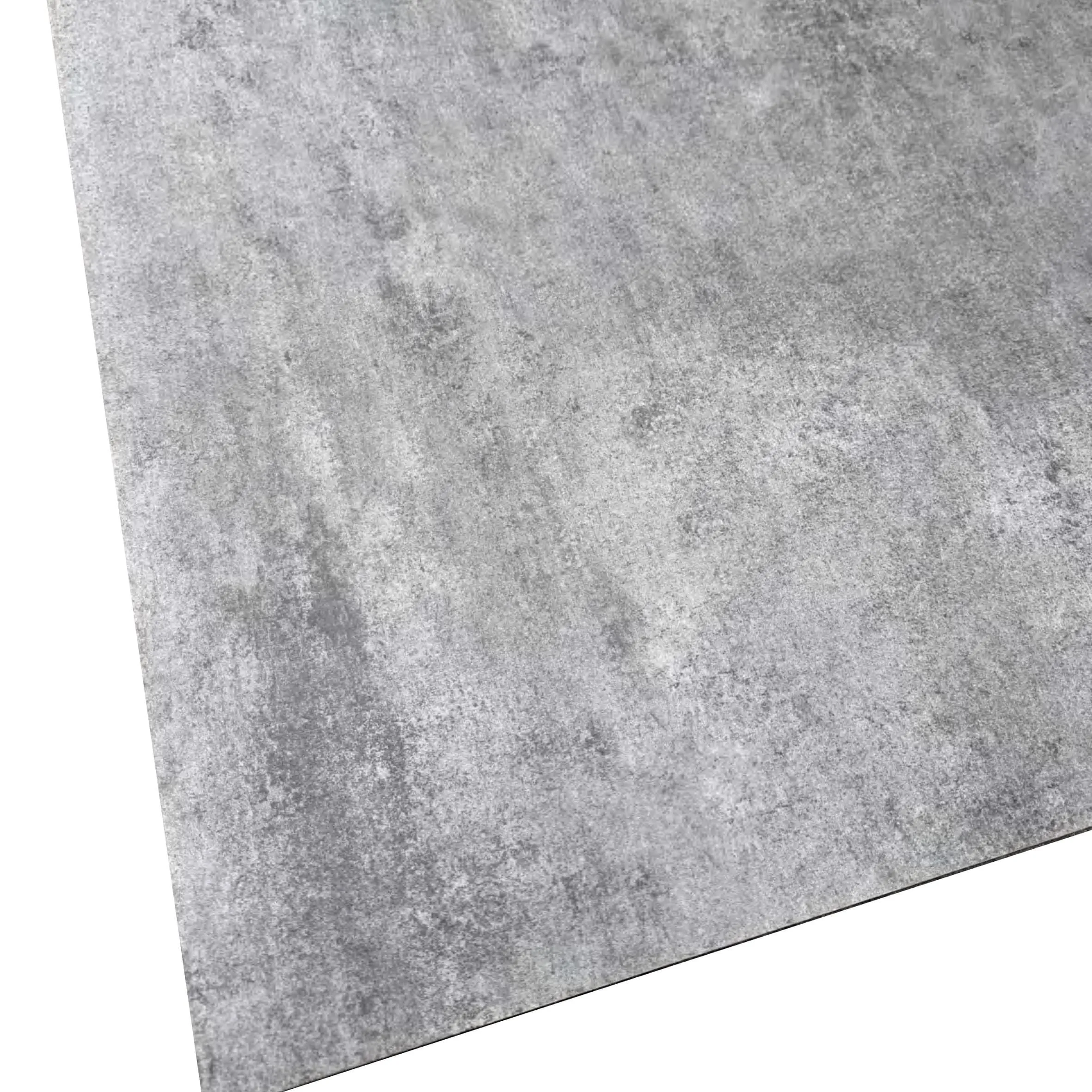
Not all certifications are created equal, and when it comes to polish concrete, certain standards carry more weight than others. Let's break down the ones that matter most—and what they require from manufacturers like COLORIA MCM.
Administered by the U.S. Green Building Council (USGBC), LEED is perhaps the most recognized green building certification globally. It awards points based on categories like sustainable sites, water efficiency, energy and atmosphere, materials and resources, and indoor environmental quality. For polish concrete to contribute to LEED credits, it typically needs to meet criteria in the "Materials and Resources" category—think recycled content, regional sourcing (to cut transportation emissions), and recyclability.
For example, LEED's MR Credit 4.1 rewards projects that use materials with at least 10% post-consumer recycled content. COLORIA MCM's polish concrete, as we'll see later, often exceeds this, incorporating recycled aggregates and industrial byproducts like fly ash or slag to reduce the need for virgin cement—a major source of carbon emissions in traditional concrete.
Hailing from the UK, BREEAM is another heavyweight in the certification world, focusing on holistic sustainability. It rates buildings on a scale from "Pass" to "Outstanding" and places a strong emphasis on lifecycle assessment (LCA)—the total environmental impact of a material from cradle to grave. For polish concrete, BREEAM looks at factors like embodied energy (the energy used to produce, transport, and install the material), waste generation during manufacturing, and potential for reuse or recycling at the end of the building's life.
While LEED and BREEAM focus on overall building performance, GREENGUARD (administered by UL) zooms in on indoor air quality. It certifies that products emit low levels of volatile organic compounds (VOCs)—harmful chemicals that can off-gas from materials and impact human health. For polish concrete, this is crucial: traditional sealers or admixtures can sometimes release VOCs, but COLORIA MCM's formulations prioritize low-VOC options, ensuring their polish concrete not only benefits the planet but also the people who live and work in the spaces it adorns.
These certifications aren't just boxes to tick—they're roadmaps for manufacturers. They push companies to innovate, to rethink old processes, and to prioritize the planet alongside profit. And for COLORIA MCM, they're non-negotiable.
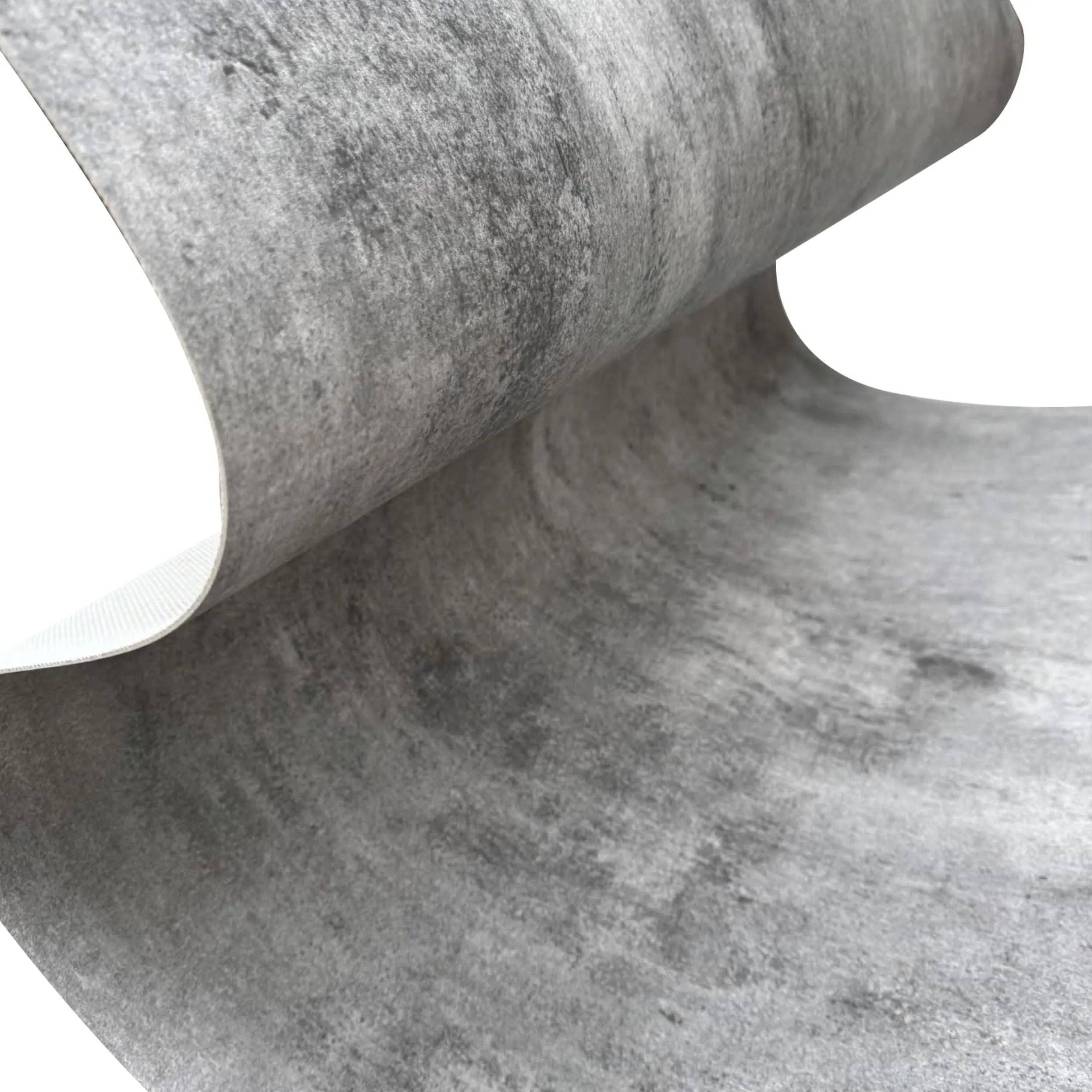
Founded with a mission to "build better, not just bigger," COLORIA MCM has never been content with the status quo. As a global supplier of building materials—with a strong presence in regions like the Middle East, Europe, and Asia—the brand recognized early on that sustainability isn't a trend; it's the future. Today, their polish concrete line is a testament to that vision: a product that delivers on both performance and planet.
So, what makes COLORIA MCM's polish concrete eco-certifiable? Let's start with the basics: the recipe. Traditional concrete is made by mixing cement, water, and aggregates (like sand or gravel). The problem? Cement production alone accounts for about 8% of global CO₂ emissions, according to the International Energy Agency. COLORIA MCM has tackled this head-on by reformulating its polish concrete to reduce cement content. By replacing a portion of the cement with supplementary cementitious materials (SCMs) like fly ash (a byproduct of coal-fired power plants) or ground granulated blast furnace slag (from steel production), they've cut down on both emissions and the need for virgin resources. It's a win-win: diverting waste from landfills while lowering the carbon footprint of the material.
Fun fact: Every ton of cement replaced with fly ash can reduce CO₂ emissions by up to 0.9 tons. For a large-scale project using COLORIA MCM's polish concrete, that adds up to thousands of tons of emissions saved—equivalent to taking hundreds of cars off the road for a year.
But COLORIA MCM's sustainability story doesn't end with polish concrete alone. The brand's modified composite material panels are another feather in its green cap. These panels, which are often used alongside polish concrete to add texture or dimension to facades and interiors, are engineered to be lighter, more flexible, and more eco-friendly than traditional alternatives like natural stone or solid concrete.
How? For starters, they're made with a core of recycled or renewable materials, wrapped in a thin layer of high-performance resin. This reduces the need for heavy aggregates, cutting down on transportation costs (since lighter materials require less fuel to ship) and making installation easier for builders. What's more, the manufacturing process for these panels uses 30% less energy than traditional stone cutting, according to COLORIA MCM's internal data, and generates minimal waste—thanks to precision engineering that maximizes material usage.
Take, for example, their mcm flexible stone panels. Designed to mimic the look of natural stone (think travertine, slate, or marble) but with a fraction of the weight, these panels are ideal for vertical applications like feature walls or exterior cladding. Unlike natural stone, which requires extensive quarrying and often results in waste (up to 30% of a stone block can be lost during cutting), mcm flexible stone is produced in a controlled factory setting, ensuring near-zero waste. And because it's flexible, it can be curved or shaped to fit unique architectural designs—no need for custom-cutting that would generate extra scraps.
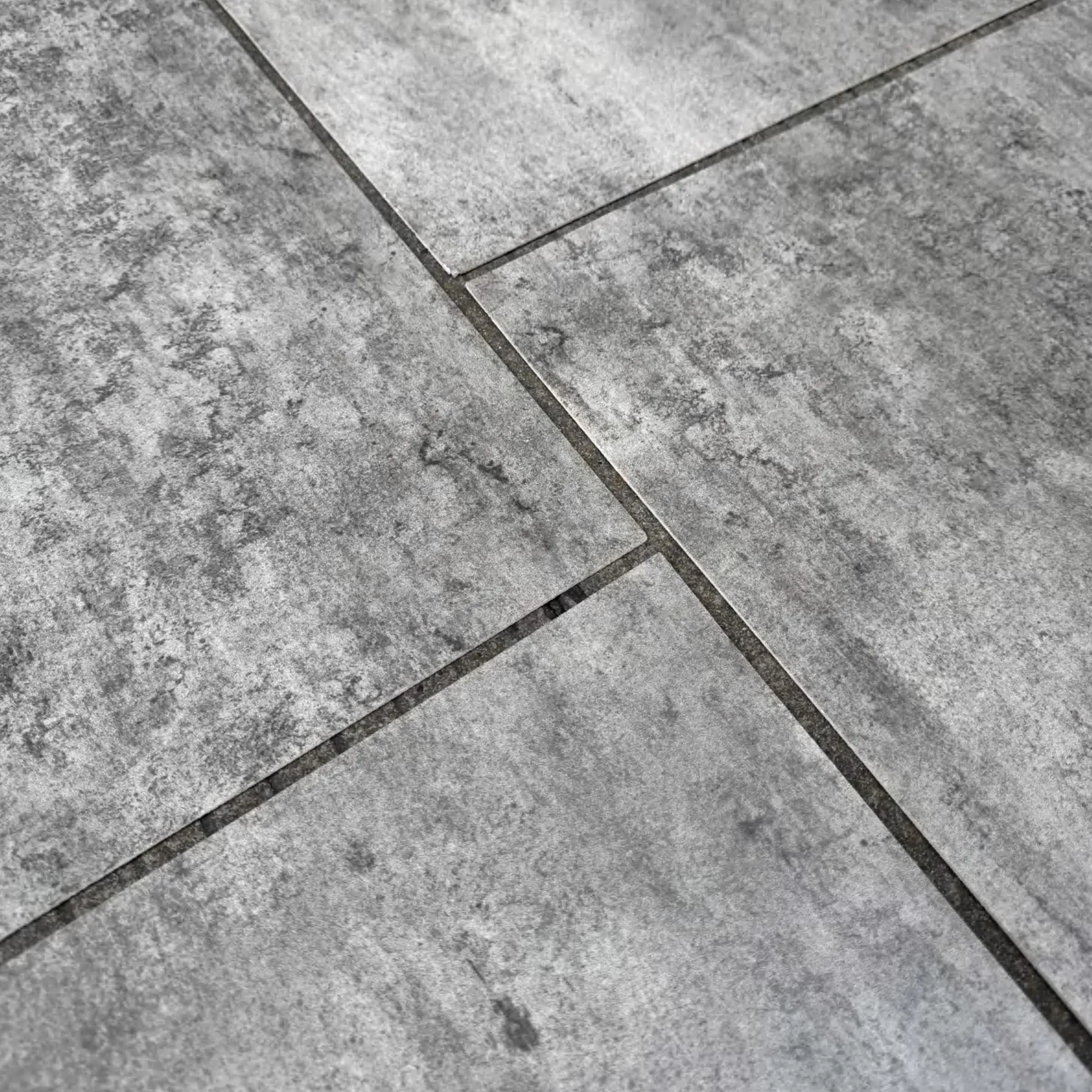
Numbers tell a powerful story, so let's put COLORIA MCM's eco-credentials to the test. Below is a comparison between their LEED-compliant polish concrete and traditional polish concrete, based on third-party lifecycle assessments and internal testing.
| Metric | Traditional Polish Concrete | COLORIA MCM Eco-Certified Polish Concrete | Environmental Benefit |
|---|---|---|---|
| Embodied Carbon (kg CO₂e/m²) | 250–300 | 150–180 | Up to 40% reduction in carbon footprint |
| Recycled Content | 5–10% | 20–25% | Doubles the use of recycled materials |
| Water Usage (L/m²) | 150–200 | 80–100 | Up to 50% less water in manufacturing |
| VOC Emissions | Moderate (often uncertified) | GREENGUARD Gold Certified (≤0.1 mg/m³) | Significantly improves indoor air quality |
| End-of-Life Recyclability | Limited (often ends up in landfills) | 90% recyclable as aggregate | Closes the loop on material lifecycle |
These numbers aren't just impressive—they're transformative. For a 10,000 m² commercial project, switching to COLORIA MCM's polish concrete could reduce carbon emissions by up to 1,500 tons. That's the equivalent of planting 75,000 trees (which absorb about 20 kg of CO₂ per year) or taking 325 cars off the road for a full year. And when you factor in the water savings—up to 1.2 million liters for that same project—it's clear this isn't just "greenwashing"; it's tangible, measurable sustainability.
To see COLORIA MCM's eco-certified polish concrete in action, look no further than the Azure Tower, a 22-story commercial building in Dubai's Business Bay. Completed in 2024, the tower was designed by award-winning firm ArcVision Architects with a bold goal: to achieve LEED Gold certification while maintaining a sleek, modern aesthetic. Central to that vision was the use of polish concrete in the lobby, elevator cores, and common areas.
"We wanted the lobby to feel grand but grounded—like a space that celebrated both innovation and sustainability," says Lina Hassan, ArcVision's lead designer. "Polish concrete was the obvious choice for the floors and walls, but we needed a version that wouldn't tank our LEED credits. That's where COLORIA MCM came in."
The team selected COLORIA MCM's LEED-compliant polish concrete for the 2,500 m² lobby floor and 1,200 m² of accent walls. To complement the concrete, they added mcm flexible stone panels in a "Starry Blue" travertine finish, creating a striking contrast between the smooth concrete and textured stone. The results? The project not only achieved LEED Gold but also exceeded its sustainability targets, scoring particularly high in the "Materials and Resources" category.
"The polish concrete was a game-changer," says Ahmed Khalid, the project's construction manager. "It was lighter than traditional concrete, so we saved on transportation costs and labor. And because COLORIA MCM's team provided detailed EPDs [Environmental Product Declarations], we had no trouble documenting the recycled content and carbon savings for LEED. Plus, the finish is stunning—our clients can't stop talking about how the lobby feels 'both modern and responsible.'"
Today, the Azure Tower stands as a testament to what's possible when sustainability and design go hand in hand. And it's not alone: COLORIA MCM's polish concrete has been used in LEED and BREEAM-certified projects across the Middle East, from luxury hotels in Riyadh to mixed-use developments in Istanbul.

Eco-certifications are important, but they're just one piece of the puzzle. COLORIA MCM's commitment to sustainability extends far beyond getting a stamp of approval—it's woven into the fabric of the company's operations, from manufacturing to customer support.
At COLORIA MCM's production facilities in Italy and the UAE, nothing goes to waste. Scrap materials from polish concrete production are crushed and reused as aggregates in new batches. Water used in mixing is treated and recycled, reducing freshwater consumption by 40%. Even packaging is eco-friendly: the company uses recycled cardboard and biodegradable stretch wrap, and encourages clients to return pallets for reuse.
Since 2023, COLORIA MCM's UAE factory has run entirely on solar power, thanks to a 5,000-panel rooftop system that generates over 2.5 GWh of electricity annually—enough to offset 1,800 tons of CO₂ emissions. The company plans to roll out similar systems at its European facilities by 2026, with the goal of being carbon-neutral in manufacturing by 2030.
COLORIA MCM doesn't just sell materials—it empowers its clients to make sustainable choices. The brand offers free webinars for architects on "Eco-Certifications 101," provides detailed LCAs for all products, and even collaborates with universities on research into low-carbon concrete alternatives. "We see ourselves as partners, not just suppliers," says Marco Rossi, COLORIA MCM's sustainability director. "If our clients don't understand how to leverage our materials for certifications, then we haven't done our job."
As the demand for sustainable construction materials grows, COLORIA MCM isn't resting on its laurels. The company is currently developing a next-generation polish concrete formula that uses carbon capture technology to further reduce embodied carbon. Early tests show promise: by injecting CO₂ into the concrete during curing, the material not only hardens faster but also permanently sequesters carbon—turning a one-time emitter into a carbon sink.
Additionally, COLORIA MCM is expanding its line of modified composite material panels to include more bio-based options, such as panels made with hemp fibers or mycelium (mushroom-based) composites. These innovations aim to replace even more virgin materials with renewable, carbon-negative alternatives—proving that the future of construction isn't just about "less harm," but about actively healing our planet.
Polish concrete has come a long way from its industrial roots. Today, it's a symbol of how the construction industry can evolve—trading old, wasteful practices for innovative, planet-friendly solutions. And at the forefront of that evolution is COLORIA MCM, a brand that understands that sustainability isn't a checkbox but a mindset. From eco-certified polish concrete with 40% lower carbon emissions to modified composite material panels that redefine "lightweight and strong," COLORIA MCM is proving that you don't have to sacrifice performance for the planet.
For architects, builders, and building owners, the message is clear: eco-certifications aren't just "nice to have"—they're essential. They protect our planet, improve human health, and future-proof buildings against tightening regulations and shifting market demands. And with partners like COLORIA MCM, achieving those certifications doesn't mean compromising on design, durability, or cost-effectiveness.
So the next time you walk into a building with stunning polish concrete floors, take a moment to ask: "Is this material green?" Thanks to companies like COLORIA MCM, the answer is increasingly "Yes." And that's not just good news for the construction industry—it's good news for all of us who call this planet home.
Recommend Products












