
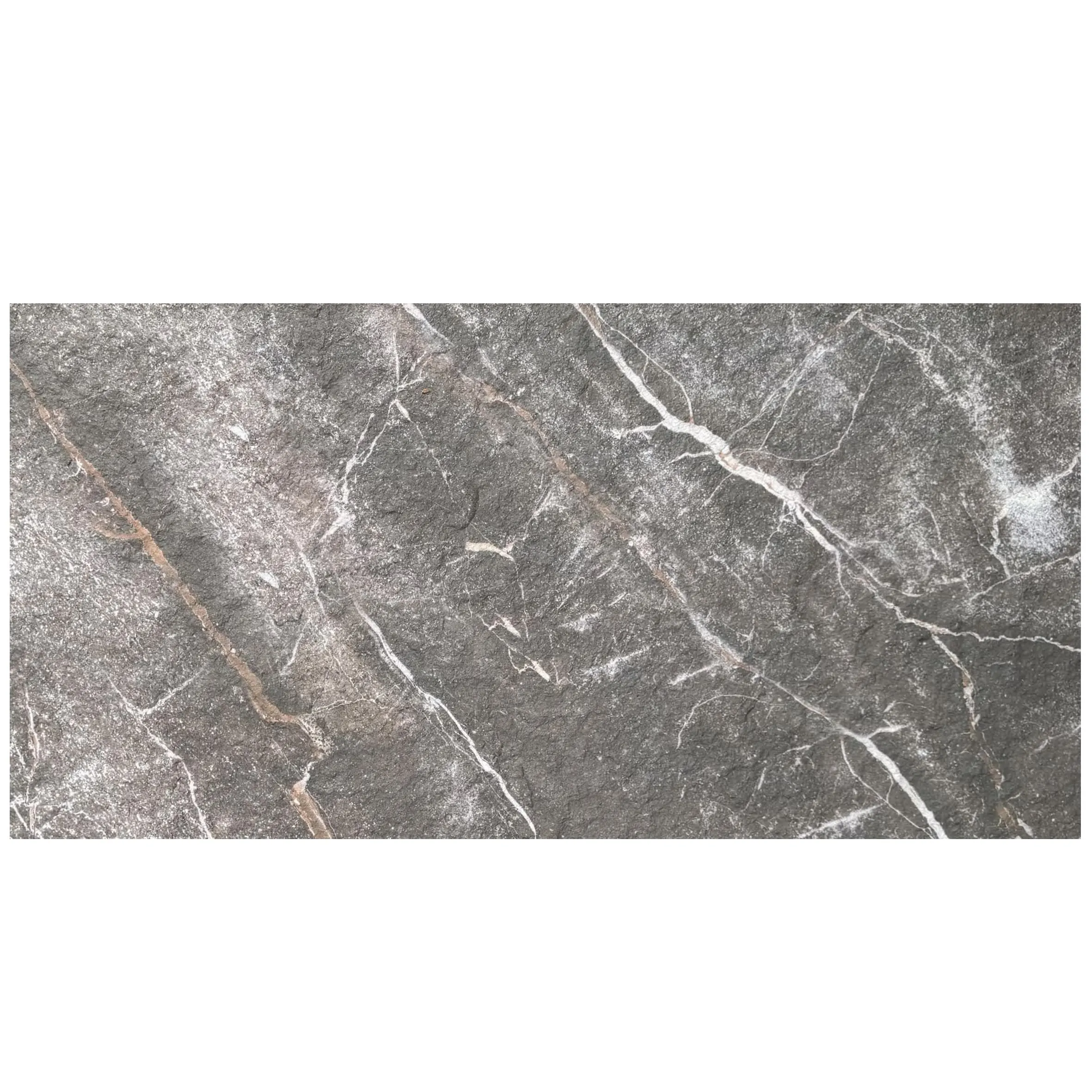
Choosing Beauty Without Compromising the Planet
Let's start with a scenario we've all encountered—whether you're an architect sketching a net-zero office building, a homeowner revamping your kitchen, or a developer aiming for LEED certification, the choice of building materials often feels like a tug-of-war. On one side: the timeless allure of natural stone, like the rich, veined elegance of granite portoro. On the other: the growing demand for sustainability, where every ton of carbon, drop of water, and square foot of habitat matters. Enter MCM materials—modified composite materials that promise the best of both worlds. Today, we're diving deep into how MCM materials stack up against natural granite portoro when it comes to eco-certifications, and why that matters for the future of building.
Before we geek out over certifications, let's get clear on the contenders. Natural granite portoro is the rockstar of luxury stone—think deep black backgrounds swirled with gold veins, a staple in high-end hotels and (mansions) for decades. It's mined from quarries, cut into slabs, and polished to a mirror finish. Beautiful? Absolutely. But beauty, as they say, can come at a cost.
Then there's MCM materials —short for modified composite materials. These are engineered products designed to mimic the look of natural stone, wood, or metal, but with a lighter, more durable, and often more sustainable twist. You've probably seen them without realizing: MCM flexible stone that bends around curved walls, foamed aluminium alloy board (vintage silver) that adds industrial chic to facades, or even MCM 3D printing series products shaped into intricate patterns without the waste of traditional cutting. MCMs blend recycled polymers, minerals, and sometimes natural fibers to create something that looks like the real deal but behaves better—especially when it comes to the planet.
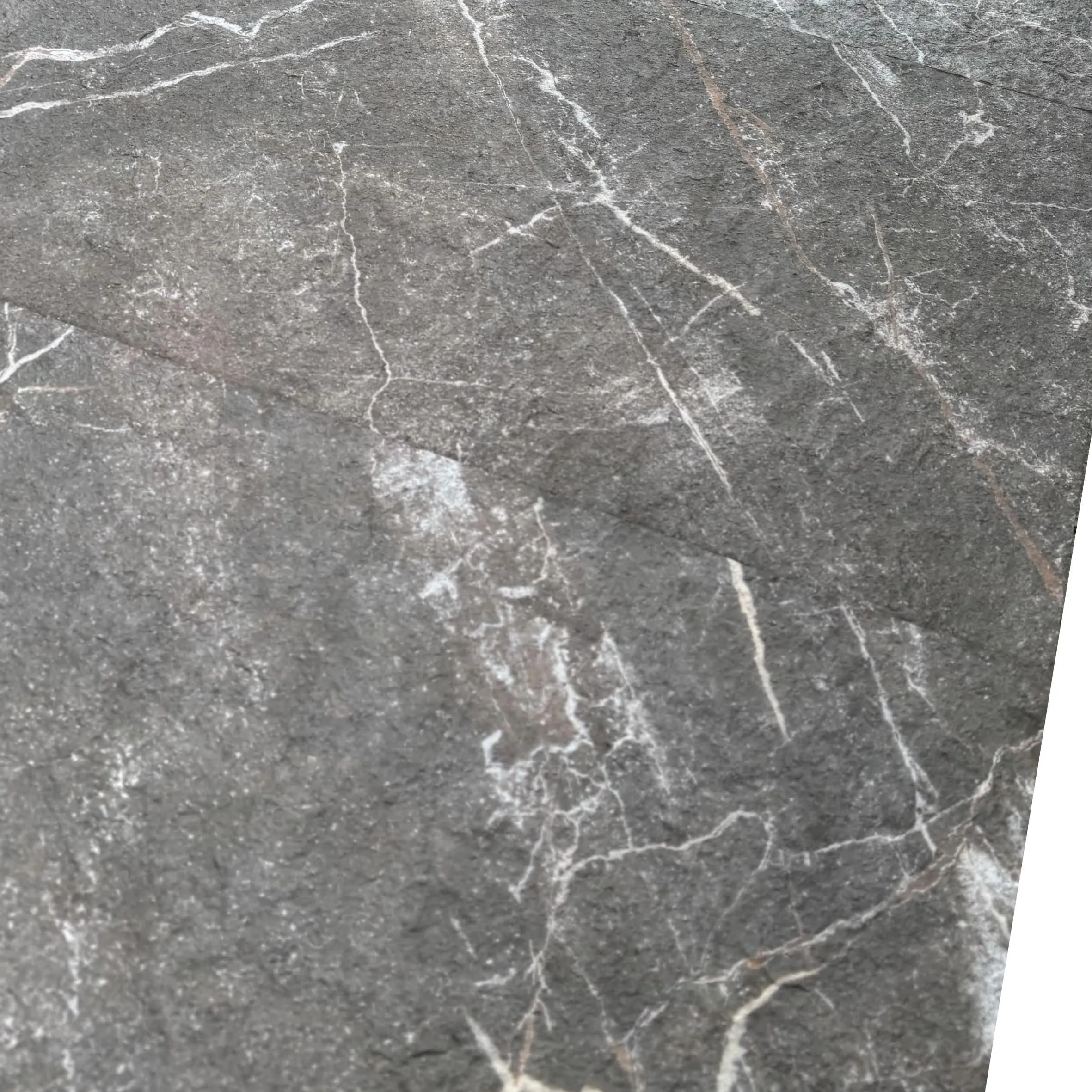
If you've ever stood at the edge of a granite quarry, you know it's a sight to behold—massive cliffs of stone, cranes lifting slabs the size of cars. But that "majesty" has a dark side. Let's break down the eco-impact step by step:
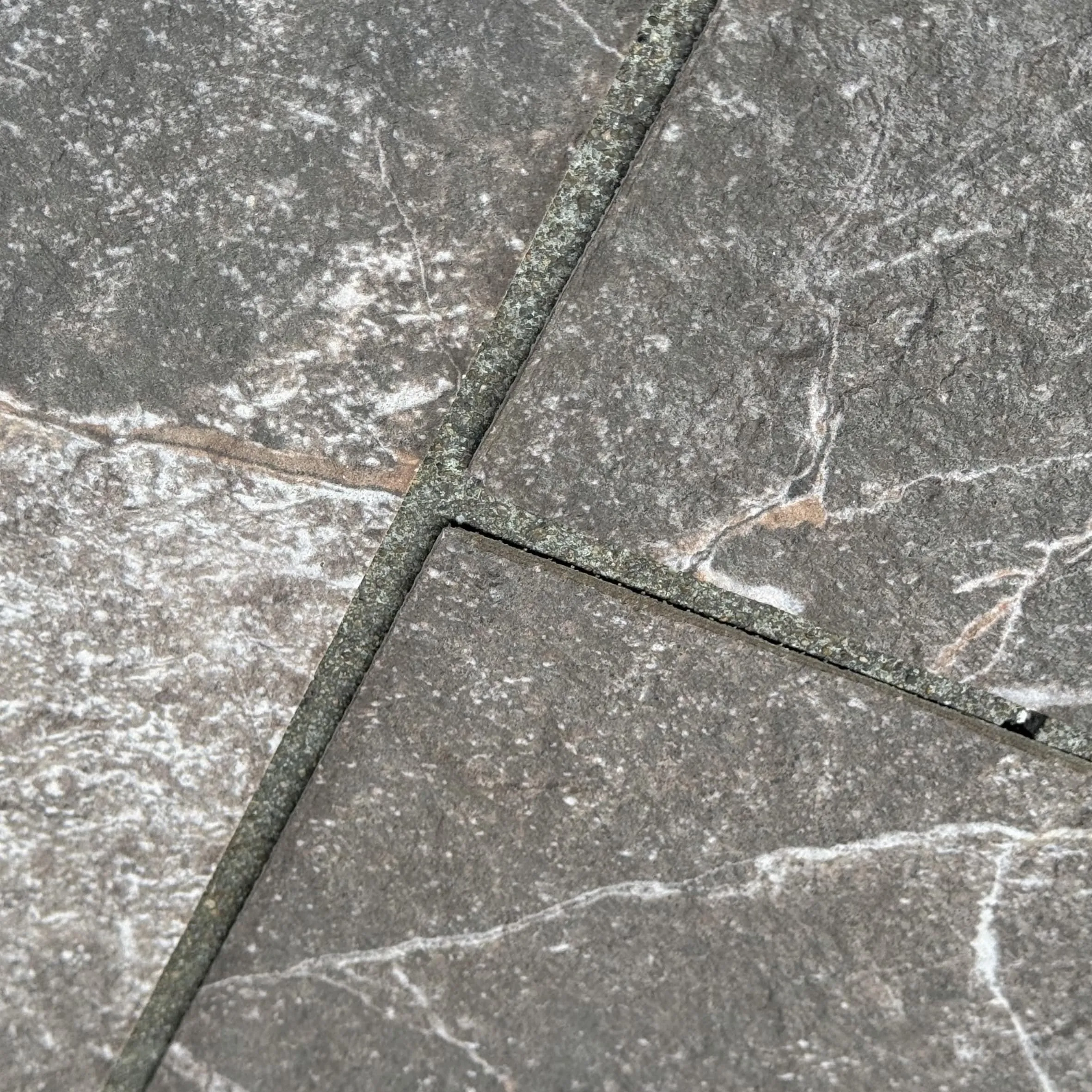
MCMs weren't just designed to look good—they were built to solve these exact problems. Let's unpack why they're turning heads in the green building world:
Take MCM 3D printing series as an example. Traditional stone cutting is like carving a statue with a chainsaw—imprecise and wasteful. 3D printing MCMs, though? It's more like using a pastry bag: you lay down material only where you need it . That means up to 90% less waste compared to quarrying. Even better, many MCMs use recycled content—like foamed aluminium alloy board (vintage gold) made from 60% recycled aluminum cans and industrial scrap. That's material that would've ended up in a landfill, now adding shine to a building facade.
Ever tried lifting a bag of rocks vs. a bag of foam? That's the difference between natural granite and MCMs. MCM flexible stone weighs about 3-5 kg per square meter, while natural granite clocks in at 25-30 kg/m². Lighter materials mean fewer trucks on the road, less fuel burned, and lower carbon emissions during transport. For a 10,000 sq ft building, switching to MCM could cut transportation emissions by 50% or more—no small feat when LEED certification is on the line.
Here's a little-known fact: natural stone is surprisingly porous. Granite portoro, for all its hardness, can stain if you spill wine on it, or crack in freezing temperatures. MCMs, though? They're engineered to resist water, UV rays, and impact. Travertine (starry green) MCM, for instance, mimics the pitted look of natural travertine but adds a protective layer that prevents water damage. That means your facade or countertop lasts longer—so you're not tearing it out and replacing it every 10 years, which saves both money and resources.
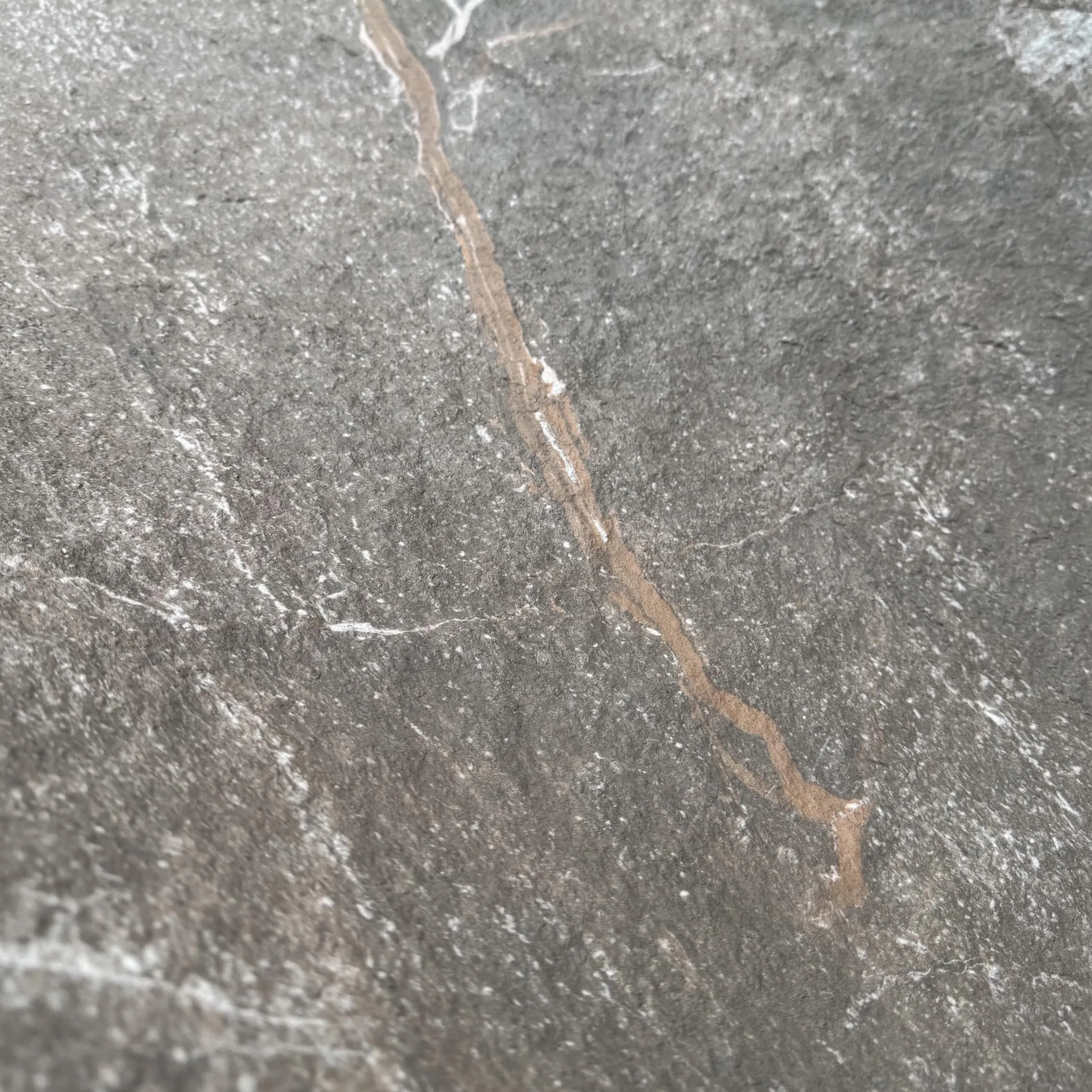
Eco-certifications aren't just fancy labels—they're third-party stamps of approval that a product meets strict environmental standards. For architects chasing LEED points or developers marketing "green" buildings, they're make-or-break. Let's see how MCMs and natural granite portoro stack up against the most common ones:
LEED is the gold standard for green building, and it rewards materials that reduce embodied carbon, use recycled content, and minimize waste. MCMs often check all these boxes: foamed aluminium alloy board (gold) with 50% recycled content can earn 2-3 LEED points, while MCM flexible stone 's lightweight design cuts transportation emissions, another point. Natural granite portoro? It might earn a point for being a "regional material" if quarried locally, but its high embodied energy and lack of recycled content make it a tough sell for LEED Platinum projects.
GREENGUARD certifies products with low volatile organic compounds (VOCs)—chemicals that off-gas and harm indoor air quality. MCMs are manufactured in controlled environments with low-VOC adhesives and coatings, so they often earn GREENGUARD Gold. Natural stone, on the other hand, can sometimes off-gas radon, a radioactive gas found in some quarries, or release dust during cutting that affects air quality on-site.
C2C takes a "closed-loop" approach, rating products on how easily they can be recycled or composted at the end of their life. MCMs like bamboo mat board (made from fast-growing bamboo fibers) often score high here, as they break down or get repurposed into new MCMs. Natural granite? Once it's a countertop or facade, it's a slab of rock—recycling it means crushing it for gravel, which is better than landfill, but not exactly "cradle to cradle."
| Eco Metric | MCM Materials (e.g., MCM Flexible Stone) | Natural Granite Portoro |
|---|---|---|
| Embodied Carbon (kg CO2/m²) | 15-30 (varies by product) | 80-120 |
| Recycled Content | 30-70% (common in foamed aluminium and 3D-printed MCMs) | 0% (mined from raw stone) |
| Water Usage (liters/m² processed) | 50-100 | 200-300 |
| LEED Points Potential | 2-5 points (recycled content, low emissions, durability) | 0-1 point (only if regional) |
| Expected Lifespan | 25-50 years (resistant to weathering) | 15-20 years (prone to staining/cracking) |
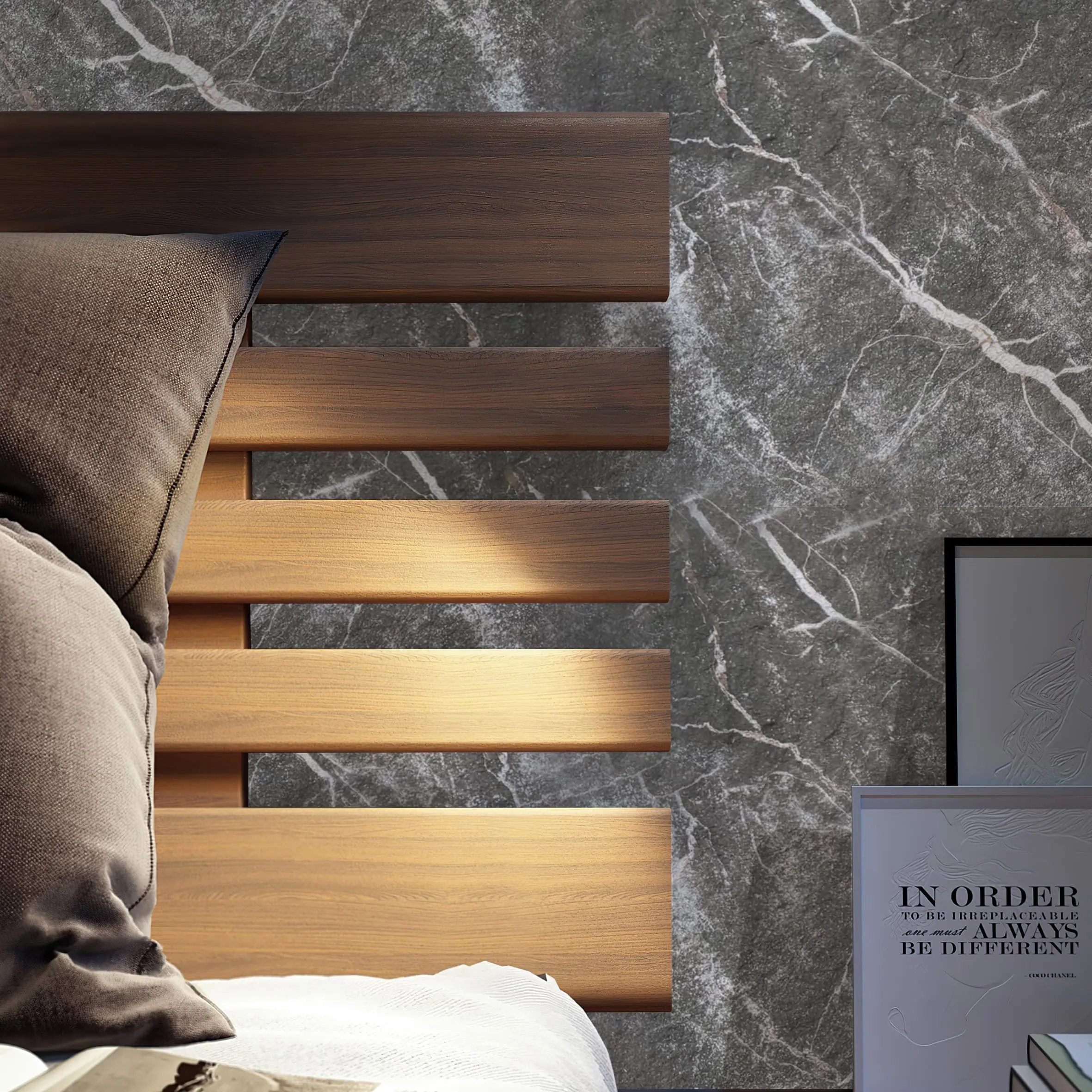
Talk is cheap—let's look at projects where MCMs delivered on their eco-promises. Take the GreenWave Tower in Portland, Oregon. The architects wanted a facade that looked like natural travertine but hit LEED Platinum. They chose travertine (starry blue) MCM panels, which are 80% lighter than natural travertine, cutting transportation emissions by 60%. The building earned 4 LEED points for materials alone and now uses 30% less energy for heating/cooling (thanks to the MCM's insulating properties). Compare that to the Heritage Hotel in Miami, which used natural granite portoro for its lobby. Despite its luxury vibe, the hotel missed LEED Gold by 2 points because the stone's high embodied carbon pushed its eco-score over the edge.
Another example: the EcoVillage Community Center in Boulder, Colorado. They used MCM 3D printing series to create custom weaving (khaki) panels for the ceiling. The 3D printing process generated just 5% waste, compared to 30% with traditional stone cutting, and the panels' recycled plastic core earned them a Cradle to Cradle "Silver" certification. The center now markets itself as "zero-waste construction," a huge draw for eco-conscious residents.
Hold on—we're not saying natural stone is evil. There's a time and place for it: historic restorations where authenticity matters, or small-scale projects where local sourcing minimizes transportation emissions. But for most modern builds, especially those aiming for eco-certifications, MCMs offer a smarter alternative. They let you have the "wow" factor of travertine (vintage gold) or granite portoro without the guilt—or the certification headaches.
Eco-certifications aren't just trends—they're the future of construction. As the world grapples with climate change, builders, architects, and homeowners are realizing that "sustainable" doesn't have to mean "sacrificing style." MCM materials, from MCM flexible stone to foamed aluminium alloy board (vintage black) , prove that you can have both. They're lighter, tougher, and more eco-friendly than natural granite portoro, and their certifications make them a no-brainer for anyone serious about building green.
So next time you're choosing materials, ask: Does this product reflect the future we want to build? With MCMs, the answer is a resounding yes.
Recommend Products












